Debunking Myths: The H1-B Visa Grace Period Remains Unchanged
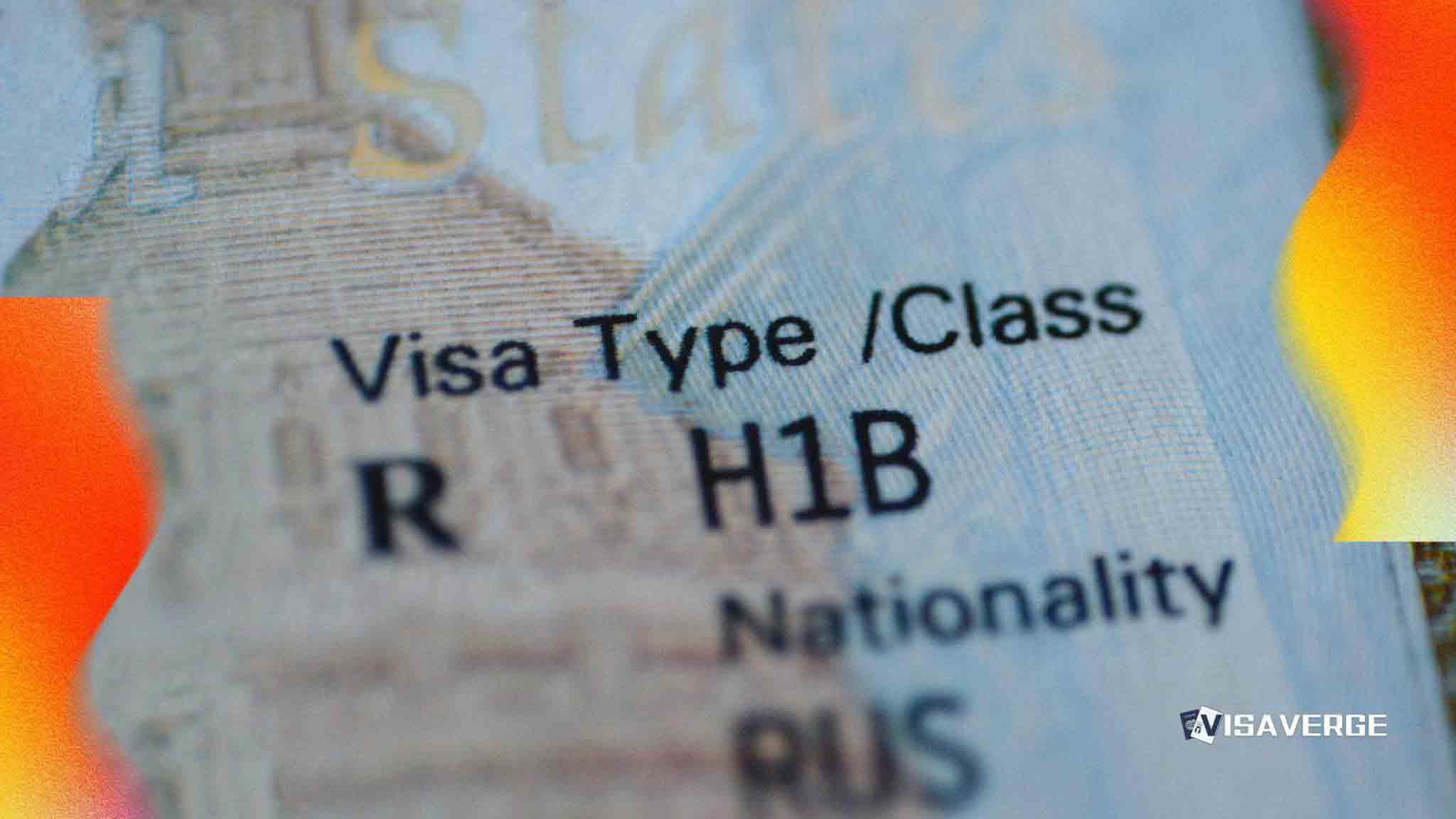
In recent times, a flurry of rumors suggested a significant extension of the grace period for H1-B visa holders from 60 to 180 days. This news spread like wildfire, creating confusion and false hopes among many. However, it’s crucial to set the record straight: the grace period for H1-B visa holders remains at 60 days.
What Does the USCIS Say?
The United States Citizenship and Immigration Services (USCIS), the authoritative body on immigration matters, has not announced any changes to the H1-B visa grace period. Despite recommendations from the Presidential Advisory Panel to extend the grace period for retrenched H-1B workers to 180 days, these proposals have not been enacted into policy.
Free toolH-1B Cost Calculator Online“It is important to note that the rumor about the grace period for H1-B visa holders being extended from 60 to 180 days is false.” Confirming this vital piece of information should help clear up any misunderstandings.
Why Is Accurate Reporting Essential?
In an era where information is readily available but not always accurate, it’s more important than ever for media outlets to verify their sources. The spread of unverified rumors, especially regarding sensitive issues like immigration, can have significant consequences. In this case, misinformation has led to unnecessary stress and anxiety among H1-B visa holders and their families.
How Can You Stay Informed?
With the landscape of immigration constantly evolving, staying informed is key. Here are a few steps to ensure you’re getting the most accurate and up-to-date information:
- Rely on Credible Sources: The USCIS website is the most authoritative source for information on policies affecting H1-B visa holders. By tapping into official sources, you’re more likely to get accurate and timely information.
- Consult with Professionals: Experienced immigration attorneys can provide advice tailored to your specific situation. They stay abreast of all developments and can guide you based on the latest policies.
- Cross-Verify Information: Before taking any action based on news or rumors, make sure to verify the information from multiple reliable sources.
What Should Media Outlets Do?
The onus is on media outlets to report accurately and responsibly. Spreading unverified rumors not only damages their credibility but also impacts the lives of those who are the subject of the misinformation. Media organizations should prioritize fact-checking and source verification to avoid similar instances in the future.
Responsibility of Individuals
While it’s easy to get swept up by what we read or hear, each individual also bears responsibility for the information they choose to accept and act upon. Always question and cross-check the facts before making any decisions related to your immigration status.
In conclusion, despite the widespread rumors, the H1-B visa grace period remains at 60 days. For those affected, this emphasizes the importance of relying on credible sources for information on USCIS immigration policies and avoiding the pitfalls of baseless H1-B rumors. By staying informed through authoritative channels, individuals can navigate the complexities of immigration with greater confidence and clarity.
This Article In A Nutshell:
The H1-B visa grace period still stands at 60 days, contrary to rumors of a 180-day extension. Verify information from trustworthy sources like the USCIS to prevent confusion. Media should report accurately, and individuals should cross-check details before acting. Staying informed and cautious is key in navigating immigration changes confidently.
— By VisaVerge.com