New York has now enacted a statewide ban on local ICE cooperation agreements, with the FY27 budget prohibiting police, corrections, and other local agencies from entering or keeping 287(g) deals and related detention agreements. Existing arrangements are being phased out under a 90-day window, with reporting placing the cutoff in late August and one account saying the law takes effect on Aug. 25.
- The new law bars local governments, police, and corrections agencies from entering or retaining 287(g) agreements or similar arrangements with federal immigration authorities.
- Local jails are also prohibited from contracts or intergovernmental service agreements used to hold people for civil immigration violations.
- A July 9 report says agencies seeking New York’s $75 million LETech grant must comply with the Local Cops, Local Crimes Act, and agencies operating a 287(g) agreement or similar arrangement are barred from that funding.
- The Trump administration has challenged New York’s new immigration law in court, arguing the state overstepped in regulating federal enforcement.
- New York officials are 99% finished with a deal to limit state cooperation with federal immigration agents.
- The legislation bars 287(g) agreements and requires judicial warrants for federal entry into schools, churches, and parks.
- Funding for immigrant legal services will reach $183 million to counter rising federal enforcement and application fees.
(NEW YORK) — New York lawmakers and Governor Kathy Hochul moved toward an immigration policy deal on Monday that officials described as “99% finished”, as budget negotiations neared agreement on limits to state and local cooperation with federal enforcement.
Free toolUSCIS Receipt Number DecoderThe package would bar counties from signing 287(g) agreements with ICE, restrict federal agents from entering schools, churches, daycares, senior centers and parks without a judicial warrant, and prohibit federal agents from wearing face coverings or masks while carrying out enforcement duties in the state.

It would also create a new right for individuals to sue federal officers for constitutional violations and add a record $110.8 million for immigrant legal services, bringing the state total to $183 million.
Hochul backed a compromise on information sharing that would let local police coordinate with ICE only if there is “probable cause” of a serious or violent crime or if a person is convicted of a felony or misdemeanor. Violations such as jaywalking or traffic stops would not qualify.
The Albany talks come as the Trump administration presses ahead with a broader enforcement campaign. New York’s legislation is designed to place legal guardrails around how state and local resources can intersect with those operations.
Federal officials have made clear that immigration arrests and removals will continue. In a May 1, 2026, press release, Acting Assistant Secretary Lauren Bis said, “Just yesterday, the NICE men and women of ICE arrested criminal illegal aliens across the country. Under President Trump and Secretary Mullin, ICE will continue removing these public safety threats from our communities. America will be safe again.”
Secretary Markwayne Mullin described the administration’s approach in an interview on April 16, 2026 as quieter, not narrower. “We’re still enforcing immigration laws. We’re still deporting illegals that shouldn’t be here. We’re still going after the worst of the worst — but we’re doing it in a more quiet way.”
USCIS also tied immigration fees directly to enforcement funding. In an interim final rule announced on April 28, 2026, the agency said, “H.R. 1 created new fees to increase funding for immigration enforcement operations and ensure aliens pay for immigration services.”
That federal law, the H.R. 1 Reconciliation Act of 2025, also called the “One Big Beautiful Bill Act”, was signed on July 4, 2025. It provided $170.7 billion to DHS for enforcement and border security.
New York’s pending agreement would push in the opposite direction at the state level. Its central aim is to keep local governments and police departments from becoming routine partners in immigration arrests, detention transfers or other parts of the deportation system.
A ban on 287(g) agreements would close off one of the clearest formal channels for county cooperation with ICE. Those agreements let local jurisdictions work directly with federal immigration authorities, and blocking them would draw a firm line around how much local law enforcement can participate.
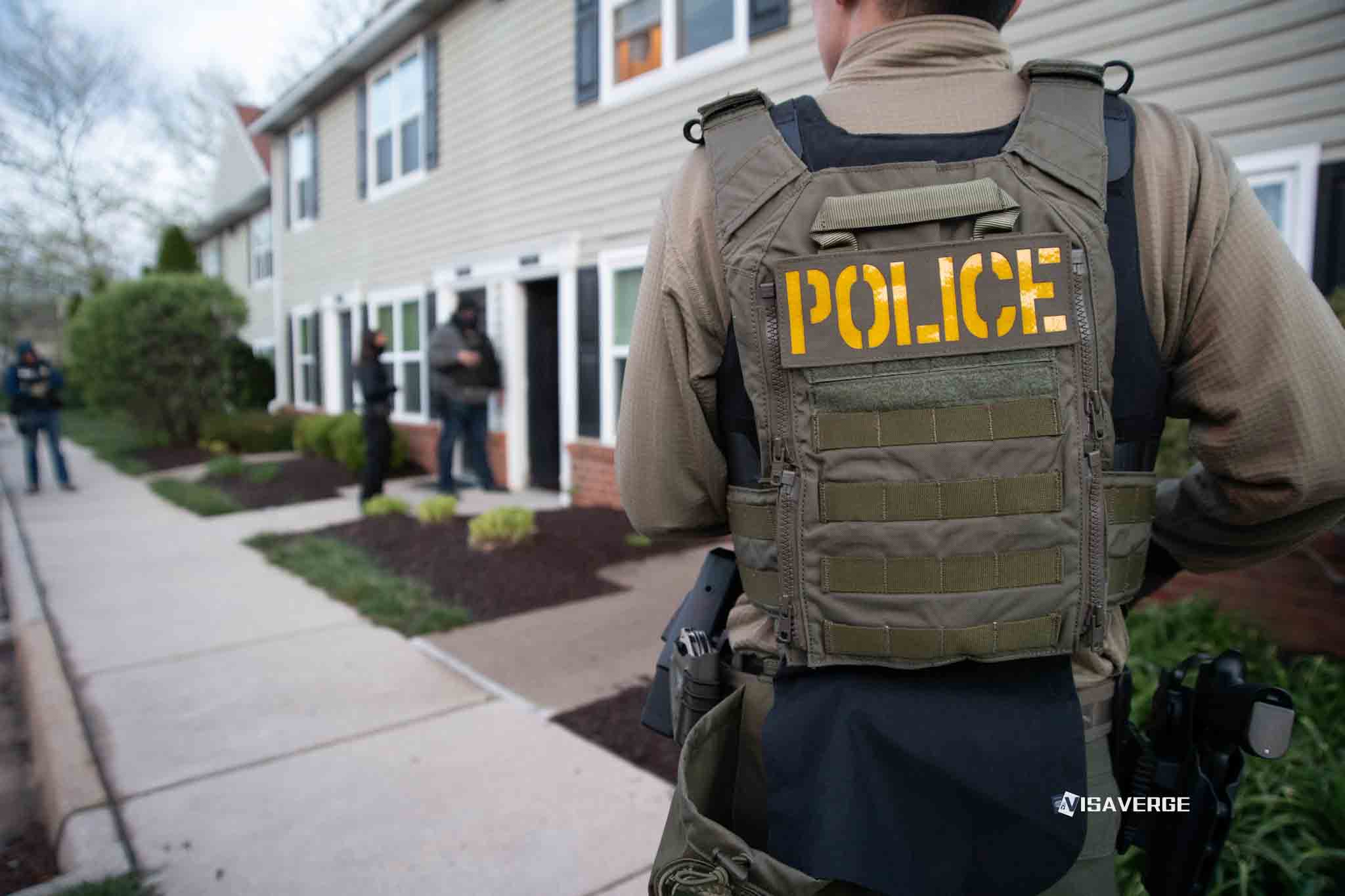
The proposed limits on entry into sensitive locations would reach schools, churches, daycares, senior centers and parks. By requiring a judicial warrant, the measure would add a state-level legal standard around places where families gather, children attend class, older adults receive services and communities worship.
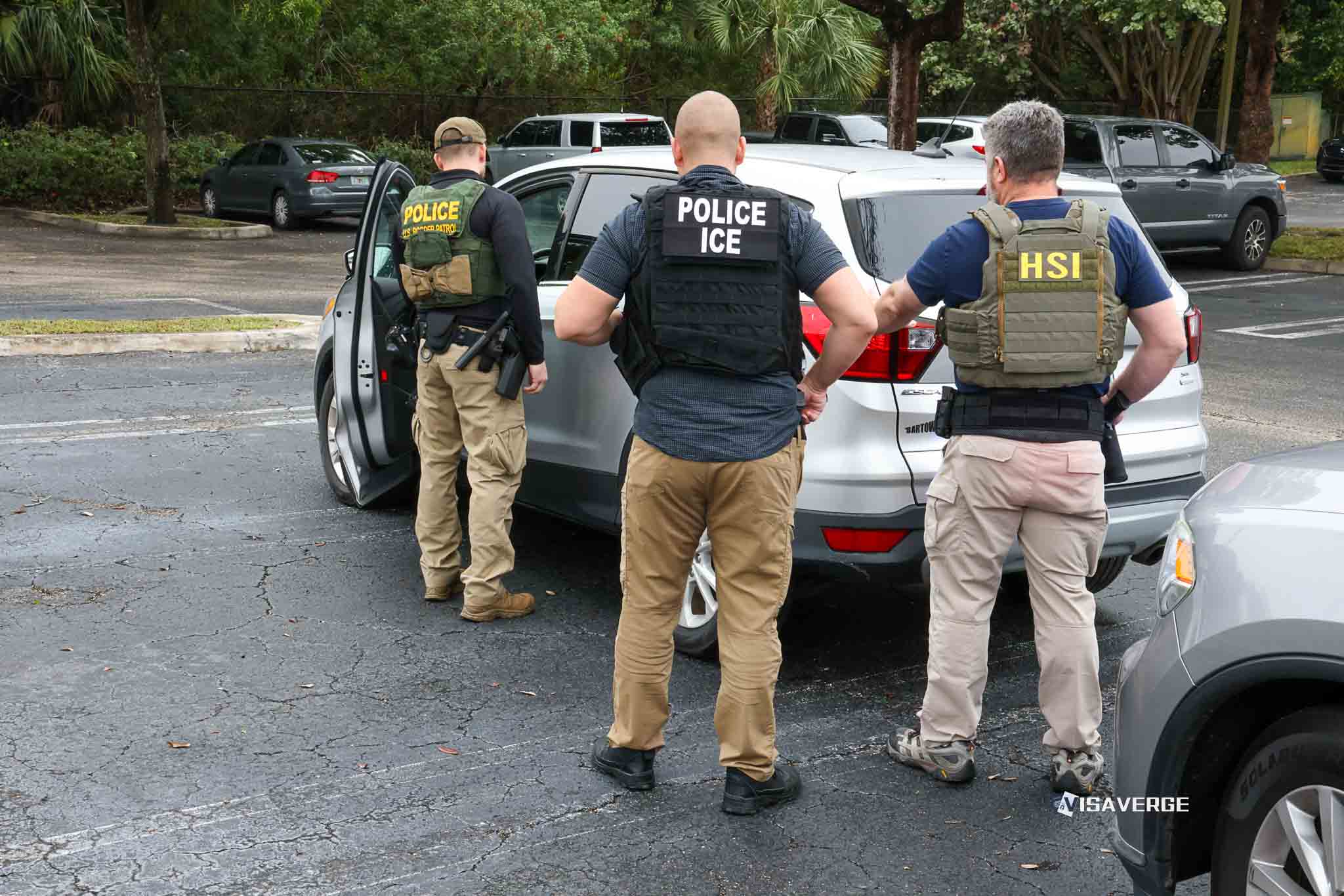
The masking provision would impose another visible constraint. Federal agents carrying out immigration operations in New York would not be allowed to wear face coverings or masks.
The right-to-sue provision would give people a direct civil remedy if they allege constitutional violations by federal officers. In practical terms, that would open another avenue for court challenges tied to arrests, searches or other enforcement actions conducted in the state.
Money is another part of the agreement. The added $110.8 million for immigrant legal services would raise total state funding to $183 million, a sharp increase intended to expand legal representation for people facing immigration proceedings.
That funding boost lands as federal costs rise for migrants seeking to remain in the country through legal channels. The 2025 reconciliation act imposed a $1,000 asylum application fee and $550 employment authorization document renewal fees every six months.
State officials frame the Albany package as a New York answer to a federal enforcement buildup financed in Washington. The legislation seeks to ensure that local institutions, public spaces and police agencies do not serve as automatic extensions of that campaign.
The pending deal also carries political weight for Hochul, who has tried to hold together competing demands inside New York’s Democratic coalition while negotiating an overdue budget. Her compromise on police coordination preserves a path for contact with ICE in cases tied to serious or violent crime, while excluding lower-level violations that can draw people into enforcement through everyday encounters.
That distinction matters in a state where local policing practices vary sharply by county and where immigration rules often collide with ordinary municipal enforcement. A standard tied to “probable cause”, felony convictions and misdemeanor convictions would give local agencies a narrower basis for sharing information than broad discretionary cooperation.
The agreement would also test how far a state can go in setting conditions around federal activity inside its borders. New York cannot stop federal immigration enforcement, but it can set rules for state and local participation and create new causes of action in its own courts.
Federal agencies have shown no sign of backing away. DHS continues to cast its operations as public safety measures, and USCIS has already linked new immigration fees to financing enforcement. New York lawmakers, closing in on a final budget deal, are trying to answer that campaign with limits, money and a court-enforceable set of state protections.
As negotiations enter their final stretch, the shape of the package is already clear: less room for local cooperation, more protection around sensitive locations, more money for legal defense, and a direct challenge to the mechanics of federal enforcement in New York.