- Alaska flagged 3,048 voters for citizenship verification before the August 2026 primary.
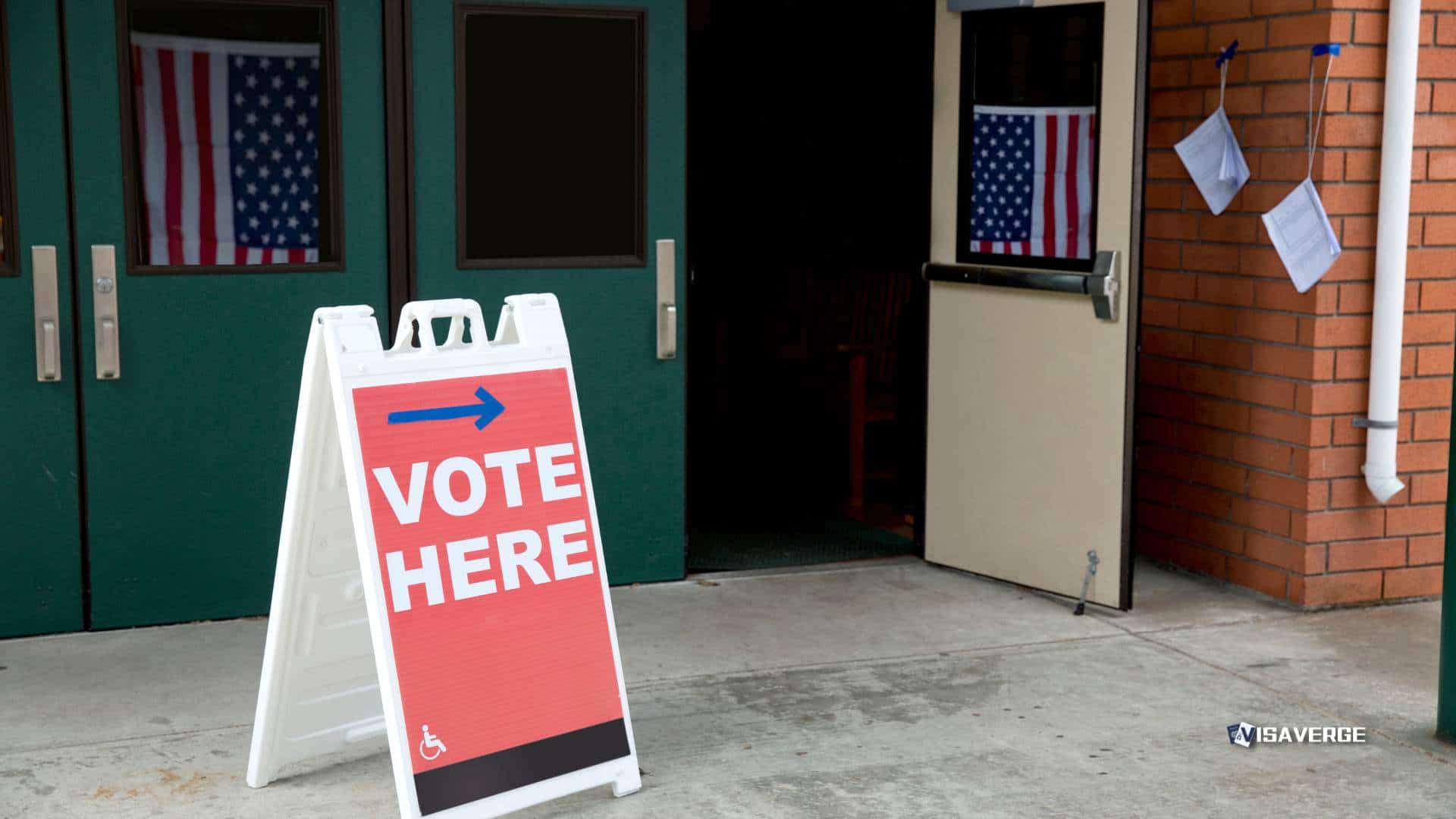
- Affected voters can still cast ballots using a special questioned-ballot process at polling locations.
- The review follows new federal mandates linking homeland security funding to citizenship verification protocols.
Alaska elections officials flagged 3,048 voters for citizenship verification before the August 18, 2026, primary election, but those voters can still cast ballots through a special-ballot process.
The Division of Elections sent letters after matching its voter records against Division of Motor Vehicles information. Recipients move to the inactive voters list, yet remain eligible to vote if they attest to their qualifications.
The review is much larger than routine maintenance. Officials typically flag about 200 names. This request covered records for approximately 15,200 applicants.
Elections Director Carol Beecher said outdated information may have entered the comparison.
| India | China | ROW | |
|---|---|---|---|
| EB-1 | Feb 01, 2023 | Aug 01, 2023 ▲31d | Current |
| EB-2 | Nov 01, 2013 | Oct 01, 2021 | Apr 01, 2025 ▲90d |
| EB-3 | Jan 22, 2014 ▲21d | Jan 22, 2022 ▲14d | Jun 15, 2024 ▲31d |
| F-1 | Jan 22, 2021 ▲366d | Jan 22, 2021 ▲366d | Jan 22, 2021 ▲366d |
| F-2A | Oct 22, 2026 ▲30d | Oct 22, 2026 ▲30d | Oct 22, 2026 ▲30d |
“We believe that when we did the match, that a lot of old data was picked up somehow. So we’re still ferreting through that.”
The state described the work as a “non-routine request.” Beecher said the process “is not disenfranchising” individuals who are otherwise eligible to vote.
Flagged voters can answer before the primary or use a fallback ballot
Recipients can confirm their citizenship by letter, phone or email. The Division of Elections does not require physical paperwork or other documentation to restore active status.
A voter who does not respond before the election can still appear at the polls. That person must use a questioned ballot, which the state will count after verifying the voter’s eligibility.
The special-ballot option also requires the voter to attest to their qualifications. The procedure keeps the voting opportunity open while officials review the record.
The notices do not establish that every flagged person lacks citizenship. They identify records requiring a response or additional review.
Steve Kirch, a DMV spokesperson, said naturalized citizens may remain flagged if they failed to update their information. A person might have received a driver’s license while listed as a noncitizen, then later become a citizen.
The earlier status can remain in the database unless the record is specifically updated. That discrepancy is one reason a data match can produce a flag even after naturalization.
Federal verification policies surround Alaska’s state-level review
Alaska’s process comes as federal agencies expand access to citizenship and immigration-status verification systems. Alaska is one of 12 states that signed a memorandum of understanding with the federal government in late 2025 to share voter-roll data for citizenship cross-referencing.
Executive Order 14399, issued March 31, 2026, carries the title “Ensuring Citizenship Verification and Integrity in Federal Elections.” It directs the Department of Homeland Security to make verification systems available to state and local election officials.
“DHS shall ensure that appropriate systems for verifying the citizenship or immigration status of individuals registering to vote. are available to state and local election officials.”
The federal developments differ in timing and function.
| Federal development | Date or scope | Effect described in the material |
|---|---|---|
| Executive Order 14399 | March 31, 2026 | Directs DHS to provide state and local election officials access to citizenship and immigration-status verification systems |
| DHS final rule on “Alien Registration Requirements” | June 29, 2026 | Prioritizes enforcement and compliance with registration duties under the Immigration and Nationality Act |
| Homeland Security Grant Program update | June 2026 | Conditions 20% of state funding on using federal systems such as SAVE to verify the citizenship of registered voters |
| USCIS SAVE program update | July 17, 2026 | States that SAVE verifies status but does not determine eligibility for a specific benefit |
The USCIS update concerns the Systematic Alien Verification for Entitlements, known as SAVE. The agency described its role this way:
“SAVE is an online service. to verify immigration status and U.S. citizenship of applicants. SAVE does not determine an applicant’s eligibility for a specific benefit. The licensing agency determines eligibility.”
That division leaves the eligibility decision with the agency using the verification result. In Alaska, election officials are managing the voter-list review and the response process.
A court ruling restricts expanded bulk searches
The federal data-sharing effort also faces a court restriction. On June 22, 2026, U.S. District Judge Sparkle Sooknanan blocked DHS from allowing states to use an expanded version of SAVE for bulk searches.
The judge cited Privacy Act concerns. The ruling limits one proposed method for conducting large-scale citizenship checks while federal agencies continue developing verification access.
DHS and FEMA also updated Homeland Security Grant Program requirements in June 2026. The change ties 20% of state funding to the use of federal systems, including SAVE, for verifying the citizenship of registered voters.
A separate DHS final rule published June 29, 2026, addresses “Alien Registration Requirements.” The rule focuses on enforcement and compliance with registration duties under the Immigration and Nationality Act, which DHS uses as a baseline for citizenship verification.
Alaska’s letters arose from a state comparison with motor-vehicle records, not from the court-blocked bulk-search expansion described in the ruling. The state remains responsible for deciding how recipients return to active status.
The August primary will provide the next deadline. Voters who remain flagged can attest to their qualifications and use the available special-ballot process, while those who do not answer the notice may receive a questioned ballot pending the state’s eligibility review.