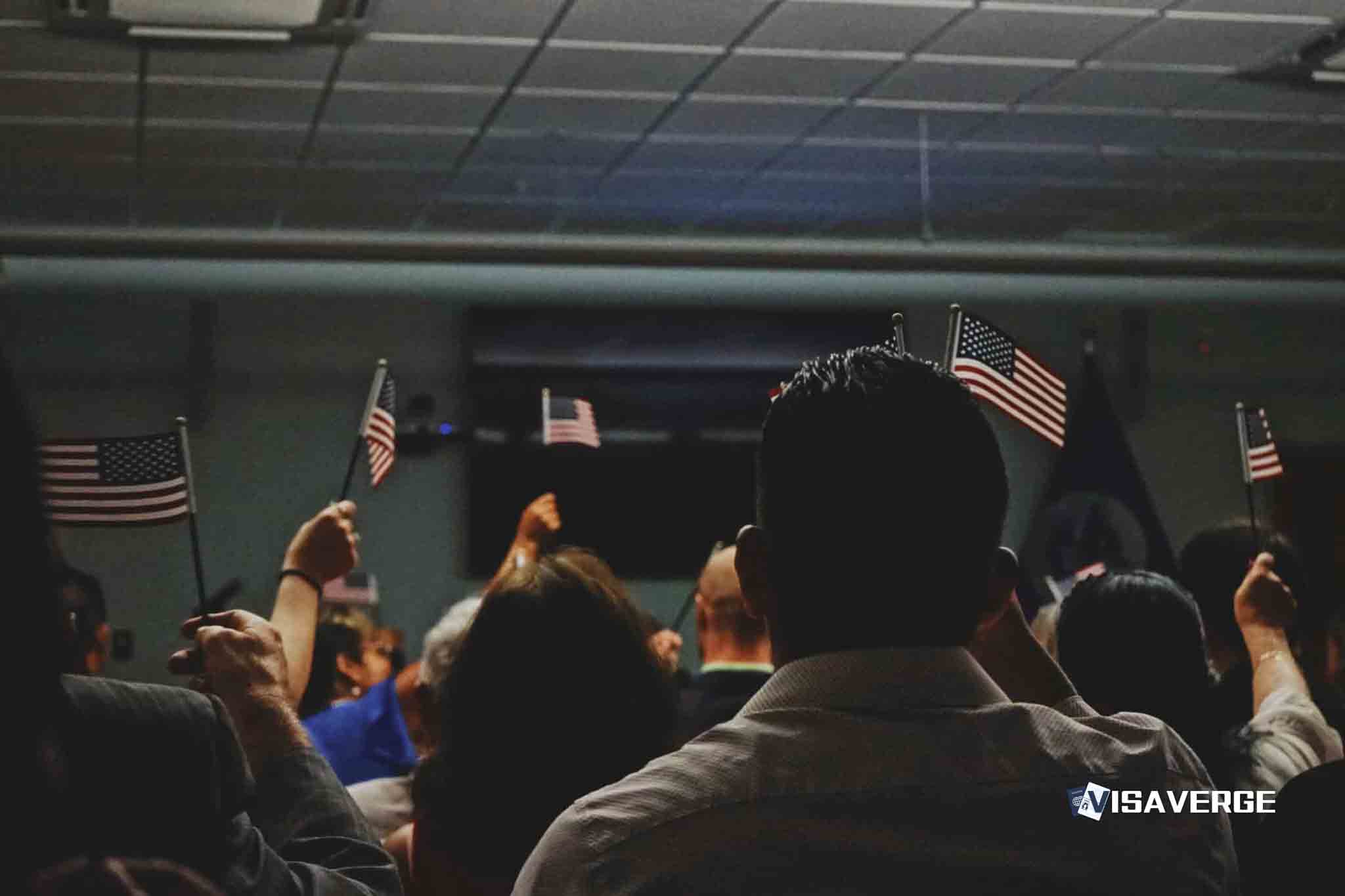
The Trump administration has moved beyond using federal databases to check voter citizenship and has directed DHS and USCIS to compile and send State Citizenship Lists to election officials before federal elections. On March 25, 2026, President Trump issued the order “Ensuring Citizenship Verification and Integrity in Federal Elections”, expanding the program to draw from SAVE, SSA records, and other federal databases.
- The order directs DHS, through USCIS and in coordination with SSA, to produce a list of confirmed U.S. citizens age 18 and older residing in each state.
- DHS must transmit the updated list no fewer than 60 days before each regularly scheduled federal election and promptly after a state request for a special federal election.
- The list must be derived from federal citizenship and naturalization records, SSA records, SAVE data, and other relevant federal databases.
- DHS must also create procedures for people to access, update, or correct their records and for states to supplement and suggest modifications to the list.
(UNITED STATES) As of August 15, 2025, President Trump’s administration has launched a powerful new citizenship data program that allows states to send voter information to a federal system to check the citizenship of registered voters. The Department of Homeland Security (DHS) is rolling out the tool nationwide after a March 2025 executive order gave states free access to federal systems to verify voter citizenship. Supporters call it a way to stop noncitizen voting. Critics warn the system could sweep in eligible voters by mistake and expose sensitive data with little public oversight.
The system is an upgrade to the USCIS Systematic Alien Verification for Entitlements (SAVE) platform. For the first time, SAVE now connects federal immigration records with Social Security Administration files so election officials can check both foreign-born naturalized citizens and U.S.-born citizens. DHS has provided limited public detail about how it works, while a private briefing reportedly went to the Election Integrity Network, a Trump-aligned group. Democratic senators asked DHS in July to slow down and explain the legal basis, pointing to federal privacy rules that require notice and public comment.
Under the new process, states and counties can submit voter roll data, including a person’s Social Security number, name, and date of birth, to the DHS system for a citizenship check. DHS says the system is designed to flag noncitizens. But because it can run identities against multiple federal databases, it can also return results for U.S.-born voters. That breadth raises risks if records are outdated, incomplete, or mismatched—issues that often hit naturalized citizens and people with name changes the hardest.
According to analysis by VisaVerge.com, the expansion of SAVE into a voter screening tool marks a sharp turn in how federal immigration data is used at the state level. The group notes that public debate is intense because errors in large databases can cascade quickly when tied to election roll decisions, even if the number of noncitizen voting cases is rare and often tied to mistakes rather than fraud.
How the program works for election offices
DHS has outlined a basic data flow for states and local officials:
- Election staff upload voter roll files with prescribed fields to the DHS portal.
- The system cross-references immigration databases and Social Security data.
- It returns a result indicating whether records suggest the person is a U.S. citizen or not.
States may then use those results to start list maintenance actions, which can include requests for more documents or removal from rolls. Officials say the new feed can streamline checks across large lists. But privacy and voting rights lawyers counter that bulk screening raises the odds of false flags.
A common scenario:
- A naturalized citizen with a hyphenated surname whose SSA record still shows a prior name can be flagged as a non-match.
- If the state then purges the person without careful follow-up, the voter could lose the chance to vote.
The risk is highest for people who recently naturalized, changed their name after marriage, or have clerical errors tied to older files.
President Trump and senior DHS leaders are promoting the rollout as part of an election-integrity push. The March order also instructed federal prosecutors to pursue cases against noncitizens who register or vote. In parallel, the administration has made alien registration enforcement a top priority under Executive Order 14159 issued January 20, 2025. Legal experts say this combination—expanded checks plus stepped-up prosecutions—will influence how states manage both voter rolls and immigration reporting duties.
Legal context, privacy risks, and human impact
Democratic senators have warned that deploying a system of this size without a formal public notice process could violate federal privacy law. They also question whether linking immigration and Social Security data for election purposes is justified, given past studies showing noncitizen voting is rare and often stems from confusion about eligibility or paperwork glitches. Civil rights groups add that errors may fall unevenly on communities with high numbers of naturalized citizens.
Key concerns raised by experts and advocates:
- Lack of public technical documentation: DHS has not released full technical details, making it hard to judge accuracy, error rates, or appeal steps.
- Ambiguity around “noncitizen” flags: Questions include how the system defines a flag and whether it recognizes upgraded statuses (e.g., a lawful permanent resident who has since naturalized).
- Potential for outdated or mismatched records: These issues disproportionately affect naturalized citizens and people with name changes.
- Insufficient audit and appeal processes: Without clear appeal routes, a single mismatch can block a valid voter on Election Day.
“Without clear appeal routes, a single mismatch can block a valid voter on Election Day.”
A typical real-life example shows the stakes. A newly naturalized nurse moves states, updates her driver’s license, and registers to vote. If SAVE pulls an older record showing she was once a permanent resident, and SSA has not yet synced her new status, the system could flag her as a likely noncitizen. Fixing that requires time, proof, and staff attention—resources that may be scarce close to an election.
At the same time, state officials who welcome the tool say they need uniform access to federal databases to check citizenship status at scale. They argue that DHS’s broader feed can reduce inconsistent local checks and limit mistaken registration by noncitizens who may not realize they are ineligible.
Another moving piece is the renewed focus on alien registration. Under Executive Order 14159, DHS has set civil and criminal penalties for noncompliance as a priority. The related steps include:
- Creating a USCIS online account,
- Submitting required biographic information electronically,
- Attending fingerprinting if requested, and
- If age 18 or older, carrying proof of registration.
For general guidance, USCIS points to its Alien Registration page: https://www.uscis.gov/alienregistration. While separate from voter list checks, this policy shift matters because federal systems drawing on updated registration and immigration records may feed into SAVE outcomes.
What’s next for states, voters, and the courts
The DHS rollout is ongoing, with a growing number of states exploring or adopting the feed. Lawsuits are likely as civil liberties groups test whether the program complies with notice rules, the Privacy Act, and voting protections. Some state election directors are also asking DHS for:
- public documentation,
- data-sharing agreements,
- error correction rules, and
- clear instructions for what to do when a SAVE result conflicts with a voter’s documents.
Practical advice for voters and local election offices
- For voters:
- Keep citizenship documents and name-change records handy, especially if you naturalized, changed your name, or recently moved.
- If your state uses the DHS feed and you receive a notice questioning your status, respond quickly and keep copies of everything you send.
- For local election offices:
- Prepare clear scripts, multilingual notices, and a defined appeal process.
- Ensure staff have training and resources to handle disputes promptly to avoid wrongful removals.
The political fight is unlikely to cool. Supporters say the citizenship data program will deter illegal voting and boost public confidence. Critics see it as part of a broader push to tighten access based on unproven claims. As more states plug in, the quality of DHS’s transparency and the fairness of the follow-up steps will determine whether this tool is seen as a safeguard—or a new source of wrongful removals.
DHS faces mounting pressure to publish technical criteria, accuracy metrics, and a robust error-correction path. Until those details are out, election offices and voters alike will be operating in partial darkness, with high stakes and little room for mistakes.
This Article in a Nutshell
DHS rolled out a SAVE-based citizenship data system August 15, 2025, letting states check voter citizenship by linking SSA and immigration records, prompting legal challenges and privacy concerns over mistaken removals and limited public documentation amid expanded alien registration enforcement.