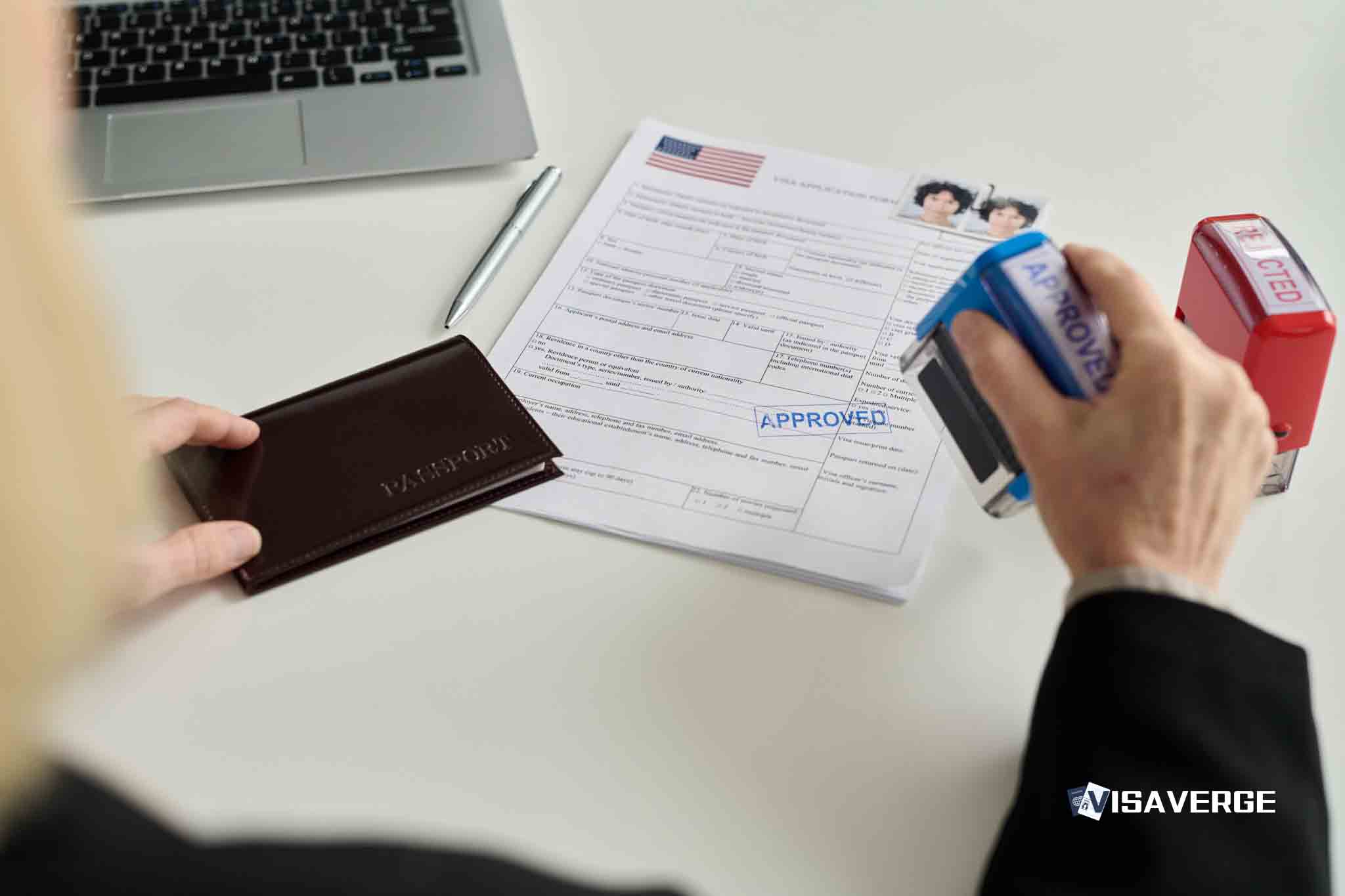
- Health insurance is not a routine visa requirement but protects against high medical costs.
- Comprehensive plans are safer for older parents than fixed-benefit policies during long visits.
- Coverage must match the full duration of the trip, from thirty up to 180 days.
Families bringing parents to the United States should buy medical coverage for the full visit, even though B1/B2 Visitor Health Insurance is generally not a routine visa or entry requirement. A single emergency can leave an uninsured visitor facing U.S. hospital, ambulance or emergency-room bills.
The immigration answer and the financial answer differ. Ordinary tourism and family visits do not usually require travel health insurance as a visa document. But the United States has some of the highest medical costs in the world, making coverage especially important for older visitors.
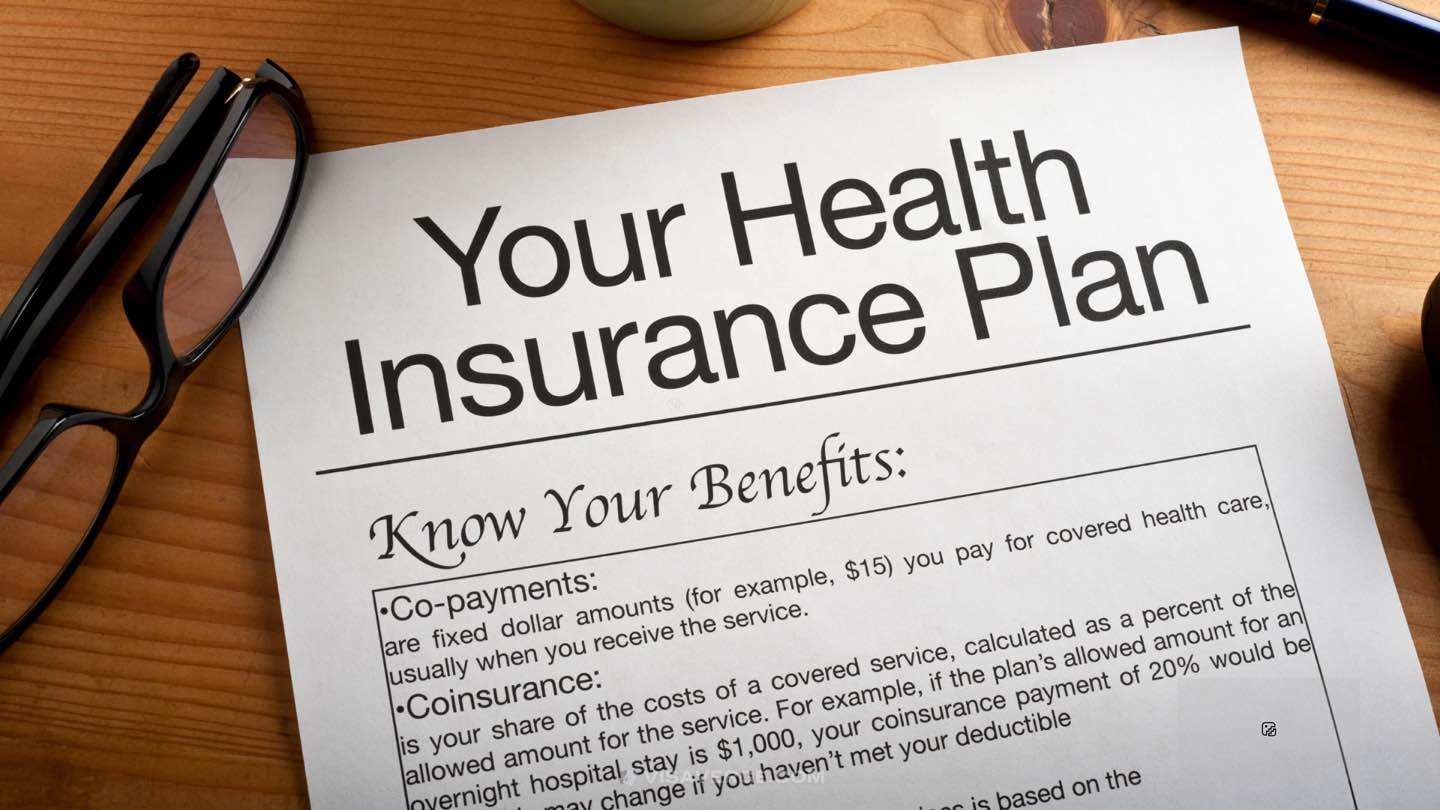
U.S. Customs and Border Protection decides whether to admit a visitor and how long that person may stay. Officers generally focus on the trip’s purpose, length, accommodation, return plans, financial support and compliance with visa rules.
Insurance is not usually the first question. The medical risk remains.
A 30-day trip can bring an unexpected fall, infection, dehydration, chest pain, breathing difficulty or blood-pressure emergency. The exposure grows during 60-day, 90-day and 180-day stays, when visitors spend more time in a different climate, diet and daily routine.
| India | China | ROW | |
|---|---|---|---|
| EB-1 | Feb 01, 2023 | Aug 01, 2023 ▲31d | Current |
| EB-2 | Nov 01, 2013 | Oct 01, 2021 | Apr 01, 2025 ▲90d |
| EB-3 | Jan 22, 2014 ▲21d | Jan 22, 2022 ▲14d | Jun 15, 2024 ▲31d |
| F-1 | Jan 22, 2021 ▲366d | Jan 22, 2021 ▲366d | Jan 22, 2021 ▲366d |
| F-2A | Oct 22, 2026 ▲30d | Oct 22, 2026 ▲30d | Oct 22, 2026 ▲30d |
Coverage should last through the entire visit
Families should match the policy period to the planned stay. A 30-day visit calls for 30 days of coverage, while a 60-day or 90-day trip should receive the corresponding protection. A planned stay of up to 180 days requires coverage for the full expected period or a policy that can be extended before it expires.
A few extra days can help if a flight is delayed or plans change. The policy should never end while the visitor remains in the country.
| Planned stay | Coverage approach |
|---|---|
| 30 days | Cover the full 30-day visit |
| 60 days | Buy 60-day coverage |
| 90 days | Buy 90-day coverage |
| Up to 180 days | Cover the expected stay or confirm extension rights before expiry |
Parents in their 50s, 60s, 70s or older can face medical problems without warning, even when they consider themselves healthy. A fall or food-related illness may require urgent care. Chest pain or a sudden blood-pressure problem may require an ambulance or hospital admission.
The useful question is not whether an officer will request insurance. It is whether the family could pay a U.S. medical bill without it.
Controlled conditions still affect the policy
Regular treatment for blood pressure, diabetes, thyroid disease or cholesterol may count as a pre-existing condition, even when the condition is stable. A parent taking blood-pressure medicine may therefore have hypertension treated as pre-existing under the policy.
That classification does not make insurance useless. It makes the wording important.
Many policies exclude routine management, regular tablets, planned checkups and ongoing treatment for an old condition. Some may cover the acute onset of a pre-existing condition, subject to exclusions and limits.
Acute onset generally describes a sudden, unexpected worsening that needs immediate care. Examples include severe symptoms, chest pain, stroke-like symptoms or a dangerous blood-pressure spike. Coverage can depend on whether the condition was stable before travel.
Age limits can reduce benefits. Policies may also restrict cardiac events, stroke-related claims or known complications. Families should read the policy wording rather than rely on a brochure summary.
Comprehensive plans offer broader protection than fixed benefits
Visitor medical policies generally fall into two categories. Comprehensive plans pay eligible expenses after the deductible and coinsurance, subject to the policy maximum, network rules and exclusions. Fixed-benefit plans pay set amounts for listed services such as a doctor visit, hospital room, surgery or emergency treatment.
Fixed benefits can cost less. They can also leave a family responsible for the difference when a hospital bill exceeds the listed payment.
A comprehensive plan is generally the safer choice for parents, particularly when the visit lasts 60, 90 or 180 days. U.S.-based visitor policies may offer provider-network access, U.S. billing coordination and PPO networks that can reduce billed costs with in-network providers.
Indian policies may cost less, but some operate mainly through reimbursement after the family pays the provider. Families should check sub-limits, co-payments, pre-existing-condition language, direct billing and claim procedures before choosing one.
The policy maximum also deserves attention. For parents in their 50s or early 60s with controlled blood pressure and no major ailments, at least USD 100,000 is generally advisable. Where affordable, USD 250,000 or higher may be better for longer trips.
Older parents, or those with diabetes, heart history, kidney disease or previous surgery, may need a higher limit and stronger acute-onset protection. The policy should address emergency-room treatment, hospitalization, doctor visits, urgent care, prescription drugs, ambulance services, emergency medical evacuation and repatriation of remains.
A deductible of USD 250, USD 500 or USD 1,000 may suit different budgets. A higher deductible can lower the premium, but families should choose an amount they could pay during a claim. An excessively high deductible can weaken protection against moderate medical events.
Two parents with blood pressure medication need different scrutiny
A 62-year-old parent taking blood-pressure medicine should have a comprehensive policy with acute-onset pre-existing-condition coverage, a practical deductible, strong emergency benefits and a hospital network that works in the United States. The family should review age limits and cardiac, stroke and hypertension restrictions.
A 52-year-old parent may face lower age-related risk, but U.S. medical bills can still make coverage worthwhile. Both parents should carry enough regular medicine for the full trip, along with prescriptions, a doctor’s note and a medication list.
Insurance protects against emergencies. It does not replace routine blood-pressure care, and visitor policies usually do not cover regular medicine brought from home.
CBP may ask about money, not routinely about insurance
During an ordinary family visit, officers may ask who the visitor is meeting, where the visitor will stay, how long the trip will last, how it will be funded and when the visitor plans to return. They may also ask about prior U.S. travel and whether the visitor intends to work.
Officers do not routinely require every family visitor to show an insurance policy. They can ask about the ability to pay expenses, including medical expenses, when the circumstances raise concern.
Medical insurance becomes more relevant when the stated purpose is treatment, when pregnancy-related travel is involved, when a serious illness is visible or when the visitor gives unclear answers about financial support. A person traveling mainly for treatment should carry a diagnosis, U.S. doctor or hospital arrangements, estimated costs and proof of payment arrangements.
A policy does not change the limits of a B1/B2 visa. Visitors cannot work, live permanently in the United States, use repeated long stays as residence or remain beyond the authorized I-94 period.
Many visitors may receive admission for up to six months, but a 180-day stay is not automatically appropriate. A pattern that resembles residence can create questions during later visits. Long stays also increase medical exposure and require stronger coverage, medication planning and a clear return plan.
Keep insurance and medicine in hand luggage
Parents should carry their documents rather than place them in checked baggage. The airport folder should include:
- Passport and valid B1/B2 visa
- Return ticket and U.S. address
- Invitation or family contact details
- Trip plan and proof of funds or family support
- Insurance confirmation and emergency contacts
- Prescription medicines, a doctor’s prescription and a medicine list
- A basic medical summary for an older visitor or anyone taking long-term medication
If asked about coverage, visitors should answer briefly and truthfully. A family visitor might explain that the trip involves visiting a child and tourism, last about 60 days, and includes medical insurance and sufficient funds or family support.
Visitors should not describe a trip as medical treatment unless that is its real purpose. They also should not conceal treatment plans when treatment is the actual reason for travel.
Before departure, families should confirm the policy maximum, deductible, coinsurance, PPO network, emergency-room and hospital benefits, ambulance coverage, urgent-care access, prescription terms, evacuation, repatriation, age limits, renewal rules, refund provisions, claim procedures and direct-billing options.
The cheapest policy may not provide usable protection during a U.S. hospital claim. Families extending a visit should arrange the extension before the existing policy expires, because some plans permit extensions and others do not.
A healthy couple aged 52 and 57 visiting for 30 days may need only a moderate comprehensive policy, but they still face the cost of a sudden emergency. A 62-year-old with controlled blood pressure needs closer review of acute-onset, cardiac and stroke provisions. Parents staying nearly six months need full-period coverage, higher limits and enough medicine for the trip.
The strongest plan is not the one bought merely to show at the airport. It is the one that remains active when an older visitor needs urgent care, hospitalization or evacuation.