- Former FBI informant Blerim Skoro faces immediate deportation after being taken into ICE custody in New Jersey.
- Skoro’s intelligence secured major terrorism convictions, including the Lackawanna Six and networks linked to Al-Shabaab.
- Attorneys filed an emergency motion challenging the zero-tolerance policy that targets former assets with past criminal records.
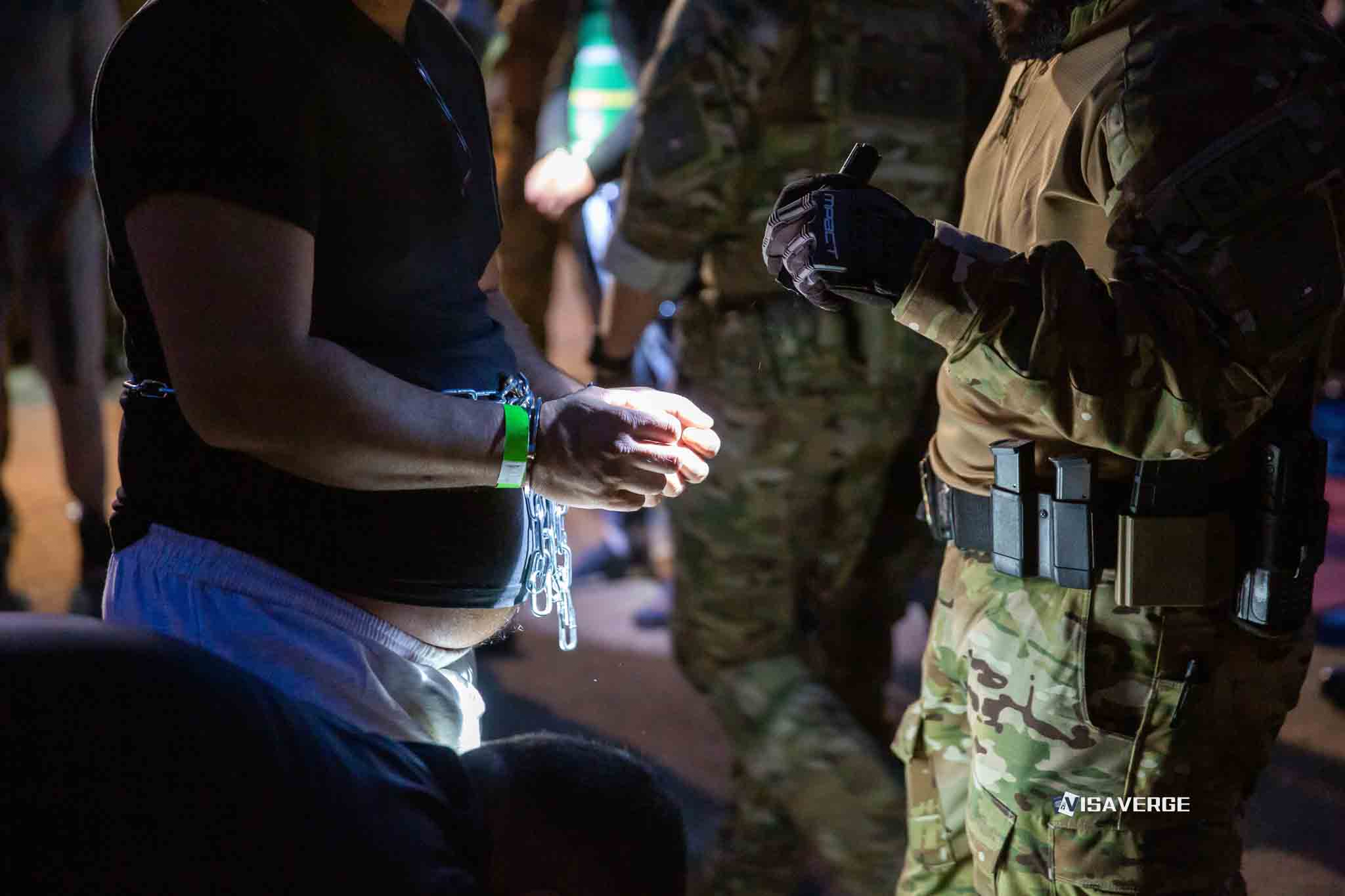
Blerim Skoro, a 55-year-old former FBI and CIA informant, is in ICE custody awaiting removal after agents arrested him outside an immigration office in Elizabeth, New Jersey. Skoro had gone there to renew his paperwork.
Agents took him into custody on August 3, 2026. He is being held at the Elizabeth Detention Center while his lawyers challenge the government’s effort to deport him.
Free toolUSCIS Receipt Number Decoder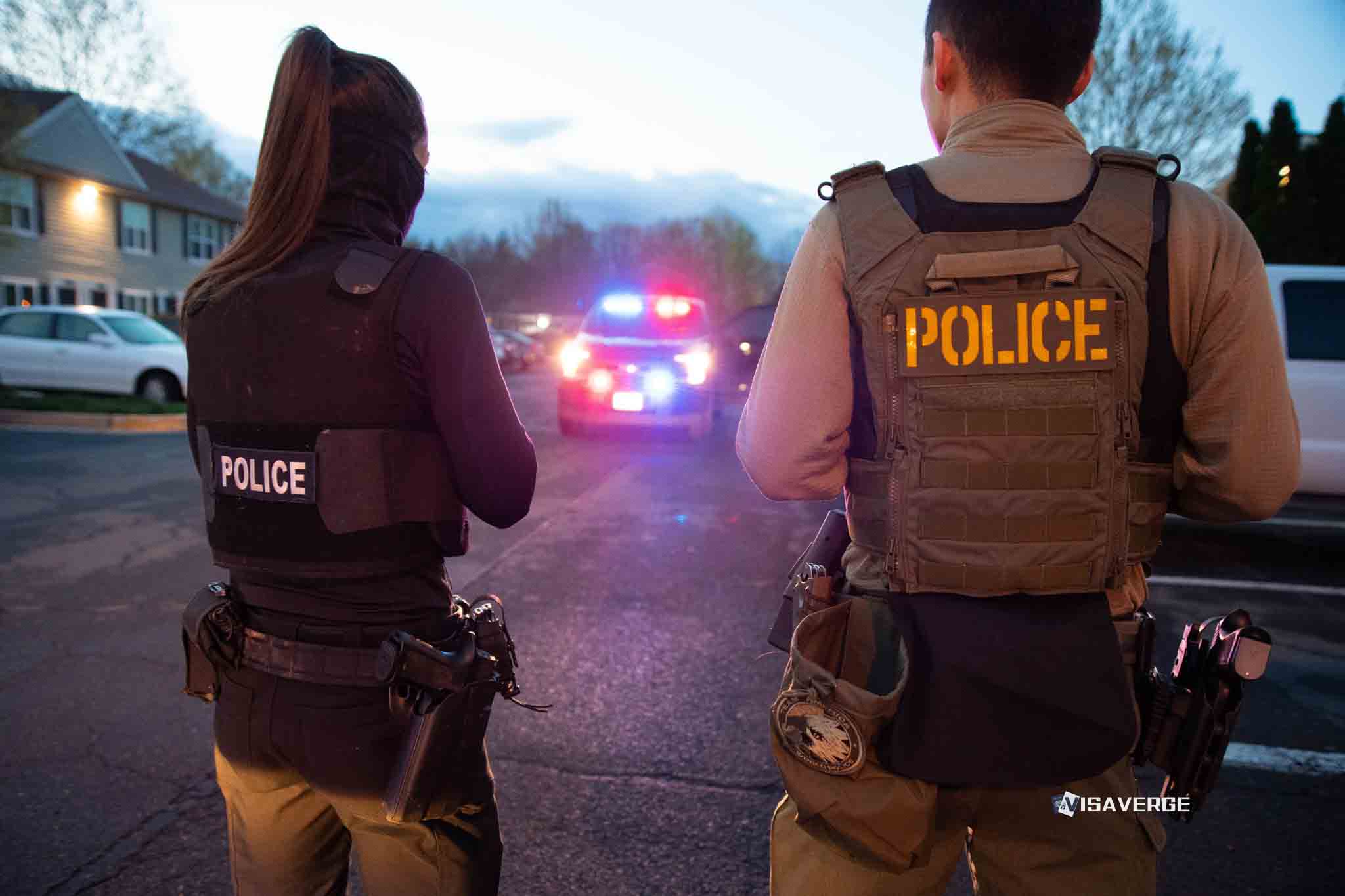
The case has placed a former national security informant inside the administration’s Make America Safe Again enforcement campaign. DHS has described the New Jersey operation as part of a broader effort targeting people it calls criminal illegal aliens.
Skoro’s legal team filed an emergency motion in federal court to stop his removal. The lawyers argue that the government is “betraying” an operative who risked his life for the United States.
“I never thought they were going to betray me like this. if I die, I should die in this country so my kids can bury me.”
Skoro said that from detention.
His intelligence helped prosecutors reach terrorism convictions
Skoro was born in Kosovo and has three children. He worked as a Staten Island cab driver before becoming an FBI confidential informant in 2002.
At the time, he was serving a sentence tied to a 2000 heroin trafficking conviction. His criminal record later became part of the basis for his immigration case, even as his cooperation brought intelligence to federal investigators.
FBI records and legal filings describe the information as “actionable” and “reliable.” The intelligence helped convict members of the “Lackawanna Six,” identified as the first U.S. homegrown terror sleeper cell, along with people linked to the Virginia jihad network, Al-Shabaab and Hezbollah.
The government granted Skoro a deferral of removal in 2022. That protection followed findings about the danger he could face if returned to Kosovo, including a high risk of torture or execution by terrorist groups.
That protection now sits at the center of the emergency court motion. His lawyers contend that the government should account for the work he performed on its behalf before sending him back.
The case arrives during a much larger enforcement expansion
The move against Skoro comes as immigration enforcement operations have expanded sharply in 2026.
| Enforcement measure | 2026 figure or change |
|---|---|
| ICE enforcement flights in March 2026 | 1,794, up 122% over the previous year |
| Daily immigration detention population in early 2026 | More than 73,400 people |
| Enforcement model | Shift from “priority-based” enforcement to “zero-tolerance” |
Under the model described in the research, any prior criminal conviction can support immediate removal. That includes convictions from decades earlier, including those that formed part of the circumstances surrounding informant recruitment.
The policy shift raises the question of whether former national security assets will continue receiving consideration for their cooperation. The case is now testing that question through Skoro’s detention and his federal court filing.
DHS links the operation to its criminal-enforcement message
DHS Secretary Markwayne Mullin said August 13 that agents had deported people convicted of a range of violent offenses.
“Every day, the brave men and women of ICE are arresting and deporting illegal aliens from our country. In the last week, we've deported killers, drunk drivers, rapists, and violent assailants. Thanks to President Trump's leadership, we are making America safe again.”
Mullin issued a separate statement August 18 about the termination of protected statuses. He said people whose status had expired faced a choice between leaving and swift removal.
“Temporary Protected Status is just that—temporary. Individuals whose status has expired are now in the country illegally. They have two choices: leave immediately or be swiftly deported.”
Acting DHS Assistant Secretary Lauren Bis described the same enforcement posture August 17. She said agents had worked through the weekend to arrest people convicted of murder, child sexual abuse and assault.
On August 20, a DHS spokesperson said officers had “arrested 11 illegal aliens during routine immigration enforcement actions” in New Jersey. The statement added that several had “felony offenses.”
The department has not issued a press release naming Skoro individually. It has categorized his arrest within the broader crackdown described by DHS officials.
Skoro’s court motion seeks to halt the process while his protection history and cooperation remain at issue. His 2022 deferral rests on the danger identified in Kosovo, while the government’s current enforcement approach emphasizes his past conviction.
This article provides general information and is not legal advice. Consult a qualified immigration attorney about your specific case.