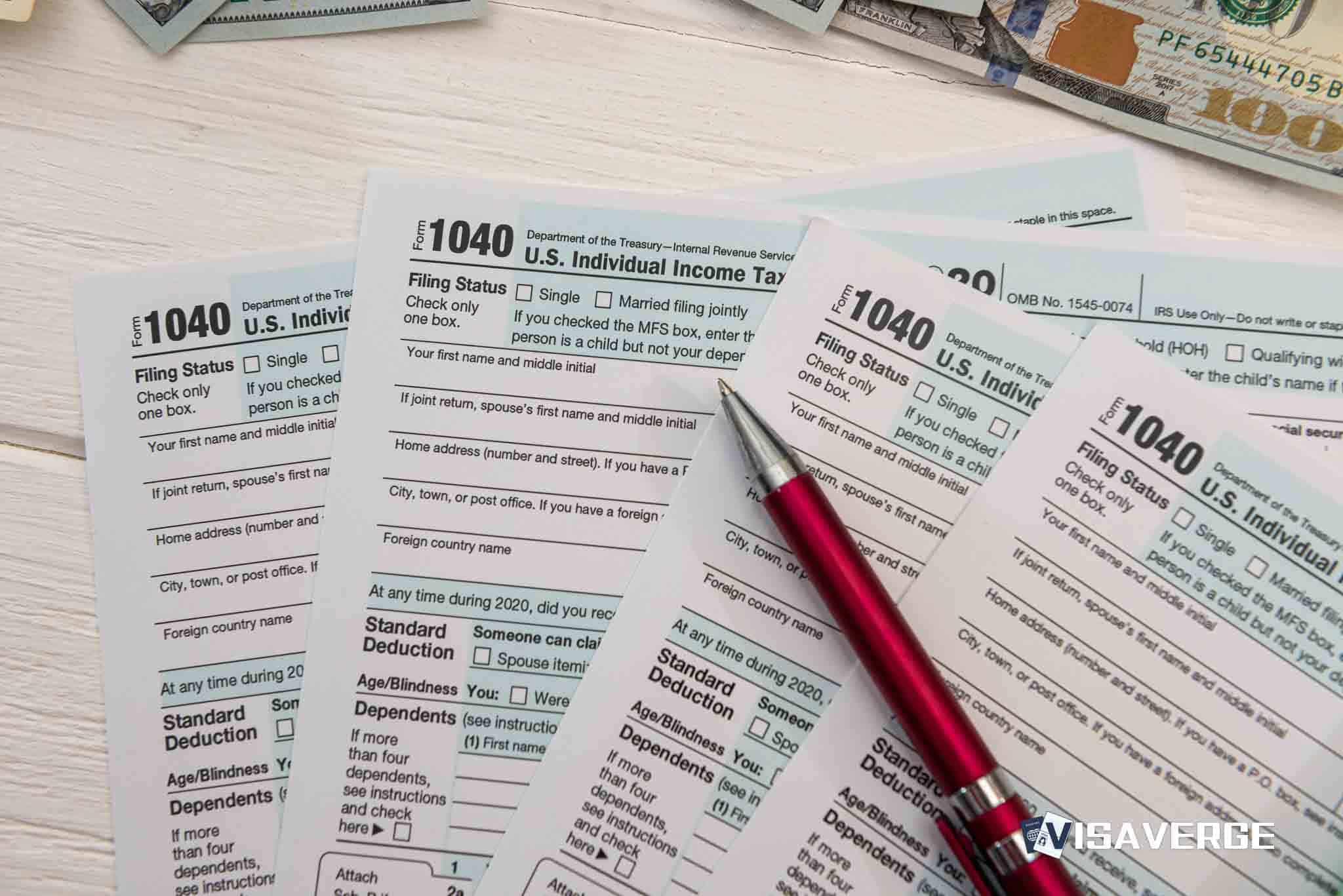
- The I-R-S has missed two scheduled releases of data on the twenty twenty-five tax law.
- The agency says it is awaiting Treasury approval to publish figures on deductions for overtime wages and tipped income.
- A typical mid-July dataset covers ninety-five percent of taxpayers, but extensions can leave higher-income returns out.
The IRS has not published two scheduled releases of data on the 2025 tax law, including figures on deductions for overtime wages and tipped income. Neither release has appeared.
The first detailed dataset was due in July 2026 and was to cover returns filed through May. A second release, covering returns through July, was scheduled for September 17, 2026; the IRS lists the initial dataset as “pending.”
Free toolSubstantial Presence Test Calculator
The agency says it is waiting for approval from the Treasury Department. The figures would offer the first detailed view of how taxpayers are using provisions in the One Big Beautiful Bill Act, the 2025 Republican tax legislation.
The data is expected to break out tax-benefit use by income group, reported income and taxes paid. It would also show how many taxpayers owed money when they filed.
Barry Johnson, a former senior IRS official, said Treasury approval should not control when the agency publishes its statistics. He pointed to a law signed during President Donald Trump’s first term that gives statistical agencies greater authority over publication decisions.
“by law, the IRS determines what they release and when it gets released.”
The administration has promoted the law, also branded “Working Families Tax Cuts,” ahead of the 2026 midterm elections. It said its priority was releasing “accurate and reliable data” after major changes to the tax code.
Extensions leave higher-income returns out of the early picture
For tax year 2025, returns are being filed in 2026. The delayed releases would capture returns filed by particular dates, not a complete accounting of all taxpayers’ activity for the year.
Taxpayers who requested extensions generally have until October 15, 2026, to submit their returns. Those filers tend to have higher incomes, so early statistics may understate income, deductions and taxes among wealthier taxpayers.
The IRS says a typical mid-July dataset covers most, but not all, of the tax information it later receives:
| Measure in a typical mid-July dataset | Share covered |
|---|---|
| Taxpayers | 95% |
| Reported income | 87% |
| Taxes paid | 82% |
The gaps across those measures mean early data can provide a partial snapshot of who used the law’s tax provisions, rather than a final count. The returns filed after the initial reporting window may change the picture, particularly for higher-income filers.
The IRS has also withheld its latest tax-gap estimate
Separately, the IRS has not released its periodic estimate of legally owed taxes that go uncollected. Its most recent projection, issued in October 2024, put unpaid taxes for 2022 at approximately $700 billion. The agency estimated about $90 billion would eventually be collected.