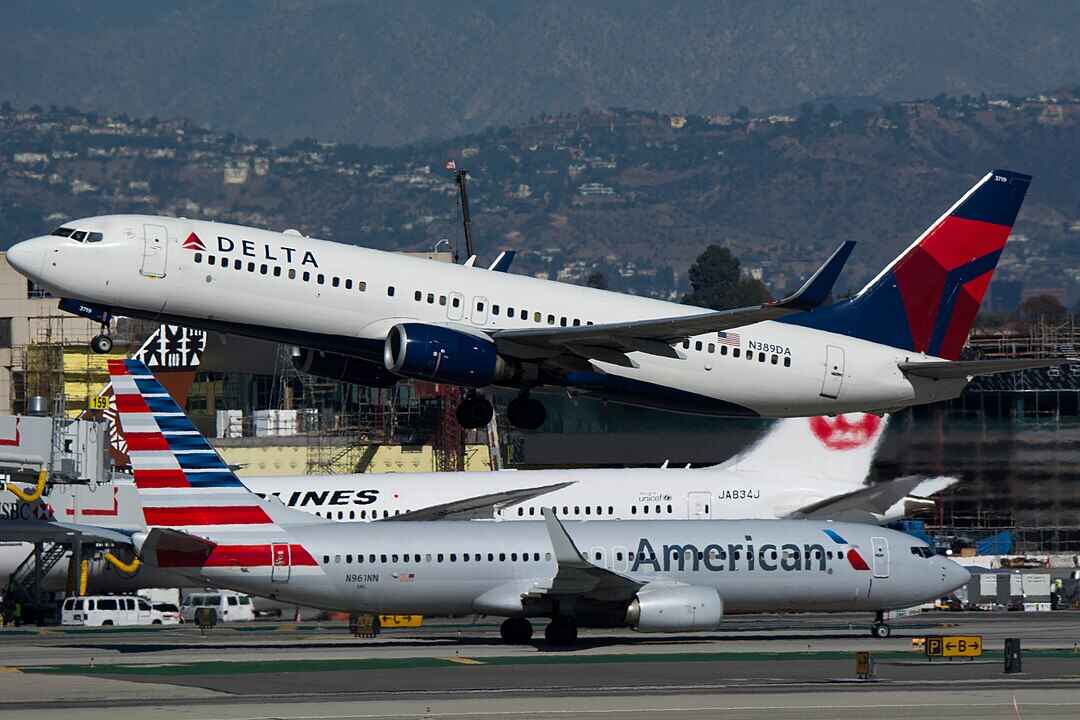
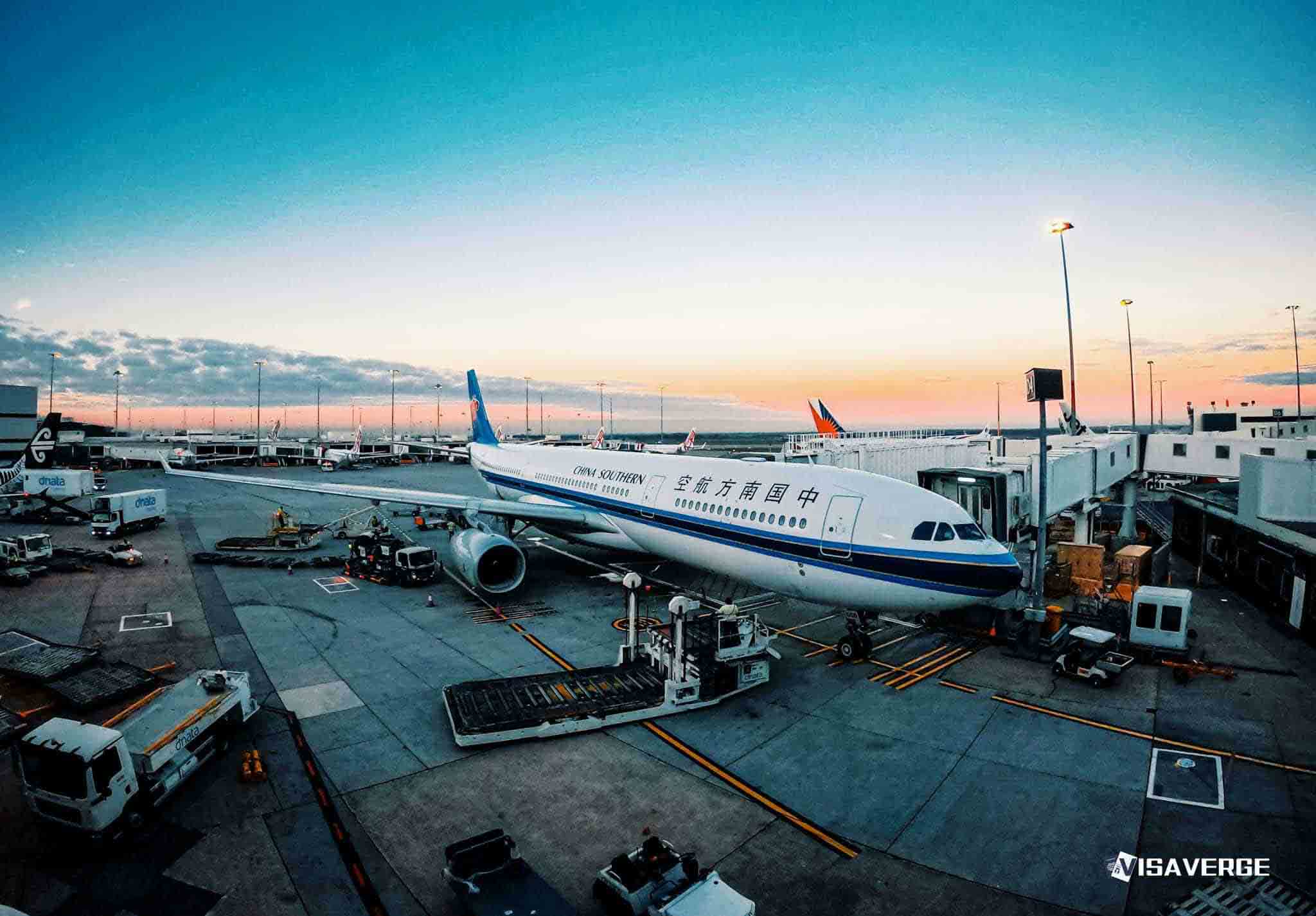
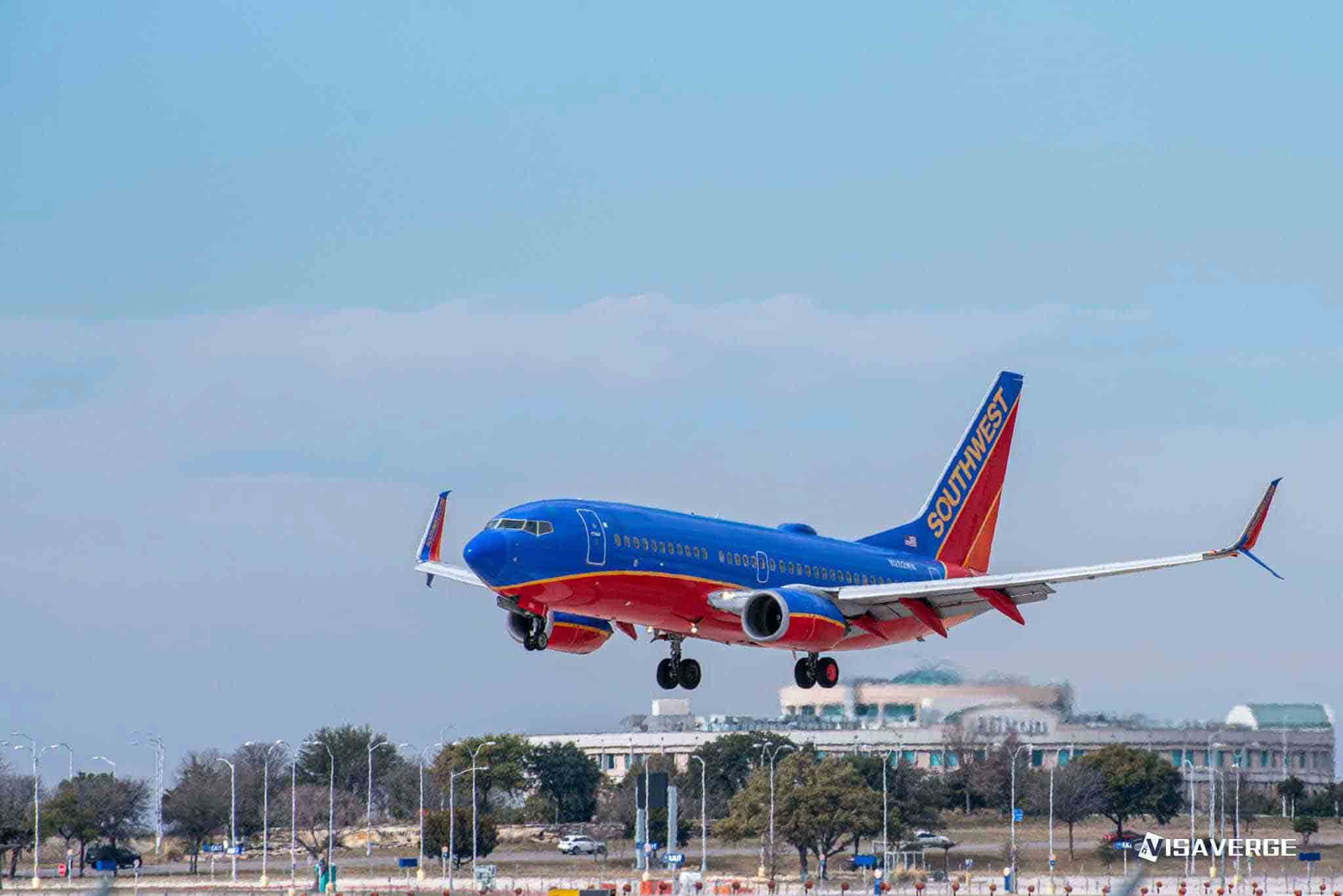
(LOS ANGELES, CALIFORNIA) An American Airlines flight bound for Boston aborted its takeoff at Los Angeles International Airport after a runway incursion involving a cargo jet late Sunday, September 28, 2025. The incident occurred at approximately 10:35 PM local time on Runway 25R at LAX, when an AeroLogic Boeing 777 arriving from Shanghai crossed the active runway without authorization, according to the Federal Aviation Administration.
Controllers ordered the American Airlines Airbus A321 to cancel its departure mid-roll, and the crew executed a high-speed rejected takeoff. The FAA confirmed the AeroLogic crew crossed Runway 25R without clearance, creating a potentially dangerous situation that required immediate action. Despite the seriousness of a runway incursion, the two aircraft remained separated by about 5,200 feet, and there were no injuries.
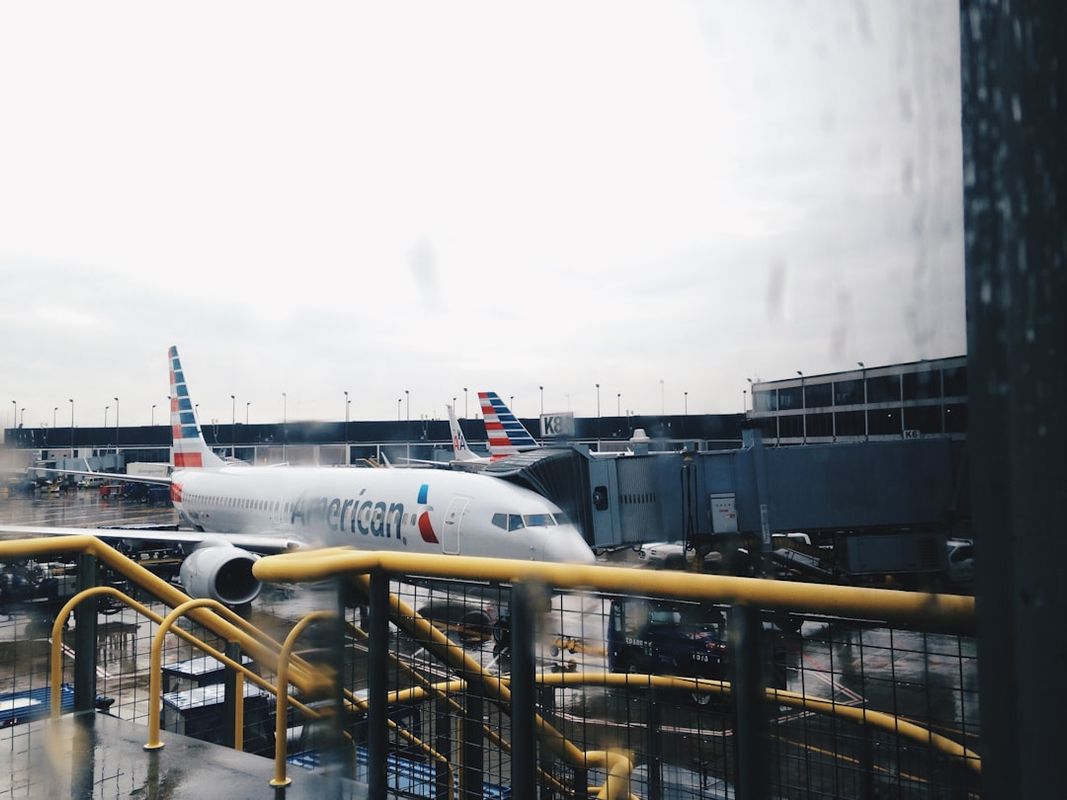
The American Airlines flight carried 94 passengers and seven crew members, all of whom remained safe following the abrupt stop. The airline said the aircraft later departed and completed its scheduled flight to Boston the same evening.
Free toolB1/B2 Tourist Visa Stay Calculator onlineWhat happened on Runway 25R
The sequence unfolded quickly. The American Airlines jet had already begun its takeoff roll when air traffic control issued an urgent instruction to cancel the departure.
The order came as the AeroLogic 777, operating as flight 619 from Shanghai to Los Angeles, crossed the same runway without the necessary clearance. That crossing triggered the runway incursion, a term used when an aircraft, vehicle, or person enters a protected runway area without authorization.
In this case, timing and decisive action by both the flight crew and controllers prevented the situation from escalating. Runway 25R is one of LAX’s primary departure surfaces, and late-evening traffic often includes a mix of long-haul international arrivals and domestic departures.
The FAA’s confirmation that the crossing was unauthorized underscores how a single misstep can put aircraft on intersecting paths, even when other safety layers are working as designed. While the distance between the two aircraft never narrowed to an immediate collision risk, controllers treated the event with the seriousness it warranted, prioritizing safety and ordering the takeoff cancellation the moment a hazard was identified.
Passengers aboard the American Airlines flight experienced a sudden deceleration typical of a high-speed rejected takeoff, a maneuver pilots train for repeatedly. The airline said the crew followed procedures, and after checks and coordination with maintenance and operations, the same aircraft was able to depart later. That outcome points to both the robustness of the aircraft and the effectiveness of established protocols in responding to runway conflicts.
Safety response and training
A high-speed rejected takeoff is one of the most demanding tasks a flight crew may perform. It requires:
- Fast decision-making
- Precise braking
- Strict adherence to checklists
These actions help avoid runway overruns, tire damage, or other hazards. In Sunday’s case, the execution without injuries or reported equipment issues shows how training and procedure can contain risk even after a runway incursion has developed.
The incident also highlights the essential role of air traffic controllers, who must spot conflicts in real time and issue clear, unambiguous instructions. American Airlines acknowledged the event and emphasized that all passengers and crew were safe.
The airline’s ability to dispatch the same jet later that evening suggests inspections and operational reviews did not find damage or lingering safety concerns. Still, an incursion at a major airport like LAX often prompts follow-up reviews, including analysis of:
- Communications and readbacks
- Runway markings and signage
- Taxi procedures and routing
- Surface surveillance data
The FAA’s broader runway safety program stresses standardized phraseology, clear taxi routes, and vigilant monitoring of ground movements. The agency hosts resources that explain the definition of runway incursions, typical causal factors, and prevention strategies. For public reference, the FAA maintains detailed guidance on its runway safety initiatives, available via FAA Runway Safety.
While Sunday’s event ended safely, it fits a pattern that has gained attention in recent years and remains a focus for regulators and airports.
Why this matters for travelers
Runway incursions rarely make headlines unless they cause disruption, but they sit at the heart of airport safety. The LAX event reminds travelers that multiple safeguards—controller oversight, cockpit training, runway lighting and marking, and standardized procedures—work together to protect the flying public.
Even when a flight must stop suddenly, those layers are designed to prevent an error from turning into a tragedy. According to industry coverage, including VisaVerge.com, continued scrutiny of runway operations reflects a system that treats near-miss events as learning opportunities to improve training and procedures across the board.
Practical implications for passengers:
- Usually the impact is minimal beyond delays and post-event aircraft checks.
- Passengers may experience strong braking and hear engines spool down quickly.
- Cabin crews are trained to communicate clearly after such events and update travelers once safety checks are complete.
The broader context from transportation authorities is clear: runway incursions have drawn significant attention in recent years, prompting both the Department of Transportation and the FAA to advance new initiatives aimed at reducing such events. These efforts rely heavily on precise, consistent communication. Misheard or misunderstood clearances can set the stage for an incursion, especially at night or in complex airfield layouts.
Technology helps, but human factors—fatigue, workload, and expectation—remain central to prevention.
Lessons and follow-up actions
Sunday’s incident at LAX underscores several practical points:
- Controller vigilance and immediate instructions to cancel the takeoff broke the chain of risk.
- The American Airlines crew’s rapid, disciplined response contained the situation and kept passengers safe.
- The separation of about 5,200 feet provided physical space to manage the conflict.
For AeroLogic, which had just completed a long-haul arrival from Shanghai, standard post-incident reviews typically look at:
- Timing of taxi instructions
- Accuracy of readbacks
- Signage and pavement markings along taxi routes
For airports like LAX, known for dense traffic and mixed operations, incidents like this add urgency to ongoing work on signage, surface surveillance, and controller staffing to maintain safe margins during late-night peaks.
Travelers often judge airlines and airports by how they act when plans go wrong. In this case, American Airlines reported that the same aircraft departed later to complete its Boston flight, indicating the disruption—while alarming—was contained. It also demonstrates the priority given to safety over schedule.
Each runway incursion, whether minor or more serious, becomes a learning opportunity. Sunday night’s swift, coordinated response kept everyone safe, which is the outcome the system is built to deliver.
This Article in a Nutshell
Late on September 28, 2025, at LAX, an AeroLogic Boeing 777 arriving from Shanghai crossed Runway 25R without clearance, prompting air traffic control to order an American Airlines A321 to abort its takeoff at about 10:35 PM. The crew executed a high-speed rejected takeoff; the two aircraft remained separated by roughly 5,200 feet and there were no injuries among the 94 passengers and seven crew. The A321 underwent checks and departed later that evening to Boston. The FAA confirmed the unauthorized crossing and said follow-up reviews typically examine communications, taxi routing, signage, and surface surveillance as part of runway safety initiatives.