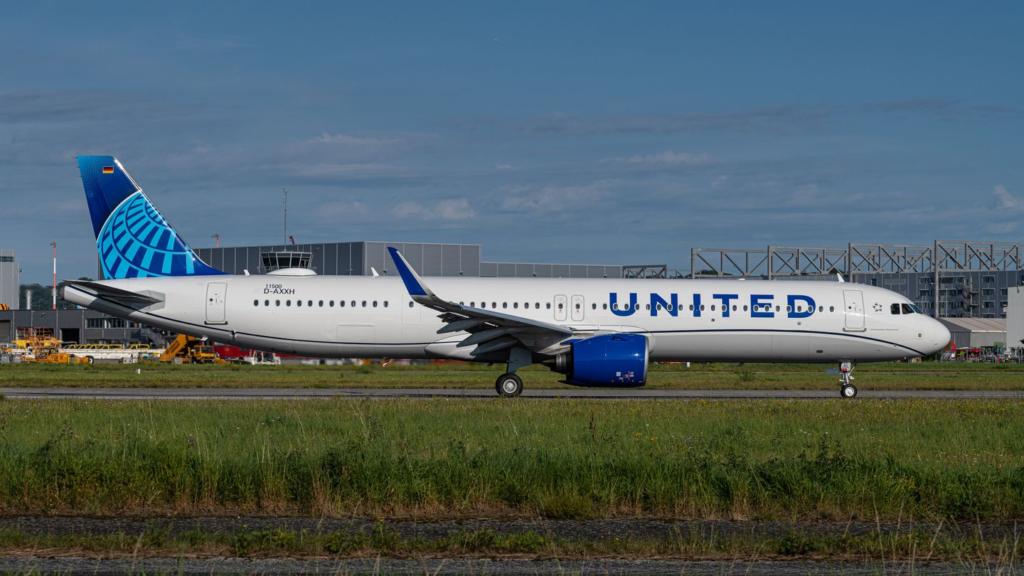
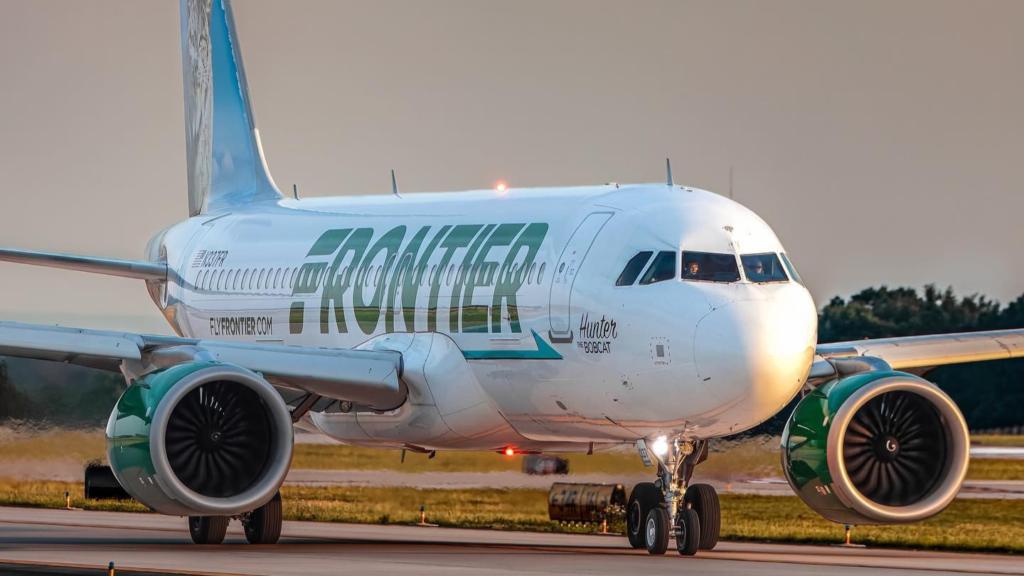
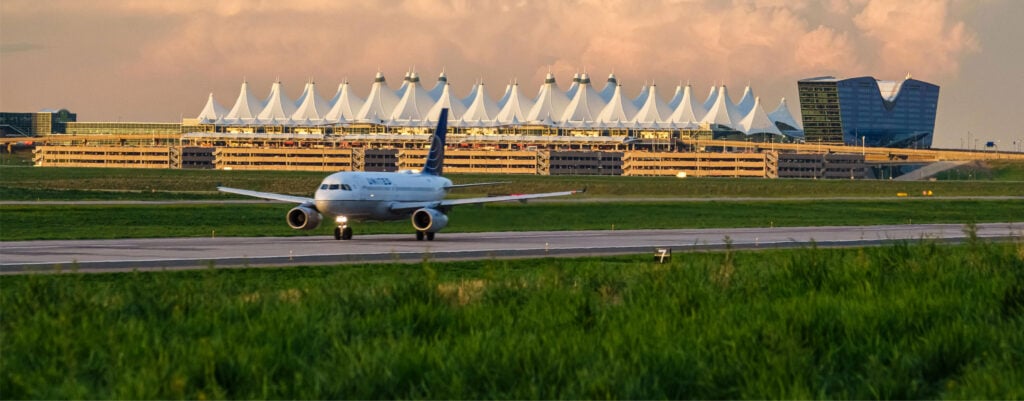
- Frontier Airlines aborted takeoff at Denver International Airport after striking a trespasser on runway 17L.
- The aircraft carried 224 passengers and 7 crew members; 12 reported minor injuries and 5 were hospitalized.
- Investigators say the trespasser scaled a 12-foot fence and reached the runway within 2 minutes.
(DENVER, COLORADO) – Frontier Airlines pilots aborted a takeoff at Denver International Airport on May 9, 2026, after the aircraft struck and killed a trespasser on runway 17L and the impact triggered an engine fire.
The plane was carrying 224 passengers and 7 crew members. All were evacuated after the aborted takeoff, and 12 people reported minor injuries, with 5 transported to hospitals.
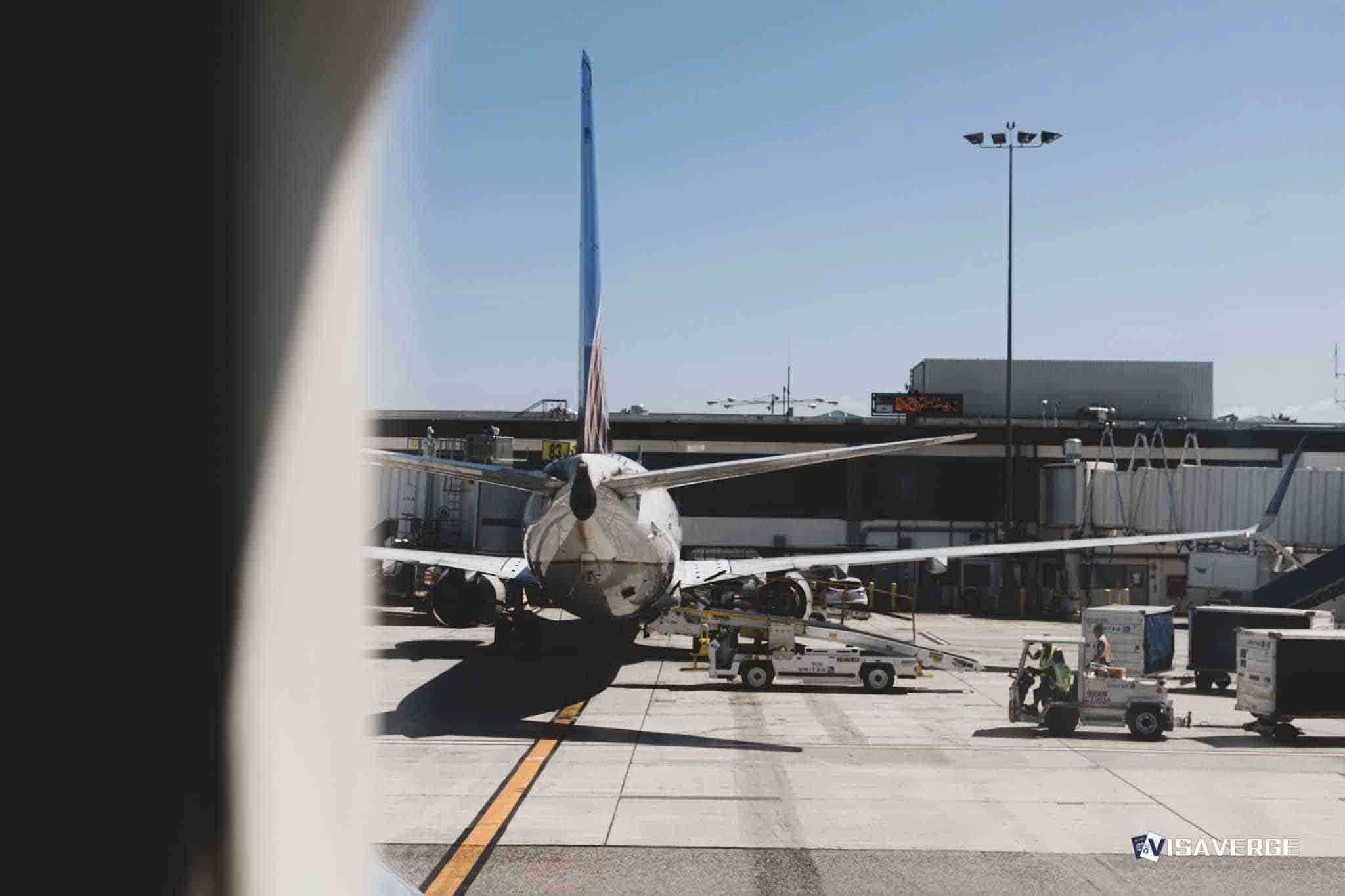
Federal and local authorities opened parallel investigations into the incident, which unfolded on one of the airport’s operating runways after the trespasser breached the perimeter and ran into the airfield. The Federal Aviation Administration, National Transportation Safety Board and Denver police are examining what allowed the person to reach the runway, how the collision led to the engine fire, and what contributed to the injuries during the evacuation.
Denver International Airport said the trespasser got onto airport property by scaling a 12-foot fence topped with razor wire on the far eastern edge of the airport. Airport security detected the breach, but the individual reached the runway within 2 minutes.
That sequence has placed the airport’s perimeter defenses at the center of the inquiry. DIA handles perimeter security under FAA and Transportation Security Administration regulations, and airport operations staff conduct routine patrols to check for fence breaches.
Greg Feith, an aviation safety expert, said investigators will examine how the trespasser accessed the runway, whether the fence showed damage, how airport security protocols functioned that day, and what the trespasser intended to do. He said perimeter breaches are rare but not unprecedented at Part 139 airports like Denver International Airport, where the fence serves as a barrier between the public and active operational areas.
Part 139 is the federal certification category that covers airports such as DIA, and the incident is likely to draw close scrutiny of whether required safeguards worked as intended before the plane accelerated for departure. Investigators will also review the runway incursion itself, the engine fire sparked by the impact, and the chain of events that led passengers and crew off the aircraft.
Denver police joined the federal agencies because the case began as a fatal intrusion onto airport property and then became an airfield emergency. NTSB investigators typically focus on the accident sequence and aircraft response, while the FAA examines operational and regulatory issues tied to runway safety and airport compliance.
By May 11, 2026, authorities had not released the trespasser’s identity or motive. DIA said the person was not an airport employee.
That detail narrows one part of the investigation but leaves the central questions unresolved. Investigators still must determine whether the person exploited a vulnerability in the fence line, whether security personnel had any realistic chance to stop the run across the airfield after detecting the breach, and how the event unfolded so quickly on an active runway.
Frontier Airlines, one of the busiest carriers at Denver International Airport, now sits at the intersection of those overlapping reviews because its crew had to make split-second decisions once the aircraft hit the trespasser. The pilots aborted takeoff after the impact and fire, a move that shifted the emergency from a runway departure to a rapid evacuation.
Passenger injuries remained classified as minor, but investigators are still reviewing the factors behind them. That includes the conditions inside and around the plane after the fire started, as well as the mechanics of moving 224 passengers and 7 crew members off the aircraft during a runway emergency.
Airports are designed around layers of access control, and the fence line is one of the first. Feith said the perimeter matters because it keeps unauthorized people out of operational areas where aircraft move at high speed and pilots have little time to react.
Runway 17L is now part of a case that reaches beyond a single breach on the airport’s far eastern edge. Investigators are examining whether the airport’s patrols, physical barriers and response measures met the demands of a fast-moving intrusion that ended in a fatal collision and an onboard fire.
The incident is also likely to sharpen attention on how airports balance vast property lines with constant aircraft movement. At a field as large and busy as Denver International Airport, even a breach detected within 2 minutes was enough for a trespasser to reach an active runway before anyone could stop him.