- The 287(g) program reached record growth in 2026 with 456 active agreements across 38 states.
- Local police agencies delegate immigration enforcement powers under federal ICE supervision and training protocols.
- Three distinct models allow officers to screen inmates or arrest individuals during routine patrol operations.
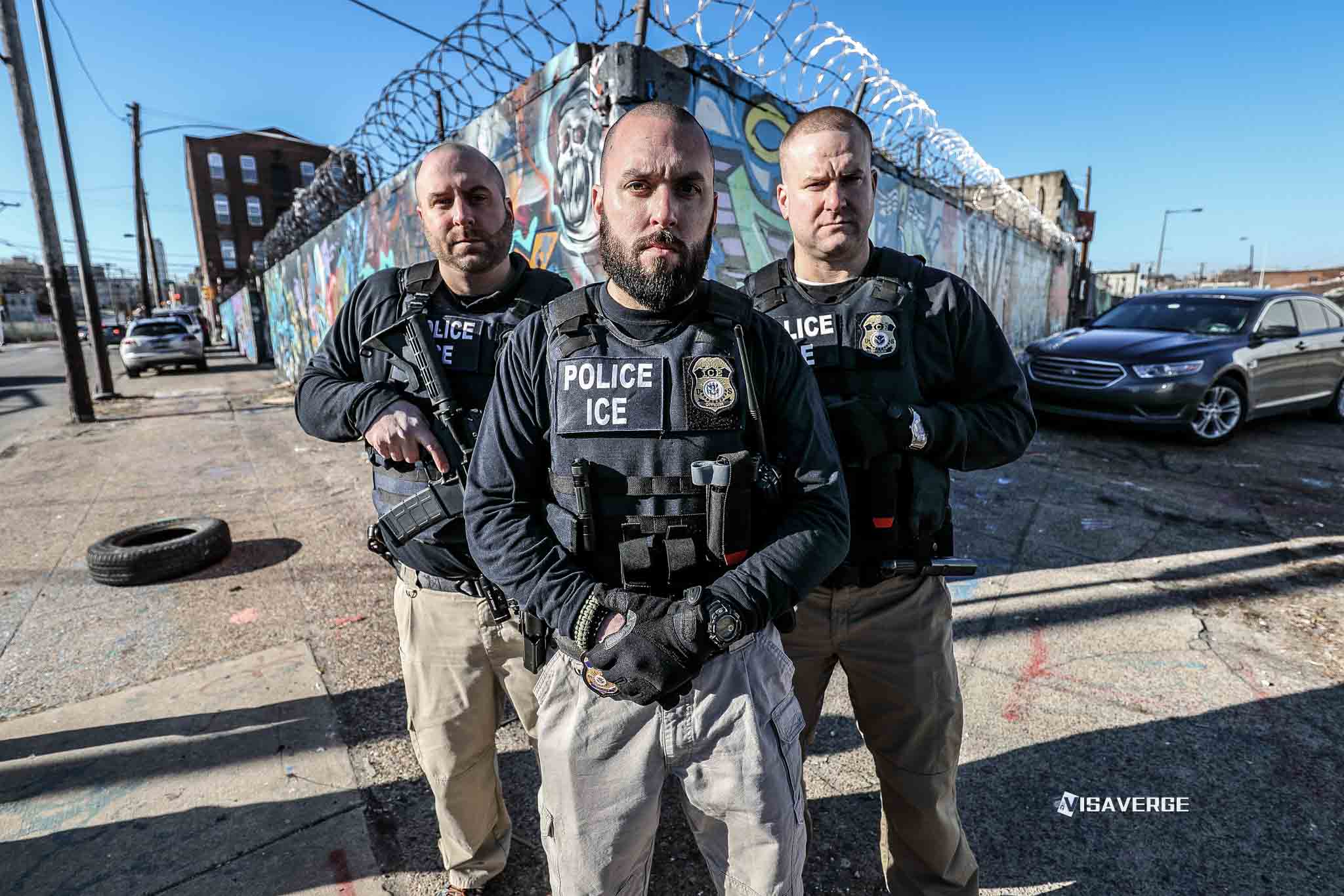
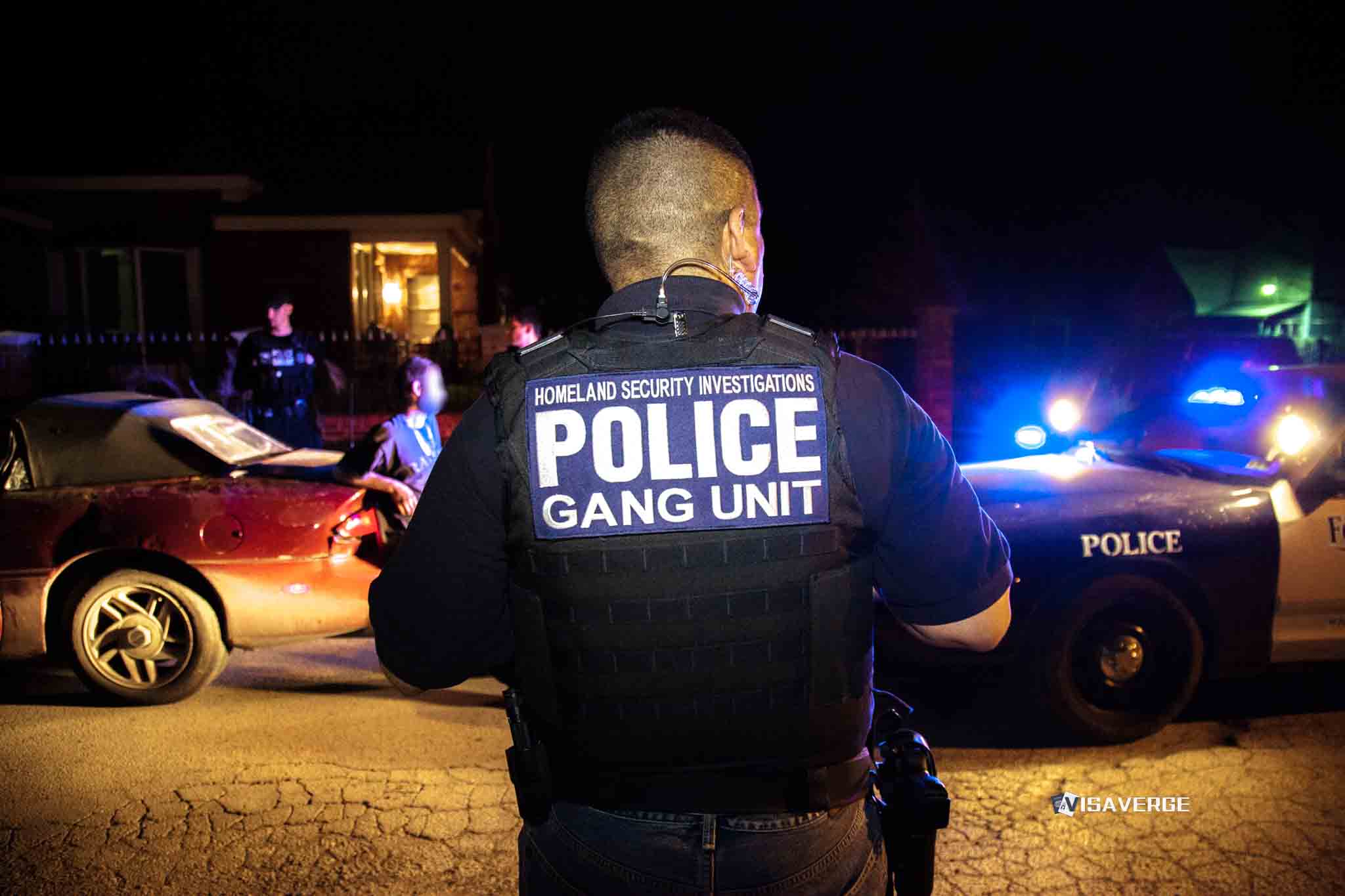
(UNITED STATES) The 287(g) program has become one of the most aggressive tools in interior immigration enforcement, with record growth in 2026 and wider use of local police under ICE supervision. By early April, the program had expanded across 38 states through memoranda of agreement that let ICE delegate limited immigration powers to state, county, campus, tribal, and wildlife agencies.

Federal authority and how the program works
Section 287(g) of the Immigration and Nationality Act gives U.S. Immigration and Customs Enforcement the power to sign agreements with willing law enforcement agencies. Congress created the legal basis in the Illegal Immigration Reform and Immigrant Responsibility Act of 1996. Under each agreement, ICE trains selected officers and assigns them specific immigration tasks.
Those tasks remain limited. Deputized officers do not run their own immigration system. They act under ICE rules, and detainers or removals still require federal approval. The program has survived legal challenges when courts found proper supervision, but lawsuits have also followed allegations of racial profiling, overreach, warrantless searches, and forced entries.
Three models that shape local involvement
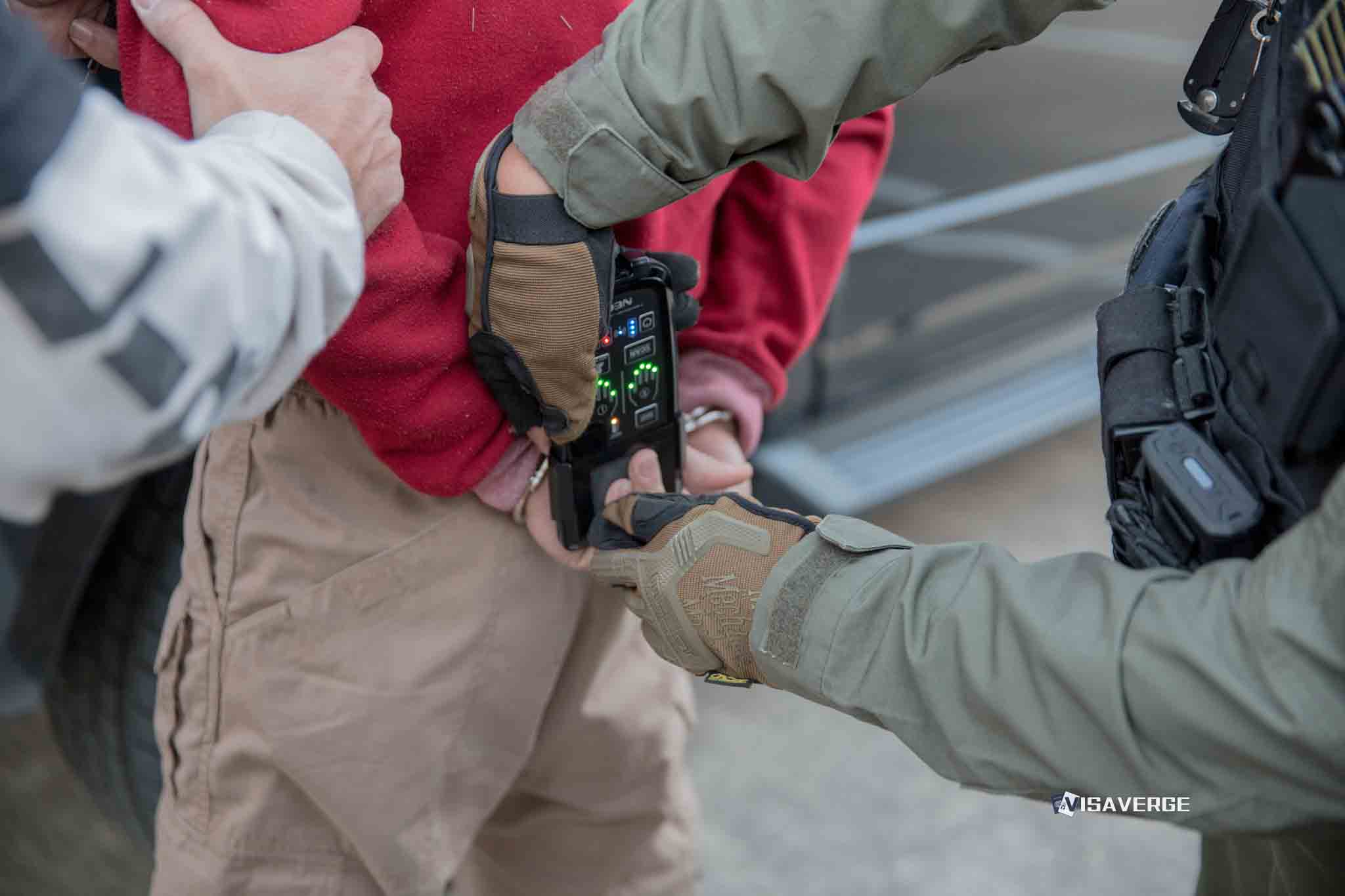
ICE uses three operating models, each with a different reach. The Task Force Model is the broadest. It allows officers to question people about immigration status and arrest them for immigration violations during routine policing, including traffic stops. That model operates outside jails and has drawn the harshest criticism.
The Jail Enforcement Model is narrower. It focuses on local detention centers, where officers screen inmates, prepare paperwork, and issue Notices to Appear. The Warrant Service Officer Model is the narrowest. It lets local officers serve ICE administrative warrants only on people already in custody.
ICE also cut training for deputized personnel to one week in 2025, down from four weeks. Supporters say that speeds up participation. Critics say it gives officers less time to learn complex federal immigration rules and raises the risk of mistakes.
Record expansion across states and agencies
The program surged in 2025 and kept growing in 2026. Active agreements jumped from 151 to 456 across 38 states, and pending deals continued to move through federal approval channels. As of early 2026, more than 625 officers across 141 agencies in 16 states were working under the Task Force Model alone.
Florida leads the country by a wide margin. Nearly half of all agreements are there, including every county jail under a 2022 state law. Florida also brought in campus police and the Department of Fish and Wildlife. Texas and Virginia followed with state laws and executive directives that pushed local participation.
ICE’s public 287(g) page lists active agreements by state, agency, model, and start date. Readers can review that list through the official ICE 287(g) program page. VisaVerge.com reports that the pace of sign-ups reflects a broader federal push to tie funding, cooperation, and enforcement goals together.
Why local police participation matters now
The 2026 expansion sits inside a larger enforcement campaign. Federal funding now rewards cooperation with ICE, while punishing “sanctuary” jurisdictions that refuse it. Executive actions since January 2025 have also encouraged state leaders to require local enrollment. That pressure has reached sheriffs, campus police, wildlife officers, and tribal departments.
ICE describes the program as a “force multiplier.” it extends federal reach without adding a large new federal workforce. That makes local agencies central to interior enforcement, especially in places where ICE has fewer officers on the ground.
A brief Department of Homeland Security shutdown, which reached 45 days in early April, disrupted operations but did not stop the program’s momentum. Congress later restored funding, and approvals continued.
Daily impact on immigrants and mixed-status families
For immigrants, especially undocumented residents, the biggest change is risk during ordinary police contact. A traffic stop, a local arrest, or a jail booking can now lead to an immigration check, a detainer request, or removal proceedings. That risk rises sharply in Task Force jurisdictions, where officers can ask immigration questions during patrol work.
Community groups say the result is fear. Immigrants may avoid reporting crimes, serving as witnesses, or asking police for help. That weakens trust and leaves neighborhoods less safe. Local governments also spend money on training and staffing, even as residents expect those officers to focus on drugs, theft, or violence.
Civil rights groups say the program revives old profiling problems. They point to earlier cases involving Maricopa County, Arizona, under former Sheriff Joe Arpaio, where federal courts found serious abuses. Ongoing litigation in 2026 also challenges warrantless ICE searches and forced entries.
How communities can check local participation
Anyone can confirm whether a sheriff’s office, jail, or police department is part of the 287(g) program. The ICE website posts active memoranda of agreement by jurisdiction. Local agencies also announce participation through county agendas, press releases, and state directives.
A simple review takes four steps:
- Search the ICE 287(g) list by state or agency name.
- Match the listed model with the local jail or police department.
- Check whether a state law or executive order requires participation.
- Follow DHS announcements after budget or shutdown disputes.
Immigrants facing police contact should keep status documents handy if they have them, stay calm, and know that immigration questions do not have to be answered on the spot. A lawyer can also review any detainer or transfer request.
The wider enforcement landscape in 2026
The 287(g) expansion is part of a much larger immigration crackdown. Proclamations 10949 and 10998 imposed travel bans affecting 39 countries, and separate policies paused some immigrant visa processing for 75 nations. Other measures tightened asylum rules, expanded social media vetting, and raised wage standards for some work visas.
Still, 287(g) stands out because it localizes enforcement. It puts federal immigration power into county jails, neighborhood patrols, and even campus settings. That shift changes daily life for people who may never have faced federal officers directly, yet now encounter immigration screening through local police who act under ICE supervision and formal agreements.