- Denver Mayor Mike Johnston signed Executive Order 152 to regulate local police interactions with federal ICE agents.
- The order bars ICE from using city-owned property like parks or parking lots for their enforcement staging.
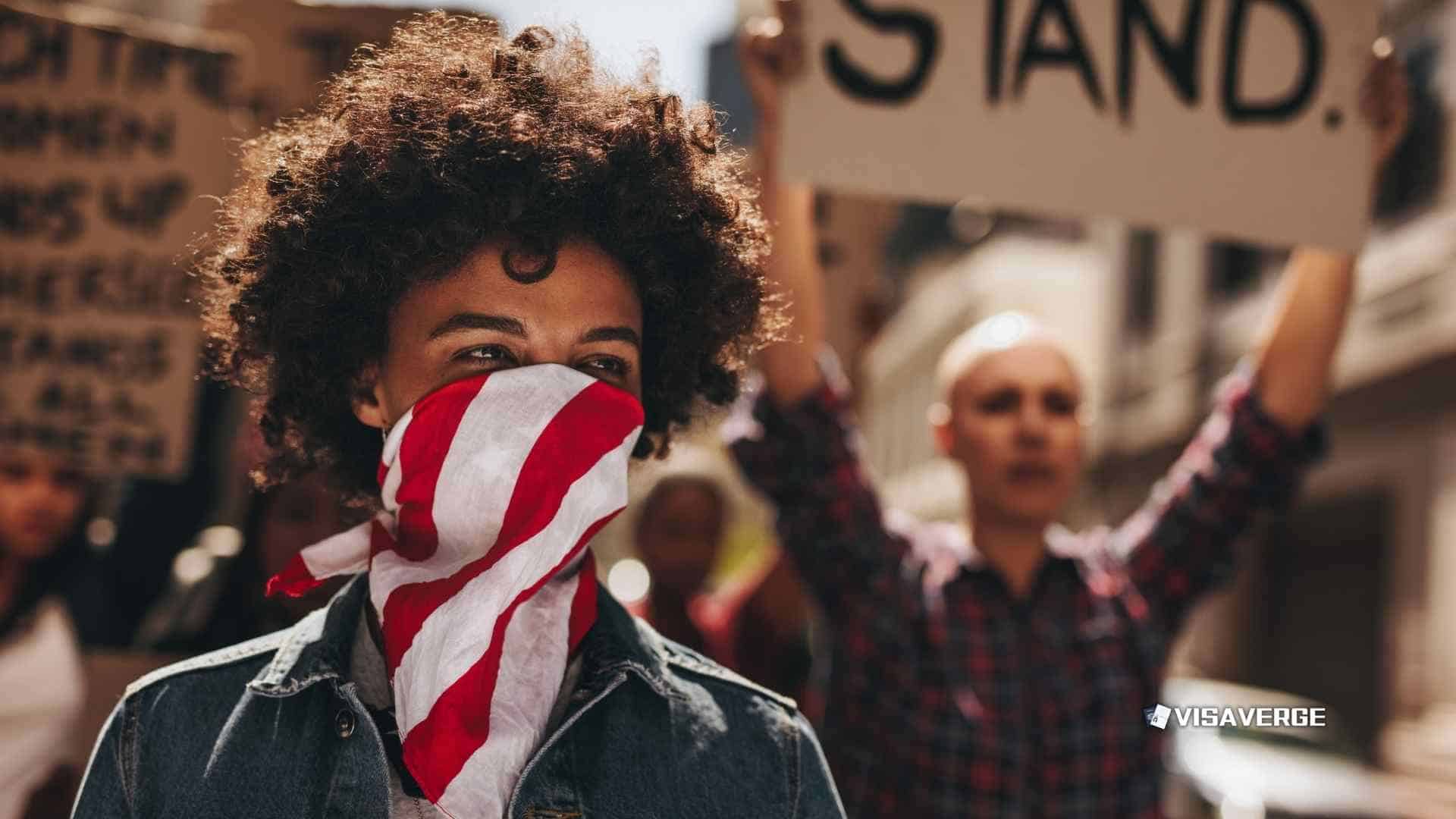
- Denver police must protect peaceful protesters and de-escalate conflicts between federal agents and demonstrators during operations.
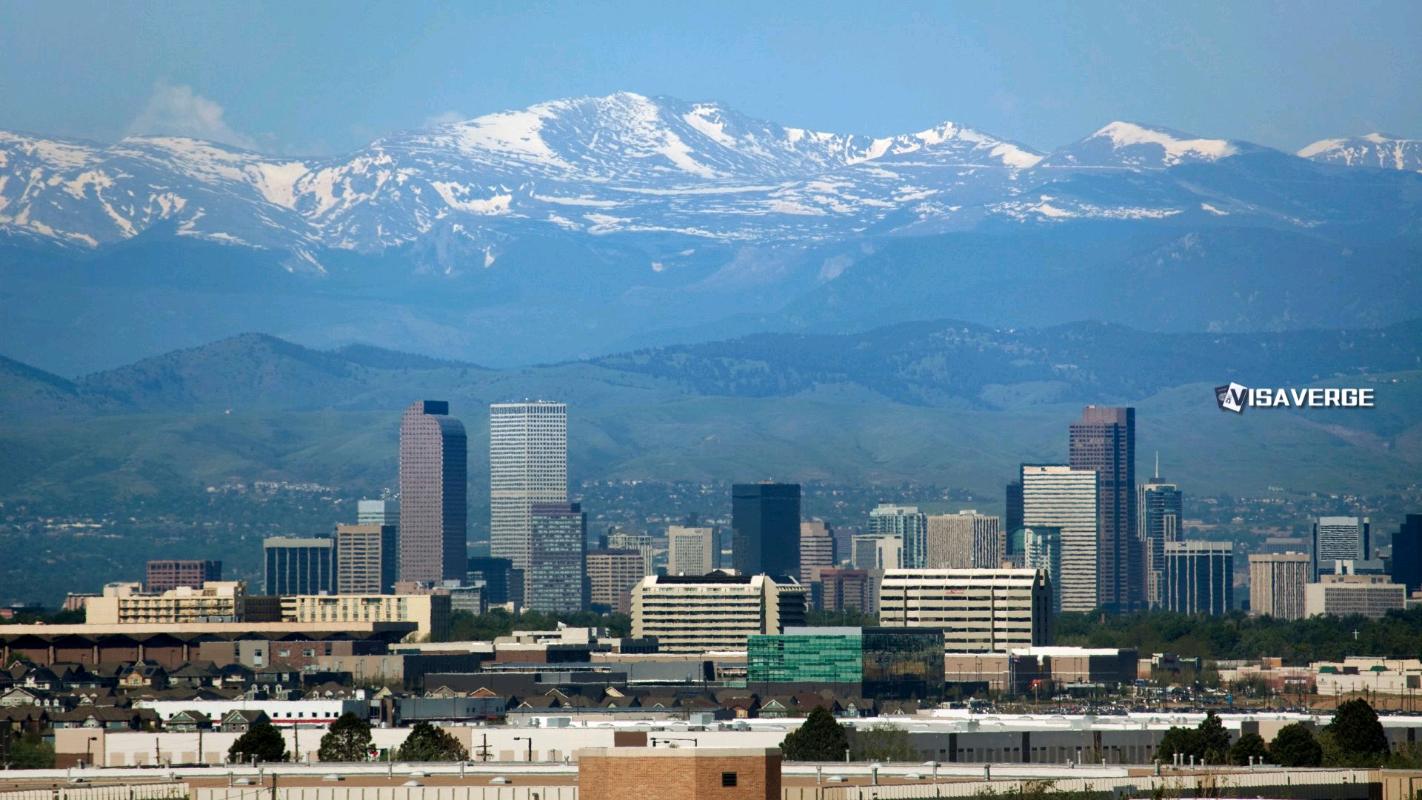
(DENVER, COLORADO) — Denver Mayor Mike Johnston signed Executive Order 152 on February 26, 2026, directing city agencies to change how they handle anti-ICE protests and immigration-related operations involving federal agents.
Johnston framed the order as a public safety and civil-rights measure as the city faces protests against ICE enforcement and worries about escalation between federal agents, local officers and demonstrators.
Free toolUSCIS Receipt Number Decoder
Executive Order 152 instructs the Denver Police Department to protect peaceful anti-ICE protesters, provide emergency medical aid and de-escalate conflicts with federal immigration agents. It also directs police to investigate any ICE officer for alleged crimes like assault, shooting, or killing in the city.
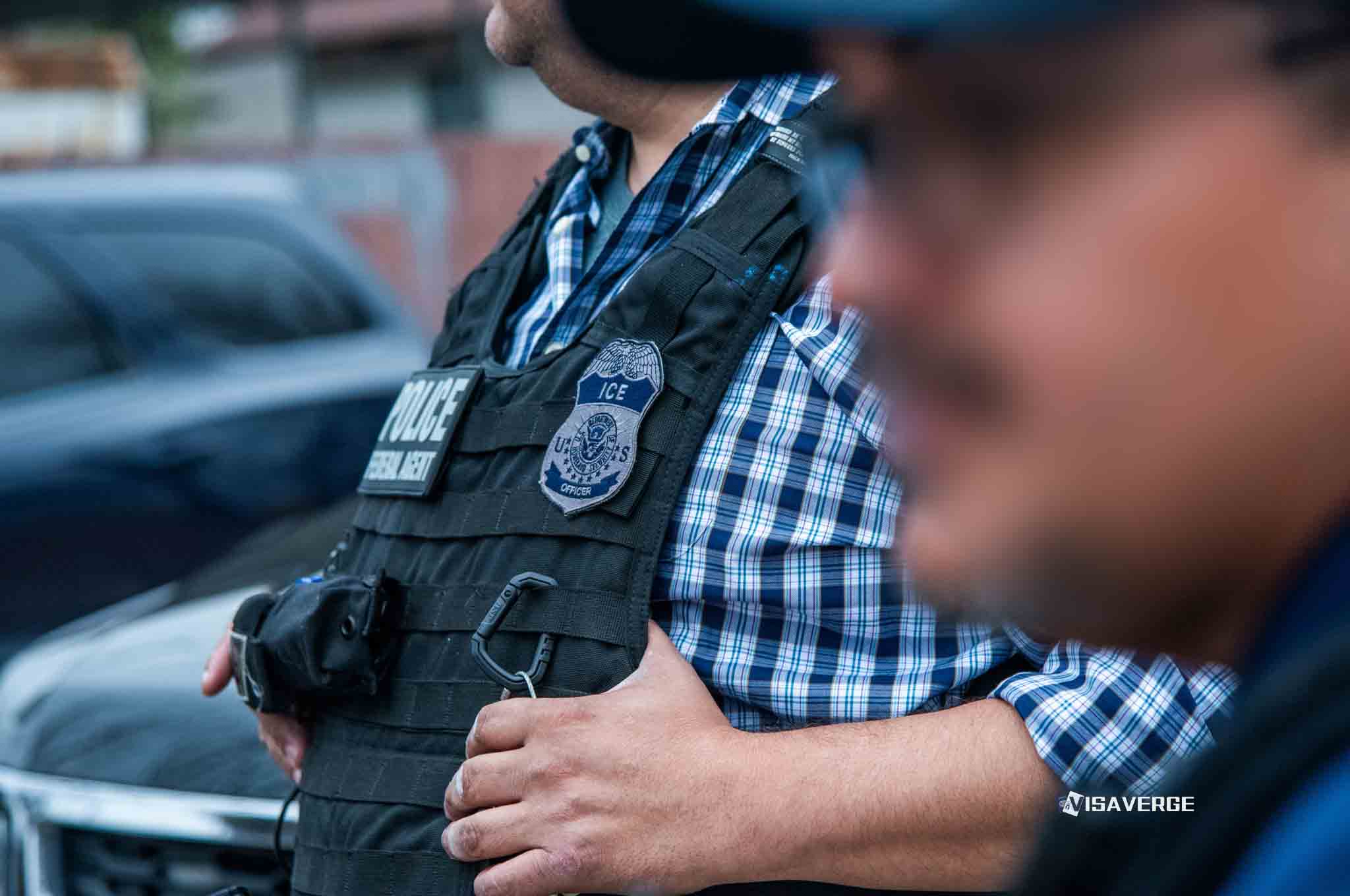
The order bars ICE from using city-owned property, such as parks or parking lots, for enforcement staging. It also requires officers to use body cameras and identify agents during operations.
Police Chief Ron Thomas said Denver officers will not block lawful federal action while maintaining a duty to intervene when force crosses legal lines. “Statutory obligation to intervene,” Thomas said, describing when officers must act against illegal or excessive force by any law enforcement, including federal agents.
Denver’s guidance emphasizes de-escalation during demonstrations, with police expected to focus on protecting peaceful protest and reducing the risk of crowd-control harms. The order also sets expectations around emergency medical assistance when people are injured during protest responses or enforcement-related incidents.
Operational transparency runs through the directive, tying accountability to body-worn camera use and agent identification during operations. The order’s language also draws a line against city resources becoming support infrastructure for federal immigration activity.
Johnston’s move arrives as Denver again tries to define its posture toward ICE enforcement without claiming control over federal authority. City leaders describe a posture that sets boundaries on what local agencies do, while arguing they still police violence and cooperate on serious crime.
Denver does not self-identify as a “sanctuary city,” and city leaders say it lacks an ordinance barring information-sharing on immigration status. At the same time, the city does not enforce federal immigration laws.
A practical boundary in Denver policy involves detention decisions after local cases end. The city does not honor ICE detainer requests to hold individuals past release dates, describing the stance as policy and legal risk management.
Johnston has separately stressed that violent crime enforcement remains central to the city’s work with federal partners. “If you’ve committed a violent crime in Denver, we’re pursuing you, we’re arresting you, we’re charging you,” he said.
The executive order also lands in a broader legal and political fight between Denver and federal officials over immigration enforcement. Denver has filed five lawsuits and five amicus briefs against the Trump administration.
Those filings include briefs in U.S. v. State of Minnesota and U.S. v. City of Rochester arguing sanctuary policies reduce crime or have no effect on rates. The new order adds another layer to Denver’s posture as federal lawsuits against the city continue from last year.
Federal criticism has come from the White House, the Department of Homeland Security and the Department of Justice, with Denver appearing in DOJ “sanctuary jurisdiction” framing. DOJ lists Denver among sanctuary jurisdictions violating statutes like 8 U.S.C. § 1324 (concealing persons from arrest) and others.
White House spokeswoman Abigail Jackson criticized local resistance to cooperation with ICE. Local officials should work with ICE, she said, not “do the bidding of criminal illegal aliens.”
DHS Deputy Assistant Secretary Lauren Bis also criticized sanctuary-style policies. Sanctuary politicians prioritize “criminal immigrants over peaceful Americans,” Bis said.
Republican Rep. Gabe Evans of Colorado’s 8th Congressional District has also attacked Denver’s approach, calling the city a sanctuary jurisdiction. Evans said Denver provides free housing, medical care, and driver’s licenses to undocumented immigrants, while linking policies to Tren de Aragua activity, overwhelmed hospitals and schools, and crime rises.
The political dispute has also played out through formal correspondence. Attorney General Pam Bondi sent an August 13, 2025, letter demanding an end to “sanctuary policies,” and Johnston and Colorado Gov. Jared Polis affirmed no changes, citing 10th Amendment protections for local resources.
Colorado state laws also shape the city’s choices, with state rules that prohibit local cooperation with federal immigration removal of criminal noncitizens. City policy and Executive Order 152 now sit on top of that state framework while the federal government presses for more cooperation.
Alongside the mayor’s directive, a Denver City Council committee advanced an ordinance banning face coverings by law enforcement, including federal agents, during arrests in city facilities. The proposal also requires name and badge disclosure, aligning with the executive order’s emphasis on identification during joint activity.
Supporters of the mask restriction and identification requirement have argued for clearer accountability when arrests occur inside city-controlled spaces. Opponents have raised concerns as the city debates how those rules would apply during high-tension operations involving multiple agencies.
For residents and protesters, the executive order signals how the city expects officers to manage demonstrations tied to immigration enforcement. The policy highlights de-escalation, protection of peaceful demonstrators and emergency medical response as core expectations when tensions rise.
For federal agents, the directive tightens limits on using city-owned property for ICE staging and enforcement support, shifting how operations might be planned around municipal spaces. For local agencies, it reinforces documentation and visibility expectations through body cameras and identification practices during incidents connected to ICE enforcement.
Johnston has argued the city can keep pursuing violent crime while drawing firm boundaries on its role in federal immigration work. “If you’ve committed a violent crime in Denver, we’re pursuing you, we’re arresting you, we’re charging you,” he said.