- Towards Justice issued a cease and desist letter to the Garfield County Sheriff’s Office.
- The letter alleges illegal collaboration with ICE through unlawful detentions and information sharing.
- Sheriff Lou Vallario is accused of violating Colorado state laws that limit immigration enforcement support.
(GARFIELD COUNTY, COLORADO) — Towards Justice served a cease and desist letter on February 25, 2026 accusing the Garfield County Sheriff’s Office of illegally collaborating with ICE in ways Colorado law prohibits, setting up a potential confrontation over how far local agencies can go in helping federal immigration enforcement.
The letter, sent to Garfield County sheriff Lou Vallario, alleged “flagrant lawlessness” and demanded the sheriff’s office stop practices the group says amount to unlawful detentions, transfers and information sharing tied to civil immigration enforcement.
Free toolUSCIS Receipt Number Decoder
Garfield County Sheriff’s Office officials responded on February 27, 2026 through a spokesperson who said officials “had not yet seen the letter” and that “any claims would have to be reviewed by the Garfield County District Attorney’s Office,” according to the Denver Gazette.
The dispute lands in a state that has enacted limits on local cooperation with federal civil immigration enforcement, including rules on when a person can be held, when information can be shared, and what kind of warrant is required.
Colorado’s restrictions matter because civil immigration enforcement often relies on administrative paperwork that differs from criminal warrants issued by judges, and because state law draws lines around how local officers can use their authority, their databases and their jail facilities in support of immigration arrests.
Towards Justice’s allegations center on how the sheriff’s office handles requests, coordination and transfers involving ICE, including what the group described as use of the jail’s secure areas and the sharing of information that is not public.
In its letter, the nonprofit law firm alleged the sheriff’s office uses the SPEAR (Special Problems Enforcement and Response) task force to share non-public data and resources with federal agents, which it says violates Colorado’s prohibitions on certain types of information sharing for federal immigration enforcement.
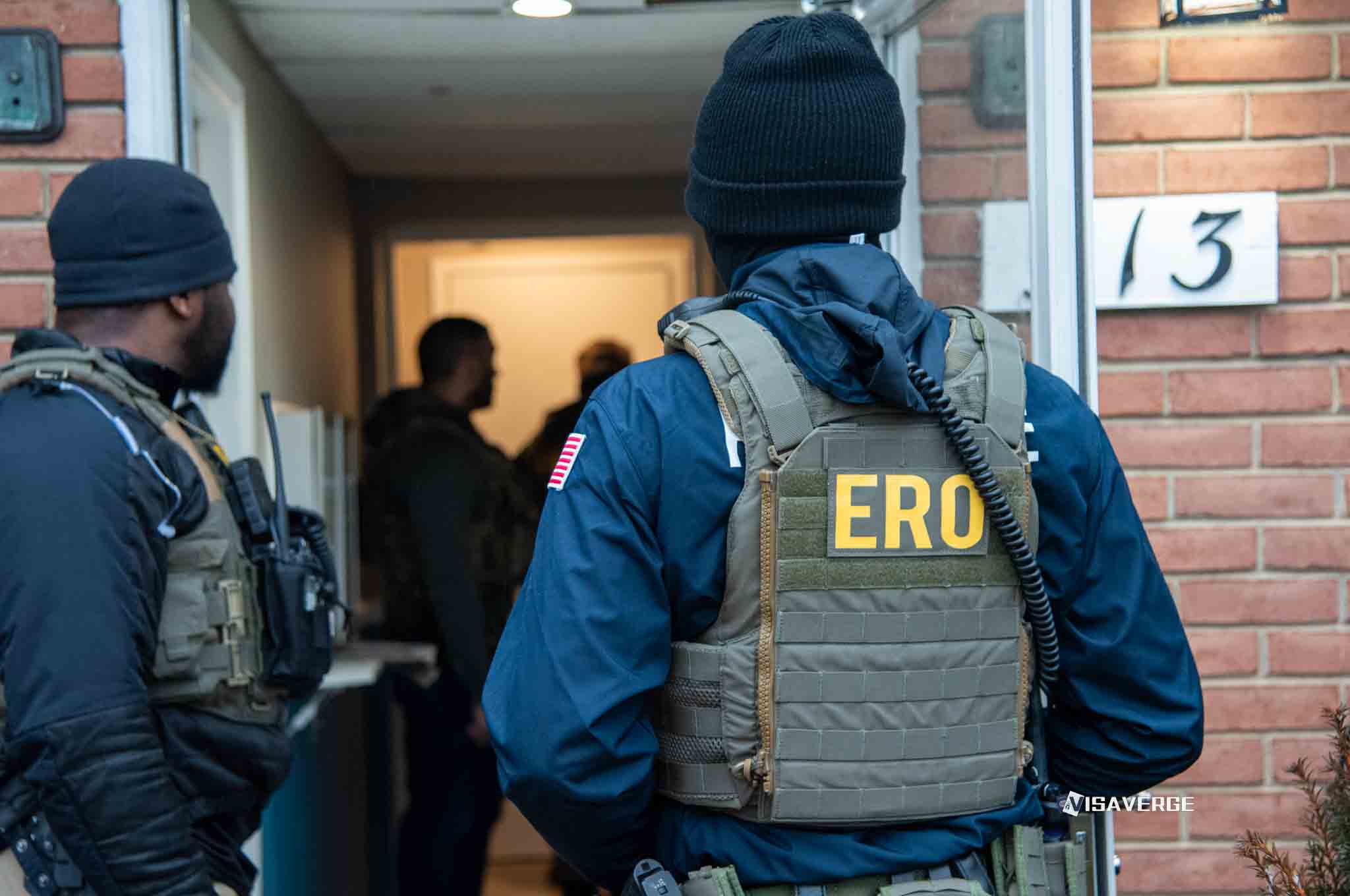
The letter also alleged that at least nine individuals were “released” on paper from the Garfield County Jail but were actually handed over to ICE agents inside secure, non-public areas of the facility without a judicial warrant.
That allegation goes to the heart of the legal question in the case: whether a transfer that happens inside a jail’s secure space, after a paper “release,” functions as a detention or arrest that requires a warrant signed by a judge rather than an ICE civil request.
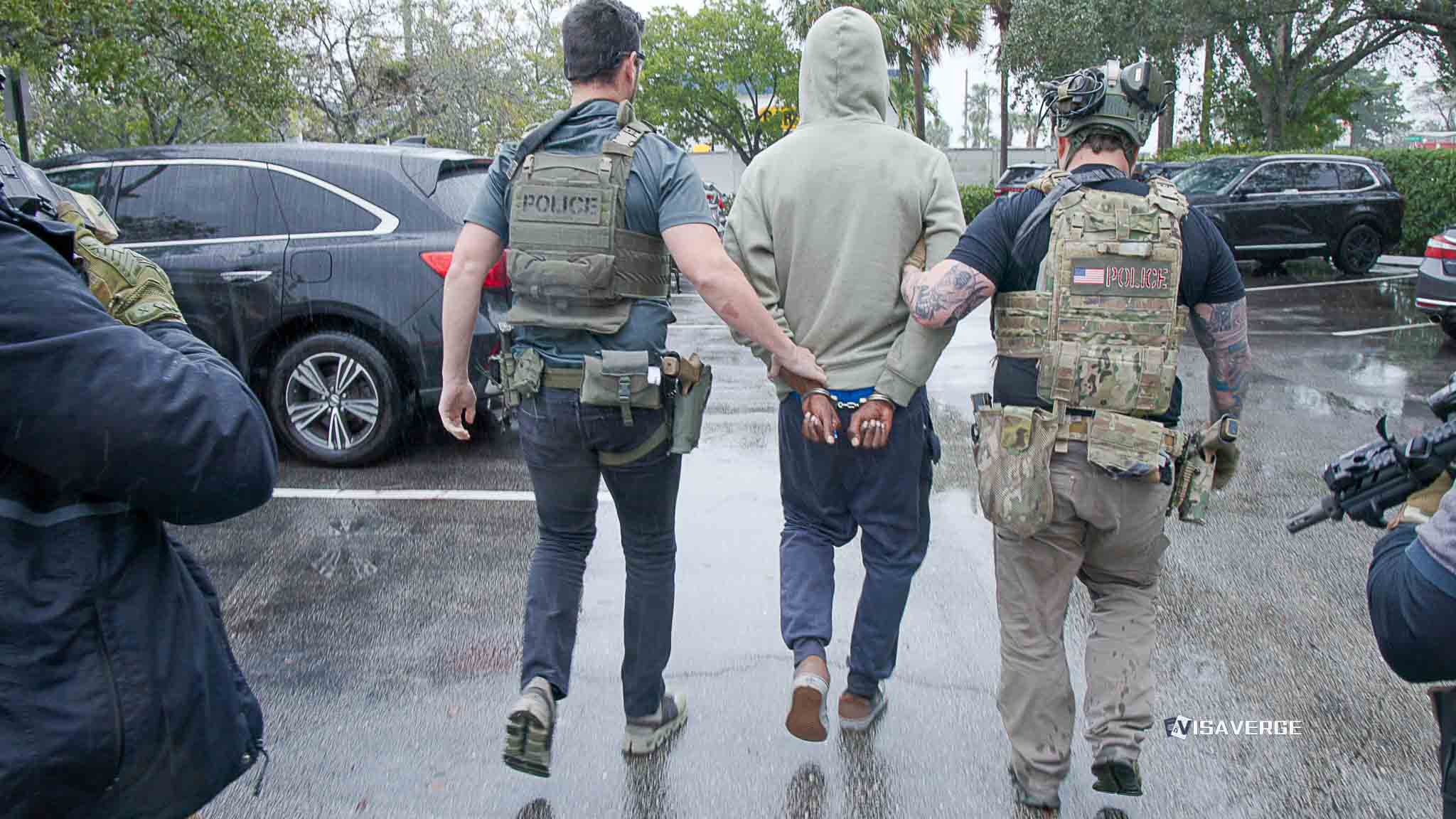
The most prominent incident cited in the letter involved Luis Armando Rivas Martinez, who the group said Garfield County sheriff’s deputies arrested in June 2025 and transferred to ICE custody in a parking lot despite the lack of a federal judicial warrant.
The letter also pointed to what it described as email evidence obtained through the Colorado Open Records Act, citing Sheriff Vallario as writing to colleagues: “I will not comply with this. You can call me ‘defendant’ in a lawsuit to correct this pro-criminal stupidity,” referring to state laws limiting ICE cooperation.
Those allegations rely in part on how Colorado distinguishes between civil immigration enforcement and criminal process, and what authority local agencies have when federal officials ask for help.
House Bill 19-1124, whose text appears on the Colorado General Assembly bill page, prohibits local law enforcement from arresting or detaining individuals solely based on a civil immigration detainer, sometimes described as an ICE “hold,” without a warrant signed by a federal judge.
In practical terms, a civil immigration detainer is a request tied to immigration enforcement, and it is not the same as a criminal warrant issued by a judge in a criminal case.
The allegations in Garfield County focus on whether people were effectively held beyond what state law allows, and whether transfers to ICE happened without the kind of judicial warrant Colorado law requires for arrest or detention tied to a civil immigration detainer.
Senate Bill 25-276 adds another layer by restricting disclosures of non-public personal identifying information, or PII, to assist in federal immigration enforcement without a court-issued warrant, according to the summary in the filings described in the dispute.
That matters in claims involving task force work and jail operations, because non-public information can include data or resources that do not appear in public records but can be accessible to officers through their duties.
Senate Bill 20-217 grants the Colorado Attorney General authority to investigate local law enforcement agencies suspected of civil rights violations, placing potential state-level scrutiny in the background of disputes over how sheriffs interpret the limits of cooperation.
Taken together, the statutes create a framework where the legal threshold often hinges on warrants, the difference between a civil request and a judge’s order, and whether a local agency’s role crosses into civil immigration enforcement.
Public statements from Vallario show he has acknowledged the state’s limits while describing continued cooperation with other agencies.
In a formal press release dated February 7, 2025 regarding sanctuary policies, Vallario said: “I want to make it clear that I work with ALL law enforcement agencies. to the degree I legally can. I say ‘legally’ because the Colorado Legislature has enacted several laws limiting my ability to work with ICE. I do not, nor do any Colorado state and local law enforcement officers have federal immigration authority.”
Vallario’s statement, published through the county’s website, framed the question as one of what local officers can do “legally,” and it drew a line between working with law enforcement agencies and having “federal immigration authority.”
Towards Justice’s February 2026 letter, by contrast, alleged the sheriff’s office crossed those state-law lines by using local authority and local facilities to carry out actions that functioned as civil immigration enforcement.
Federal policy has also entered the dispute through references cited in 2026 filings to a memo attributed to Acting ICE Director Todd Lyons.
The memo, dated May 12, 2025, reportedly authorized agents to prioritize enforcement and, in some cases, perform arrests based on administrative warrants, a step cited in filings as part of the dispute over local-federal collaboration boundaries.
Those references matter in Colorado because the state’s limits, as described in the statutes cited by advocates, hinge on whether actions that restrain liberty rely on a warrant signed by a judge, rather than paperwork used for civil immigration purposes.
No DHS or ICE press release directly responding to the February 2026 cease and desist letter was cited in the materials surrounding the dispute, even as official ICE statements are typically posted through the ICE newsroom.
The clash in Garfield County also reflects broader tensions between Colorado’s immigrant-protection framework and local law enforcement agencies that prioritize cooperation with federal authorities under current federal enforcement priorities.
If allegations of state-law violations gain traction, local agencies can face pressure to change policies, tighten procedures inside jails, and limit what information officers share for immigration purposes, particularly when requests arrive without judicial warrants.
The framework also carries legal exposure, since disputes over detention authority and information sharing can trigger investigations or lawsuits, with Senate Bill 20-217 cited by advocates as a mechanism that empowers state scrutiny of local law enforcement agencies for certain civil rights violations.
Advocates and community groups also argue that cooperation disputes can affect community trust and public safety, particularly when people fear that any interaction with local law enforcement could lead to immigration consequences.
Voces Unidas, an advocacy group cited in the dispute, said the alleged actions have “undermined decades of goodwill,” and the group reported that immigrant residents fear calling 911 or reporting crimes.
Those concerns, voiced by advocates, rest on a common dynamic in immigration-related policing debates: when residents worry a traffic stop, a minor charge, or time in a local jail could lead to ICE involvement, they may avoid contact with police even when they are victims or witnesses.
Voces Unidas and other advocates described examples they said illustrated the human toll, including a “long-time Garfield County resident” and a “mother of four,” who they said have been deported or placed in the Aurora ICE Processing Center for months following arrests for minor offenses like driving without a license.
The advocates’ descriptions did not include names for those individuals in the materials, and the groups framed the examples as representative of broader fear and disruption rather than as fully documented public case files.
Towards Justice’s allegations similarly combine specific claims—such as the June 2025 incident involving Rivas Martinez and the claim of at least nine paper “releases” followed by transfers inside secure jail areas—with broader assertions about patterns of coordination through the SPEAR task force.
Garfield County officials, through their February 27, 2026 response, did not address those specific incidents in the quoted statement and instead said they had not yet seen the letter and that the District Attorney’s Office would review any claims.
The dispute now sits at the intersection of advocacy enforcement, sheriff’s office operational practices, and a legal framework that distinguishes civil immigration enforcement from criminal warrants and criminal custody.
As of February 28, 2026, the posture is a demand letter alleging unlawful cooperation, a local response indicating review, and the prospect of further action through state-level channels and the courts if the allegations are pursued.
Readers looking to follow developments can typically verify official updates through public channels that post primary documents and announcements, including county statements on the Garfield County website, bill texts and legislative materials through the Colorado General Assembly, and state announcements through the Colorado Attorney General newsroom.
Any future public statements from ICE commonly appear through the ICE newsroom, while filings and demand letters from advocates often summarize their claims and the records they say support them, leaving officials to respond through their own public statements or legal actions.