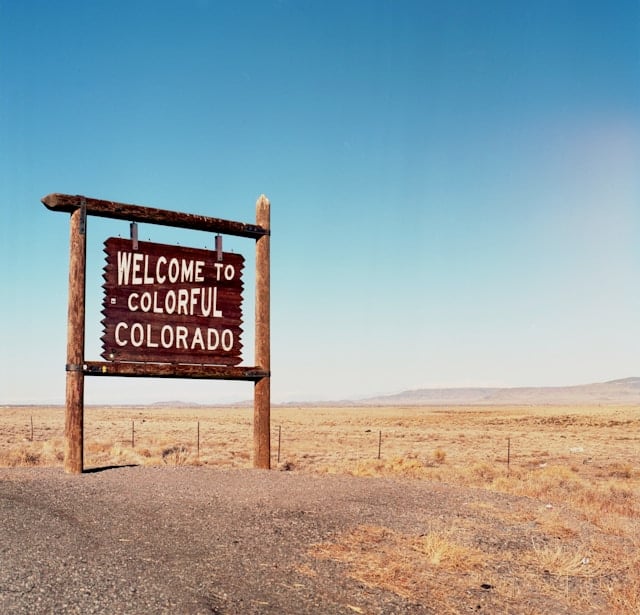
(Colorado) Colorado’s top law enforcement office is reviewing new complaints that local officials in mountain communities may have worked with ICE in ways that state law forbids, with particular attention on the Garfield County Sheriff’s Office and the 14th Judicial District Attorney’s Office. The review follows the 2025 passage of Senate Bill 276 (SB 276), which tightened Colorado’s limits on cooperation with federal immigration enforcement and set $50,000 fines per violation.
On August 14, 2025, Voces Unidas, a Western Slope immigrant advocacy group, filed two formal complaints with Attorney General Phil Weiser. The filings describe incidents where county officials allegedly shared information with ICE without a judge’s warrant. Weiser’s office has not confirmed an investigation in these cases, but it recently sued a Mesa County sheriff’s deputy for sharing data that led to the arrest of a 19-year-old Utah college student, signaling the Attorney General is willing to take action when state law is breached.

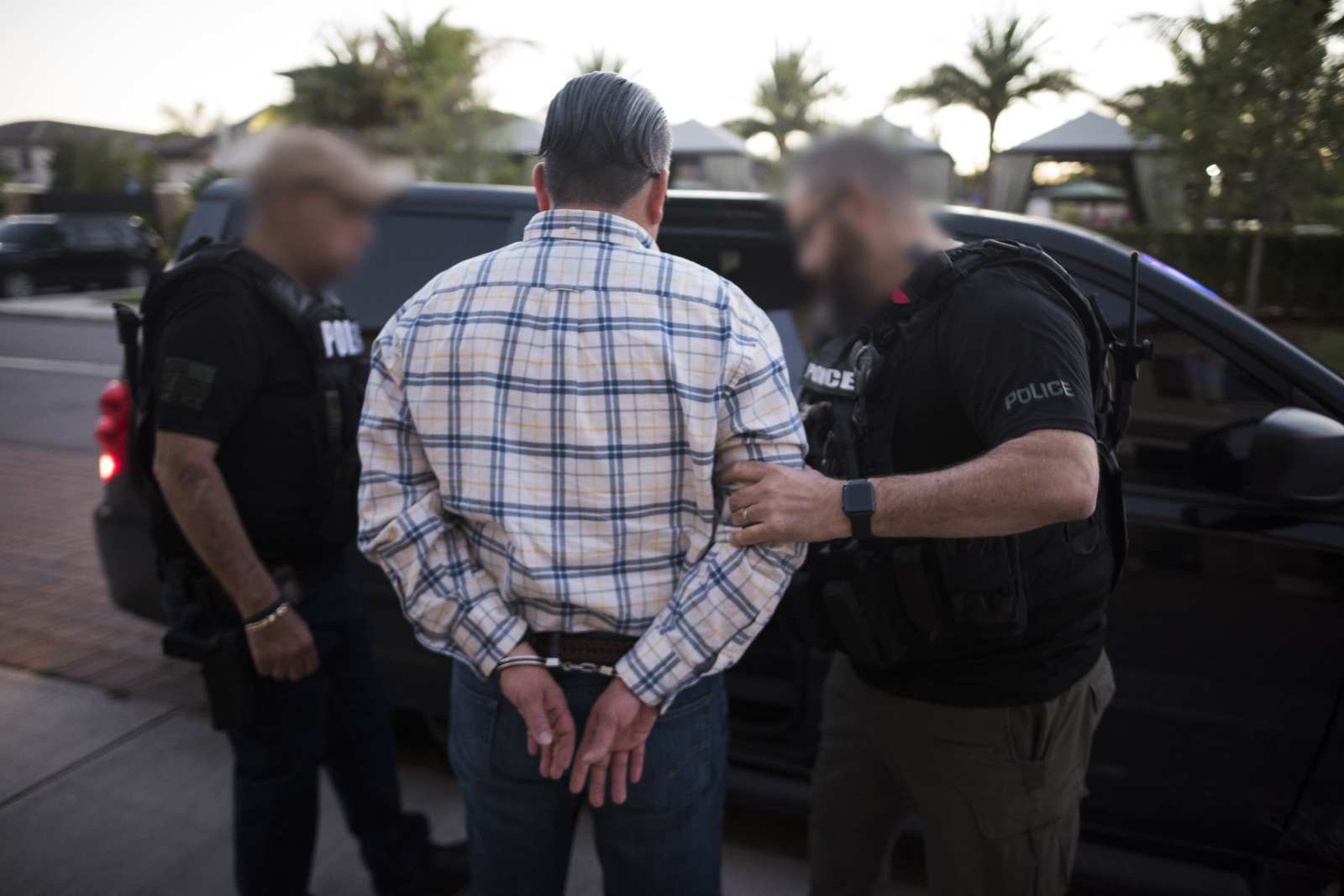
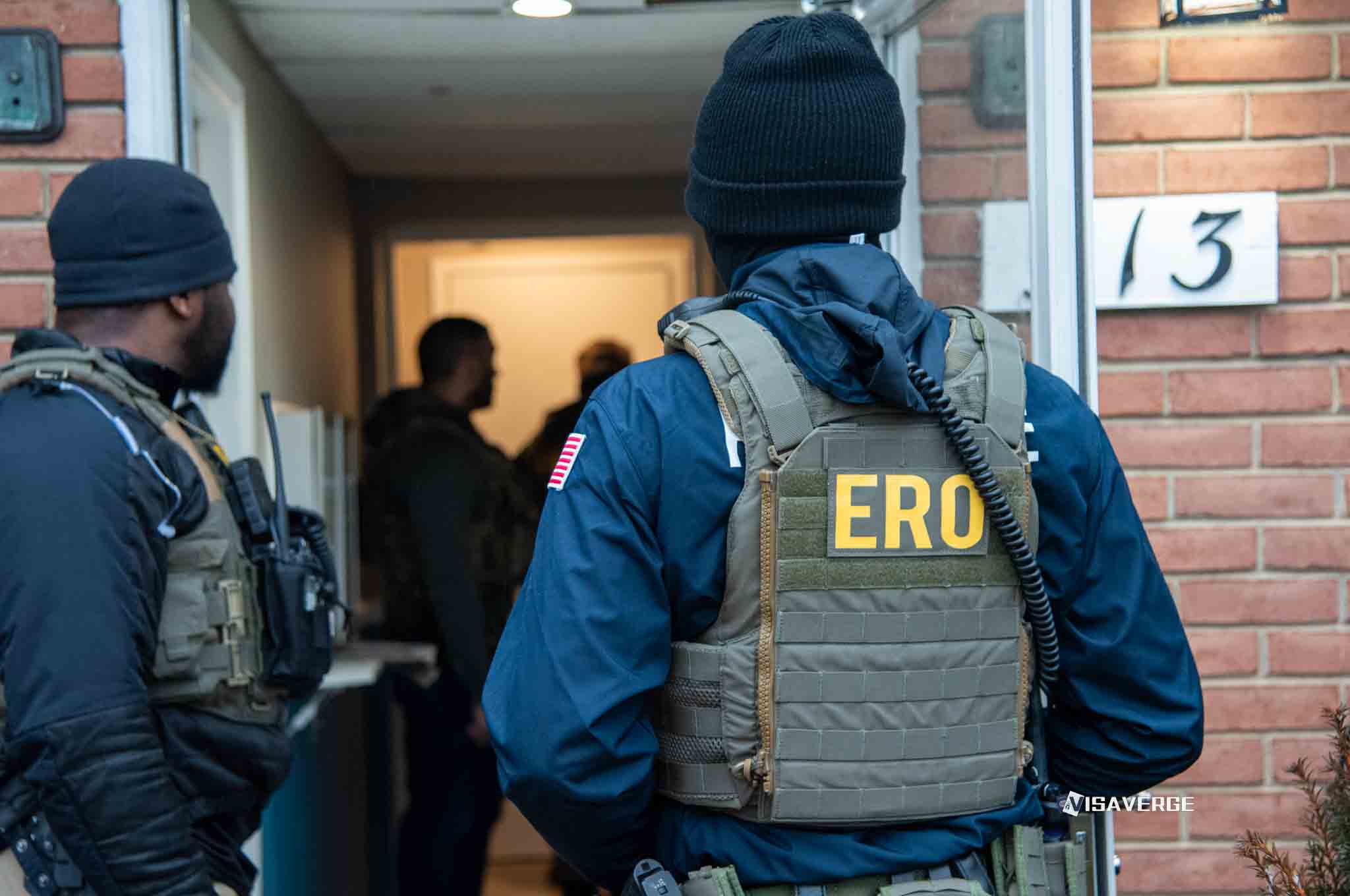
Advocates point to a broader shift in the enforcement landscape. ICE is moving to double detention capacity in Colorado, with three proposed facilities in mountain towns. Immigration arrests in the state quadrupled between January 20 and June 26, 2025, compared with the same period in 2024, fueling public concern and pushing communities to ask whether local agencies are a pipeline to federal custody. According to analysis by VisaVerge.com, the speed and scale of these changes have sparked more community reporting and closer legal scrutiny of police-ICE contacts.
Free toolUSCIS Receipt Number DecoderLocal leaders in the counties at the center of the complaints say they follow the law. Some conservative counties, however, have passed resolutions rejecting so-called sanctuary policies, arguing they need flexibility to work with ICE in certain cases. That tension is now playing out in sheriff’s offices, courtrooms, and public meetings across the Western Slope.
Policy Changes Overview
Colorado’s Senate Bill 276 (SB 276) took effect in 2025 and built on a 2019 law and a 2021 update that already limited local cooperation with immigration enforcement. The new law:
- Bans sharing personal information with ICE by state agencies, the judicial and legislative branches, and local governments unless there is a federal criminal investigation backed by a judge-issued warrant.
- Extends bans on ICE access to schools, hospitals, and child care centers without a warrant, aiming to keep families from avoiding essential services.
- Imposes a fine of $50,000 per violation, paid to the state’s Immigration Legal Defense Fund.
- Stops jails and police from delaying release at ICE’s request and treats continued detention after bond for civil immigration reasons as a new, warrantless arrest.
- Removes affidavit requirements for undocumented students applying for in-state tuition or state IDs.
- Lets the governor deny access to states sending National Guard or military troops for federal immigration enforcement in Colorado.
These rules sit on top of earlier measures:
- A 2019 statute blocked compliance with ICE detainers and barred sharing certain immigration data without a warrant.
- A 2021 update further limited cooperation, including in courthouses.
Together, the laws set a high bar for any local contact with ICE that might affect someone’s liberty.
Officials across Colorado are now updating policies, training, and record-keeping to avoid violations. Departments that mishandle a complaint face steep financial and legal risk. The Attorney General can sue or take other actions if an agency or officer acts outside the law. In the Mesa County matter, the lawsuit signals those consequences can fall on individual officers, not just departments.
For residents and advocates, the Attorney General’s website offers complaint instructions and contact details. The office accepts formal complaints and may review records, emails, and other evidence to decide whether to investigate. The site, available at https://coag.gov, also posts public updates on active litigation and consumer protection matters, including cases tied to state law enforcement powers.
Community Impact and Enforcement
In mountain counties, the debate is not abstract. Families with mixed immigration status are weighing whether to call local police, visit emergency rooms, or send kids to school when they fear any contact could end in custody. Although SB 276 states ICE cannot enter schools, hospitals, or child care centers without a warrant, fear often lingers even with clear rules on paper.
Voces Unidas President and CEO Alex Sanchez says public trust depends on strict compliance, warning that even a single unlawful referral can ripple through an entire town. The group’s complaints ask the state to check whether the Garfield County Sheriff’s Office or the 14th Judicial District shared information or communicated with ICE outside the law. Local officials insist they are following SB 276 and prior statutes, yet some county boards have passed symbolic measures against sanctuary policies, adding to mixed signals.
Governor Jared Polis has also faced pressure over how his administration responds to federal records demands tied to immigration. At times, the state has provided documents under federal pressure, while also facing internal pushback and lawsuits. Meanwhile, the U.S. Department of Justice under President Trump has kept Colorado and Denver on lists of “sanctuary jurisdictions” and is challenging the state’s limits in federal court. These fights highlight the ongoing clash between Colorado’s rules and federal enforcement priorities in the United States ??.
For law enforcement officers, the landscape is tight:
- The law bars holding someone past release just because ICE asked.
- It blocks sharing personal data unless there is a federal criminal case and a judge’s warrant.
- Violations can trigger $50,000 fines per incident, lawsuits, and potential personal liability.
Departments in mountain regions are revising protocols to ensure dispatchers, jail staff, and deputies know when communication with ICE is allowed and when it is not. Schools, hospitals, and child care centers now have explicit protections; administrators can post clear notices about warrant rules and train staff to refer any federal request to legal counsel. This helps reassure parents and patients who may otherwise avoid care.
Important: Violations of SB 276 carry significant consequences — including steep fines and potential lawsuits — and can lead to erosion of public trust in small communities.
How to Report Possible Violations
Community groups have laid out simple steps for reporting possible violations:
- Document the event with times, places, and names when possible.
- Request copies of communications or records that show contact with ICE.
- File a detailed complaint with the Attorney General describing what happened and attaching any proof.
- Track the case and share updates with affected families, noting that any fines collected go to the Immigration Legal Defense Fund.
Why This Matters Now
ICE’s plan to expand detention capacity adds urgency. If new facilities open in mountain towns, local police will face pressure to coordinate with federal officers working nearby. SB 276 does not stop federal agents from doing their jobs, but it draws a bright line for Colorado agencies.
As enforcement numbers climb, watchdogs expect more complaints and more legal tests of where those lines sit. VisaVerge.com reports that the combination of a larger detention system and stricter state penalties is creating a fast-moving policy environment, with courts likely to decide how far federal authorities can push local agencies to share data or delay releases.
For now, the message from Denver is clear: state and local officers must follow SB 276, and any information-sharing without a warrant may draw a lawsuit.
In Garfield County and across the 14th Judicial District, that means every phone call, data check, and custody decision could carry legal weight. With arrests up fourfold in early 2025, advocates expect more families to seek help, more departments to update training, and more oversight from the Attorney General. Whether the current complaints lead to formal investigations or court cases, the outcome will shape how Colorado’s mountain communities handle ICE contact in the months ahead.
This Article in a Nutshell
Colorado’s SB 276 tightened limits on local cooperation with ICE in 2025. Complaints against Garfield County allege warrantless information sharing. Attorney General reviews filings while arrests quadrupled early 2025. Communities fear policing may feed federal detention plans. $50,000 fines per violation raise stakes for officers and counties statewide.