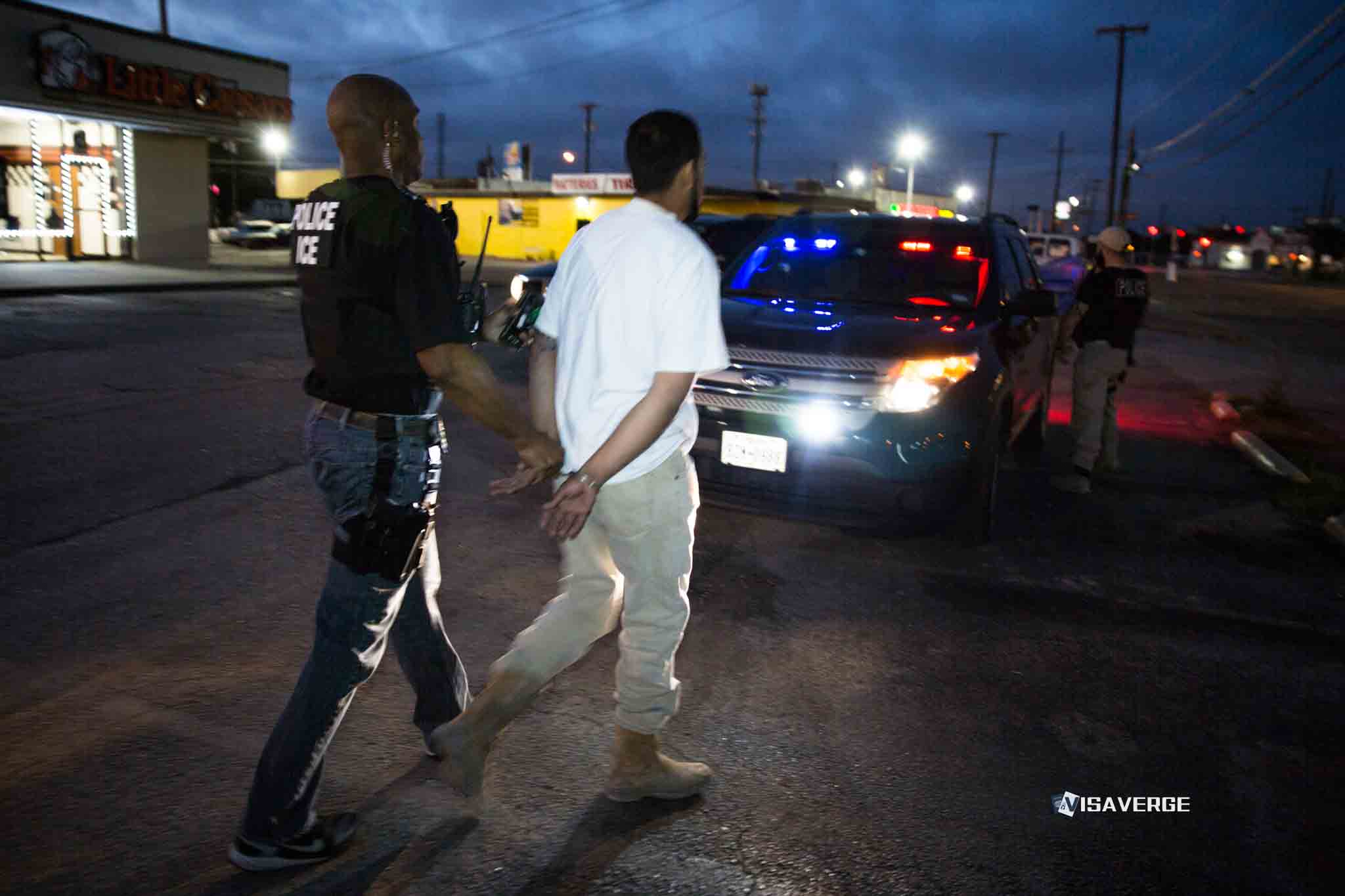
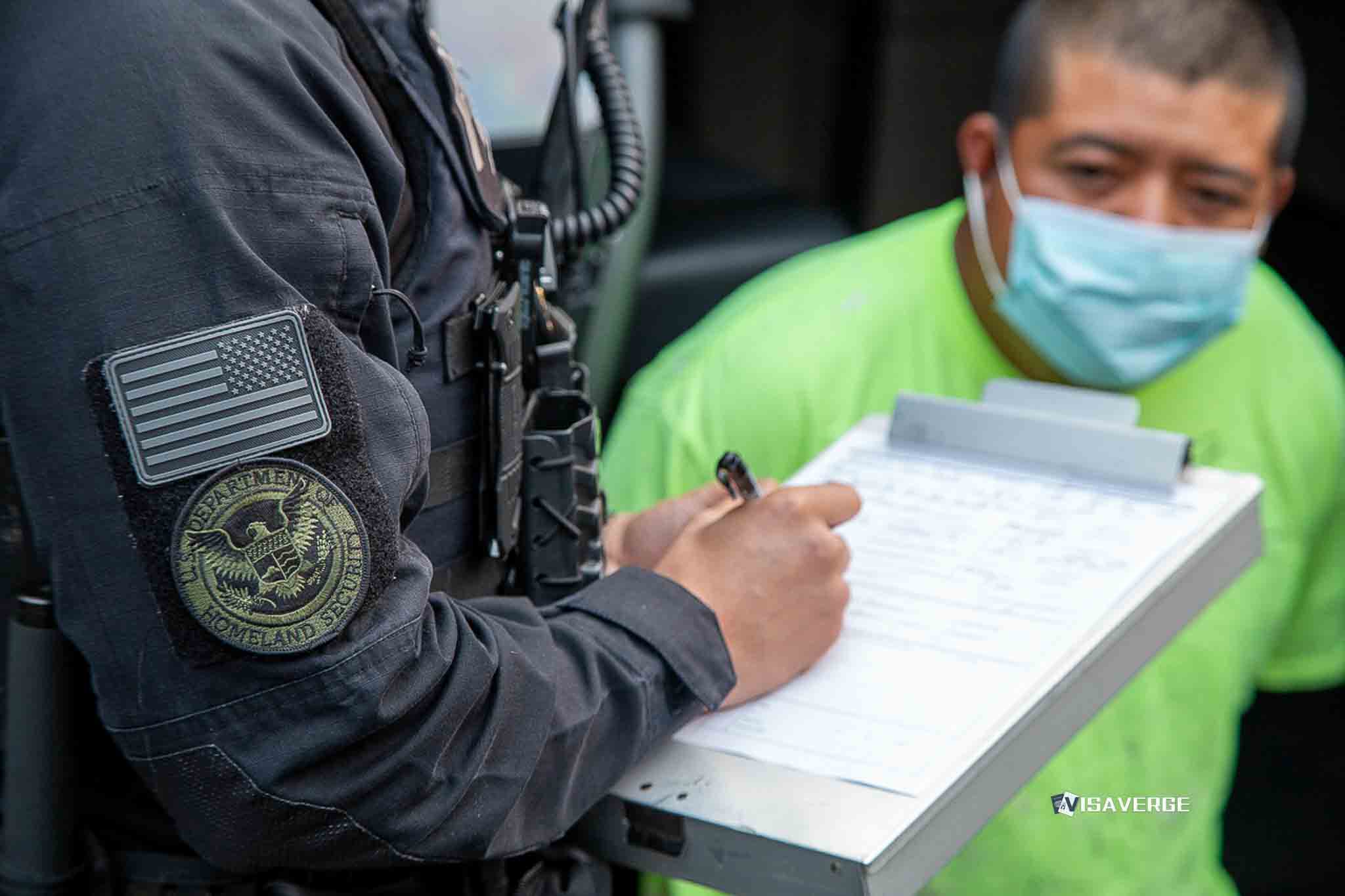
- President Abelardo de la Espriella placed José Luis Castañeda Tiria in charge of Migración Colombia on August 27, 2026.
- The government ordered joint operations with the Policía Nacional, starting in Barranquilla, against foreigners accused of crimes and irregular status.
- Authorities recorded 5,965 removals from August 2022 through June 2026, including deportations and expulsions.
José Luis Castañeda Tiria took charge of Colombia’s immigration authority on August 27, 2026, as President Abelardo de la Espriella’s government moved to place migration enforcement closer to police operations.
Foreign Minister Omar Andrés Bula Escobar swore in the retired lieutenant colonel as director general of Migración Colombia. The agency is responsible for migration control in the country.
The appointment followed a presidential push for coordinated operations against migrants without regular status, with priority given to foreign nationals accused of crimes. The first operations were slated for Barranquilla.
De la Espriella announced the policy at a security council meeting in the city on August 24, 2026. He used nationalist language to describe the government’s position on migration.
| India | China | ROW | |
|---|---|---|---|
| EB-1 | Feb 01, 2023 | Aug 01, 2023 ▲31d | Current |
| EB-2 | Nov 01, 2013 | Oct 01, 2021 | Apr 01, 2025 ▲90d |
| EB-3 | Jan 22, 2014 ▲21d | Jan 22, 2022 ▲14d | Jun 15, 2024 ▲31d |
| F-1 | Jan 22, 2021 ▲366d | Jan 22, 2021 ▲366d | Jan 22, 2021 ▲366d |
| F-2A | Oct 22, 2026 ▲30d | Oct 22, 2026 ▲30d | Oct 22, 2026 ▲30d |
“No voy a aceptar migración ilegal. Primero los colombianos, segundo los colombianos y tercero los colombianos”
The president translated the statement as: “I will not accept illegal migration. First Colombians, second Colombians and third Colombians.” He also ordered joint work by the migration authority and the Policía Nacional.
The government has said the operation will focus first on foreigners who are committing crimes, followed by people who have not regularized their status. De la Espriella said those migrants “en el término de la distancia tendrán que ser deportados,” or “as soon as possible, they will have to be deported.”
The appointment puts migration enforcement closer to police operations
Castañeda previously commanded the Policía del Cesar Department in 2018, where he mainly led operations against common crime. His appointment gives the migration agency a director whose career includes police command and security operations.
Interior Minister Rodrigo Lara said the operations would apply only to foreigners who are committing crimes and would target trafficking networks run by armed groups such as the Clan del Golfo. The stated enforcement model combines immigration checks with investigations led by police.
The government has framed the campaign as a response to crime and irregular status, rather than as an operation against people who have completed regularization. Analysts cited in reporting have also noted that Colombian law refers to migrants in an “irregular” situation, rather than using the category of “illegal immigrant.”
That distinction appears in the administration’s own description of the target. Regularized migrants are not intended to be included, while people accused of crimes and those without regular status face the greatest exposure to the new operations.
The enforcement plan follows thousands of removals already recorded
The campaign comes after the immigration authority documented thousands of removals between August 2022 and June 2026.
| Measure | Recorded total | Period |
|---|---|---|
| Deportations | 3,389 | August 2022 to June 2026 |
| Expulsions | 2,576 | August 2022 to June 2026 |
| Combined total | 5,965 people | August 2022 to June 2026 |
The policy is also being applied against the backdrop of hundreds of thousands of Venezuelans without regular status in Colombia. The country had been widely viewed for more than a decade as the region’s main host country for Venezuelan migration.
The new approach therefore places greater weight on coordinated enforcement than the more permissive migration policies associated with earlier years. Venezuelans are expected to be especially affected because they make up a large share of the undocumented population in Colombia.
Barranquilla was named for the first operations under the new policy
The timeline moved quickly. De la Espriella announced the crackdown on August 24, 2026. On August 25, the government said raids and deportation operations would begin “this very week.”
Officials identified Castañeda as the incoming director on August 26. Bula Escobar formally installed him the next day, linking the agency’s leadership change to the administration’s enforcement timetable.
As of September 9, 2026, the policy remains an active, newly launched crackdown. Its implementation depends on the migration authority working more directly with police to identify people in irregular status and determine whether alleged criminal conduct or trafficking activity is involved.
This article provides general information and is not legal advice. Consult a qualified immigration attorney about your specific case.