- Harish Kumar, Sonika Kumar, and their two children were deported to India on September 7, 2026.
- Their refugee and humanitarian applications were refused on August 4, 2026, and judicial review did not stop removal.
- The family had lived in Quebec since April 2018, while Harish worked as a truck driver since 2019.
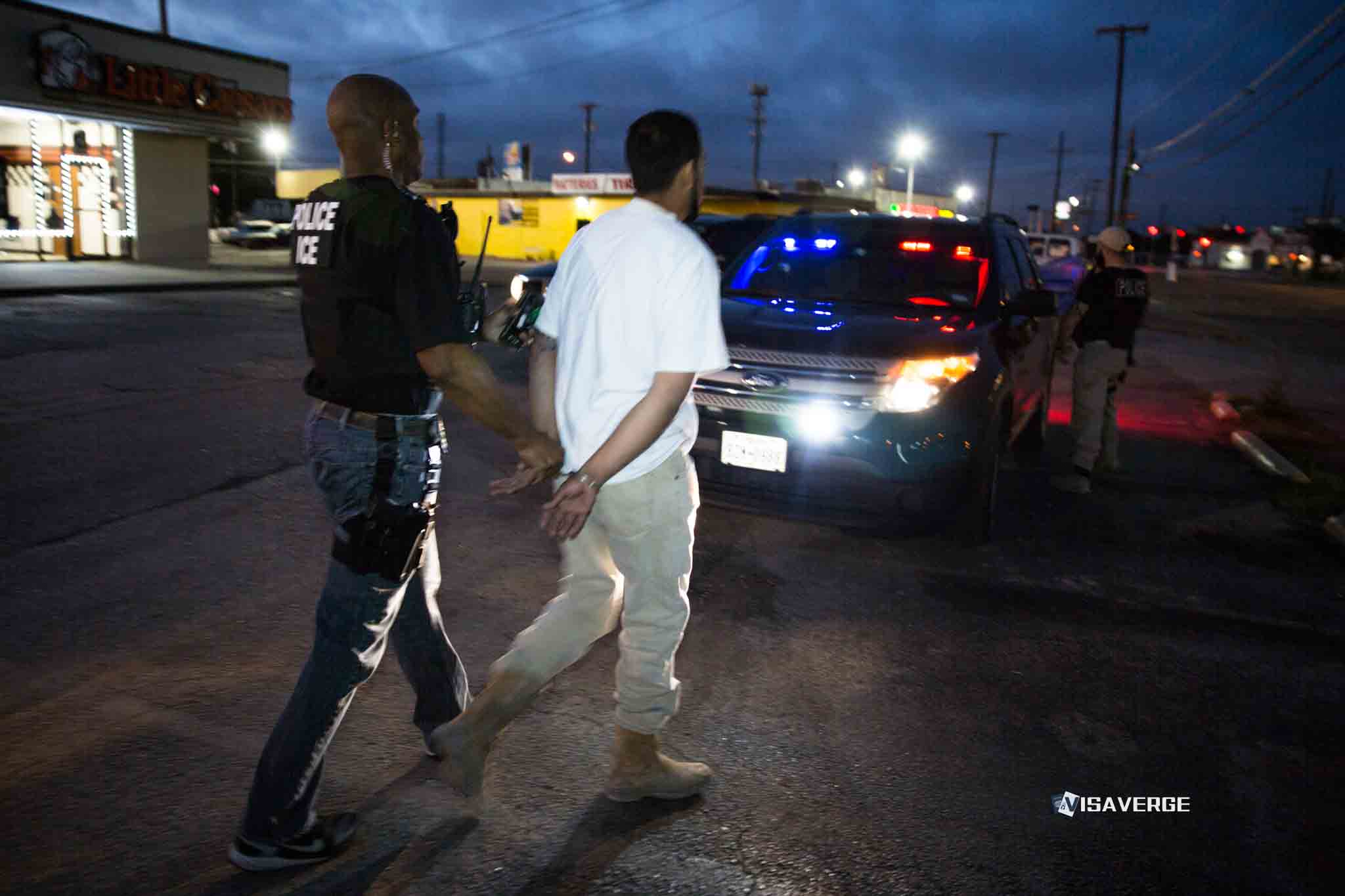
Harish Kumar, Sonika Kumar and their two children were deported to India on September 7, 2026, after their refugee claim and humanitarian application were refused. Their request for judicial review did not stop the removal. The family boarded a flight to India that day.
The removal followed a refusal dated August 4, 2026, and an order requiring the family to leave by September 7. The reported record distinguishes the failed applications from the court effort: the judicial-review proceeding did not prevent the flight from leaving.

The family arrived in Canada in April 2018 and lived in Quebec for about eight years. Their children spent most of their lives there.
Harish said his situation after deportation was stark.
“In India I have nothing.”
The case drew public attention because Harish worked as a truck driver from 2019 onward, including during the COVID-19 pandemic. Supporters described him as an essential worker because trucking continued while Canada relied on essential services.
| Event | Date or period |
|---|---|
| Family arrived in Canada | April 2018 |
| Harish worked as a truck driver | Since 2019 |
| Refugee claim refused | August 4, 2026 |
| Departure deadline and flight to India | September 7, 2026 |
The removal date did not erase the wider legal framework
The family’s reported sequence involved a refused refugee claim, an unsuccessful application on humanitarian and compassionate grounds, a court challenge and removal. That sequence does not establish that every refused claimant has exhausted every possible remedy.
In Canada, a person whose refugee claim has been refused may face removal while any applicable legal remedy or stay is considered. The outcome can depend on the procedural position of the individual case.
Some failed claimants may also pursue a pre-removal risk assessment in certain circumstances. That process does not automatically guarantee relief or permission to remain in Canada.
The supplied account says the Kumar family’s humanitarian application was refused and its court effort did not prevent enforcement. It does not support describing the family’s legal options as universally or permanently exhausted.
The petition asked Lena Metlege Diab to intervene
Before the departure, a public petition appealed to Lena Metlege Diab, Canada’s Minister of Immigration, Refugees and Citizenship. It asked her to use discretionary authority to suspend the removal.
The petition said the family had “consider[ed] the Canada as [their] home” since arriving in April 2018. Its appeal focused on the children’s long residence in Canada and the disruption caused by their return.
It identified the children as Goulash, 14, and Japesh, 12. The petition said they would be adjusting to a country they “barely know.”
The public appeal also tied the family’s request to Harish’s employment history. Supporters pointed to his trucking work during the pandemic as evidence of his contribution while Canada treated trucking as an essential service.
Worker advocates put the family’s ties before the public
Mostafa Henaway and Gaurav Sharma were identified as contacts or supporters connected with the Immigrant Workers Centre. Their names appeared in material supporting the family’s effort to remain in Canada.
The advocacy centred on the family’s work, residence and children rather than changing the reported decisions on the refugee or humanitarian applications. The children’s ages and their years in Quebec gave the appeal a personal focus.
The family’s departure came after the deadline set following the August 4 refusal. It had spent about eight years in Canada before boarding the flight.
The removal therefore closed this reported stage of the family’s case, without turning the broader Canadian framework into a rule that all refused claimants have identical remaining options. Harish, Sonika and the children left Canada on September 7, 2026, after the public request for intervention did not stop the scheduled departure.
This article provides general information and is not legal advice. Consult a qualified immigration attorney about your specific case.