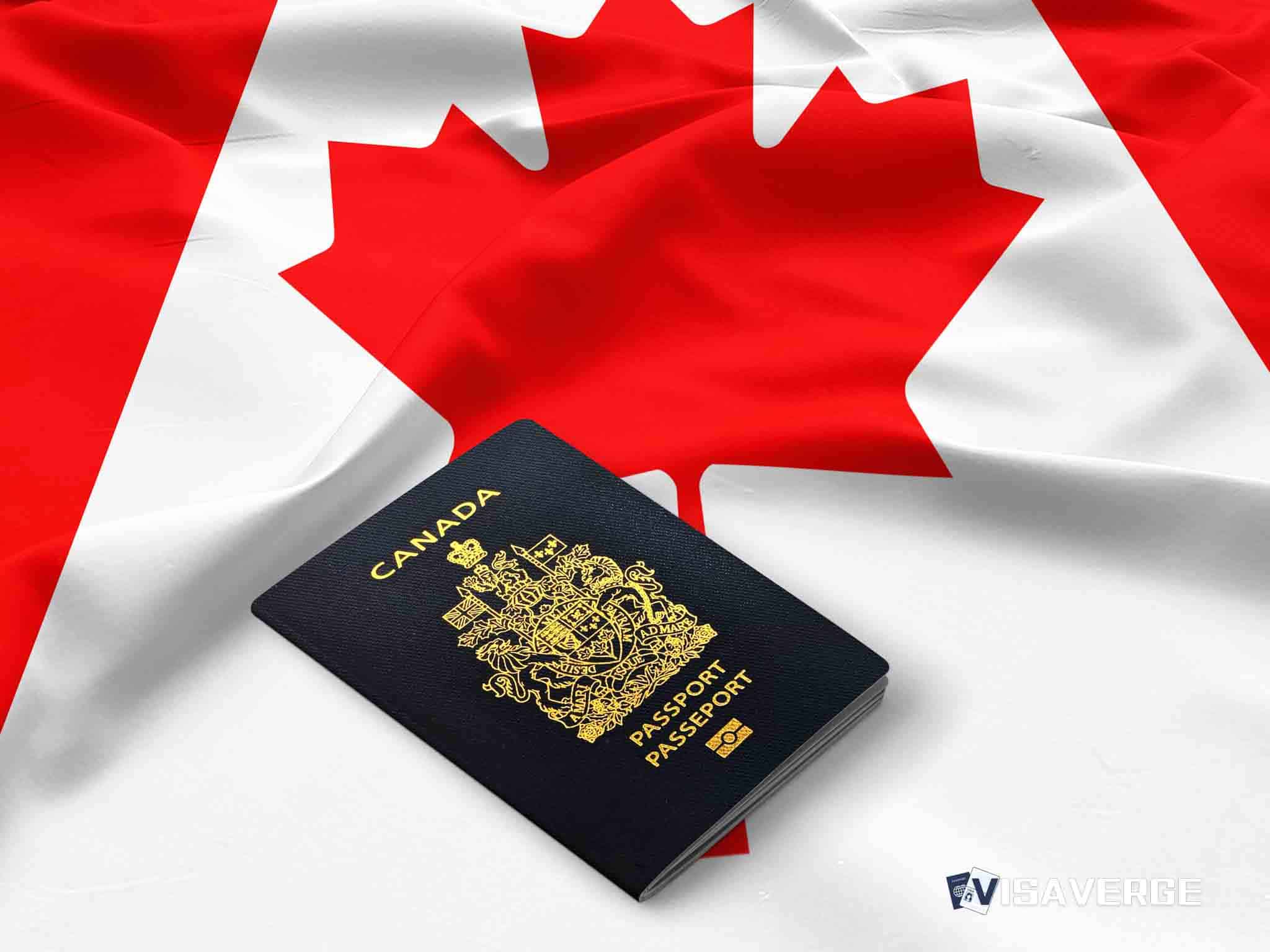
- Canada let the public policy exemption expire on September 10, 2026, ending a special sponsorship route for some refugees.
- The expired rule had allowed refugees to sponsor spouses, partners, or children omitted from their original permanent residence applications.
- A 2023 memo said the policy received about 2,000 applications and posed “minimal risk” to program integrity.
Canada’s immigration minister allowed the public policy exemption for refugees with undeclared family members to expire on September 10, 2026. The decision closed a route that had let some refugees sponsor spouses, partners or children omitted from their original permanent residence applications.
Lena Metlege Diab, Minister of Citizenship and Immigration, is tied to the change. A department spokesperson said affected people can now seek a humanitarian and compassionate exemption instead.
The expired measure applied when relatives had not appeared in the refugee’s initial immigration record. It had provided a route around the ordinary sponsorship rules.
Those rules remain in place. A permanent resident is normally barred from sponsoring a family member who was not previously declared in the application record.
The policy had been operating for seven years. It was designed for family situations that could emerge after a refugee filed an application but before reaching Canada.
The expired policy opened sponsorship to relatives missing from refugee files
Free toolCanada Express Entry Points CalculatorThe measure covered refugees and protected persons who later tried to sponsor relatives absent from their original applications. The omitted family members could include spouses, partners and children.
That distinction shaped eligibility. The people seeking sponsorship were relatives who had not initially been declared in the refugee’s own immigration documents.
The policy offered those families an exception within Canada’s family-class sponsorship system. It allowed some refugees to pursue permanent residence for relatives despite the earlier omission.
The measure addressed cases that did not fit neatly into the original file. Some refugees learned that a child was still alive after believing otherwise. Others had another child after filing their application but before arriving in Canada.
The issue was not simply whether a family relationship existed. The timing of the declaration also mattered under the regular process.
The temporary route gave certain refugees a way to address that gap. Its expiry removes that route for applications covered by the former policy.
The 2023 memo recorded about 2,000 applications
The last extension came in September 2023. A ministerial memo from that period said the policy had received about 2,000 applications.
The memo described the measure’s effect on program integrity this way:
“minimal risk”
The phrase appeared in the memo’s assessment of the policy. The document provided the clearest recorded figure for applications submitted under the temporary measure.
The seven-year policy history therefore ended after the government had previously extended it. The September 2023 extension followed the memo’s account of applications and its assessment of the integrity risk.
The change affects people whose family circumstances or records left relatives outside their original immigration documentation. Their cases now move beyond the temporary route.
The Canada Gazette notice links the policy to Lena Metlege Diab
A related official notice in the Canada Gazette came from Ottawa on August 23, 2026. Lena Metlege Diab signed it as Minister of Citizenship and Immigration.
The notice preceded the policy’s expiry. The measure ended on September 10, 2026.
The date fixes the point at which the temporary pathway stopped operating. It also sets the timing for affected applicants who had expected to rely on the former policy.
The department’s stated alternative is an exemption on humanitarian or compassionate grounds. That option is separate from the temporary measure that has now expired.
Refugee advocates said they received no explanation for the change. Their concern follows the policy’s original purpose, which was to address family gaps arising from changed circumstances or omitted relatives.
The department spokesperson said affected people can apply on humanitarian or compassionate grounds. The response identifies that process as the available route after September 10, 2026.
Applicants affected by the expiry therefore face the regular sponsorship framework unless their cases qualify for that form of relief. The former exemption no longer provides the pathway used by some refugee families.