- President Abelardo de la Espriella ordered coordinated immigration raids in Barranquilla against migrants in irregular status.
- Officials will first target alleged criminals, then people who have not regularized their status before deportation.
- Migración Colombia will begin operations after a new director is appointed, while estimates suggest hundreds of thousands could be affected.
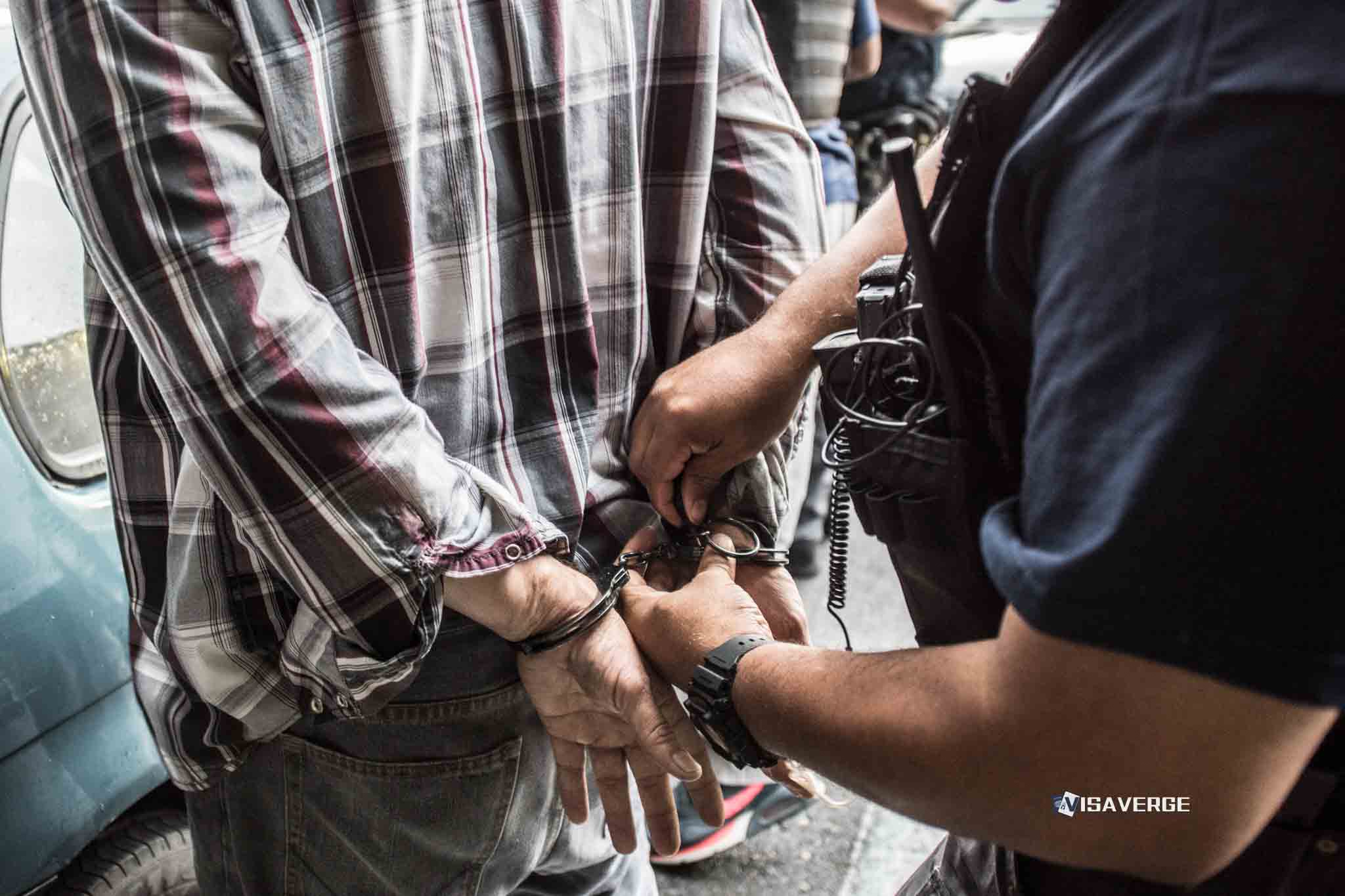
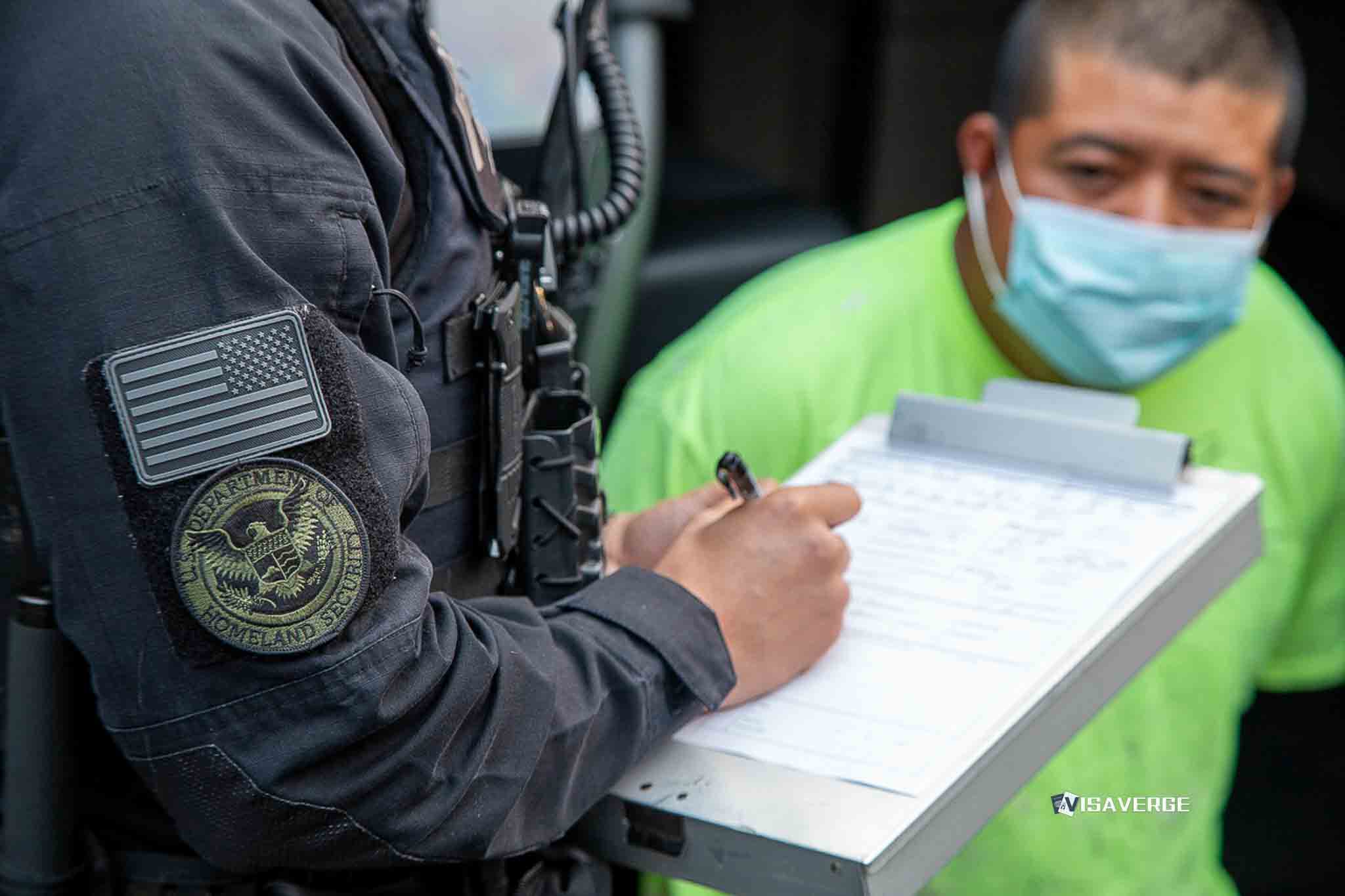
Colombian President Abelardo de la Espriella ordered police and Migración Colombia to begin coordinated immigration raids this week, starting in Barranquilla and targeting migrants in irregular status.
The operations will first identify migrants accused of crimes. Officials will then pursue people who have not regularized their status.
Free toolUSCIS Receipt Number Decoder
Deportations would follow the identification process. The president announced the policy during a security meeting in Barranquilla, framing it as part of a public-security campaign.
He used sweeping language. “I will not accept any illegal immigrants, wherever they come from.”
The president also accepted responsibility for the planned removals.
“They will have to leave and be deported. It is a political decision I am taking responsibility for.”
The stated sequence places criminal conduct ahead of immigration status alone.
His order to immigration officials was direct: “The order to Immigration is clear: first those committing crimes, second those who have not regularized their status, who in due course will have to be deported.”
Colombian law does not treat every undocumented migrant as a criminal. A person may be in an “irregular” migration situation without committing a crime solely by lacking proper documentation.
The government has nevertheless linked irregular migration with criminal groups in explaining the operation. The first phase therefore emphasizes alleged criminal activity, while the second addresses people who lack regular status.
The instructions emerged from a security council meeting dated August 23, 2026. Accounts of the announcement also placed it on August 24, 2026, with the remarks broadcast the next day, August 25, 2026.
The police and migration authorities were told to start joint operations this week. The first target area is Barranquilla.
The raids depend on a new migration chief
Migración Colombia did not have a director when the president issued the order. The agency said it would implement the policy after a new director had been appointed and installed.
That condition creates an immediate administrative hurdle. The plan calls for cooperation between the national migration service and Colombian police, but the agency responsible for carrying out the migration work is awaiting permanent leadership.
The order also places deportation after identification. Officers would first determine who falls within the administration’s stated priorities, then begin the relevant removal process.
The expected reach is large. One estimate described hundreds of thousands of Venezuelans in Colombia as living without regular status.
The enforcement plan could reach hundreds of thousands of Venezuelans
Colombia has hosted Venezuelan migrants for more than a decade. The new approach represents a sharp change from the country’s previous posture toward that population.
One set of migration figures counted about 2.8 million Venezuelans in Colombia. More than half a million reportedly lacked regular migration status.
Another estimate put the number of Venezuelans without regular status at 848,000, including 193,000 minors. The figures differ, but each points to a population far larger than a small enforcement caseload.
The president’s language covers migrants from any country. Venezuelans are the group most directly connected to the available estimates because they form Colombia’s largest migrant population in the material describing the plan.
The administration has also discussed measures beyond raids and removals. Officials reportedly intend to establish a rewards system and strengthen an informants network.
The government plans prison transfers as well. The stated purpose is to prevent jails from being used for extortion operations.
Colombia already distinguishes removal measures by conduct
Colombian migration practice separates deportación from expulsión. Deportation generally addresses violations of migration rules, while expulsion applies to more serious conduct.
Migración Colombia recorded 5,965 procedures removing foreign nationals between August 2022 and June 30, 2026. That total included 3,389 deportations and 2,576 expulsions.
| Measure | General basis described in the material | Recorded procedures through June 30, 2026 |
|---|---|---|
| Deportación | Migration-rule violations | 3,389 |
| Expulsión | More serious conduct | 2,576 |
| Total removal procedures | Foreign nationals removed between August 2022 and June 30, 2026 | 5,965 |
Those earlier figures cover completed procedures, while the new order sets out a future enforcement campaign. The announced sequence may send people through different administrative tracks depending on the conduct officials identify.
The terminology also matters. “Irregular” is the usual legal description in Colombian migration practice, rather than “illegal immigrant,” and irregular status alone is not the same as criminal behavior.
The president rejected that distinction in political terms while preserving it in the enforcement sequence. He said the government would focus first on people “committing crimes” and afterward on those who had not regularized their status.
The president has tied deportation directly to political responsibility
The broader message came in three parts: priority for alleged criminals, removal of people without regular status, and a promise to put Colombian nationals first.
“I will not accept illegal migration. First Colombians, second Colombians and third Colombians.”
He also said: “No voy a aceptar a inmigrantes ilegales de donde sea que vengan que estén cometiendo delitos en Colombia. Se van y los deportamos.”
The operation’s next stated milestone is the appointment and installation of a new director at Migración Colombia. Until then, the police partnership and the planned start this week remain tied to an agency leadership decision.
This article provides general information and is not legal advice. Consult a qualified immigration attorney about your specific case.