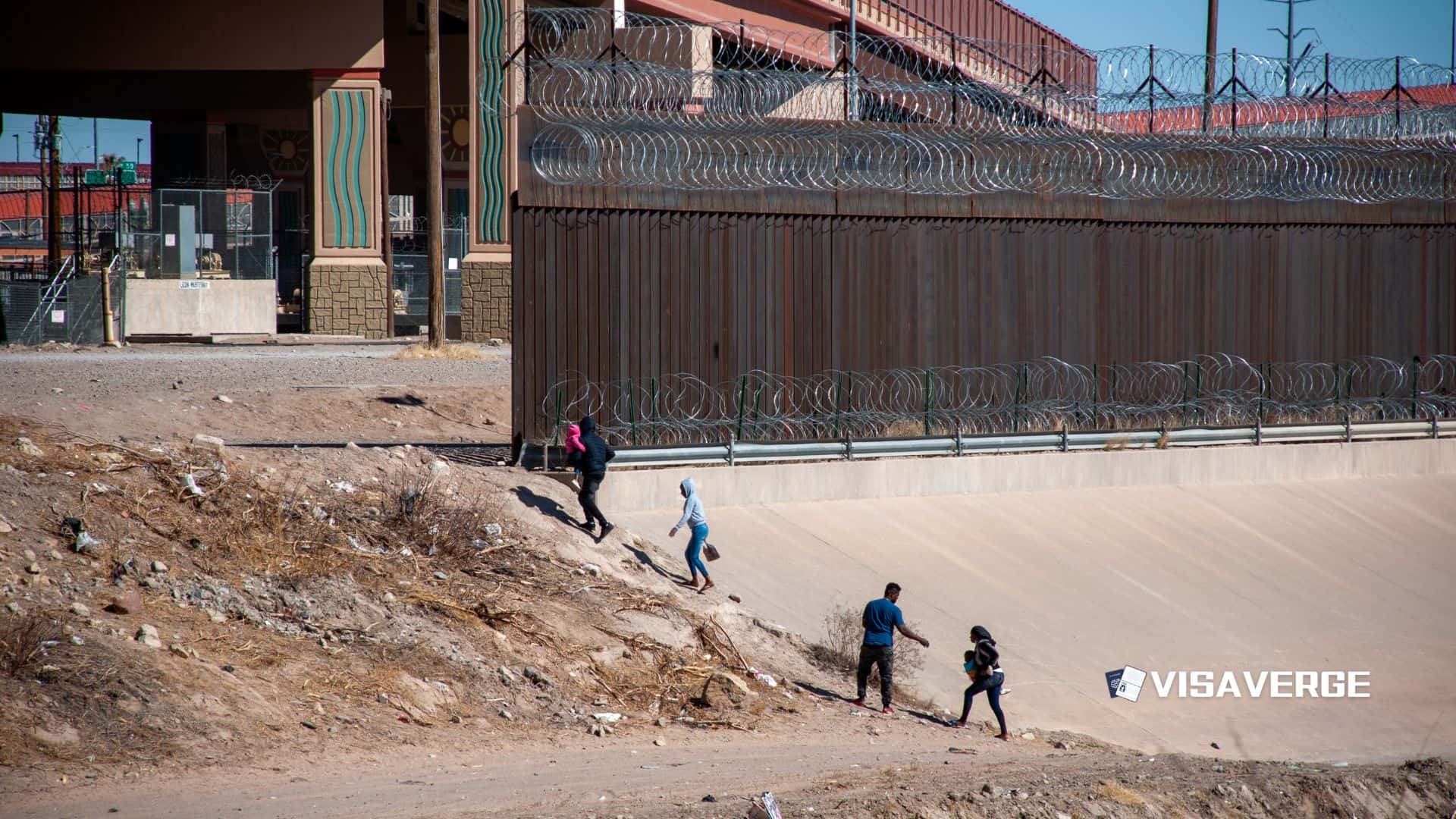
- The Fe y Esperanza caravan grew to more than 600 migrants as it resumed its northbound walk from Tapachula.
- Members from Honduras, El Salvador, Guatemala, Ecuador and Haiti have different plans; not everyone intends to reach the United States.
- Migrants cite delayed paperwork and scarce work in Tapachula, while the U.S. border remains hundreds of miles away.
More than 600 migrants resumed a northbound walk through Mexico on Monday, September 28, 2026, after the caravan grew from about 300 people in the south. It set out again from Tapachula.
The group began walking north Sunday night, September 27. More migrants already in southern Mexico joined along the way.

The caravan is called Fe y Esperanza. Most of its members are from Honduras, with people from El Salvador, Guatemala, Ecuador and Haiti also traveling with it.
The people walking together do not all share the same destination. Some aim for the United States; others intend to stay in Mexico.
Its route ran from Honduras through Guatemala into Chiapas
The first group left San Pedro Sula on September 20, 2026, according to one account of the journey. It traveled through Guatemala before reaching Mexico.
A separate account describes 20 migrants making a 184-kilometer walk from the Honduran city to Morales, Izabal, in Guatemala. The caravan later crossed into Mexico.
The group entered through the Rodolfo Robles International Bridge at Suchiate, Chiapas, on September 24. Around 300 people were in the caravan at the time.
Mexican immigration officials and police accompanied migrants at the crossing. Officers of the National Migration Institute, known as INM, were among them.
From the border, the walk to Tapachula covered roughly 40 kilometers and took about 12 hours. The route was difficult.
Heavy rain linked to Storm Rachel fell during the walk toward the city. The group reached Tapachula before continuing north days later.
Migrants point to stalled paperwork and scarce work
José Zelaya, a migrant from Honduras, said he hoped to reach the United States. He also said the caravan had no fixed leader.
“I want to get to the United States,”
Vinicio Obonaga, who is from Ecuador, said paperwork delays and unemployment in Tapachula led him to join. He was among migrants facing limited work and delays in the south.
The reported pressures include high living costs and difficulty securing permits or asylum appointments. Economic hardship and unemployment have also figured among the reasons migrants joined.
Tapachula has long served as a staging point for migrants waiting for work, asylum processing or travel permits. Some people pause there while trying to determine their next move.
Migrants in the caravan have said that traveling together can offer more security. They also believe walking as a group can help them avoid paying smugglers.
Members have different plans, and the U.S. border remains far away
Some participants said they planned to continue to the United States. Others said they intended to stay in Mexico, look for work or regularize their status.
The caravan remained hundreds of miles from the U.S. border. Its eventual size and destination remained uncertain as it moved north.
The group’s growth reflects the arrival of migrants already in southern Mexico, not only the original travelers. Its membership spans five countries, and individuals describe different reasons for joining and different plans ahead.
Those divergent plans leave the destination unsettled. Reaching the U.S. border is not the aim of every person in the group.
Tapachula’s long wait for permits is part of the backdrop
The caravan’s trip north began amid economic hardship, unemployment and difficulties securing immigration appointments in southern Mexico. Tapachula has become a place where migrants wait for work or a chance to pursue legal processes.
Its departure from Honduras also carried a political message. One account said migrants carried banners and slogans criticizing the government of Nasry Asfura.
The march is unfolding during heightened political attention to migration in the United States. The broader backdrop includes deportations and tougher anti-migration policies.
The group’s route and size could still change. It was already more than 600 strong by September 27-28, but remained far from the U.S. border.