- ECR and Non-ECR are internal Indian passport statuses, not foreign visa categories.
- Emigration clearance is required only for employment in eighteen specific countries.
- Travelers with tenth-grade education or higher usually qualify for Non-ECR status.
(INDIA) — Indian passport holders are checking whether their passports carry ECR or Non-ECR status before taking jobs overseas, as confusion over the labels continues to blur the line between India’s emigration rules and foreign visa requirements.
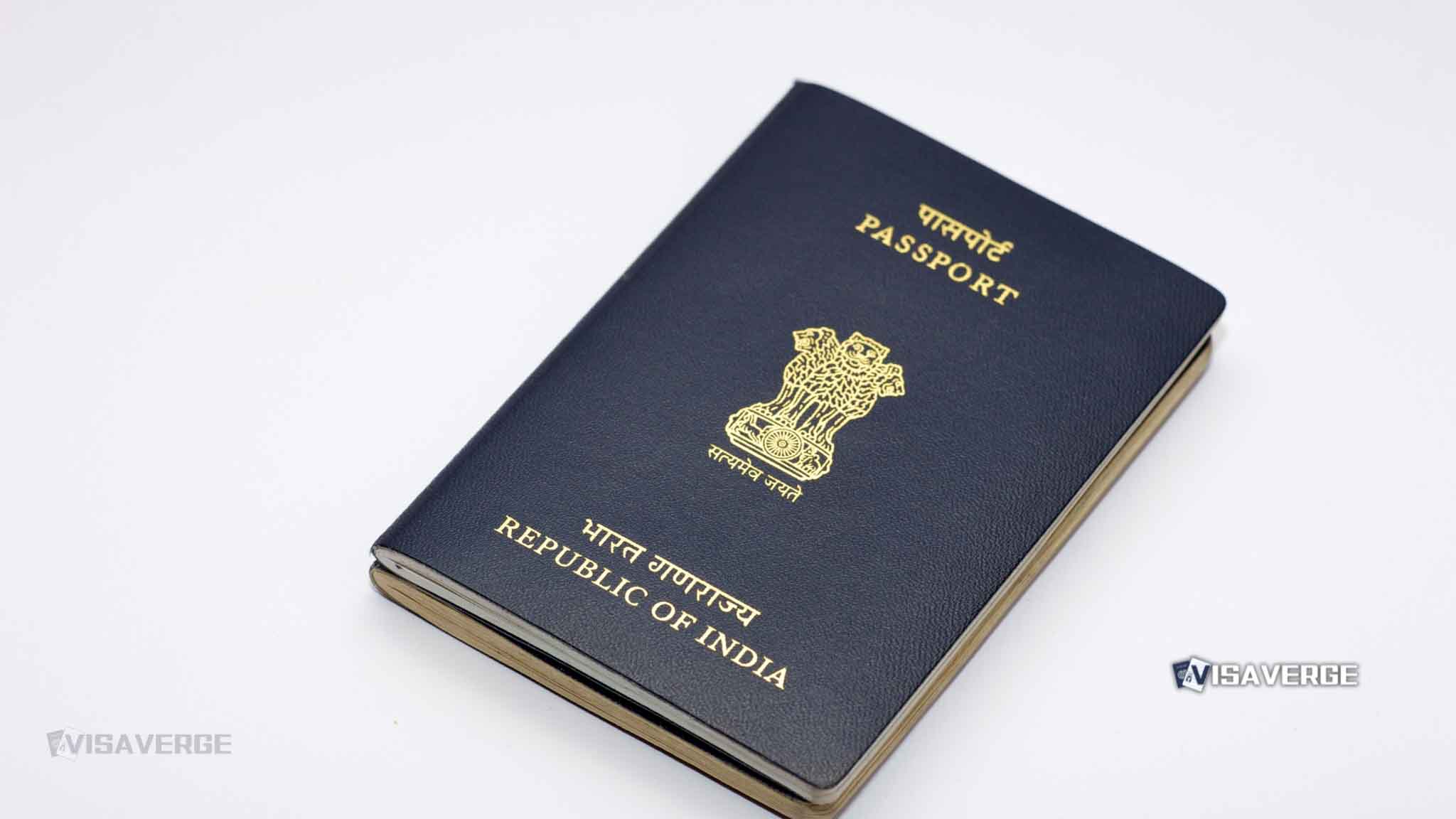
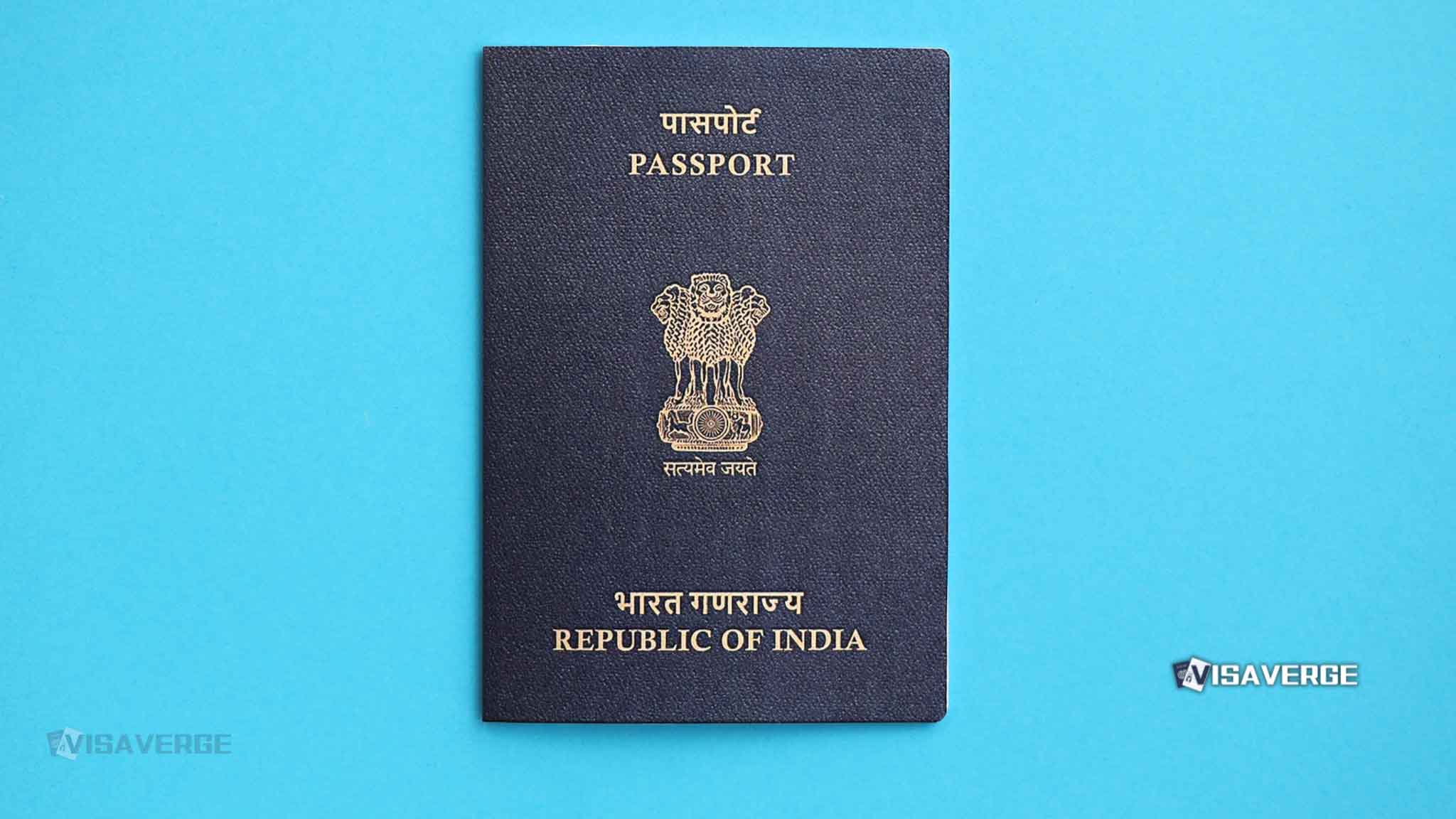
The distinction is basic but often misunderstood. ECR and Non-ECR are passport statuses used in India’s passport and emigration system, not visa categories issued by another country.
Free toolDS-160 Form Filling Online Helper Tool
That confusion persists because travel agents, employers and applicants often use the terms loosely, and some still refer to “ECR visa” or “ECNR visa.” No such visa exists. A foreign country issues a work visa, tourist visa, student visa or business visa; India classifies a passport as ECR or Non-ECR.
What Does ECR Mean?
ECR means Emigration Check Required. If an Indian passport has ECR status, the holder may need emigration clearance from the Protector of Emigrants before leaving India for employment in certain notified countries.
| India | China | ROW | |
|---|---|---|---|
| EB-1 | Feb 01, 2023 ▲109d | Jul 01, 2023 | Current |
| EB-2 | Nov 01, 2013 | Oct 01, 2021 ▲30d | Jan 01, 2025 |
| EB-3 | Jan 01, 2014 | Jan 08, 2022 ▲7d | May 15, 2024 ▼109d |
| F-1 | Jan 22, 2020 | Jan 22, 2020 | Jan 22, 2020 |
| F-2A | Sep 22, 2026 ▲31d | Sep 22, 2026 ▲31d | Sep 22, 2026 ▲31d |
Non-ECR means the passport holder does not fall under the Emigration Check Required category. The older term, ECNR, stands for Emigration Check Not Required, and current passport usage generally treats ECNR and Non-ECR as the same status.
India uses that system to protect workers who face higher risks in overseas recruitment. The emigration check framework allows the government to review employment arrangements before some workers depart for jobs abroad, with the stated aim of reducing illegal recruitment, fake job offers, contract substitution, exploitation of low-skilled workers, unsafe working conditions, non-payment of wages, trafficking risks and the role of unregistered recruiting agents.
Purpose of Travel Is Key
The Ministry of External Affairs states that persons holding ECR-endorsed passports and going to ECR countries for employment require emigration clearance. The ministry also states that ECR passport holders travelling to those countries for purposes other than employment generally do not require such clearance.
That makes purpose of travel as important as passport status. An Indian citizen with an ECR passport heading to an ECR country for a job falls under one set of rules; the same traveller going as a tourist, student or business visitor generally does not.
Who Qualifies for Non-ECR Status?
Many passport holders fall in the Non-ECR category. Common examples include people who have passed Class 10 or above, government employees, income-tax payers, certain professionals, persons above the prescribed age category, certain children and minors, and spouses or dependent family members in specified cases.
In practice, that means doctors, engineers, chartered accountants, advocates, students who passed Class 10 and many salaried or self-employed professionals will often hold Non-ECR passports. Government employees generally qualify, and a retired government employee may also qualify through education, age, tax status or another prescribed category.
ECR status generally applies to people who do not qualify under any Non-ECR category. The passport itself provides the first clue. If it carries an ECR endorsement, it is an ECR passport; if there is no ECR endorsement, it is generally treated as Non-ECR or ECNR.
ECR Countries: Which Destinations Are Affected?
The distinction matters most for overseas work in a group of notified destinations that India treats as ECR countries for employment-related compliance. Ministry material has referred at different times to 17 and 18 ECR countries, and a 2026 advisory refers to 18 ECR countries for employment-related registration.
The commonly cited list includes Afghanistan, Bahrain, Indonesia, Iraq, Jordan, Kuwait, Lebanon, Libya, Malaysia, Oman, Qatar, Saudi Arabia, South Sudan, Sudan, Syria, Thailand, United Arab Emirates and Yemen. Gulf destinations feature heavily on that list, which is one reason the rules draw attention from Indian workers and recruiters.
When Does Emigration Clearance Apply?
The trigger for emigration clearance is narrow but specific. It generally applies when all four conditions are present: the traveller is an Indian citizen, the passport has ECR status, the destination is an ECR country, and the purpose of travel is employment.
Remove one of those conditions and the result changes. A Non-ECR passport holder does not need emigration clearance in the same way. Travel for tourism, study, business meetings or family visits also generally falls outside the clearance requirement, even when the destination is an ECR country.
A person can also face two separate layers of compliance on the same trip. An Indian worker may hold an ECR passport and a Saudi employment visa at the same time, which means the Saudi visa requirement and India’s emigration clearance requirement must both be checked separately.
That split explains why the labels are often misread. ECR and Non-ECR belong to the Indian passport. The visa belongs to the destination country. One does not replace the other.
eMigrate Registration for Non-ECR Holders
Non-ECR status does not end every compliance step tied to overseas jobs. The Ministry of External Affairs has advised Non-ECR Indian emigrants going for overseas employment to 18 notified ECR countries to register online through the eMigrate website before departure, using the “ECNR Registration” link.
That means a Non-ECR holder travelling for work to the United Arab Emirates, Saudi Arabia or Qatar may not need emigration clearance, but may still need to check eMigrate registration requirements. Emigration clearance and eMigrate registration are related to overseas employment compliance, but they are not the same process.
Common Travel Scenarios Explained
Several common travel scenarios show how the rules work in practice. A government employee travelling to the United Arab Emirates for work will normally qualify for Non-ECR status, so emigration clearance is not required, though eMigrate registration should still be checked for employment travel to an ECR country.
A retired government employee travelling abroad may still qualify for Non-ECR through education, age, income-tax status or another category, and would need to present the relevant documents while applying for a passport or seeking re-issue. A businessperson going to Saudi Arabia will usually qualify for Non-ECR if the person pays income tax or has passed Class 10.
The purpose of travel changes the outcome again. If that businessperson is travelling for business meetings, emigration clearance is generally not the issue. If the trip is for employment, eMigrate rules should still be checked.
An ECR passport holder going to Qatar for employment sits in the clearest category for prior clearance. An ECR passport holder going to Dubai as a tourist generally does not.
The same pattern runs through many of the myths attached to these terms. ECNR is not a visa. ECR is not a visa. Foreign countries do not issue ECNR passports. Not all Indian passports are ECR, and ECNR and Non-ECR mean the same thing in practical use.
Documents Required for Non-ECR Status
Passport holders who qualify for Non-ECR status generally need documents that match the category under which they apply. Those can include a Class 10 pass certificate or higher educational certificate, income-tax proof, a professional qualification certificate, a government employment certificate, age proof, spouse or dependent proof where applicable, and other documents listed by Passport Seva.
Applicants seeking a fresh passport with Non-ECR status must register or log in on the Passport Seva portal, fill the application form, select the correct ECR or Non-ECR option, provide proof of eligibility, book an appointment at the Passport Seva Kendra or Post Office Passport Seva Kendra, attend with original documents and copies, complete police verification if applicable, and wait for the passport after processing.
People who already hold an ECR passport can shift to Non-ECR after they become eligible by applying for re-issue. That process requires the applicant to choose the relevant service for change in existing particulars or ECR status, select Non-ECR if eligible, submit proof, attend the appointment and carry the old passport with supporting documents.
Passport Seva’s re-issue guidance refers to submitting the old passport and relevant pages, including the ECR or Non-ECR page where applicable. That makes document preparation central to the process, especially for applicants moving from ECR to Non-ECR after gaining educational qualifications, entering government service or qualifying through income-tax status.
ECR and Non-ECR: An Indian-Only System
India’s use of ECR and Non-ECR remains unusual in one respect: it is not an international passport category at all. Other countries do not classify their citizens’ passports as ECR or Non-ECR, and foreign governments do not issue ECNR passports.
The labels sit entirely inside India’s passport and emigration system. That is why workers heading abroad for jobs need to answer three separate questions before departure: whether the passport is ECR or Non-ECR, whether the destination is one of the ECR countries, and whether the travel is for employment rather than tourism, study, business or family visit.
Those checks can decide whether the traveller must seek emigration clearance from the Protector of Emigrants, whether eMigrate registration applies, or whether neither step is needed. At Indian airports, that difference can separate a routine departure from a stopped journey.