- Indian-born minors can hold dual passports until age 18 under specific citizenship by descent rules.
- Adults must renounce foreign citizenship within six months of turning 18 to keep Indian status.
- Overseas Citizenship of India (OCI) offers a lifelong multi-entry visa as a practical alternative for families.
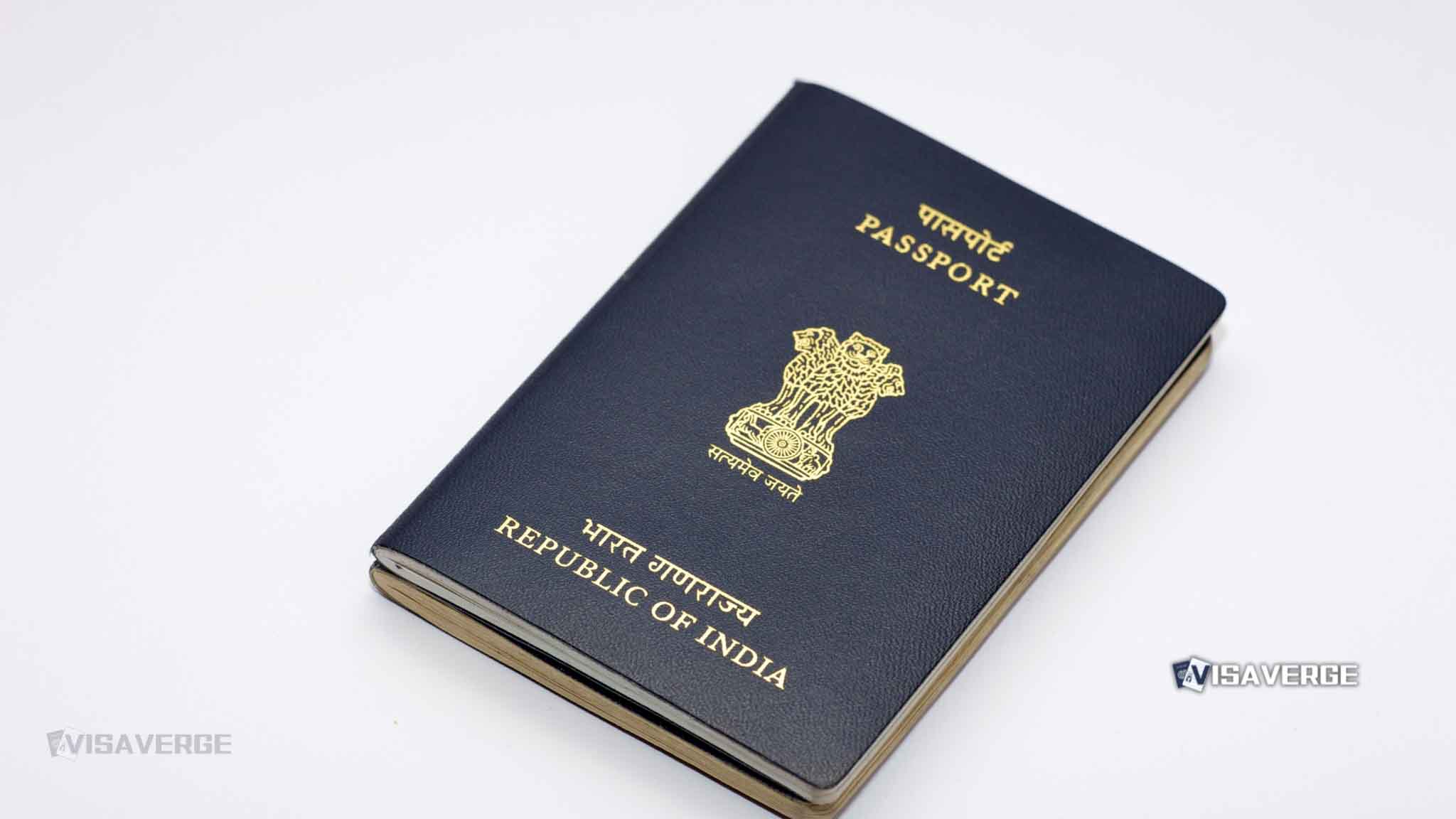
(INDIA) Foreign-born Indian minors can hold dual passports only for a limited period. Under Indian citizenship by descent, a child may keep Indian citizenship and another nationality until age 18, but after that birthday the law forces a choice under the Citizenship Act of 1955.
That deadline matters for families with Indian and foreign ties, especially those raising children in the United States. A missed step can end Indian citizenship automatically, while the right paperwork early on can preserve options until adulthood.
Indian citizenship by descent for children born abroad
India grants citizenship by descent to a child born outside India on or after December 10, 1992, if at least one parent was an Indian citizen when the child was born. The birth must be registered at an Indian consulate within one year.
Parents also must declare that the child does not hold another country’s passport at the time of registration. For minors, that rule still allows the practical reality of dual nationality in childhood when another country also recognizes the child as its citizen. The child can receive an Indian passport and keep the foreign citizenship until age 18.
That arrangement is narrow. It is not a free-standing right to dual citizenship for life. It is a temporary status tied to minority and the strict choice rule that follows in adulthood.
The age-18 choice and what the law demands
Once the child turns 18, the person must renounce the foreign citizenship within six months or lose Indian citizenship automatically. The law does not leave room for a long delay. It treats the decision as final once the deadline passes.
There is also no specific renunciation form for this exact situation right now. Families therefore need to keep close track of the birthday and the foreign nationality issue well before the six-month window closes.
Applying for a foreign passport, whether as a minor or later as an adult, can affect Indian citizenship eligibility unless renunciation happens after 18 in the way the law requires. That makes the order of events important.
Why the US rules matter for Indian families
The United States allows dual nationality without restriction. A US-born child of Indian parents becomes a US citizen at birth and may also qualify for Indian citizenship by descent if the Indian registration steps are done on time.
For those families, the child can carry an Indian passport while still being a US citizen until the Indian choice requirement applies at 18. US law, however, still requires US citizens, including dual nationals, to enter and leave on a US passport.
That means the family often lives with two legal systems at once. India asks the person to choose. The United States does not.
OCI as the long-term alternative
For many families, Overseas Citizenship of India, or OCI, becomes the practical alternative when full citizenship is not the best fit. OCI gives long-term ties to India without full citizenship rights.
Minor children of eligible persons of Indian origin, or of their parents or grandparents who were Indian citizens, can qualify if the other country allows dual nationality in some form. OCI gives a lifelong multi-entry visa, no police registration, and rights to work, study, and own property in India except agricultural land.
OCI is not the same as citizenship. It does not bring voting rights or government jobs. Still, it gives a stable legal link to India and can support a future path to citizenship after residency.
According to analysis by VisaVerge.com, OCI often becomes the most workable solution for families that want mobility, Indian access, and fewer citizenship risks at adulthood.
OCI fees, limits, and paperwork
The OCI registration fee is US$275 per applicant, or the local equivalent. Pakistan and Bangladesh citizens, including former citizens, are not eligible for OCI.
Applicants need evidence of Indian origin, proof of relationship to the Indian parent or grandparent, and the fee payment, often through a demand draft. Families should use the official Ministry of Home Affairs and Indian consulate instructions, because forms and submission steps change over time. The main government portal is the Ministry of Home Affairs OCI page.
For direct applications, the current portal also appears on OCI Services, which consulates use for registration and related requests.
How parents should handle the first registration
For Indian citizenship by descent, parents should register the birth at an Indian consulate within one year. They must include proof of the Indian parent’s citizenship and the declaration that the child does not hold another passport at the time of filing.
For OCI, the family should prepare the origin records first. That usually means birth certificates, marriage records where needed, and documents showing the Indian link through the parent or grandparent. The fee comes next, followed by the consulate’s filing rules.
The process is paperwork-heavy, but timing matters more than volume. A missed deadline for birth registration can close the door on citizenship by descent. A missed decision at 18 can close the door on Indian citizenship itself.
What families should expect from authorities
Indian consulates usually focus on proof. They look for the child’s birth record, the Indian parent’s status, and the timing of the application. If the file is complete, the consulate can register the birth and issue the passport or OCI-related instruction set.
For older minors reaching 18, authorities expect the citizenship choice to happen on time. They do not treat the deadline as a formality. The automatic-loss rule under the Citizenship Act of 1955 is strict, and families should plan around it well before the birthday.
US authorities follow a different path. They recognize the child as a US citizen from birth and do not restrict dual nationality. The main passport rule is simple: US citizens must use a US passport when entering or leaving the United States.
For parents raising children across India and the United States, the legal picture is clear but unforgiving. Dual passports work only within the rules. Indian citizenship by descent can be preserved for childhood, and OCI can keep the India connection alive after that.