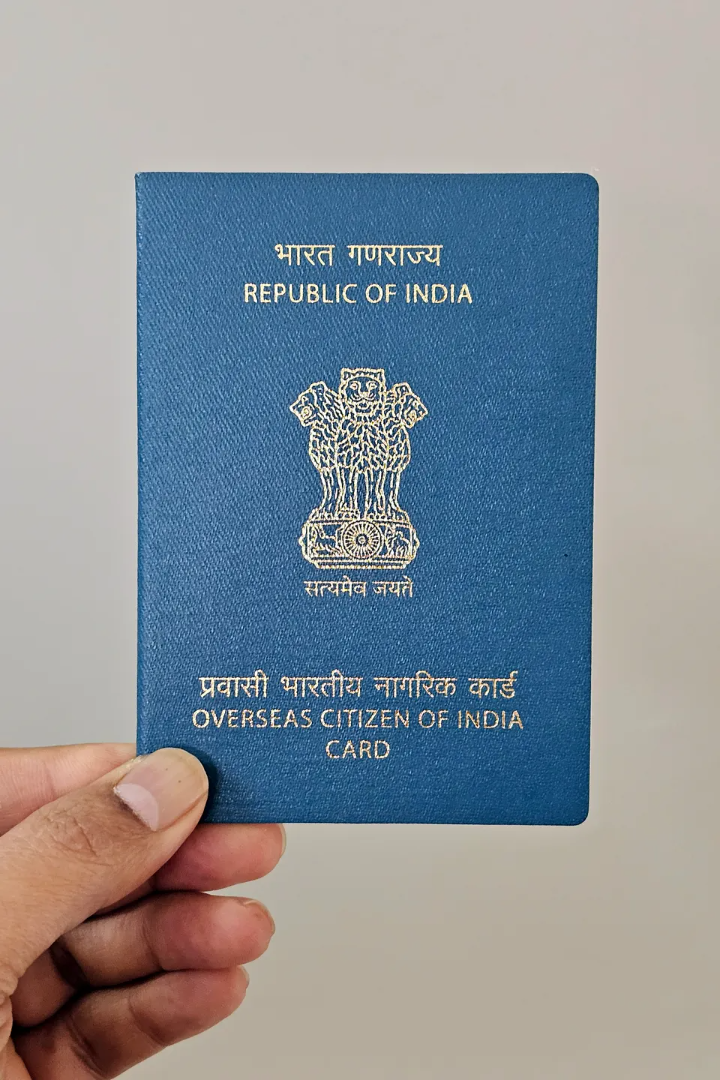
- India has launched a 100% digital Overseas Citizenship of India system for all applications and renewals.
- Minor children are now barred from holding dual passports while maintaining an Indian passport or OCI.
- A new digital e-OCI credential replaces physical cards, reducing approval times from weeks to just 15 days.
(INDIA) — India’s Ministry of Home Affairs notified the Citizenship Rules 2026 on April 30, 2026, putting into force a 100% digital OCI system and a new rule that bars minors from holding an Indian passport alongside any other country’s passport from May 1, 2026.
The changes shift all Overseas Citizenship of India applications, renewals and renunciations to ociservices.gov.in, replacing paper-heavy filing with electronic submission of biometric data and e-signatures. Successful applicants now receive an electronic OCI credential, while physical OCI cards remain available on request and are no longer mandatory for travel or immigration clearance in India.
Free toolSubstantial Presence Test Calculator
The same rules also tighten passport compliance for children. A new proviso states: “The minor child cannot at any time hold the passport of any other country while also holding the Indian passport.”
Parents must file an online declaration confirming that a child holds only one passport. Failure to report or surrender dual-passport status can trigger automatic cancellation of OCI status, closing what the rules describe as a grey area that had allowed some families to retain both an Indian and a foreign passport for a minor.
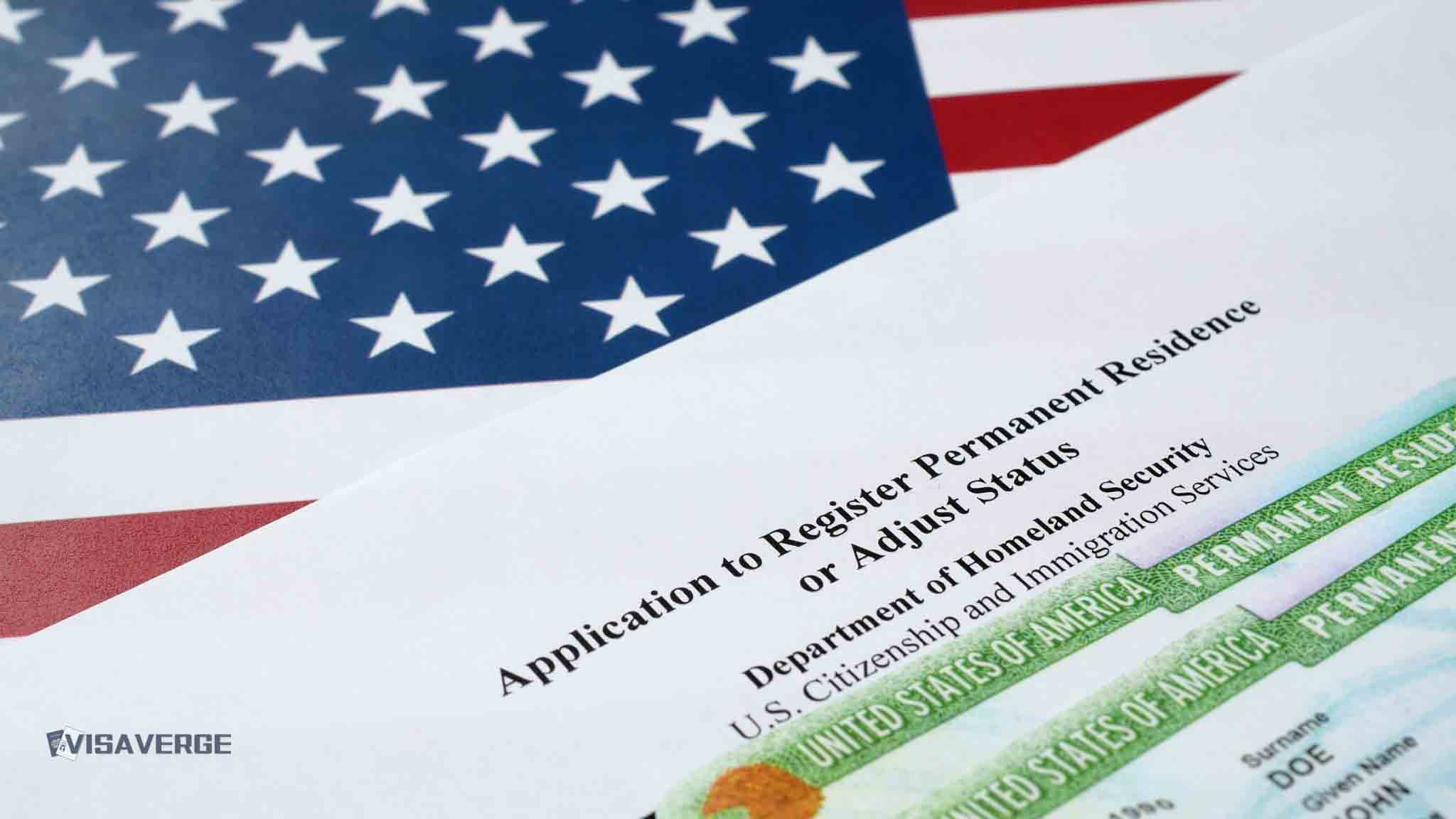
The Indian changes arrive as U.S. immigration authorities roll out separate 2026 measures that affect dual citizens and OCI holders living in the United States. USCIS put a “Hold and Review” policy into effect on January 1, 2026, with Policy Memorandum PM-602-0194 stating: “Effective immediately, this memorandum directs USCIS personnel to place a hold on all pending benefit applications for aliens. pending a comprehensive review.”
That hold primarily affects individuals from “high-risk countries,” which can include dual nationals. Later in the year, H.R. 1, the “One Big Beautiful Bill Act,” took effect on May 29, 2026, adding new fees and reporting requirements for immigration benefits.
DHS then issued an interim final rule on April 28, 2026 to carry out those provisions. The department said: “DHS is announcing an interim final rule to implement immigration fees and requirements from the H.R. 1 Reconciliation Act. to increase funding for immigration enforcement operations.”
Early 2026 U.S. guidance also requires fuller disclosure of foreign allegiances and travel documents, including OCI, on Form N-400 and Form I-485. Failures can be treated as misrepresentation.
Together, the Indian and U.S. measures sharpen the compliance burden for Indian-origin families with ties to both countries. U.S.-born children of Indian parents must now choose between a U.S. passport and an Indian passport if the family wants to stay within Indian law; holding both is now a violation that the new digital system can flag in real time.
The MHA overhaul removes the earlier requirement to submit documents in duplicate and turns OCI casework into an end-to-end online process. That includes first-time filings, renewals and renunciations, all lodged through the same portal, a change intended to cut physical paperwork and standardize identity checks.
Under the new structure, the e-OCI credential becomes the core record. Physical cards still exist, but they are optional rather than required, a change that reshapes how travelers prove OCI status at the border and how immigration officers verify it.
Indian authorities expect the digital shift to cut OCI approval times to 15 working days, down from 6–8 weeks. The same system is linked to the Fast-Track Immigration Programme, or FTI-TTP, allowing biometric data to be shared for real-time tracking at major airports including Delhi and Bengaluru.
Travel procedures are also changing before passengers even board a flight. Travelers now must complete a digital e-Arrival Card before departure to India, replacing the physical embarkation cards used earlier.
That combination of faster approvals and tighter digital verification captures the practical effect of the new rules. A family that once managed OCI paperwork with paper copies and in-person follow-up now files online, uploads biometrics and signatures, and enters a system that can compare passport status and travel records more quickly than before.
The ban on dual passports for minors stands out because it reaches a longstanding pressure point for families spread across jurisdictions with different citizenship rules. Indian law does not permit a child to keep an Indian passport while also keeping the passport of another country, and the revised framework now requires parents to attest to that status through an online declaration rather than informal practice.
Any mismatch carries a direct immigration consequence under the rules: OCI status can be cancelled automatically if dual-passport status is not reported or surrendered. That places the burden on parents to resolve the child’s passport position before applying for or maintaining OCI status.
The Indian rules themselves were issued by the Ministry of Home Affairs, not by U.S. agencies. Yet they matter directly to residents in the United States because OCI remains a widely used status for Indian-origin foreign nationals who want long-term travel and immigration clearance in India without holding Indian citizenship.
People filing U.S. immigration paperwork now face a second layer of scrutiny. USCIS and DHS do not administer India’s OCI program, but the 2026 U.S. changes cited here place more attention on foreign travel documents and dual-national ties, especially on naturalization and adjustment filings made through Form N-400 and Form I-485.
That means an OCI card or e-OCI credential, once treated largely as a travel convenience, now sits inside a broader compliance picture. Indian authorities have digitized the credential and tied it to biometric tracking, while U.S. authorities have increased reporting demands tied to foreign allegiances and travel documents.
The official portals now sit at the center of that process. India directs OCI users to ociservices.gov.in, while U.S. immigration updates appear through the [USCIS Newsroom](https://www.uscis.gov/newsroom) and dual citizenship travel warnings appear through the [U.S. Department of State](https://travel.state.gov).
The result is a sharper set of choices for families managing Indian and U.S. status at the same time. Under the Citizenship Rules 2026, the move to a 100% digital OCI system promises quicker processing, but the ban on dual passports for minors leaves less room for delay, paper fixes or quiet workarounds once a child’s passport status enters the online record.