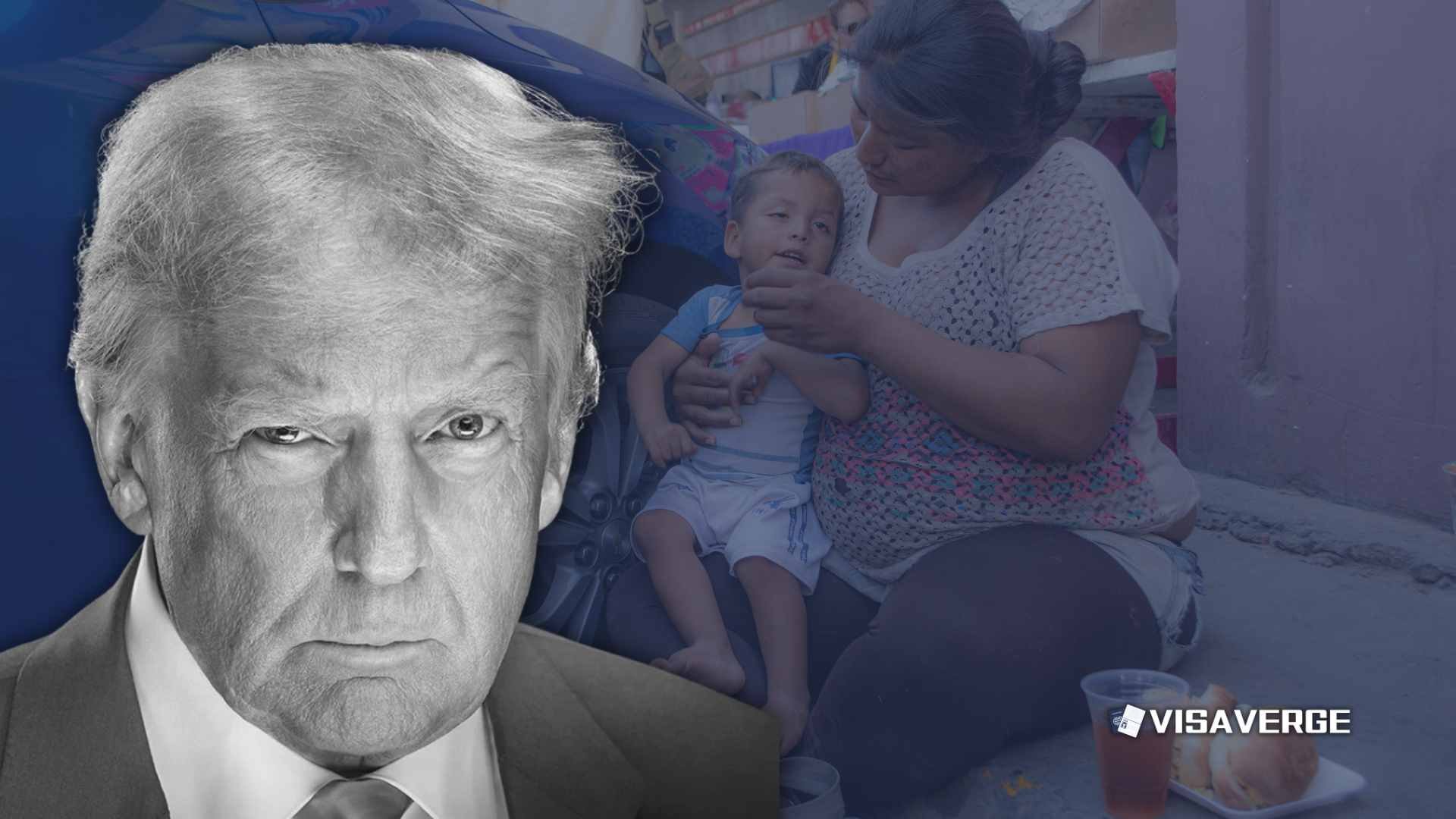
- The Trump administration is targeting up to 2,400 citizenships for revocation annually using new monthly quotas.
- Acting Attorney General Todd Blanche launched 12 high-profile cases involving allegations of terrorism, war crimes, and espionage.
- The Justice Department must provide clear and convincing evidence of fraud to successfully revoke U.S. citizenship.
(UNITED STATES) — The Trump administration has intensified efforts to strip citizenship from naturalized Americans, pushing a denaturalization campaign that now runs on internal monthly targets and a surge of new federal court cases.
As of May 11, 2026, the drive marks a sharp break from decades in which denaturalization cases were rare. The administration has cast the campaign as part of a broader war on fraud and an effort to restore integrity to the immigration system.
Free toolSubstantial Presence Test Calculator
Acting Attorney General Todd Blanche announced on May 8, 2026 that the Justice Department had launched 12 denaturalization cases. “Individuals implicated in committing fraud, heinous crimes such as sexual abuse, or expressing support for terrorism should never have been naturalized as United States citizens. The Trump administration is taking action to correct these egregious violations of our immigration system,” Blanche said in a Justice Department statement.
Assistant Attorney General Brett A. Shumate described the pace in even broader terms that same day. “This Department of Justice continues to file denaturalization actions at record speeds to restore integrity in our naturalization process. We remain committed to leveraging every tool available under the law to pursue those who obtain their U.S. citizenship unlawfully,” Shumate said.
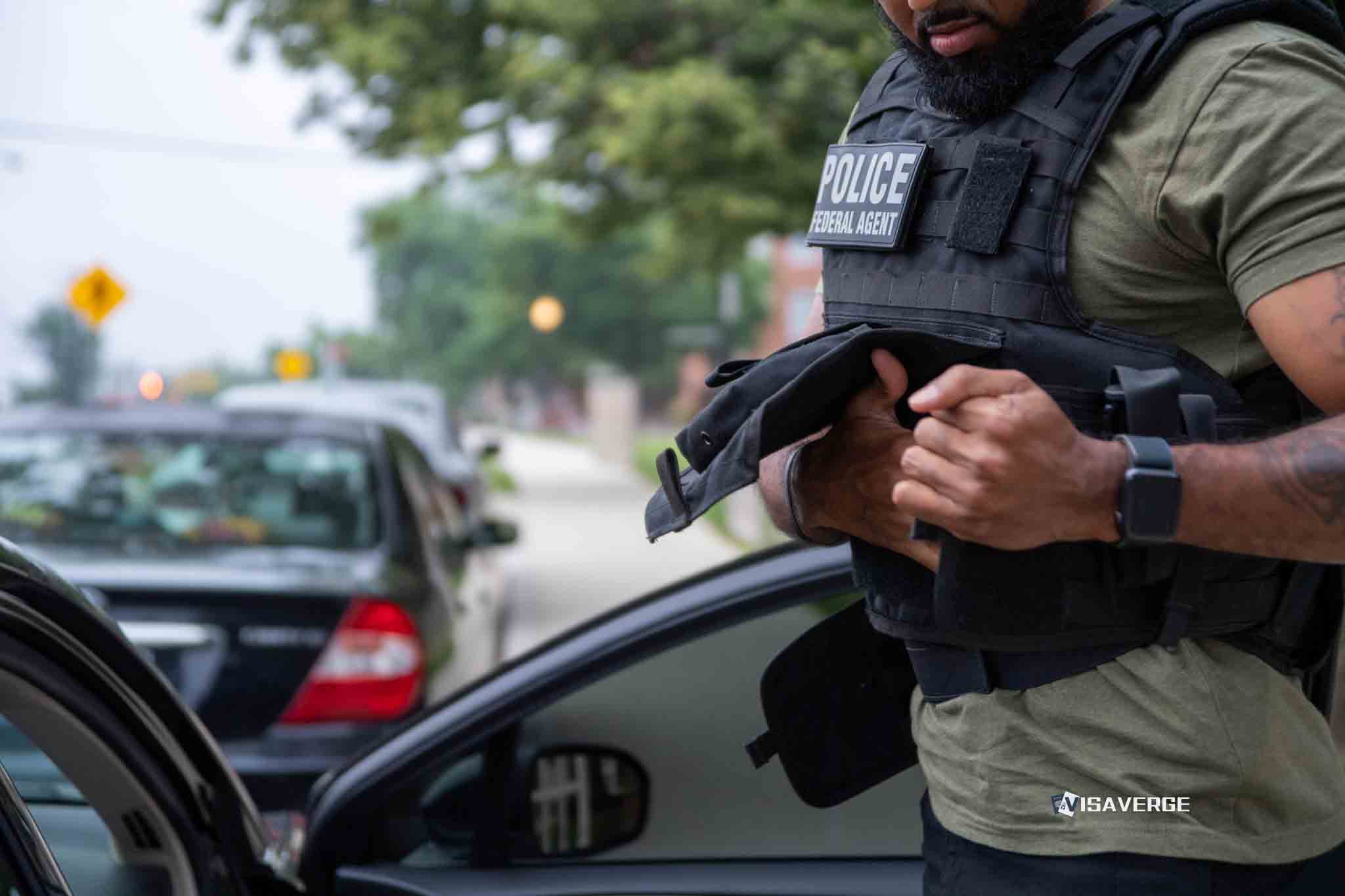
Internal guidance issued in late 2025 directs USCIS field offices to refer 100 to 200 denaturalization cases per month to the Justice Department’s Office of Immigration Litigation. Annualized, that amounts to as many as 2,400 cases per year, compared with a historical average of roughly 11 cases per year between 1990 and 2017.
That volume is being screened by a specialized task force inside the Justice Department’s Civil Division. The unit reviews monthly referrals from the FBI, ICE and USCIS, then prioritizes cases involving national security concerns or violent criminal histories.
The administration has publicly tied the campaign to the most serious allegations. Officials have highlighted terrorism, war crimes and espionage, while also leaving room to pursue other matters the division considers important, including Medicare and Medicaid fraud and sham marriages.
The legal bar has not changed. Under the Supreme Court’s 2017 ruling in Maslenjak v. United States, the government must prove with “clear, convincing, and unequivocal” evidence that citizenship was obtained through material misrepresentation or fraud.
USCIS and the Department of Homeland Security have used similarly hard language in recent months. Matthew Tragesser, a USCIS spokesperson, said on February 13, 2026, “We maintain a zero-tolerance policy towards fraud in the naturalization process and will pursue denaturalization proceedings for any individual who lied or misrepresented themselves. We will continue to relentlessly pursue those undermining the integrity of America’s immigration system.”
In December 2025, Tricia McLaughlin, assistant secretary for homeland security, said, “Under U.S. law, if an individual procures citizenship on a fraudulent basis, that is grounds for denaturalization.” USCIS has also posted newsroom updates and policy manual material tied to immigration system integrity.
The newest cases announced this month show the kinds of allegations the government is putting forward. One involves Ali Yousif Ahmed Al-Nouri, an Iraqi native accused of assassinating two Iraqi police officers in 2006 and then concealing that conduct during his 2009 entry into the United States and later naturalization.
Another targets Baboucarr Mboob, a Gambian native and former military officer accused of taking part in the extrajudicial execution of six fellow officers in 1994. The government says he concealed that conduct during his 2011 naturalization.
A separate case, announced in a Justice Department press release on May 7, 2026, seeks to revoke the citizenship of Victor Manuel Rocha, a Colombian-born naturalized citizen and former U.S. diplomat convicted of acting as a covert agent for Cuba for decades.
Those filings have drawn attention because denaturalization has long carried an aura of rarity. The new campaign challenges the assumption, widely held among immigrants and their families, that citizenship becomes settled except in the most extreme circumstances.
Civil rights advocates have raised concerns that a quota-driven system will leave naturalized citizens in a different category from Americans who acquired citizenship at birth. The fear is not confined to people accused of war crimes or espionage. Among the country’s 26 million naturalized citizens, the rise in filings has stirred anxiety that old mistakes on dense immigration forms could now become grounds for lawsuits years later.
The administration’s public framing has centered on fraud and severe misconduct, but the referral guidance goes beyond those categories. By allowing officials to pursue any cases the division deems sufficiently important, it gives the government room to widen the campaign beyond the highest-profile national security cases.
That breadth, paired with a referral stream of up to 200 per month, has also raised questions about capacity. A system built to handle a few denaturalization cases each year now faces a much larger volume, creating pressure on Justice Department lawyers and federal courts that will test how carefully each filing gets screened before it reaches a judge.
The lawsuits themselves remain civil actions, but the stakes are high. If the government wins, a naturalized citizen loses the legal status that anchors voting rights, passport eligibility and the security that citizenship is meant to provide.
Within the Trump administration, the message has been blunt and consistent. Blanche has presented the new wave of denaturalization cases as a correction to past grants of citizenship, while Shumate has pointed to a record filing pace as proof that the department intends to keep using the tool.
What happens next will depend less on the rhetoric than on the courts, where each case still turns on whether the government can meet the demanding fraud standard set out in Maslenjak. That test now stands between an administration pressing for hundreds of referrals each month and a citizenship oath that many naturalized Americans once believed closed the matter for good.