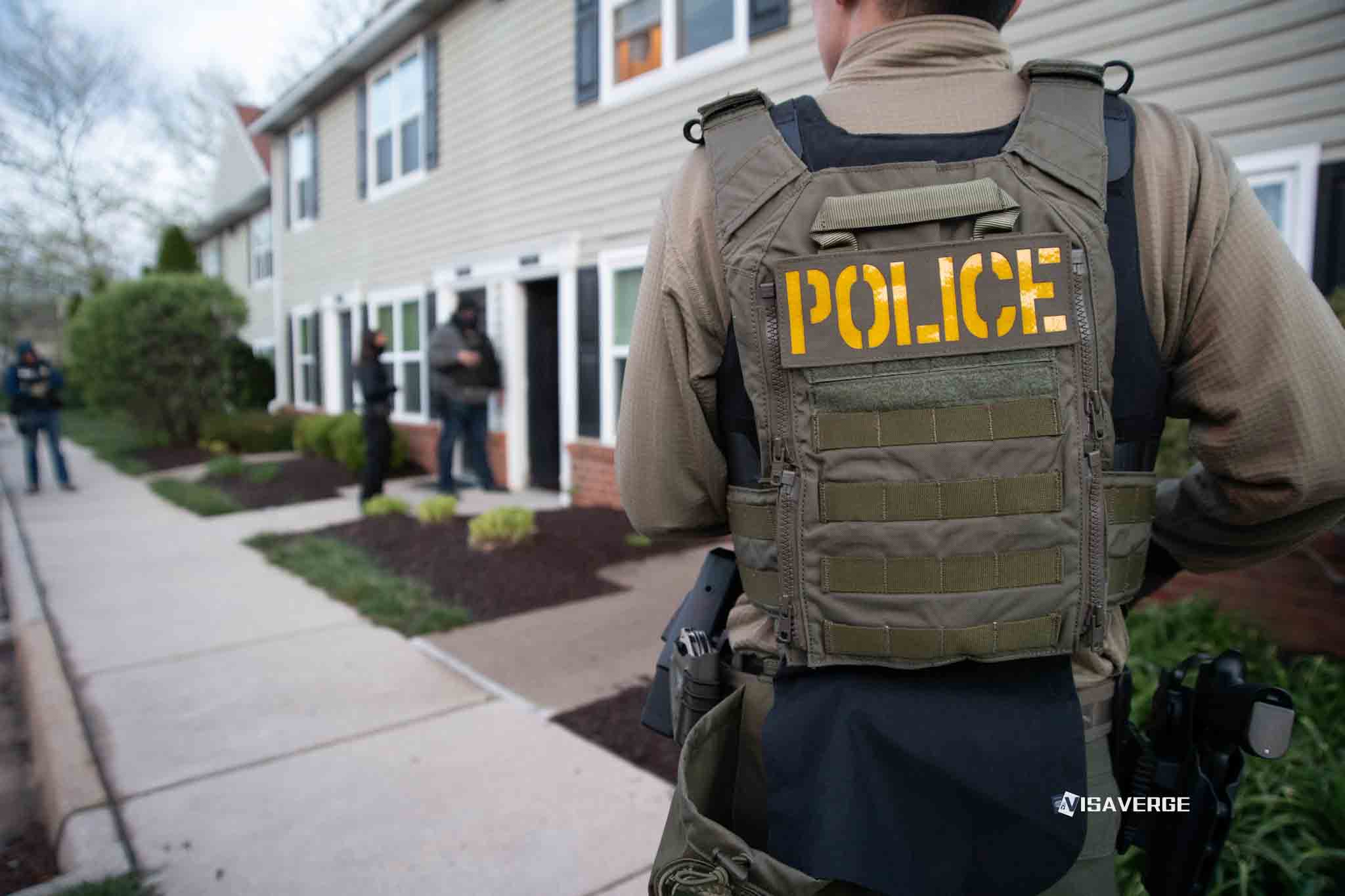
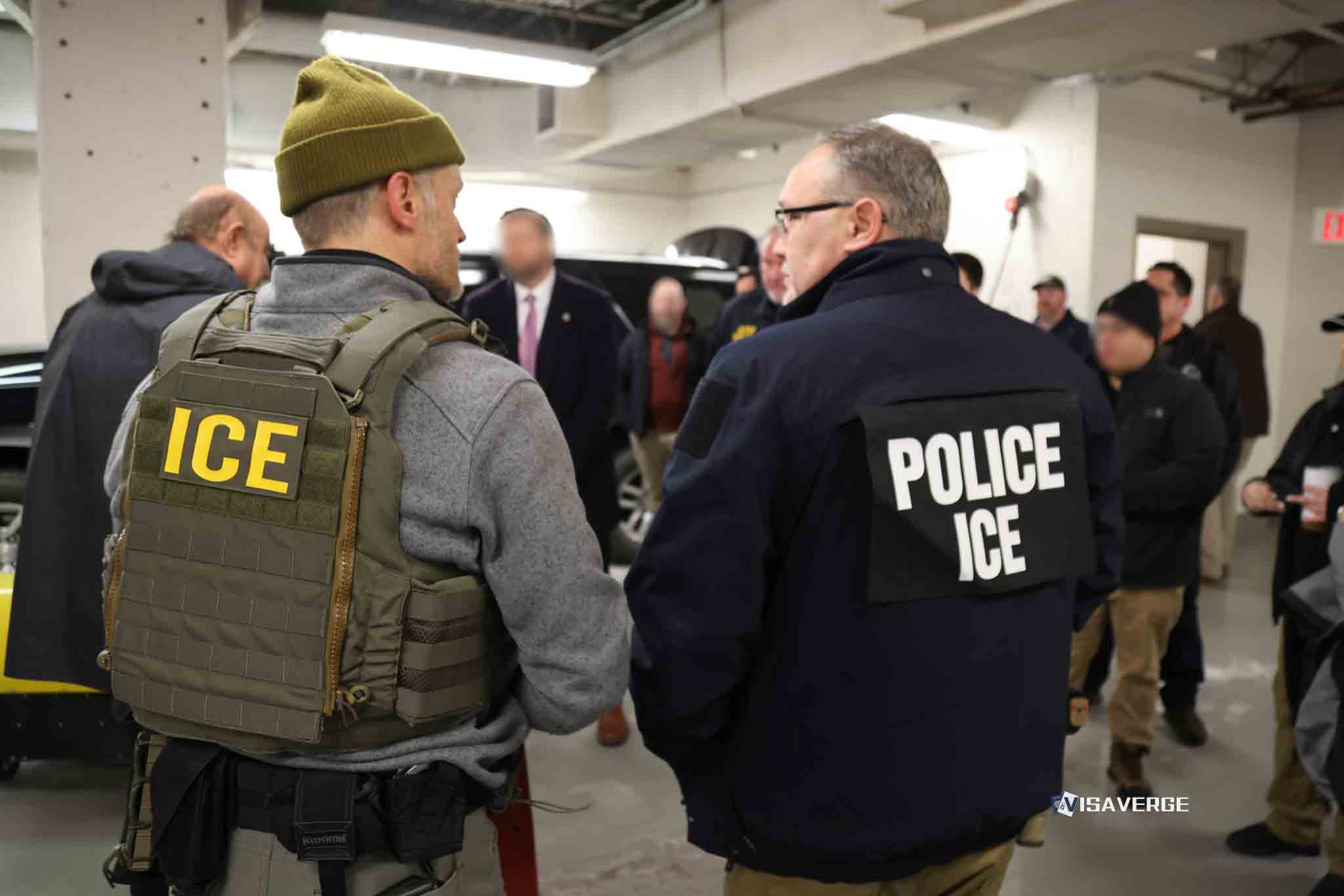
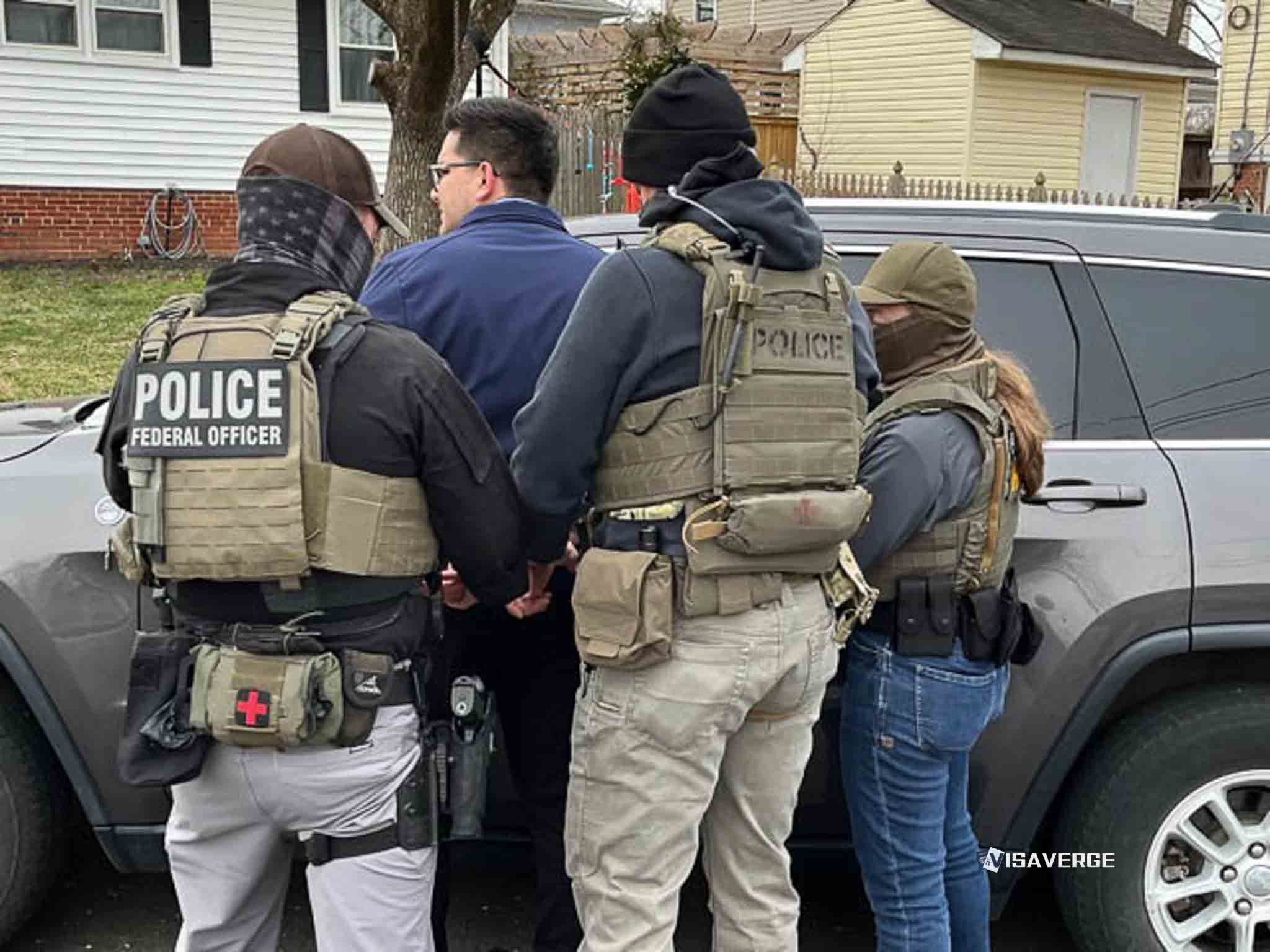
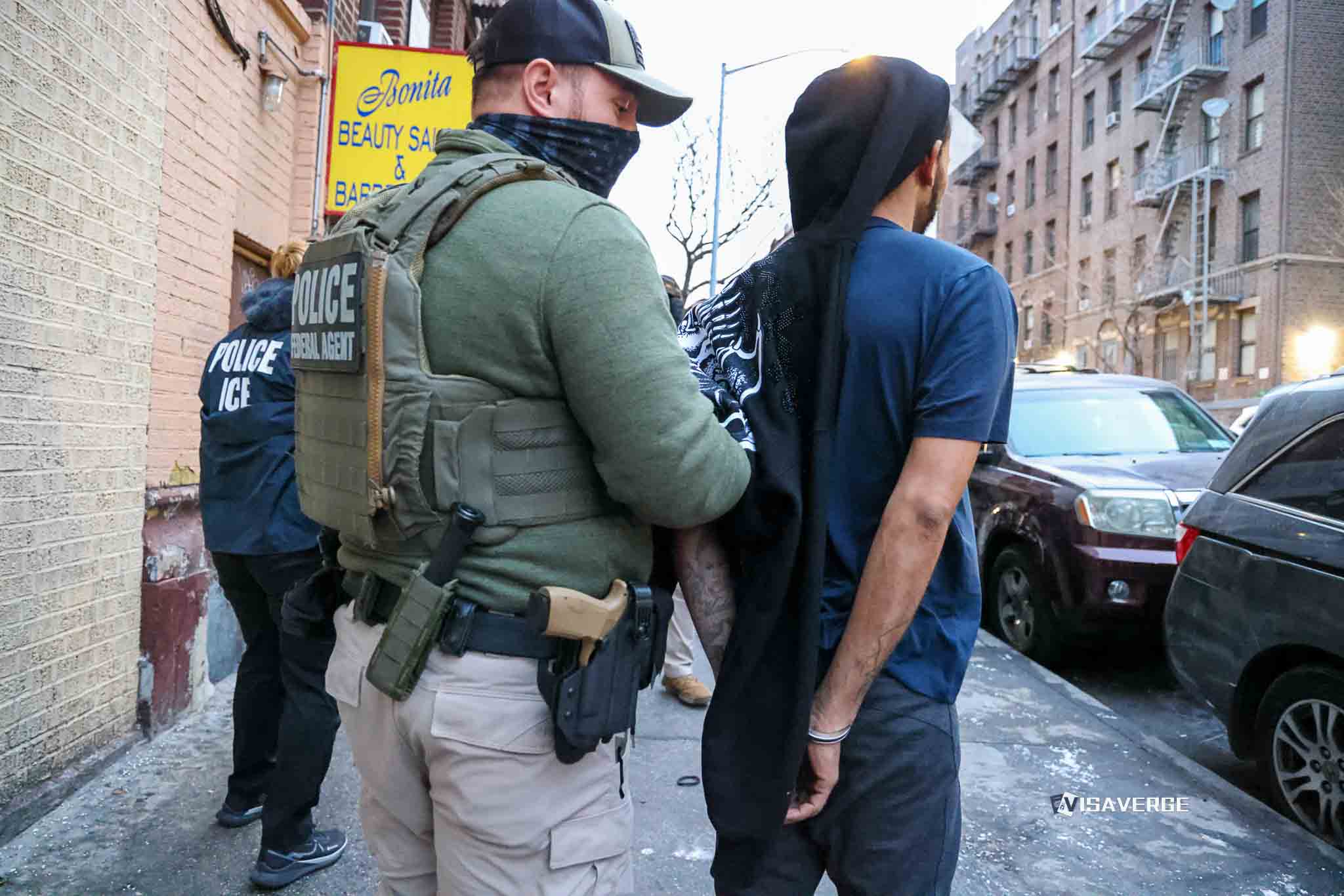
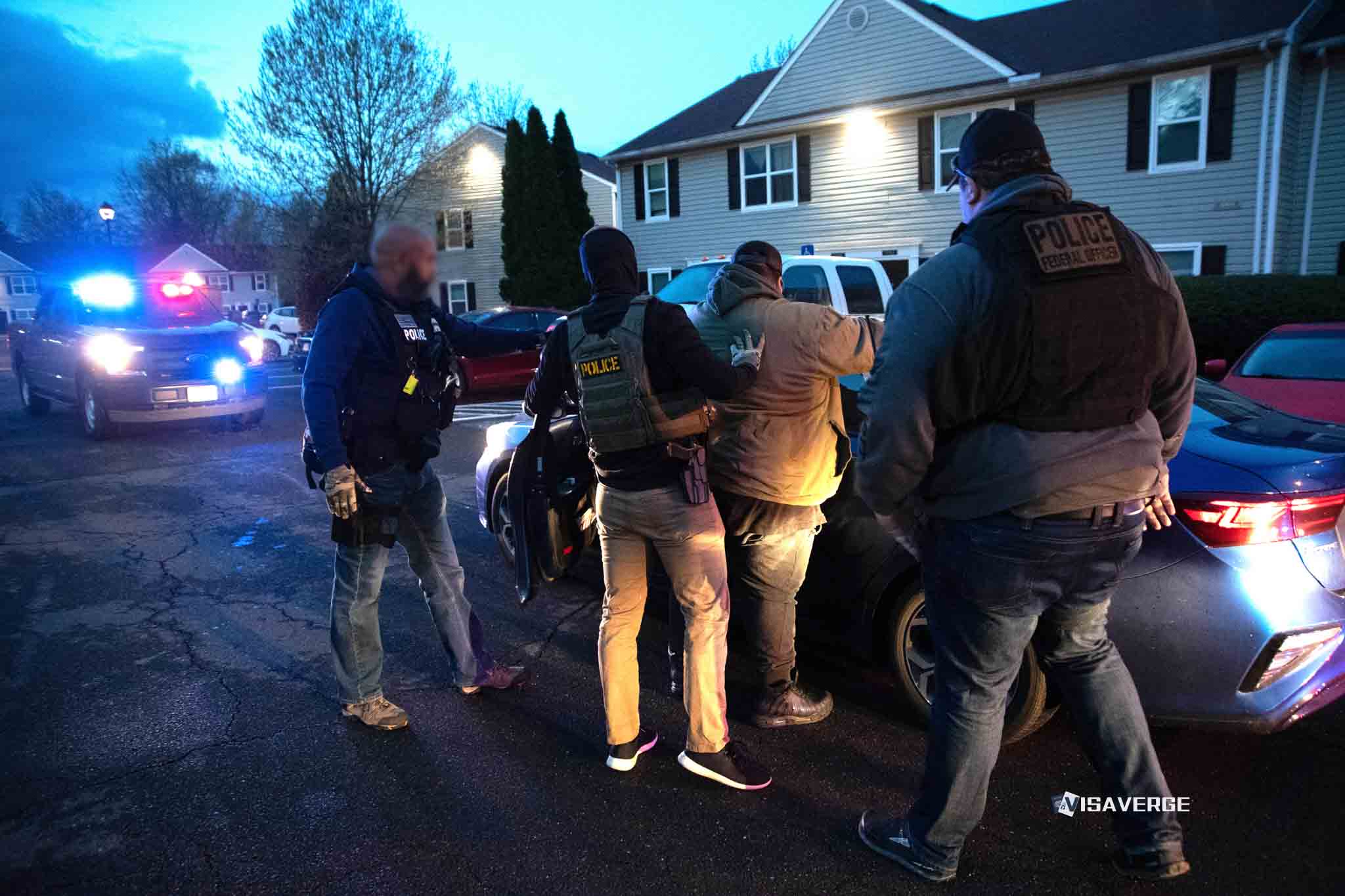
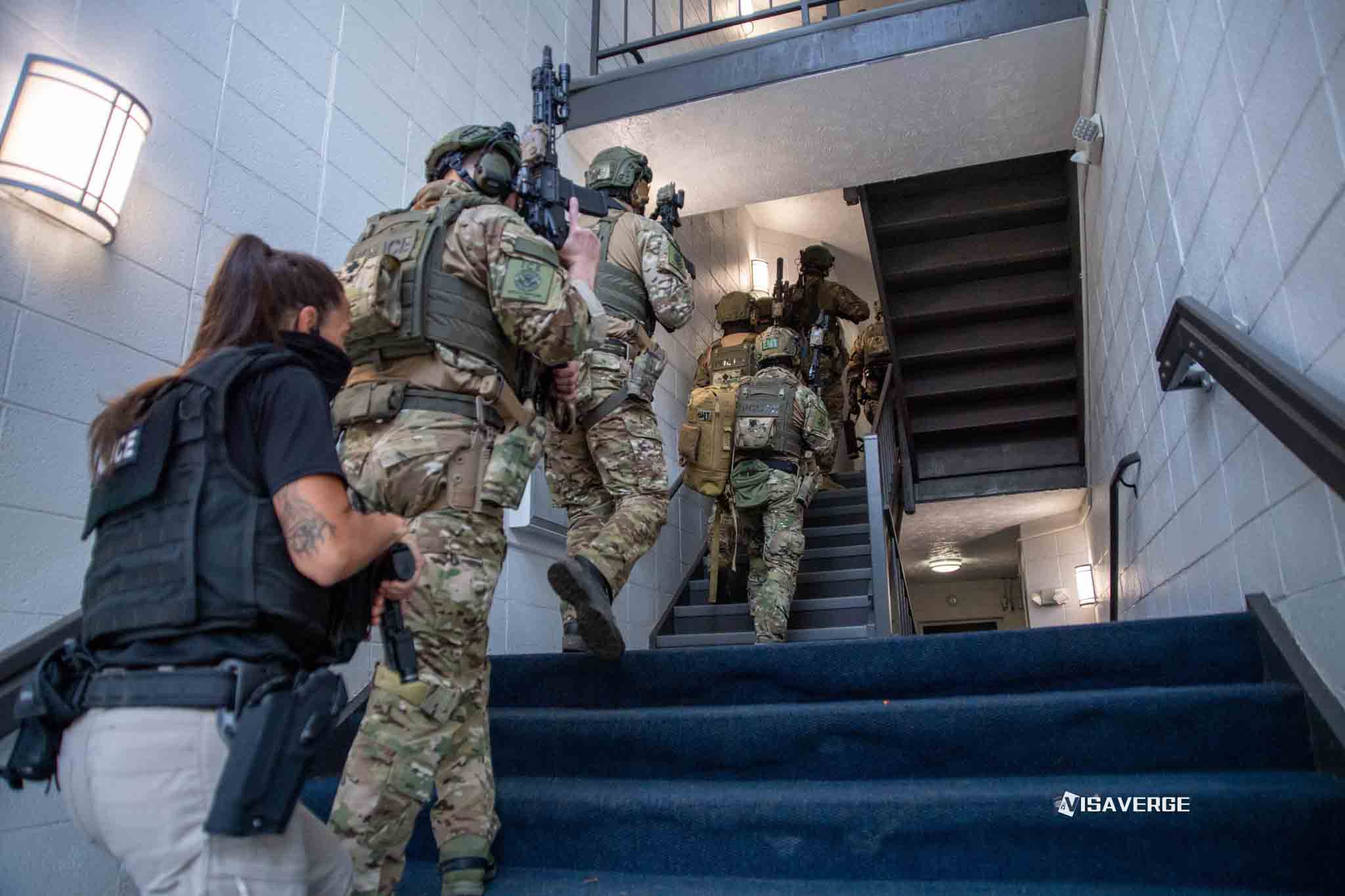
ICE arrests and detentions in Maine surged sharply in the weeks before the July 13, 2026 shooting in Biddeford, with internal data showing arrests climbing to about 70 per day in early July after running near 17 per day in early June. The escalation came as federal and state authorities opened investigations into the shooting, which killed Johan Sebastián Guerrero, a 26-year-old Colombian immigrant authorized to work in the United States.
- July 13, 2026: An ICE officer fatally shot Johan Sebastián Guerrero during a targeted operation in Biddeford; agents were surveilling a different individual with a final order of removal, and Guerrero was not the intended target.
- Guerrero was identified as a Colombian native with a Social Security number and work authorization, a detail that intensified scrutiny of the operation.
- Maine Attorney General Aaron Frey launched an investigation, while the FBI, Maine State Police, and the Department of Public Safety responded to the scene.
- ICE ordered a temporary pause on most vehicle stops nationwide on July 14, 2026 after two fatal shootings six days apart, and President Trump overturned that suspension on July 15, 2026.
MAINE — Governor Janet Mills demanded answers from the U.S. Department of Homeland Security on January 22, 2026, after federal agents launched what she called a sweeping surge of immigration enforcement that set off fear across Maine.
Mills used a news conference to press DHS to disclose the legal basis for the operation and to explain how agents carried out arrests that residents and local officials said unfolded with little warning.
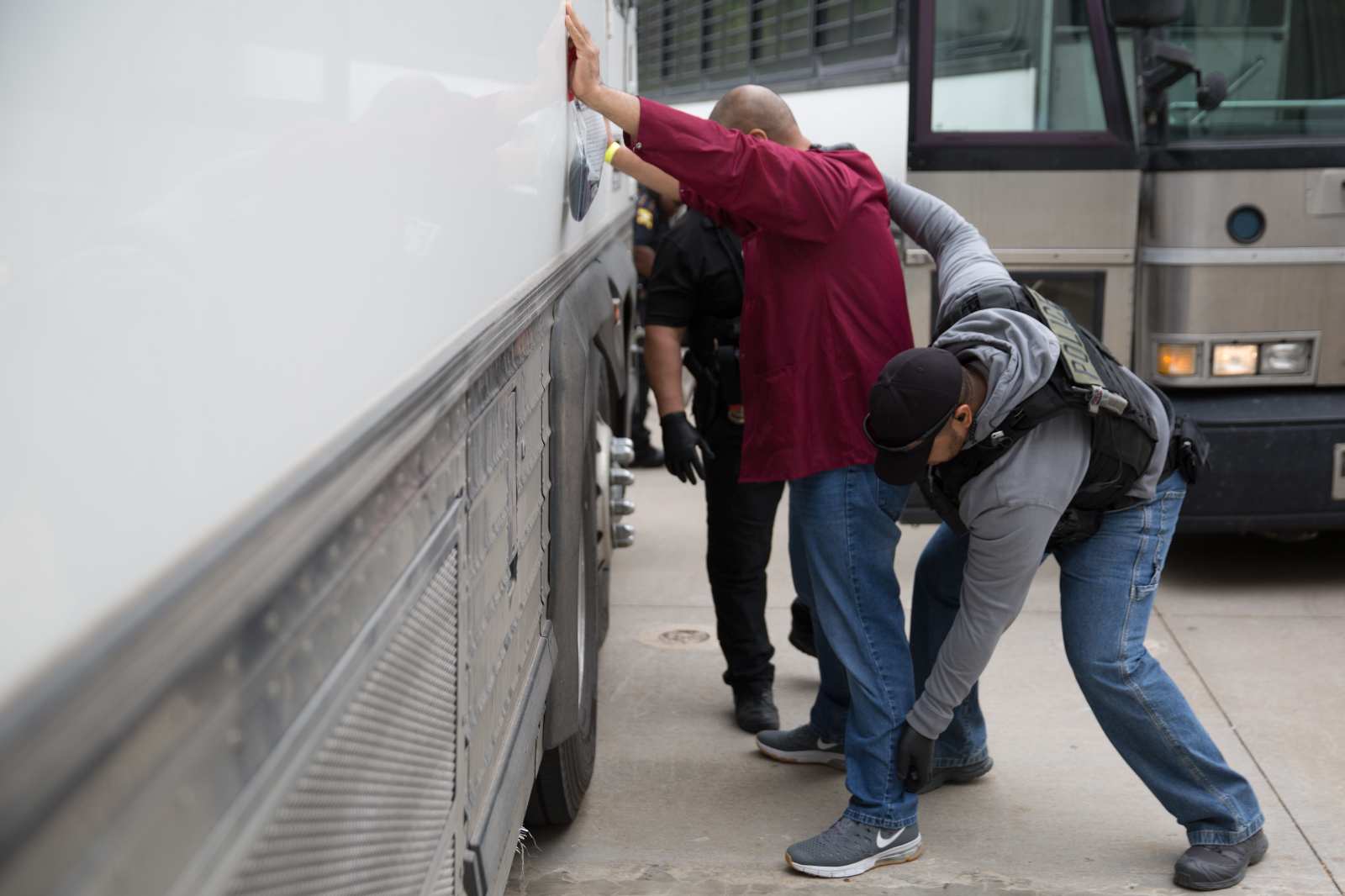
“If they have warrants, show the warrants. In America, we don’t believe in secret arrests or secret police.”
She said the moves raised questions about transparency and the potential for intimidation when enforcement happens without notice.
| India | China | ROW | |
|---|---|---|---|
| EB-1 | Feb 01, 2023 | Aug 01, 2023 ▲31d | Current |
| EB-2 | Nov 01, 2013 | Oct 01, 2021 | Apr 01, 2025 ▲90d |
| EB-3 | Jan 22, 2014 ▲21d | Jan 22, 2022 ▲14d | Jun 15, 2024 ▲31d |
| F-1 | Jan 22, 2021 ▲366d | Jan 22, 2021 ▲366d | Jan 22, 2021 ▲366d |
| F-2A | Oct 22, 2026 ▲30d | Oct 22, 2026 ▲30d | Oct 22, 2026 ▲30d |
DHS confirmed it began “Operation Catch of the Day” in Maine and said it focused on criminal targets, including what it called “the worst of the worst criminal illegal aliens who have terrorized communities.”
DHS Deputy Assistant Director Patricia Hyde said in an interview that the agency identified 1,400 targets in Maine and made approximately 50 arrests on the operation’s first day.
Mills framed the crackdown as testing basic due-process expectations in communities now watching agents detain people outside homes and workplaces.
“But if they are separating working mothers from young children, solely because they sought freedom here and have committed no crime, then the Federal government is only sowing intimidation and fear and fostering division and suspicion among neighbors — none of which is welcome.”
The governor also said her efforts to contact the White House about the operation did not get a response, deepening tensions between the state and federal authorities at a moment when residents and school officials said they were trying to respond to fast-moving activity.
DHS officials cast the operation as a direct response to what they described as resistance from state leaders.
“Governor Mills and her fellow sanctuary politicians in Maine have made it abundantly clear that they would rather stand with criminal illegal aliens than protect law-abiding American citizens. We are no longer allowing criminal illegal aliens to terrorize American citizens,”
said Assistant Secretary Tricia McLaughlin on January 21, 2026.
Federal officials said the operation unfolded across multiple cities, with enforcement activity reported in Portland, Lewiston, Westbrook, South Portland, Biddeford, Scarborough, Waterville, and Belfast.
Community groups and local residents shared accounts of agents appearing in neighborhoods and commercial areas, prompting immediate changes in routines that advocates said resembled an emergency response.
The surge followed Mills allowing LD 1971 to become law, a measure that limits state and local police from participating in federal immigration enforcement, though it is not scheduled to take effect until mid-July 2026.
The law’s enactment, ahead of its effective date, provided a political backdrop as federal officials pursued a campaign that state officials described as escalating without coordination.
LD 1971 limits state and local police from participating in federal immigration enforcement, setting boundaries that supporters said aimed to clarify roles while critics said created obstacles.
That framework, still months from taking effect, shaped how state leaders described their posture: demanding information from DHS while pointing to limits on how local agencies can assist.
Mills’ criticism focused on transparency and process as much as the enforcement numbers. She challenged DHS to disclose where people were being held and to show warrants if they exist, while arguing that secrecy around immigration arrests can spread panic beyond the individuals detained.
DHS, in its own messaging, highlighted arrests it said demonstrated the operation’s focus. An official DHS statement said agents arrested individuals from Sudan, Guatemala, Ethiopia, and Angola, and cited crimes including aggravated assault and false imprisonment.
Hyde’s estimate of approximately 50 arrests on the first day, paired with the agency’s claim of 1,400 targets in Maine, intensified the political stakes in a state where city leaders, school administrators, and advocacy groups said they were fielding urgent questions from residents.
The state’s large geographic footprint and smaller cities meant reports of enforcement quickly traveled across communities.
In Portland, the day-to-day impact became visible at public schools as families sought reassurance and administrators assessed potential risks around school buildings.
Portland Public Schools implemented lockouts at two locations on Wednesday due to nearby ICE activity.
Immigrant advocacy groups urged residents in areas they described as heavily affected to reduce movement as agents worked nearby.
Project Relief Maine, Presente! Maine, and No ICE for Maine advised residents in high-activity areas like Greater Portland to “shelter in place.”
Reports of families keeping children home from school and avoiding work or bus stops circulated as the operation expanded, reflecting what local groups described as a chilling effect extending beyond those directly targeted.
Residents also described staying inside homes for fear that routine trips could lead to contact with federal agents.
State officials viewed the Maine surge as part of a broader national strategy, including “Operation Metro Surge” in Minnesota. In Maine, officials characterized the timing and messaging as a political response to the state’s recent “sanctuary” style legislation.
The dispute played out against competing narratives about who federal agents were seeking and who they were actually detaining. DHS described a targeted crackdown on criminal elements, while Mills warned that arrests carried out without clear disclosure risk sweeping up people with no criminal record and leaving communities unsure of their rights.
That concern sharpened with a court order involving a detainee in Scarborough. A federal judge ordered ICE to explain the detention of a reportedly non-criminal Angolan man in Scarborough, raising questions about how DHS selected people for arrest under an operation described as aimed at the “worst of the worst.”
DHS promoted its broader enforcement posture through official channels and a new public-facing portal. The department’s public updates run through the DHS Press Room, and it also publicized arrests through wow.dhs.gov, described as a federal portal launched in early 2026 to publicize arrests of criminal non-citizens.
State messaging and updates from Mills’ administration ran through the Maine Governor’s Office, as the governor sought to centralize information for residents and to apply public pressure for details she said federal officials had not shared.
Federal immigration agencies also distribute national announcements through the USCIS Newsroom, though the Maine operation centered on DHS.
As the first days of “Operation Catch of the Day” unfolded, the clash left local institutions trying to plan around uncertainty, from school lockouts to advocacy alerts about where agents appeared.
“If they have warrants, show the warrants. In America, we don’t believe in secret arrests or secret police.”
Mills’ demand at her news conference set a clear benchmark for her administration’s stance.
Maine Governor Demands DHS Show Warrants Over Immigration Arrests
Governor Janet Mills has confronted the Department of Homeland Security over a large-scale immigration enforcement operation in Maine. While DHS claims the surge targets serious criminal offenders, Mills and local advocates criticize the lack of transparency and the resulting climate of fear. The operation has led to school disruptions and legal challenges regarding the detention of non-criminal individuals, reflecting deep state-federal divisions over immigration policy.