- Air India has extended flight suspensions to major Middle Eastern hubs until late March 3.
- Regional airlines are managing significant international cancellations due to ongoing airspace closures.
- Affected travelers are being offered full refunds and rebooking without additional fees.
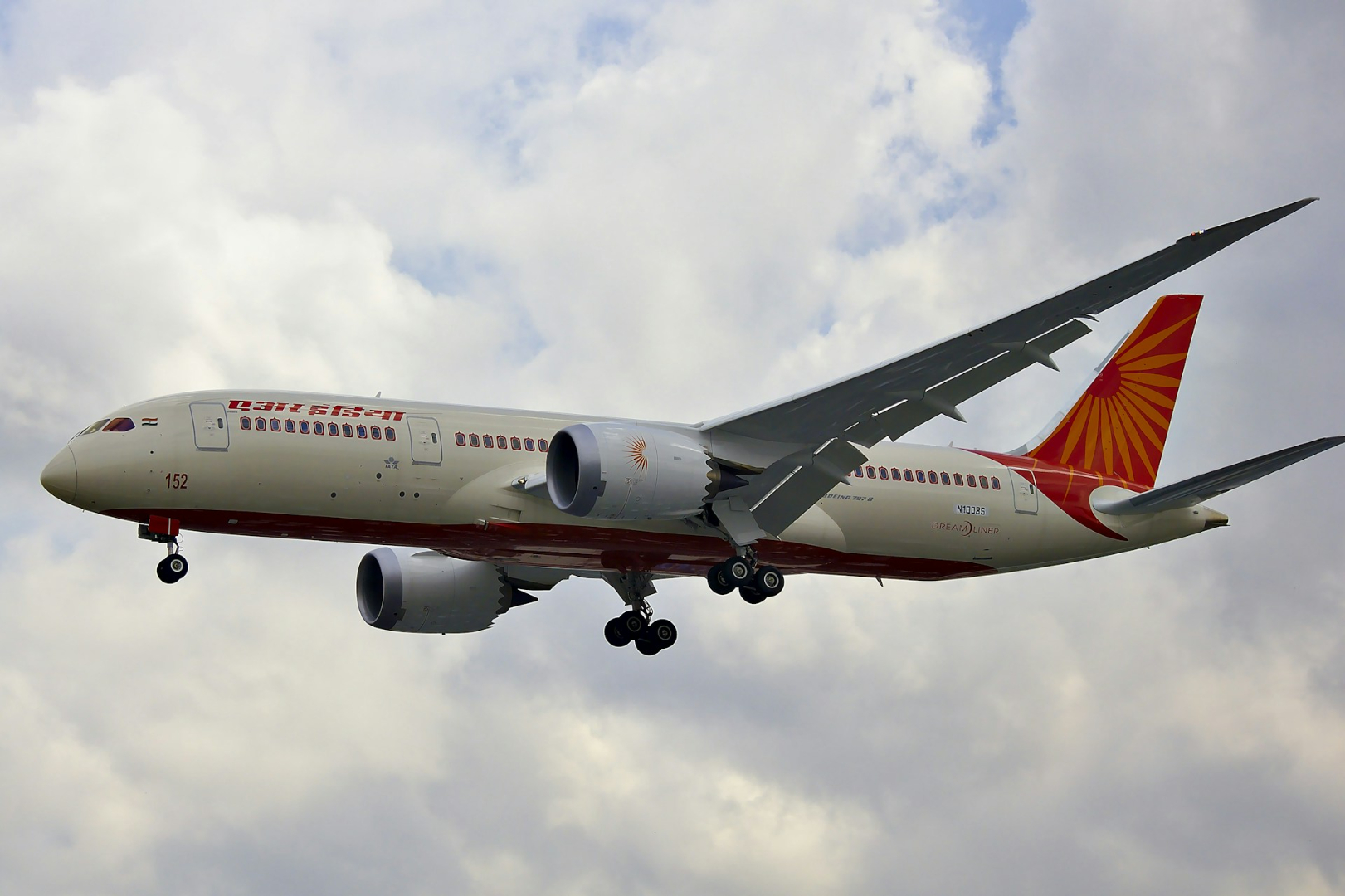
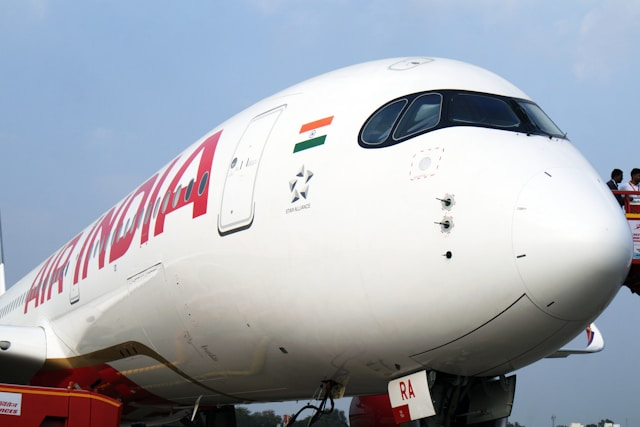
(INDIA) — Air India extended the suspension of all flights to and from the UAE, Saudi Arabia, Israel, and Qatar until 2359 hrs IST on March 3, 2026, citing ongoing Middle East airspace closures linked to regional conflicts involving Iran, the US, and Israel.
The latest extension kept in place a rolling halt that the carrier has updated day by day, as airlines across the region adjust to changing access over Iran, the Gulf, the Middle East, Israel, and nearby areas. Air India did not announce a specific resumption date for the affected routes.

Air India restored operations to the USA, Canada, Europe, and the UK where feasible, even as it continued to keep some Europe-bound services in check. On March 1, the airline suspended services until 2359 hrs IST on March 2 and added cancellations for select Europe-bound flights on March 2, including return legs.
Air India’s March 2 announcement pushed the cutoff to 2359 hrs IST on March 3 and said the airline was prioritizing passenger and crew safety amid the continuing closures. That approach has meant repeated short extensions rather than a single long suspension, with the carrier tying its next steps to real-time assessments.
The disruption has cut across the India-to-Gulf travel market and forced airlines to rework networks that typically rely on direct routings over the Middle East. Diversions have also continued to affect some long-haul flights between India and North America or Europe, with rerouted operations going via Delhi.
A sharp rise in cancellations underscored how quickly the airspace closures have spilled into airline schedules from Indian airports. The impacts included 411 international flights canceled from India on February 28 and 350 on March 1, including 57 at Mumbai alone.
The day-to-day timeline of Air India’s updates captured the shifting situation as access opened and shut across different corridors. On March 1, the airline extended its suspension to 2359 hrs IST on March 2, then on March 2 it moved the cutoff again to 2359 hrs IST on March 3.
Air India said it would continue to issue extensions daily, based on assessments of airspace availability, security, and operational feasibility, with further updates promised as the situation evolves. The carrier’s approach leaves travelers watching for the next notice, rather than a fixed return date.
Other Indian carriers also adjusted services, with some resuming limited operations while keeping other sectors grounded. IndiGo showed partial recovery by resuming four Jeddah flights to Mumbai, Hyderabad, and Ahmedabad on March 3.
IndiGo also suspended other services to Doha, Medina, Bahrain, and Ras Al Khaimah, reflecting how quickly airlines have had to redraw schedules around the airspace closures. The uneven pattern has left different city pairs operating under different constraints even within the same airline.
Air India Express suspended flights to Bahrain, Kuwait, Oman, Qatar, Saudi Arabia, and the UAE until 2359 hrs IST March 2 and recorded over 110 cancellations. Akasa Air suspended flights to Abu Dhabi, Doha, Jeddah, Kuwait, and Riyadh until March 2.
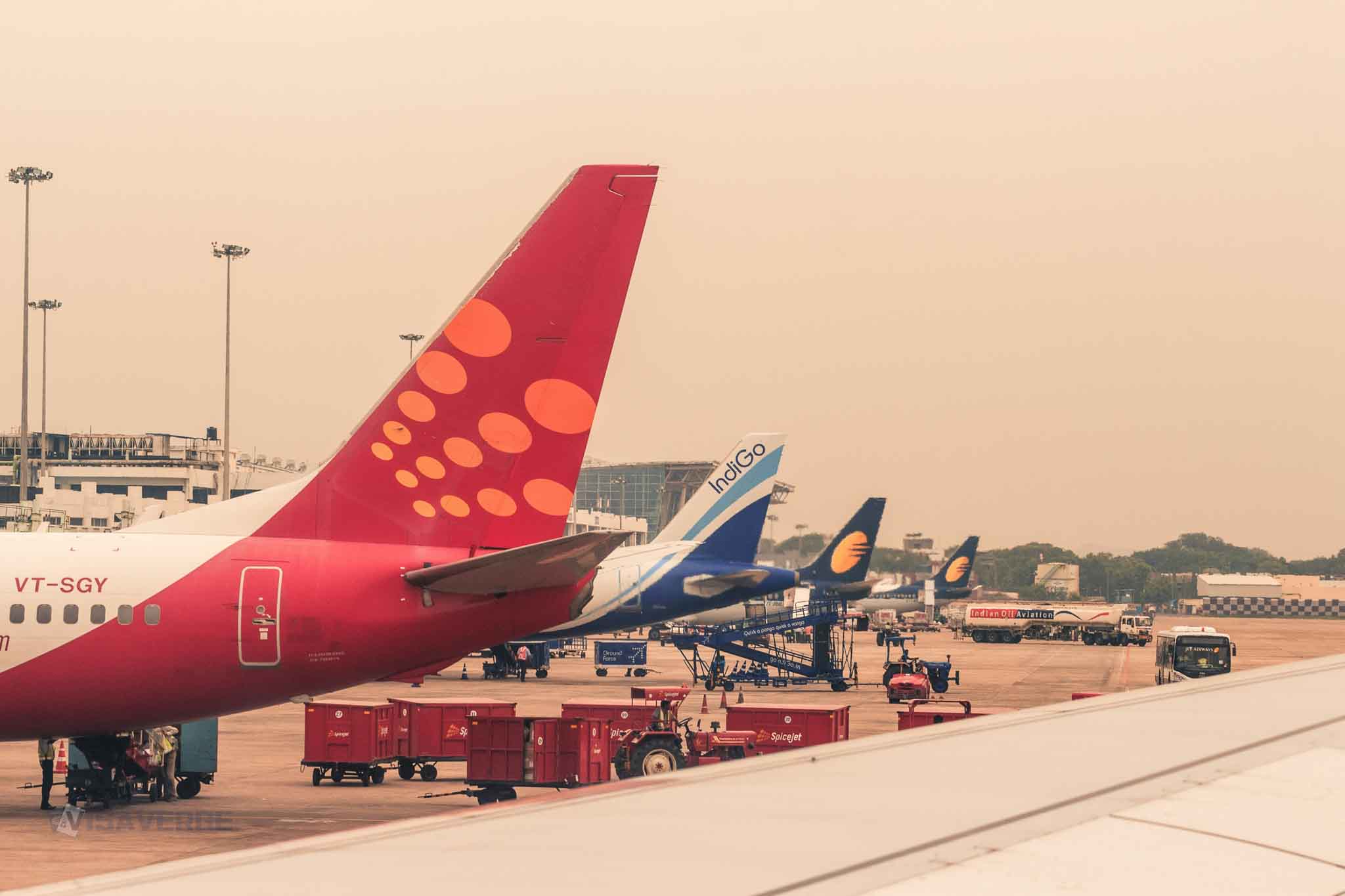
SpiceJet suspended India-UAE flights until March 1, adding to a broader pullback from Gulf routes that normally carry a large share of regional traffic. Together, the actions by Indian airlines highlighted the difficulty of maintaining predictable rotations while airspace access remains uncertain.
International airlines also faced similar disruption as carriers recalculated what routings remained workable and which services had to be paused. Emirates suspended Dubai operations until 1500 hrs UAE time March 2.
Qatar Airways halted operations pending airspace reopening, while Etihad suspended Abu Dhabi operations until 1400 hrs UAE March 3. Lufthansa said it was avoiding UAE airspace until at least March 4, reflecting how some carriers responded by steering clear of specific airspace rather than pausing all services.
The impact has been especially visible on routes where airlines depend on crossing Middle Eastern corridors to link India with Europe and North America. With some carriers diverting via Delhi, operational complexity has increased as aircraft and crews cycle through altered schedules.
Air India offered flexibility aimed at passengers caught by repeated changes to travel plans for the Middle East. For bookings made by February 28 for travel up to March 5 to or from the Middle East, Air India offered full flexibility, allowing customers to reschedule without fees or take full refunds to the original payment.
IndiGo, Air India Express, and Akasa Air also provided rebooking, refunds, or no-fee changes for affected passengers, and said impacted travelers would receive direct notifications. With departure times and routings shifting quickly amid the airspace closures, airlines directed passengers to check websites or apps or use contact centers for real-time status.
IndiGo listed a contact center number of +91 124 6173838 as part of its customer information for travelers seeking updates. Airlines have warned that schedules can change rapidly, reflecting how quickly the operating environment can shift as airspace access changes.
The lack of a firm return date has also raised questions about how quickly airlines can normalize operations even after restrictions ease. Recovery may take days for aircraft and crew repositioning once airspaces reopen, as fleets that have been displaced across different airports and schedules are brought back into planned rotations.
Air India has linked future updates to airspace availability, security, and operational feasibility rather than a set timetable, keeping the focus on route-by-route decisions as conditions evolve. For passengers booked on affected sectors to the UAE and nearby destinations, the next update has remained as important as the next departure time.