- Major UAE airports halted all flight operations following Iranian drone and missile strikes targeting critical infrastructure.
- Aviation authorities coordinated emergency accommodations for 20,200 displaced passengers as flights were diverted or canceled.
- Emirates and Etihad suspended regional schedules while the UAE reserves the right to retaliate against Iranian aggression.
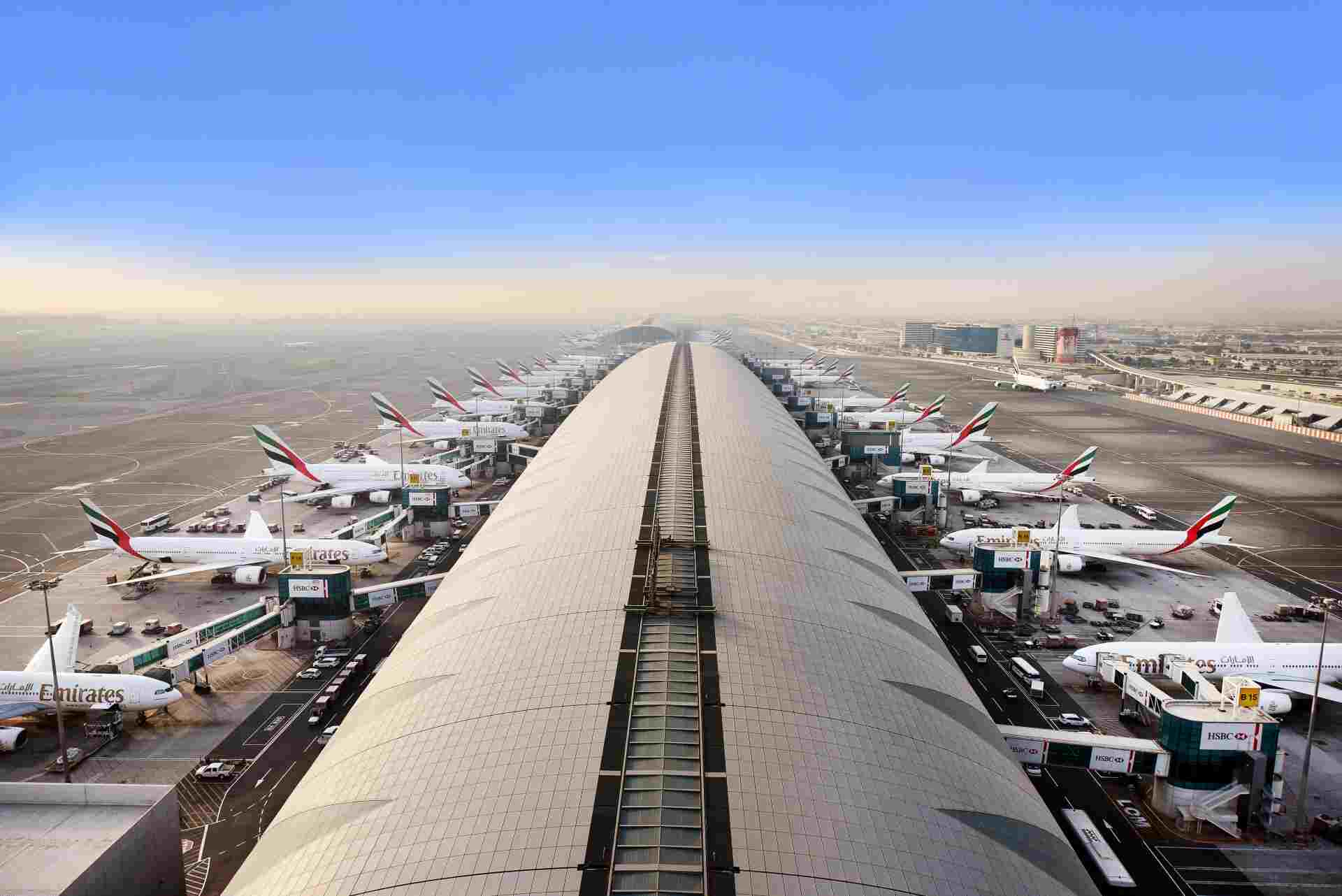
(UNITED ARAB EMIRATES) — Dubai International Airport and Zayed International Airport in Abu Dhabi halted all landings and flight operations after Iranian drone and missile strikes damaged airport infrastructure and forced a wider aviation shutdown across the UAE.
The closures hit two of the Gulf’s busiest passenger gateways at once, leaving dozens of flights diverted or sent back to their origins. Passengers connecting through Dubai International Airport, or through Abu Dhabi, faced sudden rebooking, hotel placement, and long delays as airlines scrambled to restore schedules.
The disruption followed Operation Epic Fury, the latest escalation in a regional fight that began after US and Israeli strikes on Iran. In response, Iran’s Revolutionary Guard Corps launched retaliatory attacks across the Gulf, pushing the UAE into emergency airspace restrictions and airport closures.
Dubai International Airport was struck by an Iranian drone at Terminal 3. Airport staff evacuated the area, and officials reported minor damage to a concourse. A second attack sent black smoke over part of the airport, and Al Maktoum International Airport, Dubai’s other major field, also shut down.
Abu Dhabi’s Zayed International Airport was also hit by a drone strike. One person was killed and between four and seven others were injured, while part of the airspace was closed. UAE defenses intercepted 136 to 137 ballistic missiles and 209 drones, and sirens sounded as residents sheltered in basements across affected areas.
Passengers already in transit took the hardest hit. The UAE General Civil Aviation Authority said it helped about 20,200 passengers with accommodations and rebooking after flights were diverted or returned to departure airports. The immediate effect was not limited to the two airports. Dubai hotels, port operations at Jebel Ali, and other landmark sites also faced fallout from the attacks.
| Airline | Operational status |
|---|---|
| Emirates | All DXB flights suspended until 3 p.m. UAE time on March 3 |
| Etihad Airways | All Abu Dhabi flights suspended until 2 p.m. UAE time on March 2 |
| Qatar Airways | All operations temporarily suspended |
| Lufthansa Group | Flights to and from Dubai and Abu Dhabi suspended until March 1; UAE airspace avoided until then |
That left carriers with different restart plans and passengers with different levels of uncertainty. Emirates and Etihad both moved quickly to protect schedules once operations reopened, while Qatar Airways stopped flying altogether during the most acute period of the crisis. Lufthansa Group took a broader regional caution approach, grounding flights to the UAE and avoiding UAE airspace before resuming normal routing.
Frequent flyers with points redemptions faced the same problem as cash customers. Award tickets on Emirates, Etihad, and partner airlines were subject to the same airport closures, and rerouting often pushed travelers onto different fare classes or different dates. In practical terms, that can change how many miles post, especially on partner itineraries where earning depends on booking code and flight number rather than the cash price alone.
Authorities told passengers not to go to the airports and to contact airlines directly. The guidance was blunt because the problem was not a routine delay or weather event. It was a live security incident, with partial UAE airspace closures and broader regional risks that included shipping disruption and strikes near Bahrain’s US Navy 5th Fleet headquarters and sites in Saudi Arabia.
UAE and Qatari officials said Iran crossed a red line, and the UAE said it reserved the right to retaliate. Gulf states have spent years hardening defenses to avoid a wider conflict that could rattle energy markets and choke off air travel across one of the world’s busiest transit corridors. Operation Epic Fury showed how quickly that pressure can reach airport terminals, airline networks, and the passenger itineraries built around them.
Travelers with upcoming UAE departures should check booking records, reissue rules, and airport alerts before leaving home. Those booked on Emirates, Etihad, Qatar Airways, or Lufthansa Group flights should confirm flight status before heading to the terminal and keep a backup plan ready if the schedule changes again.