- El Al explores chartering private jets from KlasJet to repatriate stranded Israelis via nearby regional airports.
- Flights would land in Aqaba or Taba for onward ground transport to Eilat at no extra cost.
- The plan depends on government and security approvals while Ben Gurion Airport remains under restricted operations.
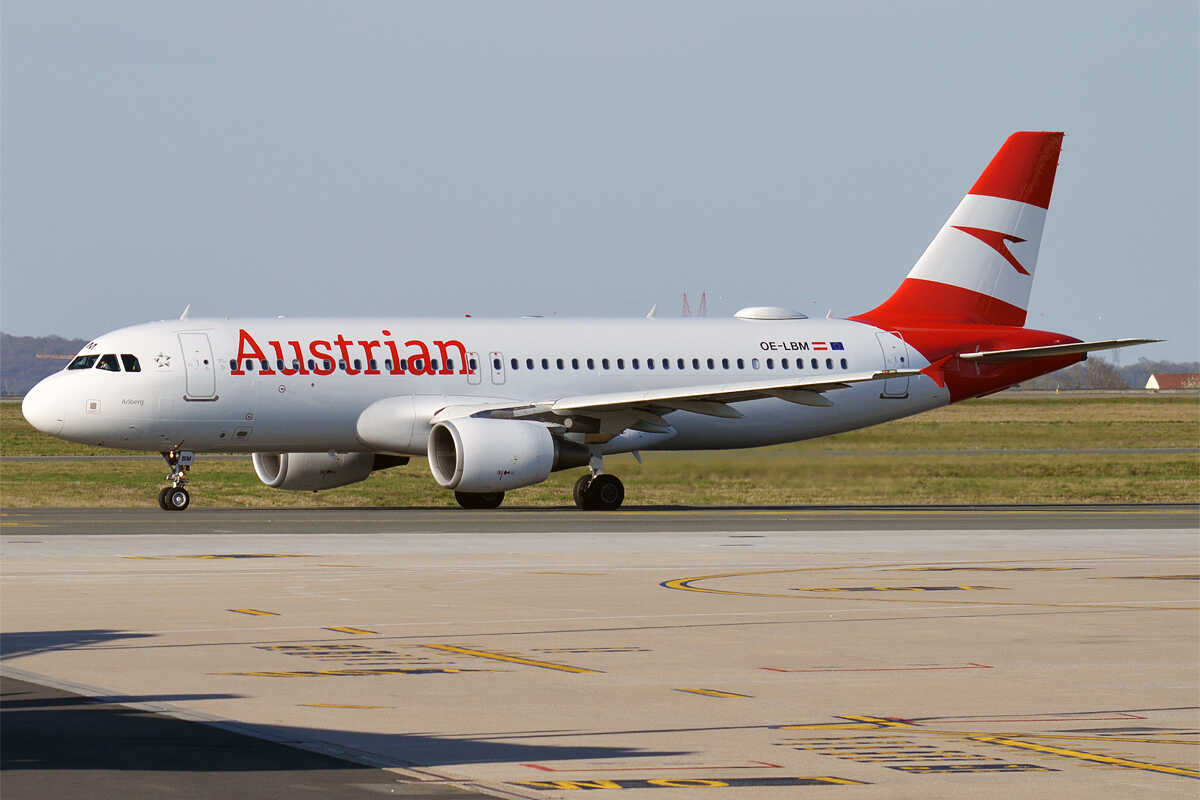
(AQABA, JORDAN) — El Al is actively considering chartering private jets operated by Lithuanian carrier KlasJet to fly stranded Israelis from European airports to Aqaba, Jordan, or Taba, Egypt, as a fallback while Israeli airspace remains restricted.
The contingency plan would route passengers to nearby border areas for onward ground transfers toward Eilat and into Israel, and El Al has indicated it would come at no extra cost to eligible El Al and Sun d’Or customers.

Any move to activate the private-jet option hinges on government and security approvals, the airline said. El Al has framed the concept as a way to reach customers stuck abroad if direct arrivals remain constrained.
Jordan’s reopening of its airspace has made Aqaba a more feasible arrival point for such a plan. Jordan fully reopened its airspace to all flights as of March 3, 2026, evening, after a partial nighttime closure (UTC 1500-0600 daily until March 5).
Israel has not returned to normal operations at its main gateway. Ben Gurion Airport plans a gradual reopening overnight Wednesday to Thursday (March 4-5), starting with one passenger flight per hour, with full operations delayed due to conflict risks.
Disruptions and warnings also extend beyond Israel and Jordan. Regional closures persist in Iran, Iraq, and parts of the Middle East, and the European Union Aviation Safety Agency advised avoidance through March 6 due to missile and interception threats.
Those uneven conditions have pushed airlines to consider workarounds that reduce exposure to closed airspace and allow arrivals at airports that can accept flights. For El Al, that has meant building a layered repatriation effort that can operate within tight limits at Ben Gurion while keeping other options ready.
El Al announced preparations on March 2 for repatriation and said it was prioritizing about 15,000 stranded customers. The airline said that figure was rising by 10,000 daily.
Once Ben Gurion partially resumes, El Al plans initial repatriation flights from the US, Europe, and Far East. It said it would use its Boeing 787s and 737s for those operations.
The KlasJet private-jet concept would sit alongside that main effort rather than replace it, offering another channel if scheduled operations cannot run at sufficient scale. Under the idea, passengers would fly into Aqaba or Taba and continue by land from border areas near Eilat.
Aqaba’s proximity to the Eilat area is central to its appeal as an alternative arrival point. The city sits within a short drive of the border region that serves as a ground route onward, allowing travelers to reach Israel without an aircraft landing at Ben Gurion.
Taba offers a similar geographic logic. El Al described it as a few miles from Eilat, making it another potential entry point if operating conditions and approvals allow flights to land there.
El Al has already adjusted earlier thinking about using Egypt as part of its routing. A prior Egypt landing plan at Taba and Sharm El Sheikh was canceled due to security issues, the airline said, underscoring how quickly planning can change under shifting risk assessments.
Other Israeli carriers have looked at comparable ideas, though specifics remain fluid. Rival Israir is exploring similar Aqaba flights, but no updates were provided.
Foreign airlines have signaled caution through their own decisions on schedules. Lufthansa Group, Wizz Air, and ITA canceled through March 7, while Emirates and Etihad were resuming limited repatriation from UAE hubs.
The wider disruption has been substantial, stretching beyond travelers trying to reach Israel. Nearly 7,200 flights have been canceled since Saturday, stranding hundreds of thousands globally, adding pressure on airline systems already dealing with rapid route changes and aircraft positioning needs.
El Al has also taken unusual operational steps as the situation deteriorated. The airline broke Shabbat observance to evacuate planes preemptively, a move that reflected the speed with which it sought to protect aircraft and crew amid the heightened security environment.
For passengers still waiting for seats home, the near-term picture depends on several moving parts at once: security clearances for any chartered private jets, the pace of Ben Gurion’s phased restart at one passenger flight per hour, and fast-changing airline notices as advisories and regional airspace access shift day by day.