- Emirates has suspended all scheduled flights to and from Dubai until midnight on March 4.
- Over 12,300 regional flights were cancelled between February 28 and March 3 due to tensions.
- Travelers are warned not to visit airports without a direct confirmation of a confirmed booking.
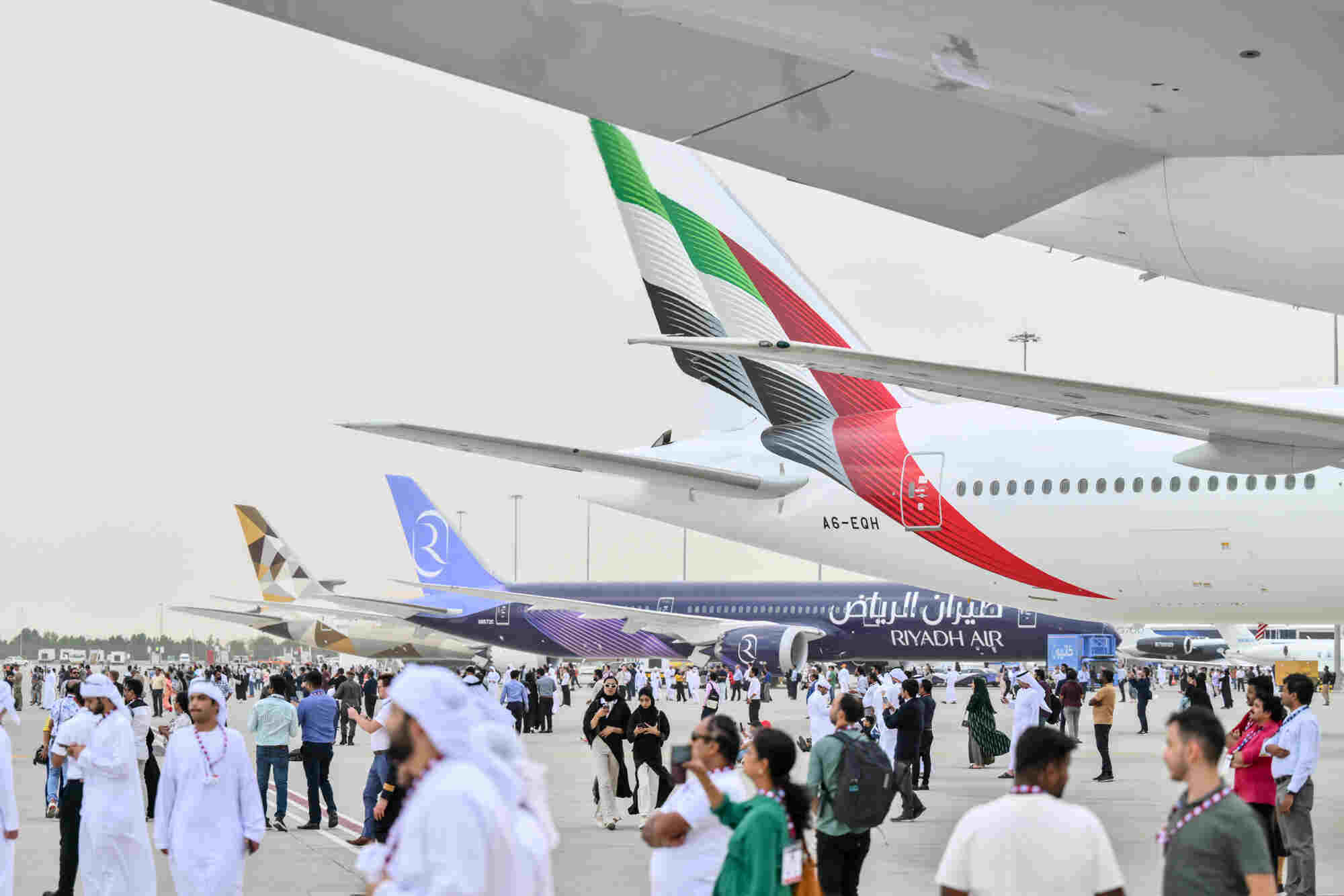
(DUBAI, UAE) — Emirates suspended all scheduled flights to and from Dubai until 23:59 UAE time on March 4 (11:59 p.m. UAE time) as airlines and airports across the region worked through widespread cancellations that have stranded travelers and disrupted global connections.
The airline said it would operate only a limited number of passenger repatriation and freighter flights, prioritizing customers with earlier bookings. Emirates told passengers they must not travel to the airport unless directly contacted by the airline or holding confirmed bookings on the limited flights.
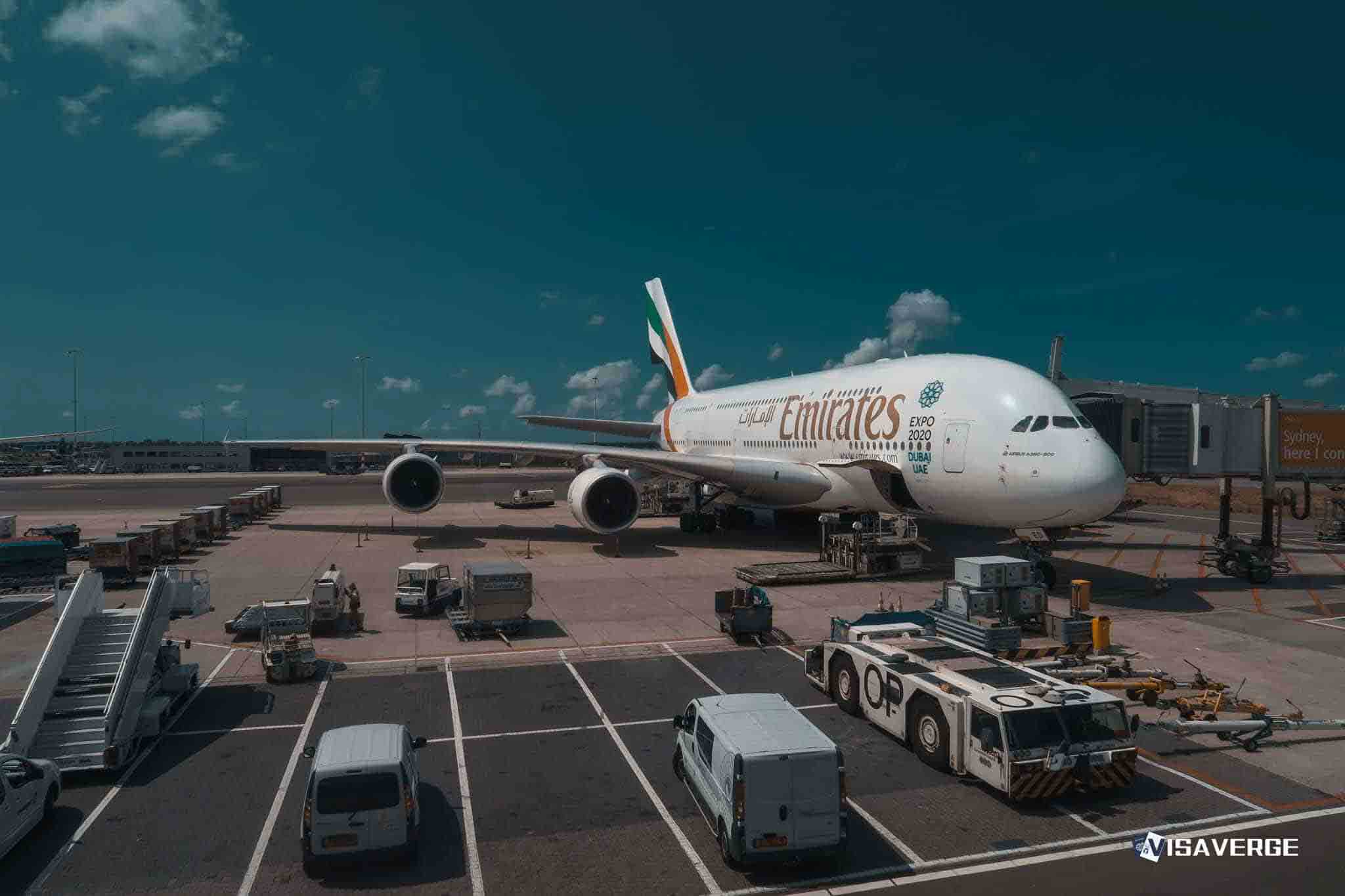
Dubai Airports announced a limited resumption of operations on March 2 evening at Dubai International (DXB) and Dubai World Central – Al Maktoum International (DWC), allowing a small number of flights mainly for stranded passengers. Even with that partial reopening, the vast majority of scheduled commercial passenger flights from Dubai remained suspended as of March 3.
A widely shared claim that 80% of Dubai flights are still cancelled after partial reopening has not been directly confirmed by a single authoritative source. What can be verified is the scale of disruption across the region: over 12,300 flights across seven major Middle East airports, including Dubai International, were cancelled from February 28 to March 3.
Verification has proved difficult during the fast-moving disruption because airlines have issued rolling suspensions, partial resumptions and exceptions that differ by carrier and flight type. Airlines have also separated scheduled passenger operations from limited repatriation, cargo and repositioning services, making simple percentages hard to pin down.
Dubai Airports said the limited resumption at DXB and DWC was designed mainly to move stranded passengers, with airlines including Emirates, Etihad and flydubai handling select repatriation and repositioning services. The Dubai Media Office and Dubai Airports advised travelers not to proceed to DXB or DWC without direct airline confirmation of departure time.
That message has shaped conditions at Dubai International, a hub for Dubai flights that normally anchors dense onward connections into Europe, North America and South Asia. Travelers have faced shifting departure plans as airlines balance recovery flying against continued suspension of many scheduled services.
Passengers have been told to confirm flight status through official airline channels before leaving for the airport, as changes can land with little notice. Emirates pointed to updates on its digital channels, including a post at 5:29 a.m. EST March 3, and reiterated that travelers should not head to the airport without confirmation.
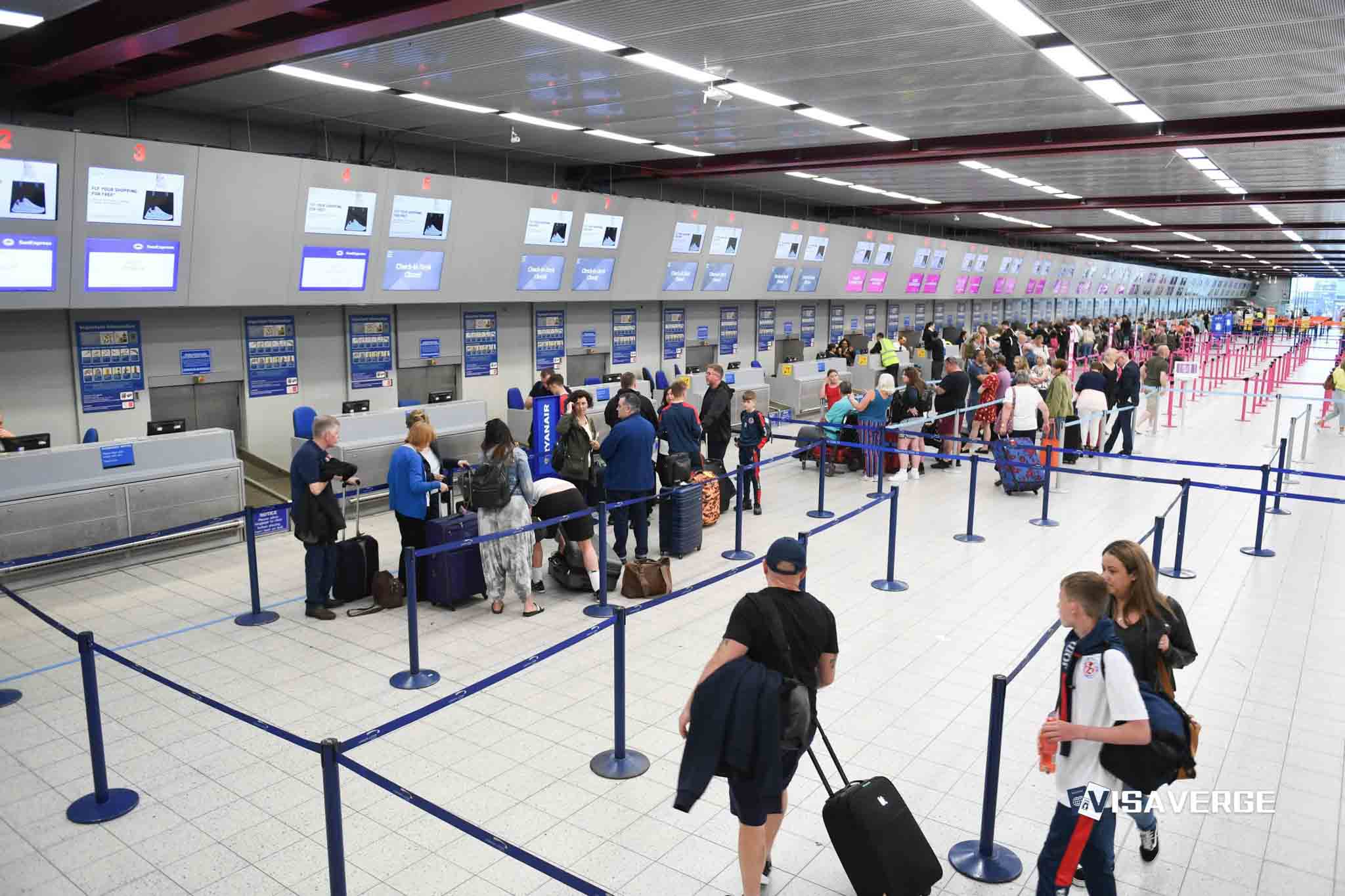
Airport access has also tightened as authorities try to manage congestion inside terminals. The guidance from Dubai authorities and airlines has emphasized that entry is limited to those with confirmed tickets, and that travelers should follow airport and airline instructions.
The recovery has also been slowed by practical constraints that airlines say can keep schedules unstable even after partial reopening. Aircraft and crews must be repositioned, airport throughput can remain constrained, and rolling schedule updates can force passengers to recheck itineraries repeatedly.
Regional tensions have added another layer of uncertainty, with the disruption unfolding amid regional tensions from US and Israeli strikes on Iran (Operation Epic Fury). Airlines have cautioned that conditions remain dynamic, and that even limited resumptions can shift as approvals and operating conditions change.
Etihad Airways extended the suspension of all scheduled commercial flights to and from Abu Dhabi’s Zayed International Airport until March 5 UAE time, while allowing that some repatriation, cargo and repositioning flights could operate under strict approvals. The carrier also set out flexibility for affected passengers, saying they can rebook free of charge on Etihad-operated flights through March 31, 2026, via their original booking channel.
Other airlines have published their own flexibility policies as they try to manage rebooking demand and reduce pressure on airport counters and call centers. United waived fees for rescheduling US–Dubai flights through March 15 for tickets bought by Feb 27, underscoring how some carriers are tying relief to specific purchase and travel conditions.
Dubai Airports provided support options for passengers trying to sort out disrupted plans, including phone, WhatsApp and live chat support, as authorities sought to reduce unnecessary trips to terminals. For many travelers, the most immediate friction point has been timing: airline notices can change while passengers are already en route, and entry limits mean arriving too early can leave travelers outside the terminal.
The disruption has rippled beyond the UAE because Dubai International sits at the center of tightly timed international banks of arrivals and departures. When long-haul flights pause or operate at reduced levels, missed connections cascade across networks, and diverted aircraft can end up out of position for later rotations.
International carriers have also extended suspensions, adding to the connection squeeze for passengers who normally route through Dubai. Air Canada extended its suspension of service to Dubai until March 23, while Finnair extended its suspension to March 6.
The passenger backlog inside the UAE has also grown, with around 20,200 passengers affected. The disruption has played out not only in cancellations, but also in the difficulty of finding seats on limited repatriation flights and in the time it takes to rebuild a functioning timetable.
Indian carriers signaled limited movement in the days ahead, with IndiGo and Air India Express planning a limited resumption from March 4. Even where flights return, airlines have warned that network imbalances can keep operations uneven as aircraft, crews and maintenance schedules realign.
Airlines have described “limited operations” as a mix of priorities that can look different from normal service. Repatriation flying can focus on stranded travelers, while repositioning flights move aircraft and crews to restore later schedules, and cargo and freighter operations may continue under separate planning.
Against that backdrop, carriers have urged passengers to treat itineraries as provisional and prepare for rolling cancellations through at least March 4-5. The guidance has left travelers watching for a shifting mix of suspended flights, selectively approved departures, and rebooking rules that depend on airline, route, date and fare class.
For passengers, the practical steps have remained consistent across Dubai flights and beyond: check status through the airline, follow airport entry rules tied to confirmed tickets, and use the original booking channel when changing plans. As Dubai International and DWC work through limited resumptions, airlines have continued to emphasize that official confirmations—not viral cancellation percentages—should drive whether a traveler heads to the airport.