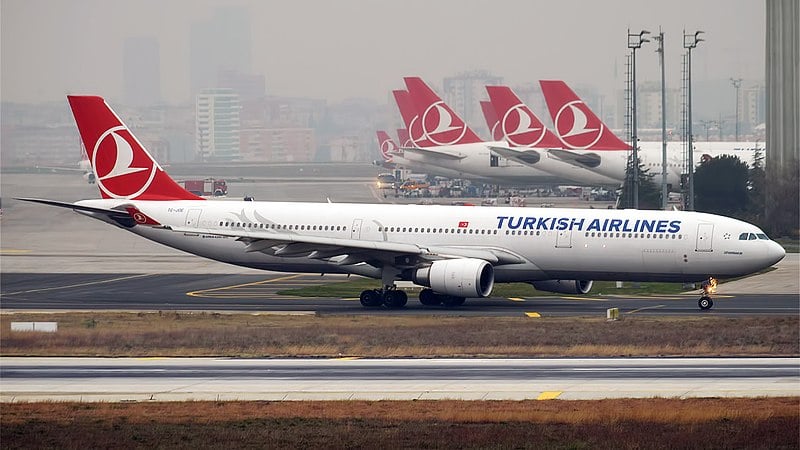
- Greek consulates in Istanbul issue 1,300 visas daily to meet massive Turkish tourism demand for islands.
- U.S. visa processing faces bottlenecks until 2027 due to regional conflict and new security screening rules.
- New policies in 2026 have suspended immigrant visas for 75 countries, impacting regional hubs like Istanbul.
(ISTANBUL, TURKEY) — Istanbul’s consulates are straining under parallel visa surges, with the Greek Consulate in the city issuing about 1,300 visas per day for Turkish trips to nearby islands while U.S. posts absorb regional demand driven by conflict, travel restrictions and new screening rules.
Pressure has built on two tracks at once. Turkish travelers are crowding the Greek system after visits to Greek islands jumped from 416,000 in 2022 to more than 2.25 million in 2025, while the U.S. Consulate General Istanbul and the U.S. Embassy in Ankara are handling heavier caseloads after other posts in the region curtailed operations.
Free toolB1/B2 Tourist Visa Stay Calculator online
The bottleneck has left sharply different outcomes for applicants. Turkish citizens seeking short island holidays can use a seven-day, island-specific Greek permit, but applicants seeking standard Schengen visas or U.S. visas face waits stretching into 2027.
On the U.S. side, policy shifts began at the start of the year. On January 1, 2026, Presidential Proclamation 10998 took effect at 12:01 a.m. EST, fully or partially suspending entry and visa issuance for nationals of 39 countries, and USCIS imposed a same-day “Hold and Review” order on pending benefit applications filed by citizens of those countries.
That USCIS order covered cases including Form I-485, Form I-765 and Form N-400. Applicants from affected countries now face an adjudication pause that can leave cases in administrative hold even after an interview takes place in Istanbul.
Another restriction followed on January 21, 2026, when the Department of State, working with DHS, imposed an indefinite immigrant visa pause for nationals of 75 countries, including Egypt, Iran and Iraq. “No immigrant visas will be issued to affected nationals while the State Department reassesses screening and vetting procedures.”
Operations tightened further on March 9, 2026, when the United States suspended services at its Adana consulate because of safety risks tied to the Middle East conflict. A travel advisory said, “The U.S. Consulate Adana has suspended all consular services. Americans should contact the U.S. Embassy Ankara or the U.S. Consulate General Istanbul for consular services.”
That move redirected more work to Turkey’s two main U.S. posts. Istanbul and Ankara had already become the primary regional hubs for visa processing for displaced applicants, especially from Iran, after the U.S.-Israel-Iran conflict escalated in late February 2026 and many U.S. embassies in the Middle East suspended operations.
A separate set of restrictions arrived on May 18, 2026, when DHS and the CDC imposed enhanced screening and entry limits for travelers coming from Uganda, the Democratic Republic of the Congo and South Sudan. Visa services at the respective embassies paused, adding another source of overflow into the broader regional system.
The Greek side of the rush reflects a different force altogether: mass leisure travel. Turkish demand for short Aegean breaks surged after Greece expanded the “Visa Express” visa-on-arrival scheme for 12 islands, a program now extended through April 2027.
That arrangement has eased access to the islands at a time when standard Schengen refusals have risen, pushing more people toward short-format travel products that can be issued faster. The result is a queue pattern that splits the market, with island tourism moving through one channel and conventional European travel through another.
The squeeze is most visible in Istanbul because the city sits at the junction of those two flows. One line is made up of Turkish holidaymakers looking west across the Aegean. The other includes visa applicants displaced by war, suspended embassy services and U.S. vetting rules that have narrowed ordinary processing routes across the region.
The Greek Consulate has been described as swamped as those Turkish trips rise. The Istanbul consulate system, broadly understood, now carries both the seasonal pressure of tourism and the administrative pressure of geopolitics.
For applicants seeking U.S. visas from restricted countries, a completed appointment no longer guarantees movement. The USCIS hold policy and the immigrant visa freeze have created a second checkpoint after the interview stage, one that can leave files suspended without a final issuance decision.
Turkish travelers face a different kind of divide. The seven-day Greek island visa has made spontaneous coastal travel easier, but anyone pursuing a standard Schengen visa for the wider European area remains in a longer queue, and applicants seeking U.S. visas encounter a system reshaped by security policy and regional displacement.
American citizens in Turkey are also operating under a tightened advisory environment. The U.S. warning for the country remains at Level 2, or exercise increased caution, while areas in southeast Turkey near the Syrian and Iraqi borders carry a Level 4 warning.
Those warnings sit alongside a broader alert posture. The U.S. Consulate in Istanbul has been operating under a “Worldwide Caution” issued on Feb 28, 2026, matching a year in which consular work has become more intertwined with crisis management than with routine travel demand.
The contrast between the Greek and American caseloads is stark. Greek demand comes from a tourism boom measured in ferry routes, island stays and rapid-turnaround permits. U.S. demand comes from suspended posts, country-based restrictions, conflict displacement and a vetting framework that has altered how cases move even after they reach a counter in Istanbul or Ankara.
That has made Istanbul a rare place where leisure travel and emergency-driven mobility meet at the same windows. One applicant may be trying to secure a short holiday permit for an island reachable in hours; another may be trying to salvage a long-delayed immigration case transferred from a shuttered embassy hundreds of miles away.
Official guidance on U.S. visa changes and consular operations is posted through the State Department’s . USCIS policy changes, including benefit adjudication rules, appear in the agency’s As summer travel builds, the city’s consulates are handling two separate waves that happen to arrive at once: Turkish trips to Greece in record numbers, and U.S. visa demand reshaped by war, suspended regional operations and restrictions that now define whether an application moves at all.