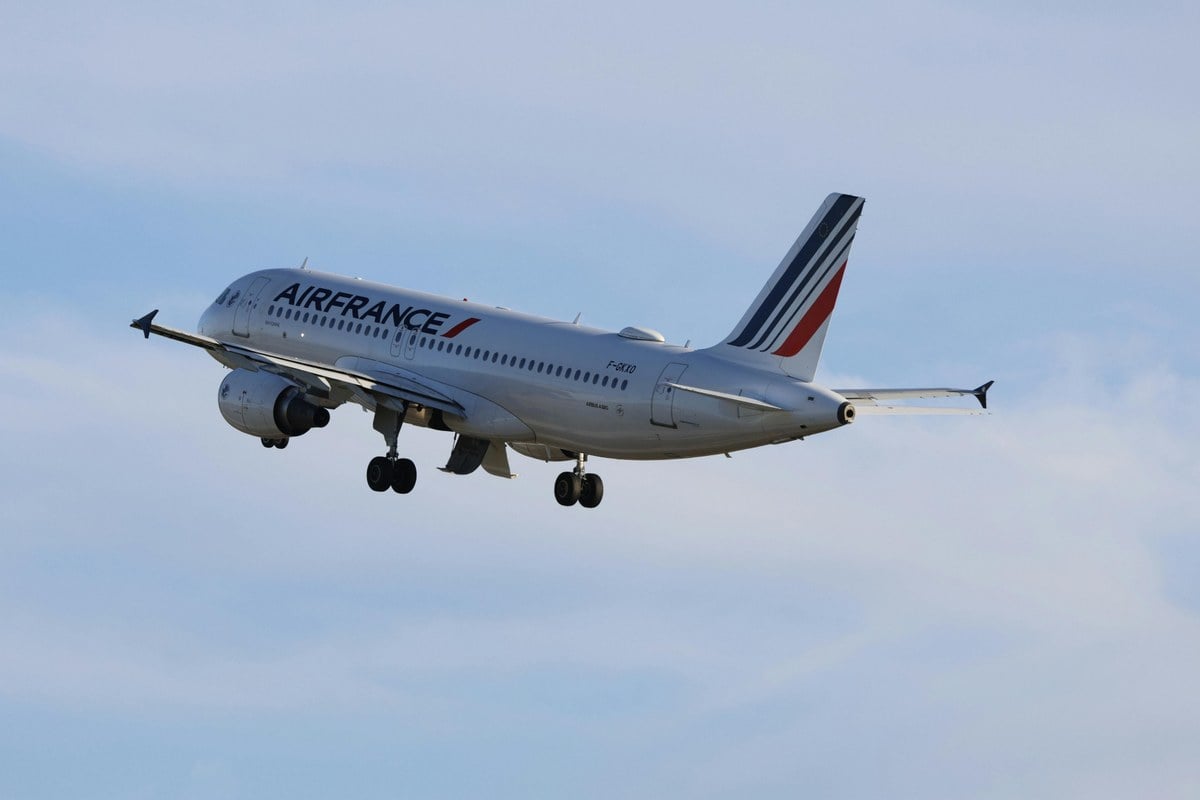
(VERONA, ZURICH, LONDON, ALGERIA) Hundreds of travelers were left in limbo across Europe and North Africa in October 2025 after Israir, SWISS (Swiss International Air Lines), and Air Algerie canceled seven flights bound for Verona, Zurich, London, and several Algerian cities. The abrupt cancellations hit busy hubs at a sensitive time for regional travel, combining airline-specific constraints with a wider breakdown in airport systems tied to a major cyberattack.
Passengers described long lines, scarce information, and slow rebooking as airport staff worked through backlogs that stretched into the next operating days.
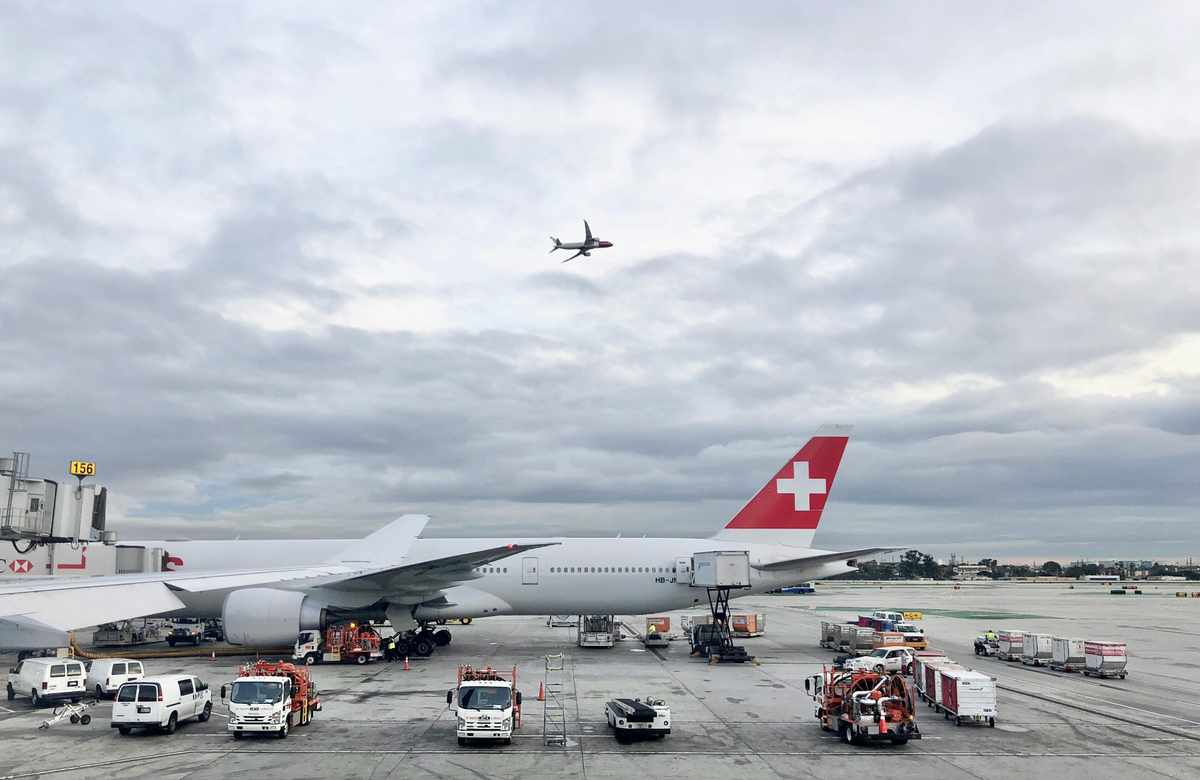
What triggered the cancellations
Airline representatives and airport notices cited several overlapping triggers:
Free toolB1/B2 Tourist Visa Stay Calculator online- A large-scale cyberattack on Collins Aerospace—whose tools support check-in and boarding—disrupted operations at airports including London Heathrow, Zurich, Brussels, Berlin, Dublin, and Cork. That outage rippled through schedules and aircraft rotations, pushing carriers to trim flights when ground systems could not reliably process boarding or baggage.
- SWISS faced a pilot shortage and had implemented preventative suspensions on some Middle East routes due to security concerns, reducing its operational flexibility.
- Air Algerie had already experienced instability earlier in the year, notably multiple cancellations in June 2025 on routes touching Algiers, Paris, Bamako, Annaba, and Constantine, leaving less buffer to absorb new shocks.
Combined, these factors turned a technical shock into a travel standstill for many passengers.
How the outage cascaded across operations
The cancellations unfolded during a tense period marked by three clear forces:
- Cyberattack on vendor systems
- The Collins Aerospace outage affected check-in kiosks, boarding systems, and baggage tagging.
- Without those tools, manual workarounds were needed; boarding times increased, baggage connections misfired, and crew scheduling windows slipped.
- What begins as an IT failure can therefore cascade into system-wide timetable disruptions.
- Route suspensions and staffing shortfalls
- SWISS’s suspensions (including routes to Tel Aviv and Beirut) removed spare aircraft and crew from the rotation.
- A reported pilot shortage through October 2025—with roughly 1,400 flights canceled across the period—left virtually no margin to absorb additional disruptions.
- Prior instability at Air Algerie
- After the June 2025 cancellations, Air Algerie had limited scope to reroute or reassign aircraft, increasing the likelihood of further cancellations when the cyber incident struck.
Passenger experience on the ground
For those waiting in Verona, Zurich, London, and airports across Algeria, the situation was chaotic and familiar:
- Digital boards showed inconsistent updates that didn’t always match customer-service communications.
- Phone support queues extended past an hour; mobile apps sometimes stalled under heavy demand.
- Families, students, and business travelers faced tough choices: wait for the next seat, switch airports, accept refunds, or try to salvage onward connections.
- Some travelers slept in terminals or booked nearby hotels while waiting for rebooking windows to open.
Airlines advised affected customers they could seek free rebooking or a full refund, depending on policy and seat availability. They urged passengers to check status with the airline before heading to the airport and to use official websites or customer service channels for changes.
Practical tip: official airline channels (apps, websites, verified phone numbers) often process changes faster and more securely—especially when systems are recovering from cyber incidents.
Destinations and network impact
The seven canceled flights touched important gateway cities:
- Zurich — key Europe-to-Middle East and Africa connector
- London — global hub with strong, steady demand
- Verona — serves northern Italy’s industrial belt and tourism flows
- Several Algerian cities — major nodes for regional and diaspora travel
When flights on these links vanish at short notice, alternatives are limited: seats on competing carriers sell out quickly, and cross-border ground transport is often impractical.
Passenger rights and immediate steps
Passengers impacted by these cancellations typically had two primary options:
- Free rebooking on another flight (subject to availability)
- Full refund
Airlines recommended these actions:
- Confirm flight status with the airline before traveling to the airport.
- Use official airline websites or customer service hotlines to rebook or request refunds.
- Keep boarding passes, receipts, and airline messages for potential claims.
- Monitor travel alerts related to cyberattacks, system maintenance, or regional suspensions.
- Contact onward carriers early if you hold separate tickets.
- Ask about meal or hotel arrangements if delays extend overnight and policy allows.
- Be flexible on nearby airports or different routings, but verify baggage transfer rules before switching.
The question of compensation arose frequently. Air Algerie explicitly referenced compensation eligibility tied to its June 2025 cancellations; those passengers could pursue claims through the airline. For UK-specific guidance on delay and cancellation claims, passengers can review: https://www.gov.uk/flight-delays-compensation
Practical coping strategies travelers used
Passengers shared tactics that helped reduce stress and improve outcomes:
- Move to airport lounges (some offer day rates) to wait in a quieter space.
- Find airline desks outside main terminal queues to potentially shorten lines.
- Secure hotel vouchers early if delays extend overnight.
- Ask about short-tagging baggage for interim stays if the carrier offers that option.
- Act quickly when a seat becomes available—first wave of rebookings often gets the best remaining inventory.
Airlines emphasized official channels because misinformation proliferates during system failures. Social-media posts or third-party claims promising instant refunds frequently lead to dead ends.
Broader context and lessons for network resilience
The October cancellations were symptomatic of a broader pattern in 2025: staffing shortfalls (pilots and ground staff), security-driven route suspensions, and a cyberattack on shared vendor systems converged while demand stayed strong.
Network planners will likely consider resilience measures such as:
- Contingency staffing for pilots and cabin crew
- Deeper coordination with technology vendors on backup check-in and boarding procedures
- Clearer playbooks for rerouting aircraft during system outages
- Scalable manual workarounds when digital tools fail
Key takeaway: when core digital tools fail, manual procedures must be ready to launch at scale. Otherwise, minutes lost at the gate become hours across the network.
Final guidance for travelers
If your flight is canceled:
- Contact the airline through official channels immediately to secure the next seat or a refund.
- Ask specifically about same-day reroute, next-day options, or nearby airport alternatives.
- Keep records of all expenses and airline communications.
- Inform employers, consulates, or appointment holders about new arrival times if plans are time-sensitive.
- Review government guidance on delays and cancellations (for example, the UK’s page at https://www.gov.uk/flight-delays-compensation).
As Israir, SWISS, and Air Algerie work to restore normal operations, passengers will want clarity on communication and recovery speed. The airlines will point to the exceptional nature of the cyberattack and the limited system access during the worst hours, but the episode underscores the vulnerability of shared digital systems and the value of proactive traveler preparedness.
This Article in a Nutshell
In October 2025, seven flights by Israir, SWISS and Air Algerie to Verona, Zurich, London and Algerian cities were canceled, affecting hundreds of passengers. The immediate cause was a large cyberattack on Collins Aerospace that disabled check-in, boarding and baggage systems at multiple European airports, creating manual processing delays and cascading timetable disruptions. SWISS’s ongoing pilot shortages and security-driven route suspensions, plus prior June 2025 cancellations at Air Algerie, left airlines with limited flexibility to reassign aircraft or crews. Passengers faced long lines, inconsistent updates and slow rebooking; airlines offered free rebooking or full refunds. Travelers are advised to use official channels, keep documentation for claims, consider alternate airports, and monitor regulatory guidance on compensation as operations recover.