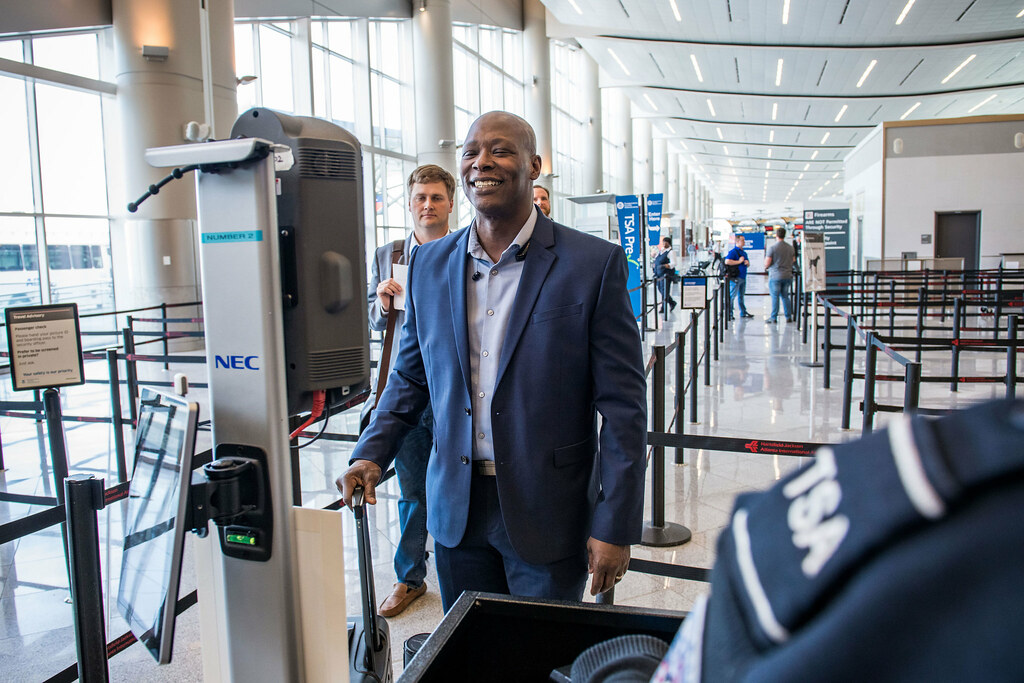
- Unpaid TSA workers are calling out in large numbers during the Department of Homeland Security shutdown.
- Staffing shortages have doubled nationwide, with hundreds of officers leaving the agency entirely.
- Major hubs like Atlanta and New York face security waits exceeding three hours as checkpoints consolidate.
(UNITED STATES) — Unpaid Transportation Security Administration employees are calling out in large numbers during the Department of Homeland Security shutdown, straining airport checkpoints across the country as front-line screening operations face mounting staff shortages.
The staffing pressure has spread quickly because TSA staff screen passengers at the first chokepoint in air travel. When enough officers do not report, airports can keep operating but security lines slow, checkpoints compress and wait times become harder to predict.
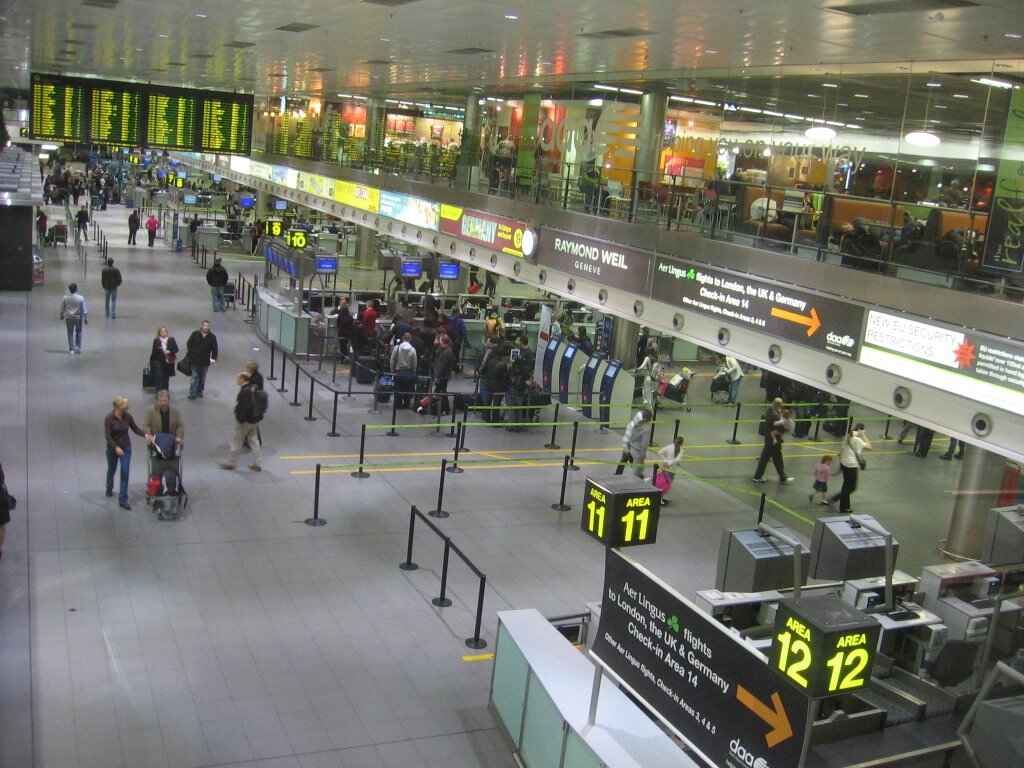
The partial shutdown affecting Department of Homeland Security operations began February 14, leaving TSA employees working without pay. During that period, callout rates have doubled nationwide, and 366 transportation security officers have left the agency entirely.
Data from the shutdown period show the highest average callout rates at five airports spread across different parts of the country, a pattern that points to a broad strain rather than a local disruption. Hartsfield-Jackson Atlanta International posted a 21.5% average callout rate, followed by John F. Kennedy International at 21.4%, Houston Hobby at 20.1%, Louis Armstrong New Orleans International at 16.5% and Pittsburgh International at 13.8%.
Those figures matter beyond the cities where they were recorded. Atlanta and New York are among the busiest air travel hubs in the country, while Houston, New Orleans and Pittsburgh show that the problem reaches beyond one coast, one region or one airport category.
A high average callout rate can turn into a national travel problem quickly because staffing shortfalls at large airports ripple through connecting flights, missed departures and delayed arrivals. Even when planes continue to depart, passengers can spend much longer getting to the gate.
Houston Hobby illustrates how the averages can mask sharper daily swings. The airport recorded a 55% callout rate on a single day, and unscheduled absences exceeded 30% on at least five separate days.
Recurring spikes like that create instability even when an airport does not close. Managers can shuffle workers, open fewer lanes or consolidate screening locations, but those steps change how passengers move through terminals and can leave conditions shifting from one day to the next.
Across the system, the staffing deterioration has carried direct operational effects. Airports have consolidated checkpoints and reduced screening lanes, turning what may look like a functioning security operation into one that moves much more slowly during busy periods.
At some locations, security waits have stretched to more than three hours. That kind of delay does not mean flights stop or terminals shut down, but it does mean the airport experience becomes less predictable as travelers face longer lines before they even reach the concourse.
The effect is especially acute because TSA screening is not a back-office function. It is the gateway every departing passenger must pass through, which makes absenteeism at checkpoints immediately visible in crowded queues, delayed arrivals at gates and rushed boarding once travelers clear security.
Airport operations can remain technically open under those conditions, but the system functions with less slack. Fewer open lanes leave less room to absorb a morning surge, a bank of departures or a local staffing drop, and even modest disruptions can lengthen lines much faster than usual.
That dynamic helps explain why concentrated callouts at several airports at once pose a wider challenge. The issue is not limited to one terminal or a single local management problem; the figures show stress at airports serving different markets, with different traffic patterns and in different regions.
The pattern also points to the practical consequences of unpaid federal work during a shutdown. Screening officers still report to a job that requires constant public-facing work, tight staffing coordination and immediate response to passenger volume, yet rising absences show that attendance has become harder to sustain under those conditions.
Attrition adds another layer of pressure. When 366 transportation security officers leave during a period of elevated callouts, the agency loses workers it would otherwise use to steady daily operations, cover leave and keep enough lanes open during heavy travel windows.
That loss matters even if airports avoid outright disruption. A thinner workforce can leave supervisors with fewer options to recover from sudden absences, weather events or routine surges tied to flight schedules, and that can deepen line backups without any formal reduction in service.
For travelers, the result is a system that may look open while operating under strain. A passenger arriving at an airport where screening lanes have been reduced may still see TSA officers at work and flights listed on time, yet face a far longer and less predictable path to the gate.
The shutdown’s effect on callout rates has also made airport conditions more uneven. One day may produce manageable waits, while the next can bring sharply longer lines if absences jump or checkpoints are consolidated to keep staffing in place.
That uncertainty has pushed airport officials to tell passengers to arrive three to five hours before flights to account for extended TSA lines. The guidance reflects how quickly screening bottlenecks can build when staffing drops and fewer lanes are available to handle crowds.
Near-term conditions will depend on whether the shutdown continues and whether staffing stabilizes. If callout rates remain elevated, checkpoint delays can keep shifting by airport and by day, especially at locations already posting the highest averages.
If the shutdown ends and staffing pressure eases, those conditions could change quickly in the other direction. Screening operations depend heavily on daily attendance, so improvements or fresh strain can show up at checkpoints with little warning.
For now, the national picture is one of a front-line travel system absorbing a federal funding fight in real time. TSA staff remain on the job without pay, callout rates remain high, and passengers at some airports are confronting the most visible consequence in the form of slower, longer and less reliable security screening.