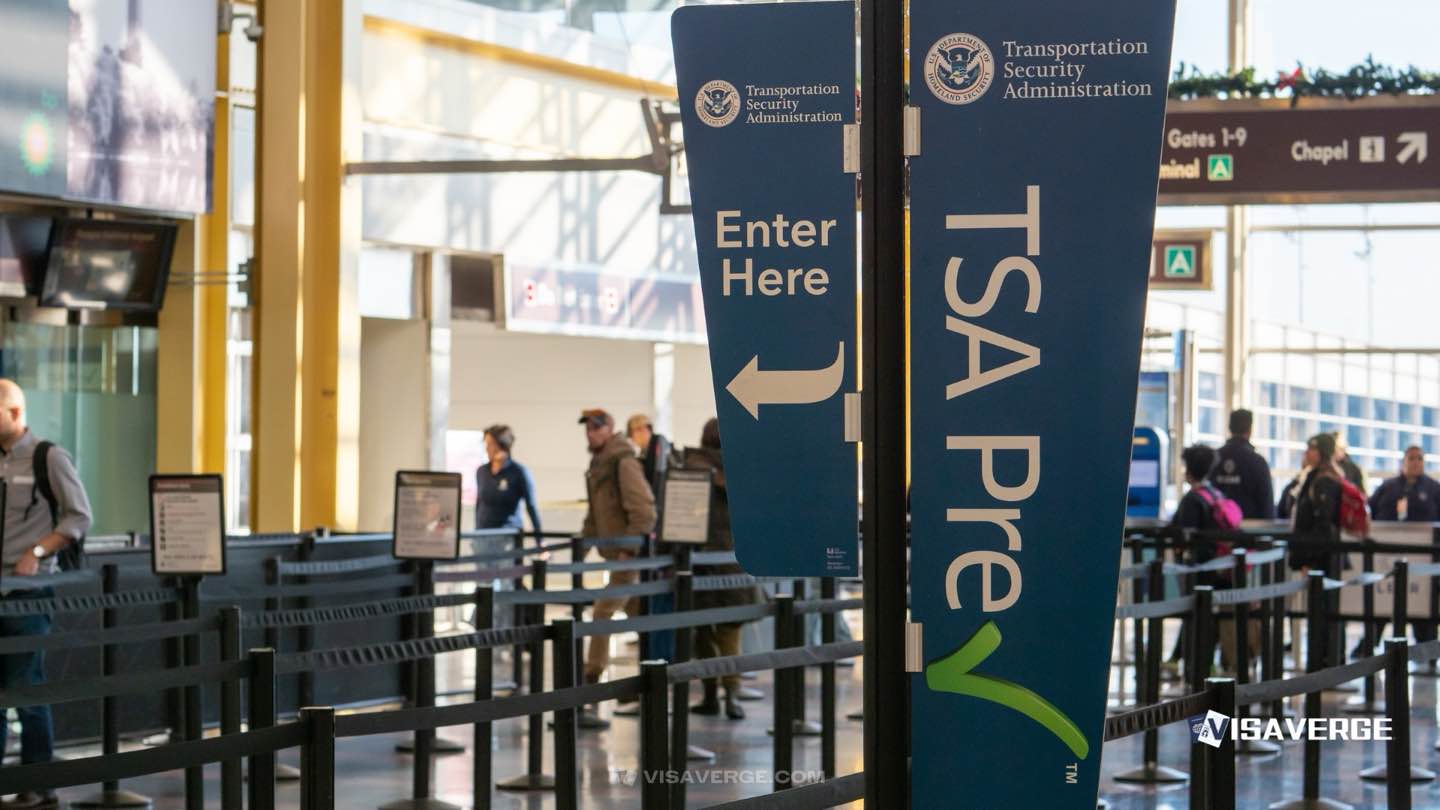
- A partial government shutdown is causing massive security delays at major US airports during spring break.
- Over 61,000 TSA employees are working without pay, leading to increased absences and staffing shortages.
- Travelers are advised to arrive five hours early at certain hubs to avoid missing flights.
(US) — Travelers faced longer TSA security lines at major U.S. airports as a partial government shutdown strained the Department of Homeland Security workforce during the spring break rush.
Airport advisories in recent days warned of checkpoint waits stretching into hours, with some passengers missing flights or arriving far earlier than normal to avoid being stuck in line.
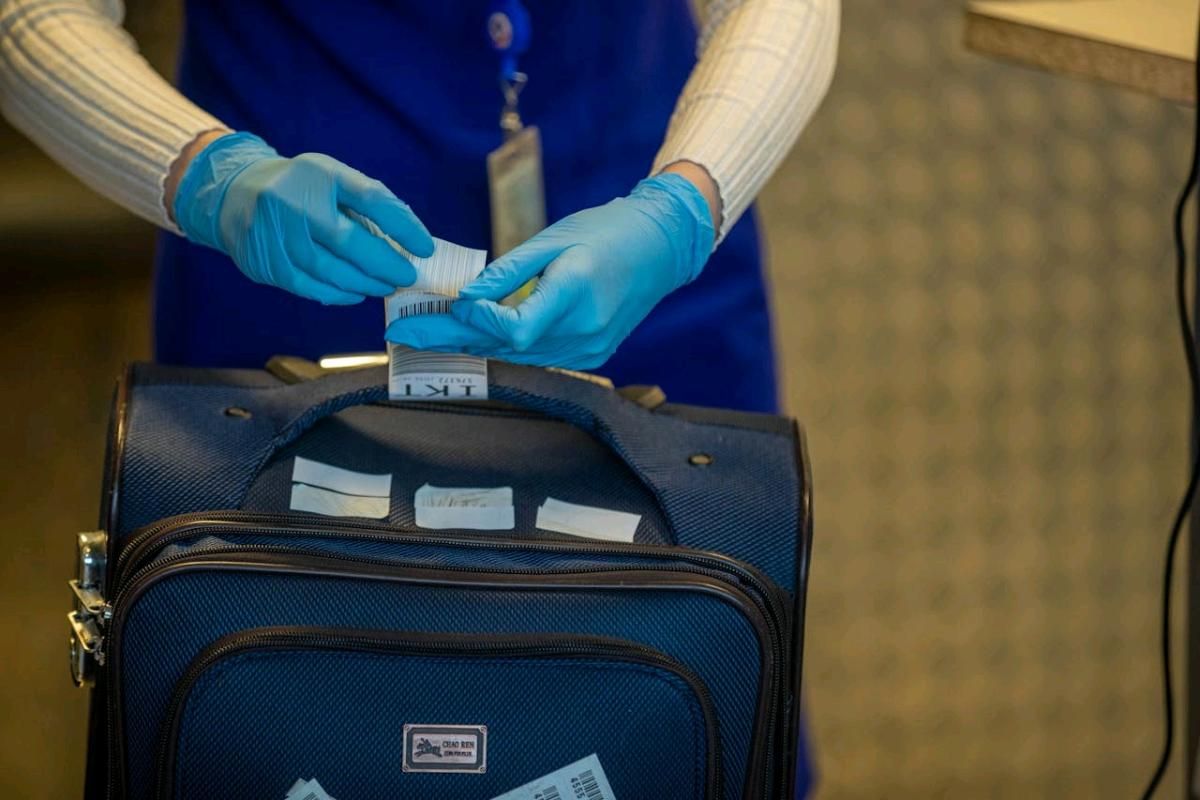
Reports of delays surfaced across multiple large hubs, with the most acute backups clustering at peak morning and afternoon surges, when staffing call-outs and lane closures can ripple across an entire terminal.
The disruptions follow a mid-February 2026 DHS funding lapse tied to a political dispute over immigration reform, leaving TSA screening operations running but under visible strain at checkpoints.
TSA agents received partial paychecks on February 28 and face their first full missed paycheck on March 14, a shift that has coincided with higher absences as travel volume rises.
Ha Nguyen McNeill, senior official performing TSA administrator duties, said about 61,000 TSA employees must continue working without pay, with many living paycheck to paycheck.
Lauren Bis, DHS deputy assistant secretary for public affairs, said: “These frontline heroes received only partial paychecks earlier this month and now face their first full missed paycheck, leading to financial hardship, absences, and crippling staffing shortages.”
Johnny Jones, secretary-treasurer of AFGE TSA Council 100, called it “a catastrophe for the workforce,” and said coworkers previously donated plasma or faced eviction.
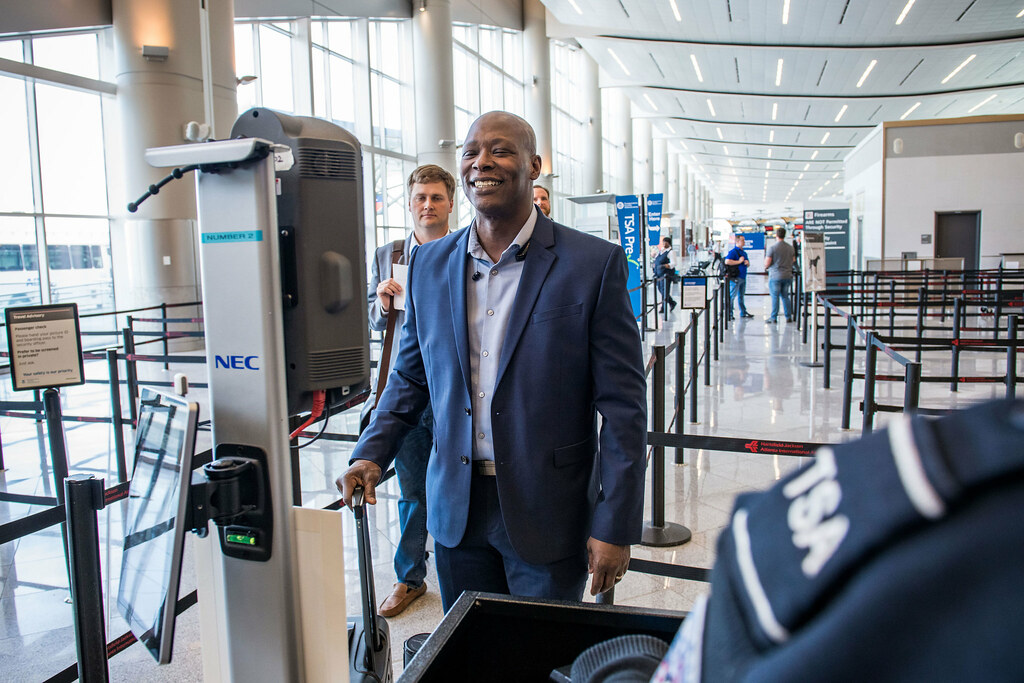
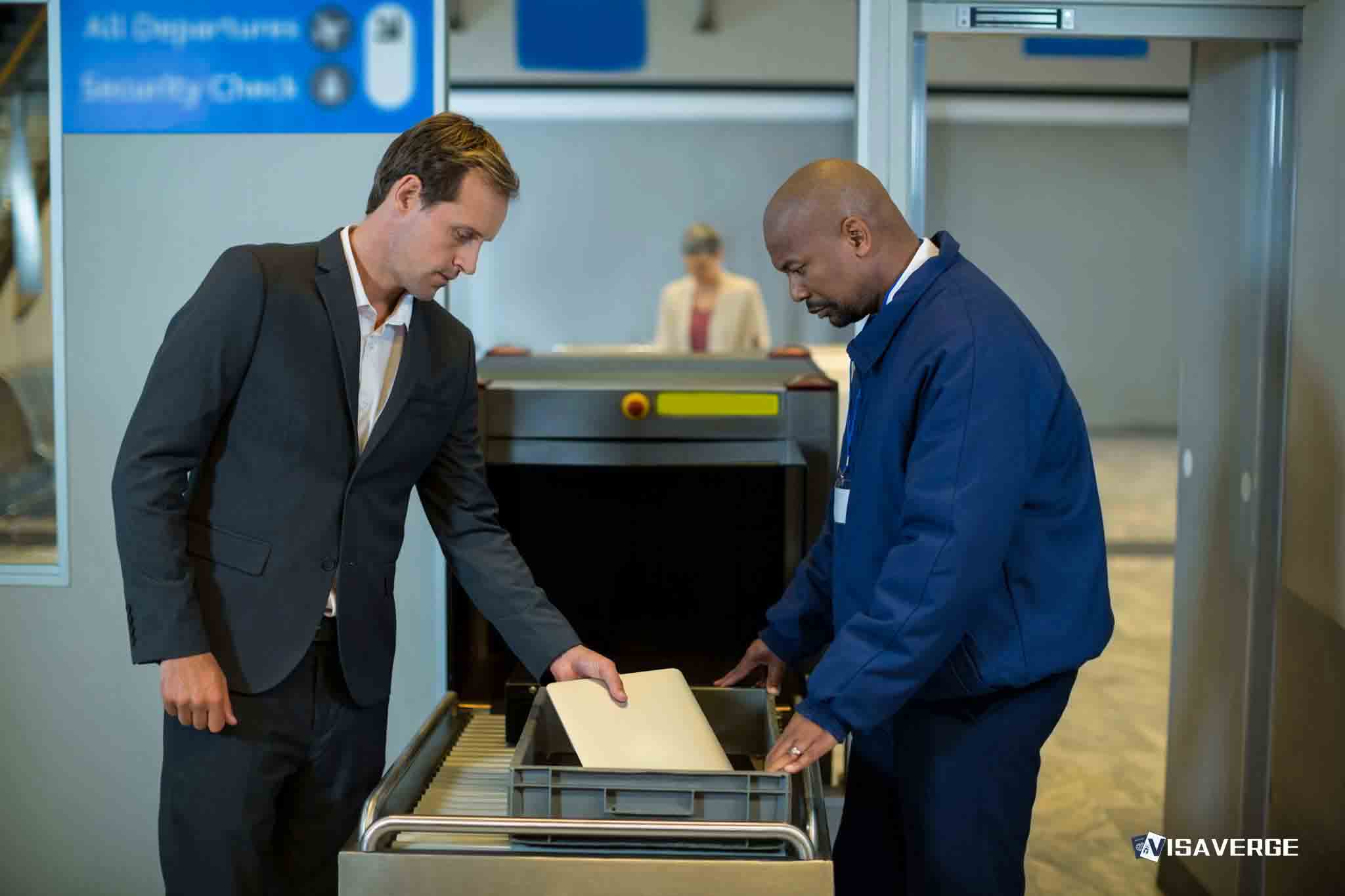
Even as screening continues nationwide, fewer available officers can mean fewer open lanes, slower processing at document-check podiums, and longer bag and body-screening queues, especially when flight schedules remain heavy.
Delays also vary sharply by airport and time of day, with lines sometimes easing after airlines finish the morning rush, then rebuilding later as another wave of departures arrives.
In Houston, William P. Hobby Airport reported checkpoint waits reaching 180+ minutes and advised passengers to arrive 4-5 hours early, an estimate it later reduced to 3-4 hours Monday night.
Michael Helfenstein III, 16, waited 2 hours 10 minutes on Sunday after arriving at 3:37 p.m. for an 8:45 p.m. Southwest flight to Fort Lauderdale, according to details shared about the experience.
Michael Helfenstein II, his father, said the line moved slowly but passengers received cookies and water.
At Louis Armstrong New Orleans International Airport, airport guidance warned of waits of up to 2 hours and urged arriving 3 hours early before later shifting to 2 hours, as video circulated showing lines extending toward the parking garage.
Aubry Killion, a WDSU anchor, shared video of the congestion at the New Orleans airport.
Hartsfield-Jackson Atlanta International Airport saw reported waits up to 1 hour on Sunday amid ground stops and staffing constraints, later showing a maximum of 40 minutes.
Charlotte Douglas International Airport posted waits of about 50 minutes Sunday, falling to 30 minutes or less Monday.
Other airports including George Bush Intercontinental in Houston, Miami, Orlando, Boston, and New York-area airports reported waits in the 10-40 minute range, though conditions remained sensitive to staffing and crowd surges.
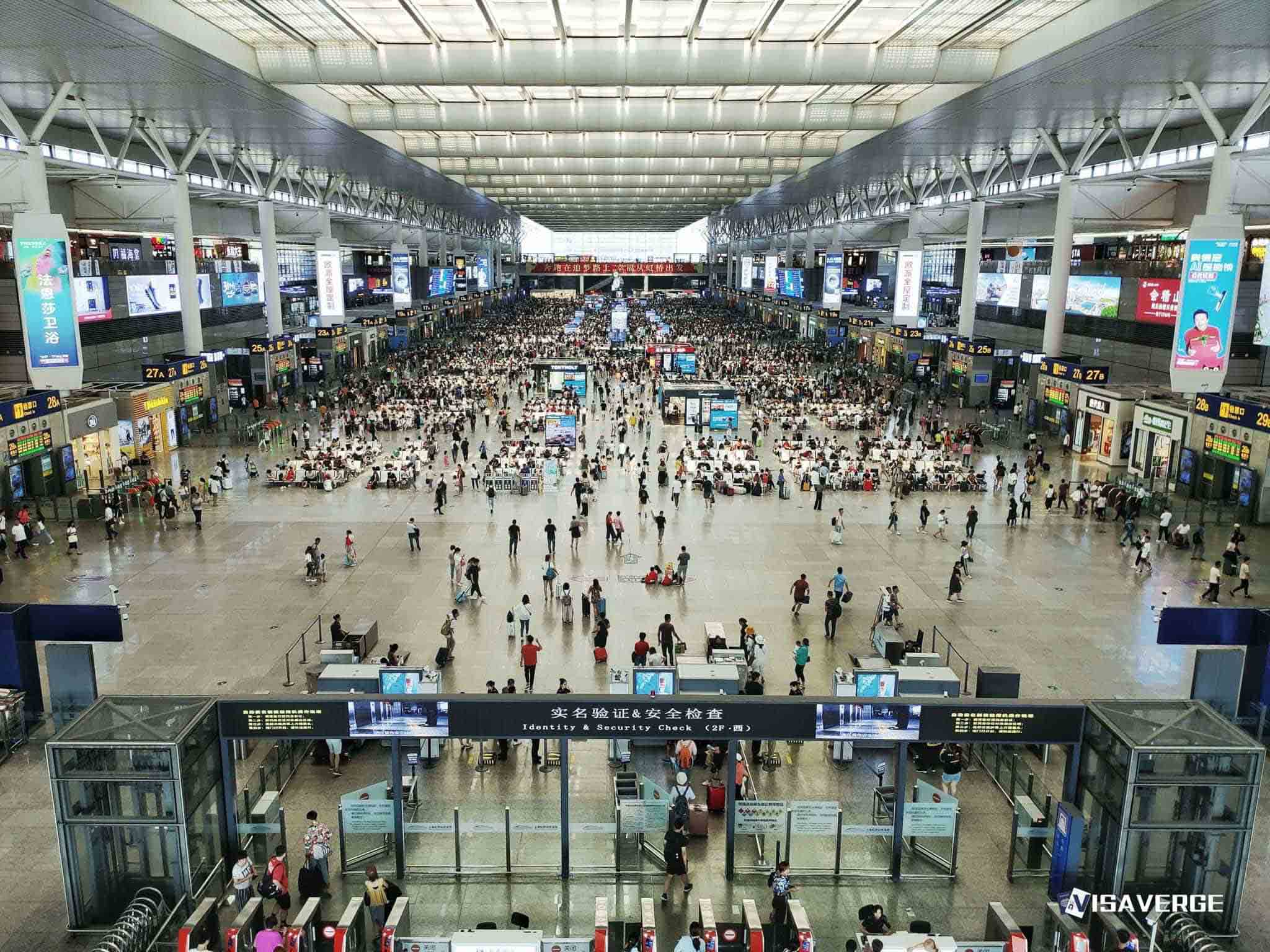
The crowds have been heavy. TSA cited nearly 2.8 million travelers on Sunday, the busiest day since January 4.
That demand has arrived as the shutdown’s pay disruption hits day-to-day operations: when more employees call out, supervisors can struggle to keep enough lanes open to prevent the line from spilling into ticketing halls.
Once queues stretch beyond the roped lanes, bottlenecks can spread quickly, slowing bag-drop areas as travelers try to judge whether they can safely check luggage, clear security, and still reach gates on time.
Airports have responded with shifting arrival-time guidance, often advising 3-5 hours early, while urging passengers to check live checkpoint information through the MyTSA app, airport websites, or flight-tracking tools.
Conditions can change fast within the same day. A terminal that looks manageable at midday can become clogged in under an hour if several lanes close or if a wave of passengers arrives from delayed inbound flights.
Airports typically post updates through mobile apps, websites, terminal signage, and social media accounts, and some adjust guidance as staffing changes, though travelers often only see the impact once the line forms.
Parking, shuttles, and bag-drop lines have also become part of the calculation, as a longer curb-to-gate journey can compress the time available to clear screening during peak periods.
TSA PreCheck has remained open at most airports, after initial shutdown plans, with evaluations conducted case-by-case as staffing and throughput shift.
Global Entry was closed but set to reopen Wednesday, a change that affects travelers who rely on expedited processing, even if it does not directly shorten standard checkpoint lines.
The shutdown traces back to Congress failing to fund DHS through September 30, 2026, after short-term extensions expired nearly a month ago.
Democrats have sought immigration enforcement changes following January incidents in Minneapolis, including two fatal shootings of US citizens, while Republicans have resisted, leaving DHS without full-year funding.
DHS oversees TSA alongside agencies including Customs and Border Protection, Immigration and Customs Enforcement, and the Federal Emergency Management Agency, though the shutdown’s pay effects do not land evenly across the department.
Sworn law enforcement in ICE, CBP, and the Secret Service remain paid via the “One, Big, Beautiful Bill” signed by President Donald Trump last summer.
That difference has left TSA’s screening workforce more exposed to the funding lapse, with officers continuing to staff checkpoints even as missed paychecks strain household finances and complicate attendance.
TSA’s checkpoint model depends on sufficient staffing to open lanes at the right times, and when staffing falls short, the agency can be forced to prioritize coverage across terminals, which can extend lines even if flight schedules are unchanged.
Airports have tried to mitigate the strain by reallocating staff where possible and focusing resources on peak periods, though not every facility has the flexibility to shift personnel quickly between checkpoints.
Even when staffing stabilizes, airports and TSA can take time to clear backlogs created by earlier waves of passengers, especially when crowds arrive in bursts tied to school schedules and popular vacation departure times.
The shutdown has no resolution timeline, and Congress has shown no deal, leaving travelers to plan for uncertainty in TSA security lines through the rest of the peak travel window.
A 2019 law provides for TSA workers to get back pay after shutdowns, though prior bonuses like $10,000 remain uncertain, adding to anxiety among employees whose attendance is central to checkpoint capacity.
Leadership changes have also landed during the disruption. President Trump fired DHS Secretary Kristi Noem last week and nominated Sen. Markwayne Mullin effective March 31.
Past shutdowns have offered a warning sign for today’s travel season. Previous standoffs in 2018-2019 and late 2025 ended after similar TSA and air traffic absences pressured lawmakers, as travel delays and operational strain became harder to contain.
Jones, the AFGE TSA Council 100 secretary-treasurer, described the current situation in blunt terms, calling it “a catastrophe for the workforce.”