- ICE signed a $125 million contract for commercial data access through 2031.
- The CLEAR platform provides continuous monitoring of financial records and identity updates without requiring warrants.
- New contract terms specifically include voter fraud investigations alongside traditional national security and immigration enforcement.
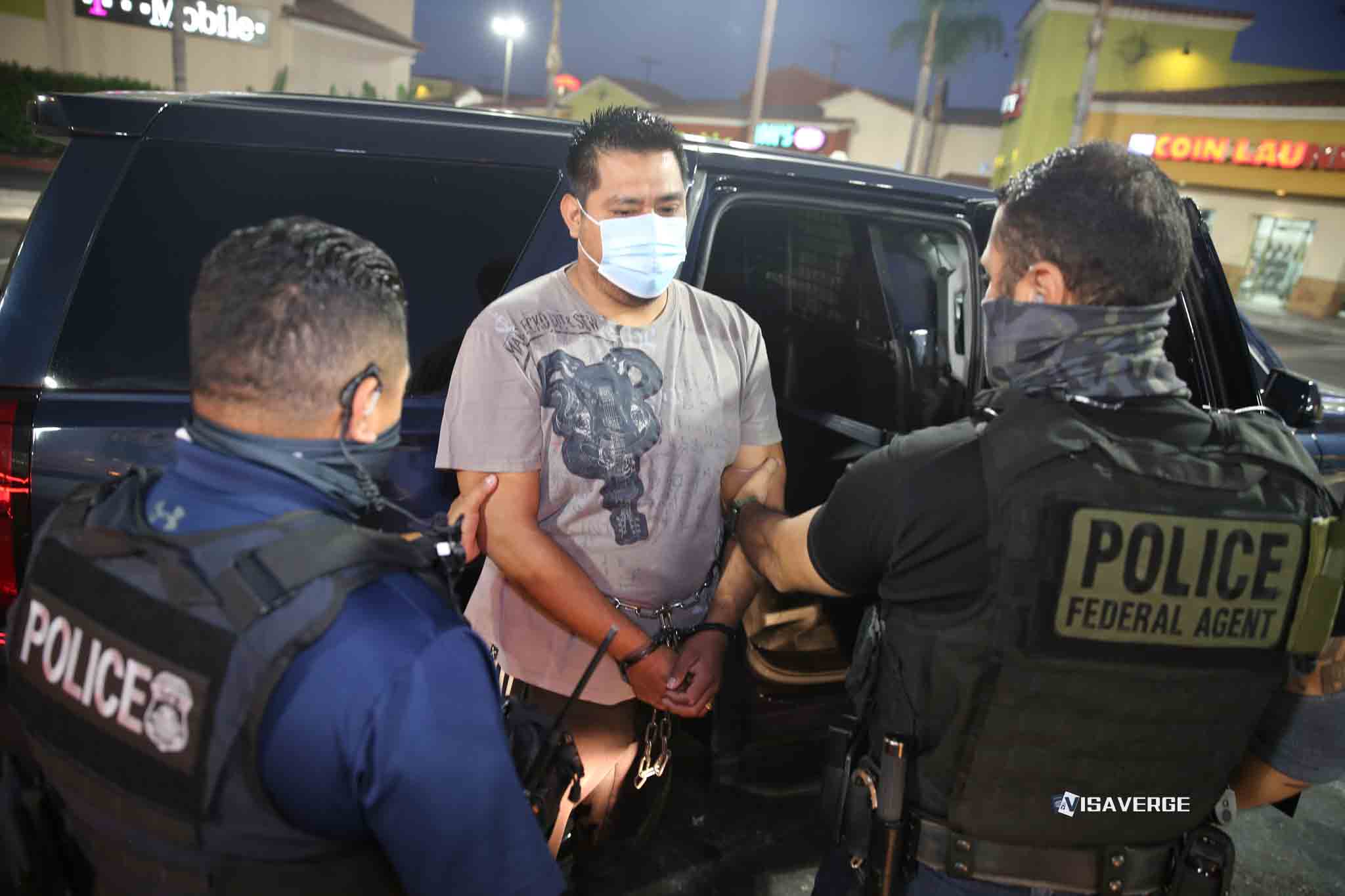
U.S. Immigration and Customs Enforcement has expanded its access to commercially collected identity and financial information through a $125 million contract with Thomson Reuters Special Services. The five-year agreement gives the agency continued access to the CLEAR data platform, which combines records from public and private sources.
The arrangement lets immigration authorities search information obtained from credit bureaus without first seeking a warrant from a judge. The agency maintains that a warrant is not required because it purchases the records from a third party rather than seizing them from a private home or company.

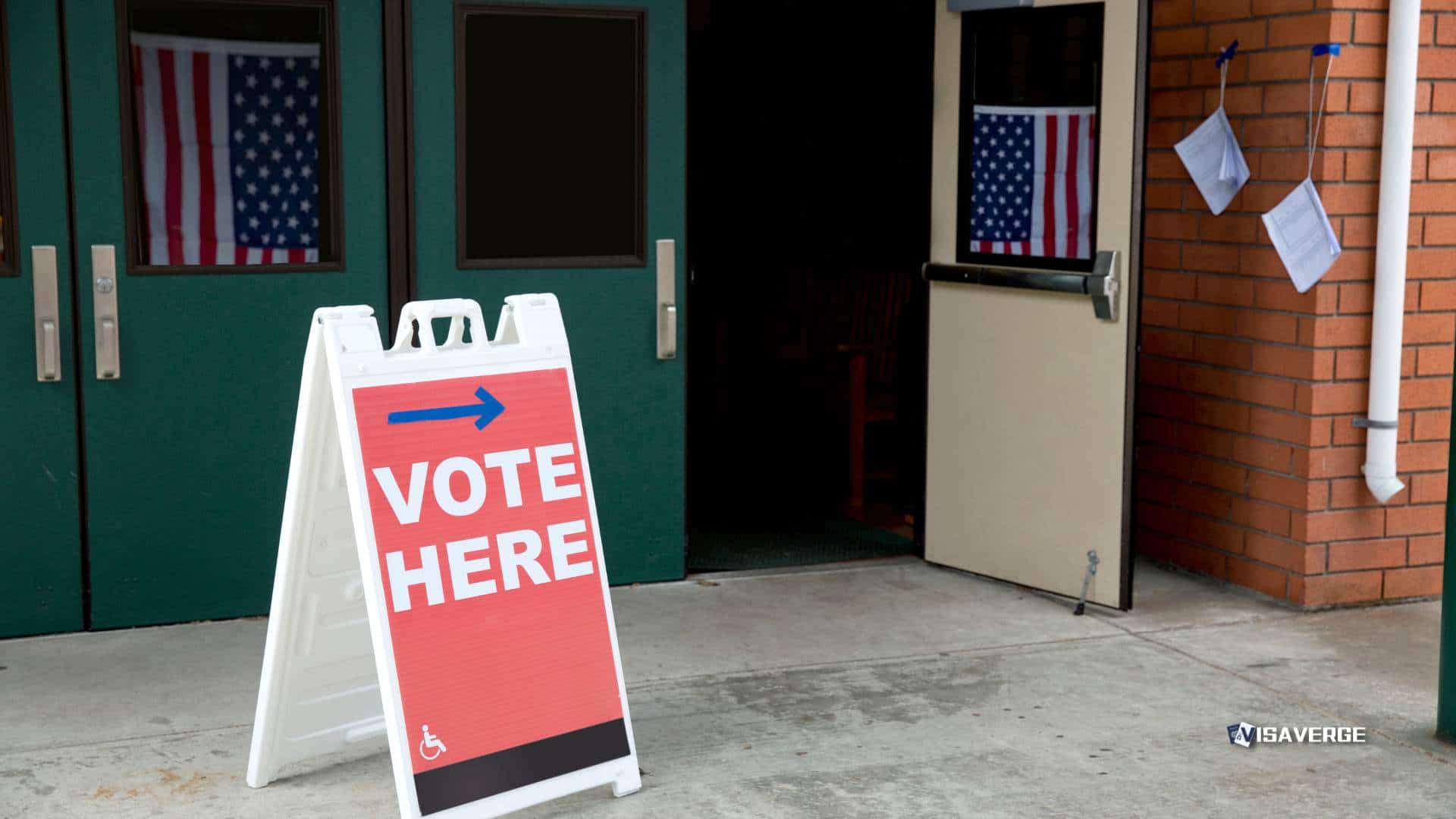
The contract requires payments of $25 million annually for five years. Procurement documents list “voter fraud” as an approved use for the first time, alongside “immigration fraud” and “national security.”
The platform is known as CLEAR, short for Consolidated Lead Evaluation and Reporting. It draws from thousands of sources and can include names, Social Security numbers, telephone numbers and addresses.
The contract expands a data system built for continuous monitoring
Credit card providers share customer information with credit bureaus when people open cards or update account details. The bureaus sell that information to data brokers, which incorporate it into CLEAR for searches by immigration authorities.
The contract identifies the company as the only contractor able to provide a “continuous monitoring and alert service” covering millions of individuals and “entities of interest.” That service can supply updated location and identity information after routine transactions, including a credit-card application or a utility-account update.
The records can also feed into the agency’s ELITE system, or Enhanced Leads Identification & Targeting for Enforcement. The research describes that integration as supporting high-confidence targeting in deportation operations.
DHS tied the expansion to a presidential mandate under Executive Order 14399, “Ensuring Citizenship Verification and Integrity in Federal Elections,” issued on March 31, 2026.
DHS linked the data program to a voter-registration review
DHS Secretary Markwayne Mullin said July 17 that the department had identified over 250,000 potential non-citizens registered to vote across four states. He spoke after a presidential address on election security and warned state officials about possible consequences.
“If the election officials, once we gave them the information they need to secure their elections, and they chose not to, then those individuals can also be held accountable by fines, by penalties, and even depending on how far it goes, prison time.”
Mullin’s warning placed the contract within a broader federal effort to verify citizenship and examine voter registrations. The CLEAR paperwork adds voter fraud to the listed purposes for the system.
Naturalized citizens may also appear in investigations if government records contain outdated or inaccurate information. The research specifically identifies the SAVE program, or Systematic Alien Verification for Entitlements, among the databases that may be queried through the platform.
A mistaken record can therefore draw scrutiny even when a person is eligible to vote. The material does not establish that every flagged person committed an offense.
Critics call the purchases a workaround for privacy protections
Sen. Ron Wyden, D-Ore., described the arrangement as an “outrageous violation of privacy” and a “clear end-around” taxpayer privacy laws. His criticism focuses on the government’s ability to obtain sensitive records by buying them from commercial intermediaries.
The dispute centers on how warrant rules apply to purchased data. The government’s position, as described in the contract’s context, is that commercially acquired information differs from records taken directly from a private location.
The system’s reach extends beyond immigration files. Credit history, addresses and identity records can create an investigative profile from ordinary financial activity, including changes to a utility bill.
Canadian officials are challenging the company’s role
The arrangement has also drawn attention in Canada because Thomson Reuters is a Canadian corporation. Avi Lewis, leader of the Canadian New Democratic Party, called on the Canadian government July 24, 2026, to block the deal.
“Complicity between Canadian corporations [Thomson Reuters] and ICE should absolutely be illegal.”
The request adds an international dimension to a contract primarily used by U.S. immigration authorities. It also puts pressure on the company over how its commercial data products support government investigations.
The company has said it “prohibits the use of CLEAR for the purpose of identifying and locating noncriminal immigrants or undocumented individuals with the intention of deportation solely on the basis of the individual's immigration status.” It also says its tools support “legitimate legal investigations” involving child exploitation and financial crime.
That policy language limits deportation use based only on immigration status. The contract, however, expressly includes immigration fraud, national security and voter fraud among its approved purposes.
The records can affect immigration investigations and election checks
The combined systems allow investigators to compare financial, address and identity information with immigration and election-related databases. Those comparisons may generate leads, alerts or requests for additional review.
People whose information appears in the records may not know that a routine account update has refreshed a government-accessible profile. The research describes the resulting effect as broad tracking of everyday activity.
The arrangement also gives immigration authorities a tool for locating people through data held outside traditional government files. That raises case-specific questions about the accuracy of the underlying records, the purpose of a search and the legal basis for any enforcement action.
The contract runs for five years at $25 million annually. Its approved-use language and monitoring provisions will shape how the system operates through the agreement’s term.
This article provides general information and is not legal advice. Consult a qualified immigration attorney about your specific case.