- DOJ charges Atlanta activist Samuel Tunick for using a duress password to wipe his phone.
- The case tests whether deleting digital data constitutes destruction of evidence at the border.
- CBP reported a 22% increase in device searches for U.S. citizens in 2025.
The Justice Department is prosecuting 26-year-old Atlanta activist Samuel Tunick after he allegedly used a duress password to erase data from his phone during a border inspection. The case was filed in the U.S. District Court for the Northern District of Georgia.
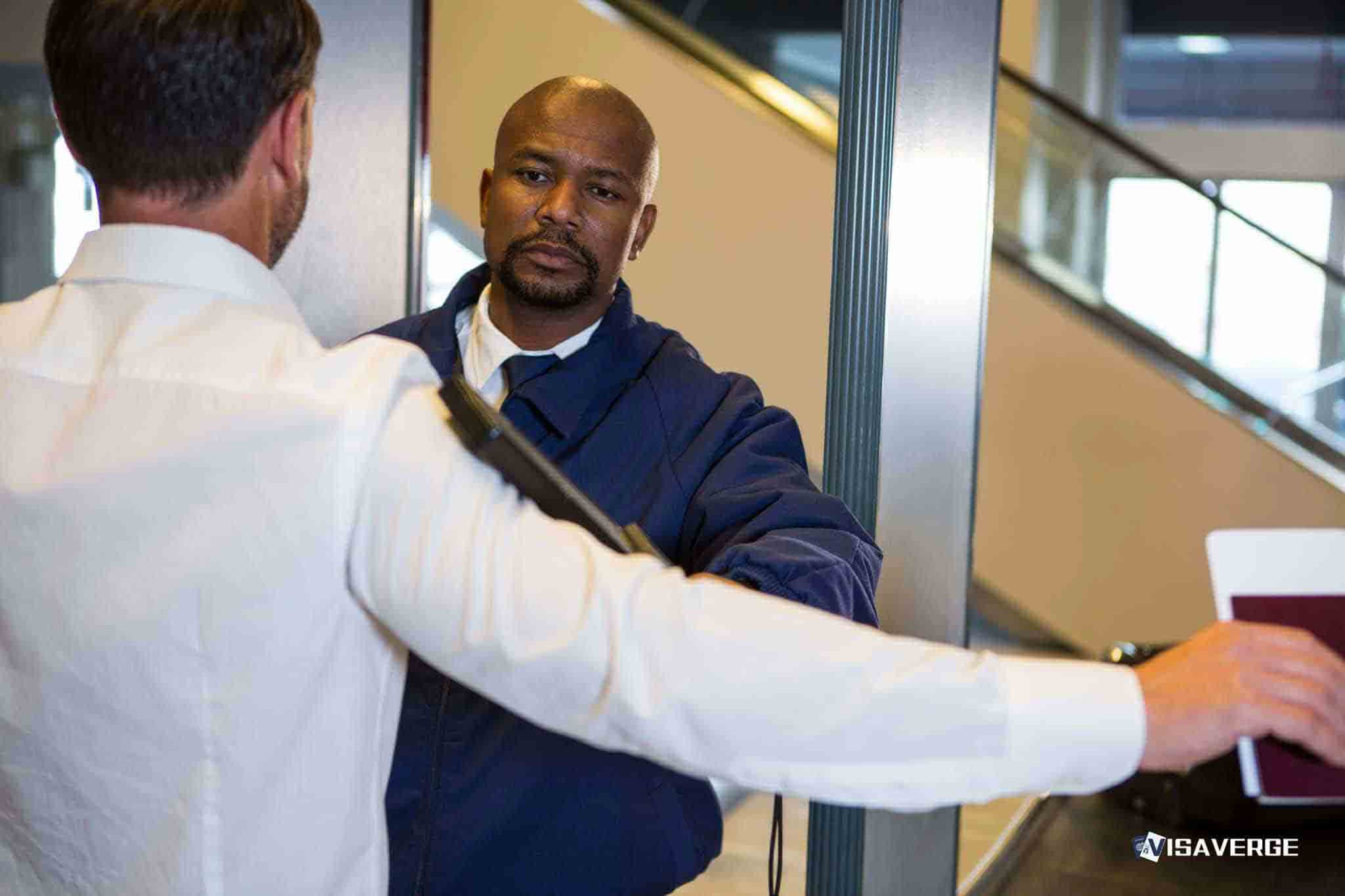
Tunick, a U.S. citizen, had returned from the Dominican Republic on January 24, 2025, when Customs and Border Protection officers sent him to secondary screening at Hartsfield-Jackson Atlanta International Airport. The officers belonged to CBP’s Tactical Terrorism Response Team.
Prosecutors say Tunick gave officers a secondary code instead of his regular passcode. The phone allegedly responded by wiping its encryption keys or resetting itself, making its stored data inaccessible.
The indictment, filed Nov 13, 2025, charges that Tunick acted to prevent the government from taking the device into its custody. It cites Title 18, United States Code, Section 2232(a).
| India | China | ROW | |
|---|---|---|---|
| EB-1 | Feb 01, 2023 | Aug 01, 2023 ▲31d | Current |
| EB-2 | Nov 01, 2013 | Oct 01, 2021 | Apr 01, 2025 ▲90d |
| EB-3 | Jan 22, 2014 ▲21d | Jan 22, 2022 ▲14d | Jun 15, 2024 ▲31d |
| F-1 | Jan 22, 2021 ▲366d | Jan 22, 2021 ▲366d | Jan 22, 2021 ▲366d |
| F-2A | Oct 22, 2026 ▲30d | Oct 22, 2026 ▲30d | Oct 22, 2026 ▲30d |
".did knowingly destroy, damage, waste, dispose of, and otherwise take any action to delete the digital contents of a Google Pixel cellular phone, for the purpose of preventing and impairing the Government’s lawful authority to take said property into its custody and control, in violation of Title 18, United States Code, Section 2232(a)."
Prosecutors treat the phone wipe as destruction of evidence
The case centers on whether deleting digital contents can satisfy a federal law addressing property destruction intended to block a seizure. The legal theory reaches beyond physical damage to the handset itself.
Tunick’s lawyers argue that the phone used full-disk encryption and that erasing encryption keys did not destroy the physical device. They characterize the action as a lawful effort to protect digital privacy.
The phone ran GrapheneOS, a privacy-focused operating system. Its secondary PIN allegedly triggered an immediate factory reset or deleted the keys needed to access encrypted information.
The defense also alleges that the inspection served as a pretext to examine Tunick’s connections to Atlanta’s “Stop Cop City” movement. That argument raises questions about whether the search implicated First Amendment protections for political activity.
The border-search dispute reaches beyond Tunick’s phone
The prosecution is testing the relationship between border searches and the constitutional protections that apply to phones inside the country. In Riley v. California, the Supreme Court held that police generally need warrants to search phones during domestic arrests.
The government argues that those protections are diminished at the border, where officers may inspect people and property entering the United States. Tunick’s case asks whether that authority also permits the government to impose criminal consequences when a traveler activates a device’s privacy function.
CBP says electronic-device inspections support its border-security mission.
"CBP’s ability to lawfully inspect electronic devices crossing the border is integral to keeping America safe in an increasingly digital world. These searches have been used to identify and combat terrorist activity, drug smuggling, human smuggling, bulk cash smuggling, human trafficking. and visa fraud."
The agency issued that statement June 17, 2026, as the case proceeded.
CBP searches remain rare, but increased in fiscal 2025
CBP reported that fewer than 0.01 percent of arriving international travelers underwent electronic-device searches in Fiscal Year 2025. The number of searches nevertheless rose 12.6% from the previous year.
Searches involving U.S. citizens’ devices increased by nearly 22%. The figures provide the broader enforcement setting for a case involving an American traveler rather than a foreign national seeking admission.
A revised CBP policy took effect January 1, 2026. Directive 3340-049B divides inspections into two categories:
| Search type | What officers may do | Required justification |
|---|---|---|
| Basic search | Manually review device content | No individualized suspicion required |
| Advanced search | Use forensic tools to copy or analyze data | Reasonable suspicion or a national security concern, plus supervisor approval |
The policy distinguishes a manual review from a forensic examination that copies or analyzes information. Tunick’s allegations involve the moment officers sought access to his phone during secondary inspection.
The ruling could affect privacy tools at ports of entry
The indictment represents the government’s first application of 18 U.S.C. § 2232 to the digital wiping of a phone, according to the case material. A conviction could give prosecutors a basis to pursue travelers who use kill switches or similar emergency privacy features at ports of entry.
The dispute also separates the device from its contents. The government alleges that Tunick deleted digital material to obstruct lawful custody, while the defense focuses on the phone’s continued physical existence and the encrypted nature of the data.
The case is USA v. Tunick, Case No. 1:25-cr-00499. Its outcome may shape how courts treat privacy software, encryption keys and emergency reset functions during border inspections.
This article provides general information and is not legal advice. Consult a qualified immigration attorney about your specific case.