Haitian nationals with Temporary Protected Status faced a renewed deadline in late July 2026 after the Supreme Court’s June 25, 2026 ruling allowed the federal government to end Haiti’s TPS designation. In Florida, the change is drawing attention because recent reporting places the number of affected people at more than 150,000 statewide, with work authorization and deportation protections set to expire as the court-ordered extensions ran out.
- On July 1, 2026, USCIS said Haitian TPS beneficiaries would keep their TPS status and employment authorization under the court order then in place, and that Forms I-766 in categories A12 and C19 remained valid and were extended.
- The Supreme Court’s June 25, 2026 decision held that federal statute does not allow judicial review of non-constitutional challenges to TPS termination decisions, clearing the way for the administration to end Haiti TPS.
- Reporting on July 10, July 23, and July 24, 2026 said Haiti TPS employment authorization was extended first to July 24 and then to July 27, 2026 while the government implemented the ruling.
- Recent coverage continues to estimate roughly 350,000 Haitian TPS holders nationwide, with Florida estimates ranging from more than 150,000 to 158,000 people affected.
The Supreme Court’s June 25, 2026 ruling in Mullin v. Doe allowed the Trump administration to end Haiti TPS, and USCIS then updated guidance so affected Haitian TPS work authorization ran only through July 24, 2026. The change is now forcing nursing homes, home-care providers, and other employers to prepare for reverification and staffing disruptions as caregivers lose TPS-based employment authorization.
- USCIS issued updated Haiti TPS guidance on July 10, 2026, setting July 24, 2026 as the employment-authorization end date for affected Haiti TPS EADs.
- The Supreme Court decision also covered 6,000 Syrians, alongside the estimated 350,000 Haitians affected by the TPS termination.
- Care-sector providers are warning that the loss of TPS workers will deepen shortages in nursing homes and home care, where immigrants make up one-third of home health aides.
- Employer guidance tied to the July 2026 update requires reverification and use of the new expiration date for TPS-based work authorization on Form I-9 and E-Verify.
1 earlier update
Haitian nationals with Temporary Protected Status faced a renewed deadline in late July 2026 after the Supreme Court’s June 25, 2026 ruling allowed the federal government to end Haiti’s TPS designation. In Florida, the change is drawing attention because recent reporting places the number of affected people at more than 150,000 statewide, with work authorization and deportation protections set to expire as the court-ordered extensions ran out.
- On July 1, 2026, USCIS said Haitian TPS beneficiaries would keep their TPS status and employment authorization under the court order then in place, and that Forms I-766 in categories A12 and C19 remained valid and were extended.
- The Supreme Court’s June 25, 2026 decision held that federal statute does not allow judicial review of non-constitutional challenges to TPS termination decisions, clearing the way for the administration to end Haiti TPS.
- Reporting on July 10, July 23, and July 24, 2026 said Haiti TPS employment authorization was extended first to July 24 and then to July 27, 2026 while the government implemented the ruling.
- Recent coverage continues to estimate roughly 350,000 Haitian TPS holders nationwide, with Florida estimates ranging from more than 150,000 to 158,000 people affected.
- Florida faces healthcare staffing shortages as work permits for 160,000 Haitians are set to expire.
- The federal government is offering financial incentives up to $2,600 for voluntary self-deportation by beneficiaries.
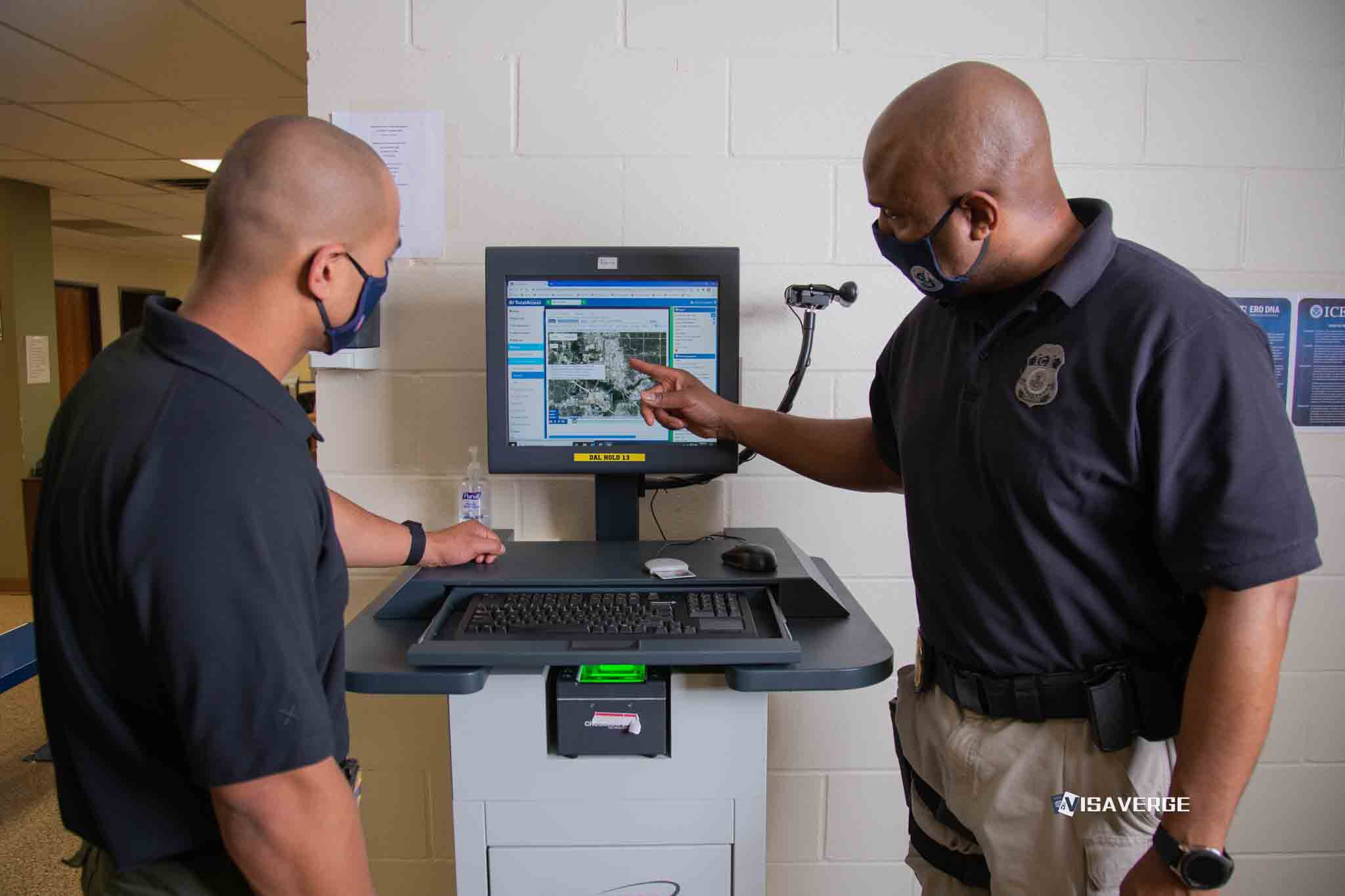
- ICE is planning an arrest and deportation blitz targeting individuals with lapsed status and criminal records.
South Florida healthcare providers face possible staffing shortages as the federal government prepares to end deportation protections and work permits for hundreds of thousands of Haitian nationals, including an estimated 158,000 to 160,000 people in Florida.
| India | China | ROW | |
|---|---|---|---|
| EB-1 | Feb 01, 2023 | Aug 01, 2023 ▲31d | Current |
| EB-2 | Nov 01, 2013 | Oct 01, 2021 | Apr 01, 2025 ▲90d |
| EB-3 | Jan 22, 2014 ▲21d | Jan 22, 2022 ▲14d | Jun 15, 2024 ▲31d |
| F-1 | Jan 22, 2021 ▲366d | Jan 22, 2021 ▲366d | Jan 22, 2021 ▲366d |
| F-2A | Oct 22, 2026 ▲30d | Oct 22, 2026 ▲30d | Oct 22, 2026 ▲30d |
The affected workers include caregivers, hospital staff and employees at home health agencies. Many work in South Florida, where Haitian caregivers provide in-home support to hundreds of Holocaust survivors and elderly residents in Miami-Dade County.
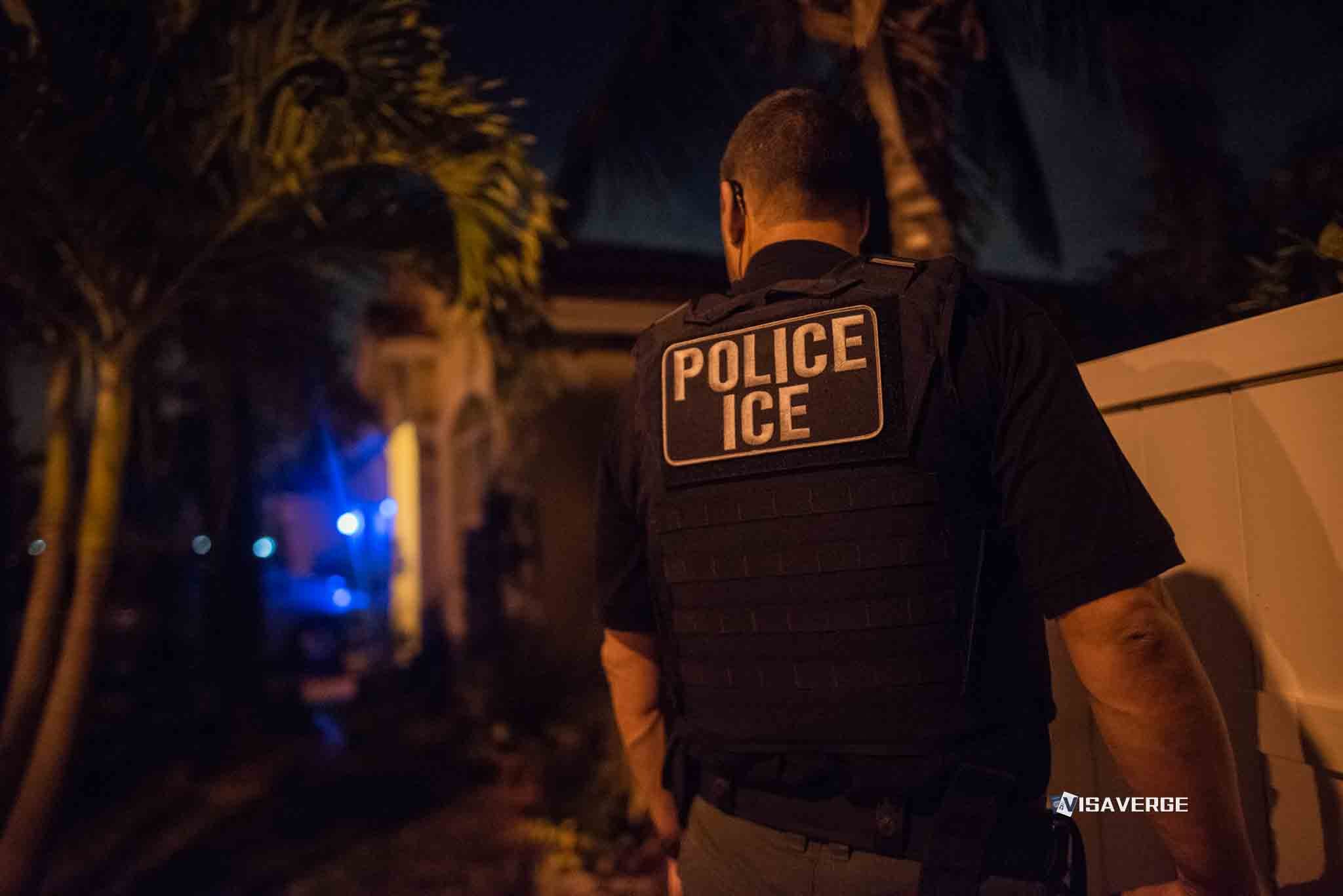
The potential loss of those workers comes as U.S. Immigration and Customs Enforcement prepares to increase arrests and deportations of Haitian migrants, according to internal documents and people familiar with the plans. Criminal cases are expected to receive priority, but people whose immigration status lapses may also become eligible for removal.
The timing remains unsettled. Employment Authorization Documents issued under Haiti’s designation remain valid through Monday, July 27, 2026, under a court-ordered extension, according to a July 24 alert from U.S. Citizenship and Immigration Services.
The agency said the permits remain valid until the U.S. Supreme Court’s mandate issues in Mullin v. Doe. The current date follows a third temporary extension in as many weeks.
DHS officials described the end of the program in stark terms in a July 26 statement:
“What we would say now is it’s closing time which means you don’t have to go home, but you can’t stay here. The good news is it’s not too late to get a $2,600 check and a free flight home.”
The department has also offered financial incentives for people who leave voluntarily. Secretary Markwayne Mullin advised Haitian beneficiaries on June 28 to “Seek permanent status or leave,” then offered a $2,100–$2,600 incentive for what officials called “self-deportation.”
Haitian caregivers anchor services for South Florida’s elderly residents
Healthcare groups and local organizations warn that losing Haitian workers could create staffing gaps across nursing homes, hospitals and home health agencies. The Florida Restaurant & Lodging Association has warned of “significant staffing shortfalls.”
Jewish Community Services of South Florida has focused on the effect on elderly clients. Haitian caregivers serve as “trusted companions” for hundreds of Holocaust survivors and other older residents in Miami-Dade County.
Those workers provide in-home care. Their sudden departure could interrupt both daily assistance and the emotional support that clients receive from familiar caregivers.
The workforce impact extends beyond individual homes. Industry experts say Haitian employees make up a vital part of staffing at nursing homes, hospitals and home health agencies throughout the region.
Approximately 330,735 to 350,000 Haitian nationals currently hold TPS in the United States. Florida accounts for an estimated 158,000 to 160,000 of them, with the vast majority living and working in South Florida.
ICE plans operations as protections approach their current deadline
Internal documents and sources indicate that ICE is preparing a “blitz” of arrests and deportations. Officials have identified criminal aliens as the priority, while enforcement activity is expected in high-density Haitian communities, including South Florida and Springfield, Ohio.
Acting Assistant Secretary Lauren Bis pointed to a July 16 deportation flight carrying more than 100 people to Haiti. On July 20, she said:
“Last week, ICE deported pedophiles, carjackers, drug traffickers and perpetrators of fraud to Haiti. Criminal illegal aliens have NO place in American communities. Our message to illegal aliens is clear: LEAVE NOW. If you don't, we will find you and deport you.”
The July flight followed the administration’s broader push to end Haiti’s protections. The enforcement plans have raised concerns among community organizations because the loss of work authorization can affect healthcare staffing before any individual is removed.
Court orders have kept the work permits alive week by week
Former DHS Secretary Kristi Noem determined in November 2025 that Haiti no longer met the conditions for the program. The decision appeared in 90 Fed. Reg. 54733 on November 28, 2025.
A federal district court later stayed the termination in Miot v. Trump. The Supreme Court’s June 25, 2026, ruling in Mullin v. Doe cleared the way for the administration to proceed with ending the designation.
Court orders have nevertheless produced short extensions. The latest extension keeps the employment documents valid through July 27, while the Supreme Court’s mandate remains the event tied to the next stage of the process.
The program’s status therefore rests on two moving tracks: enforcement preparations and litigation-related timing. Workers, employers and care recipients face a deadline that can shift with court action.
Healthcare organizations are preparing for the possibility that employees could lose authorization at the same time. A staffing disruption would reach patients who depend on home visits, nursing-home personnel and hospital workers.
The administration’s public message leaves two routes for beneficiaries: seek permanent status or leave the country. DHS has also promoted a $2,600 payment and a free flight for people who depart voluntarily, while enforcement officials have warned that those who remain may face arrest and deportation.
This article provides general information and is not legal advice. Consult a qualified immigration attorney about your specific case.