- ICE issued $57.1 million in new skip-tracing orders on August 27, 2026.
- The largest individual award, $14.5 million, went to Capgemini Government Solutions.
- The new package expands to 14 companies, nearly three times the first round.
ICE placed $57.1 million in new skip-tracing orders on August 27, 2026, hiring 14 private companies to locate immigrants for enforcement and removal operations. The new orders are almost exactly three times the size of the first round.
The largest individual order, worth $14.5 million, went to Capgemini Government Solutions. Two other contractors also saw their payments rise sharply between the rounds.
Free toolUSCIS Receipt Number Decoder
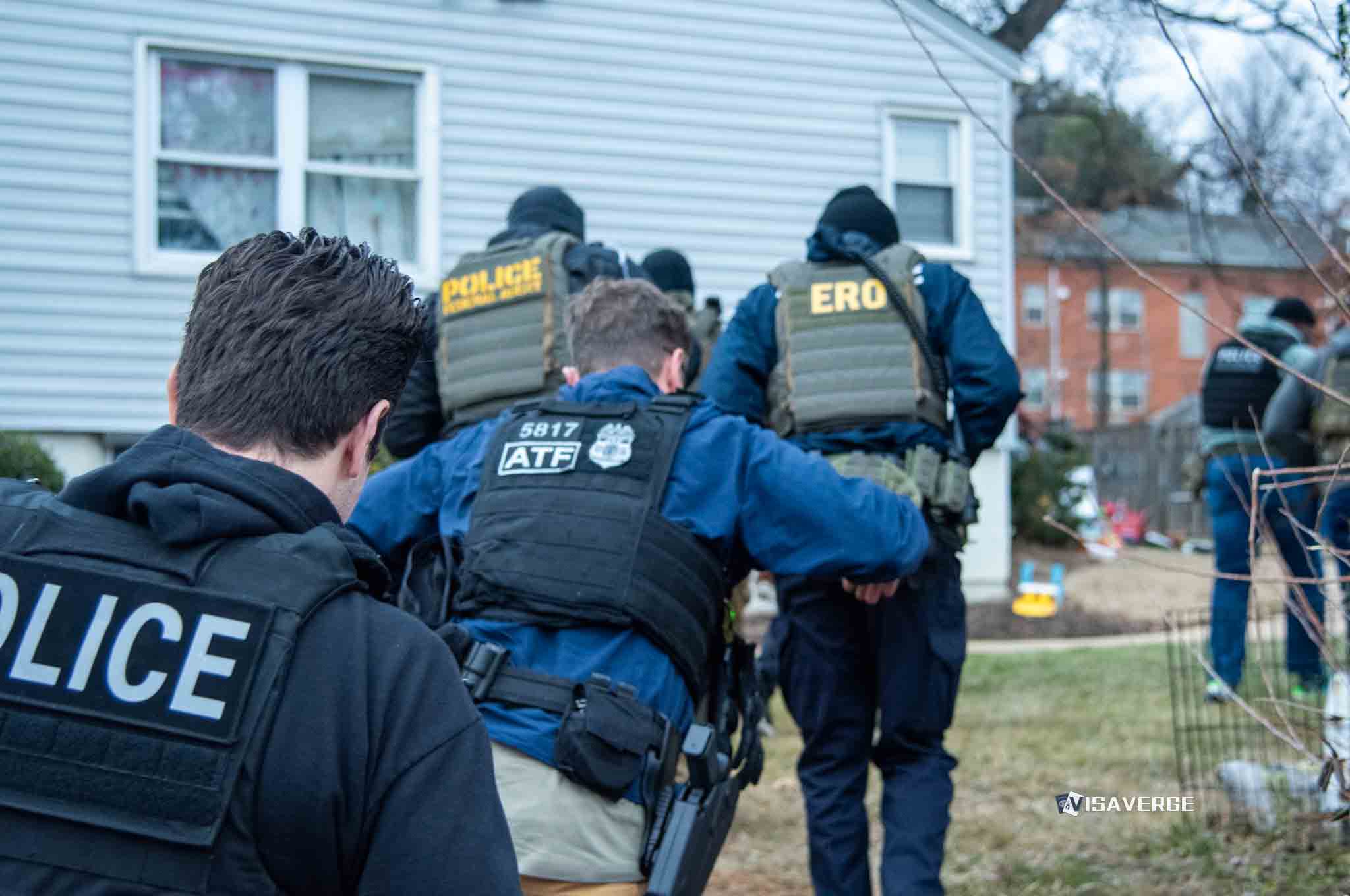
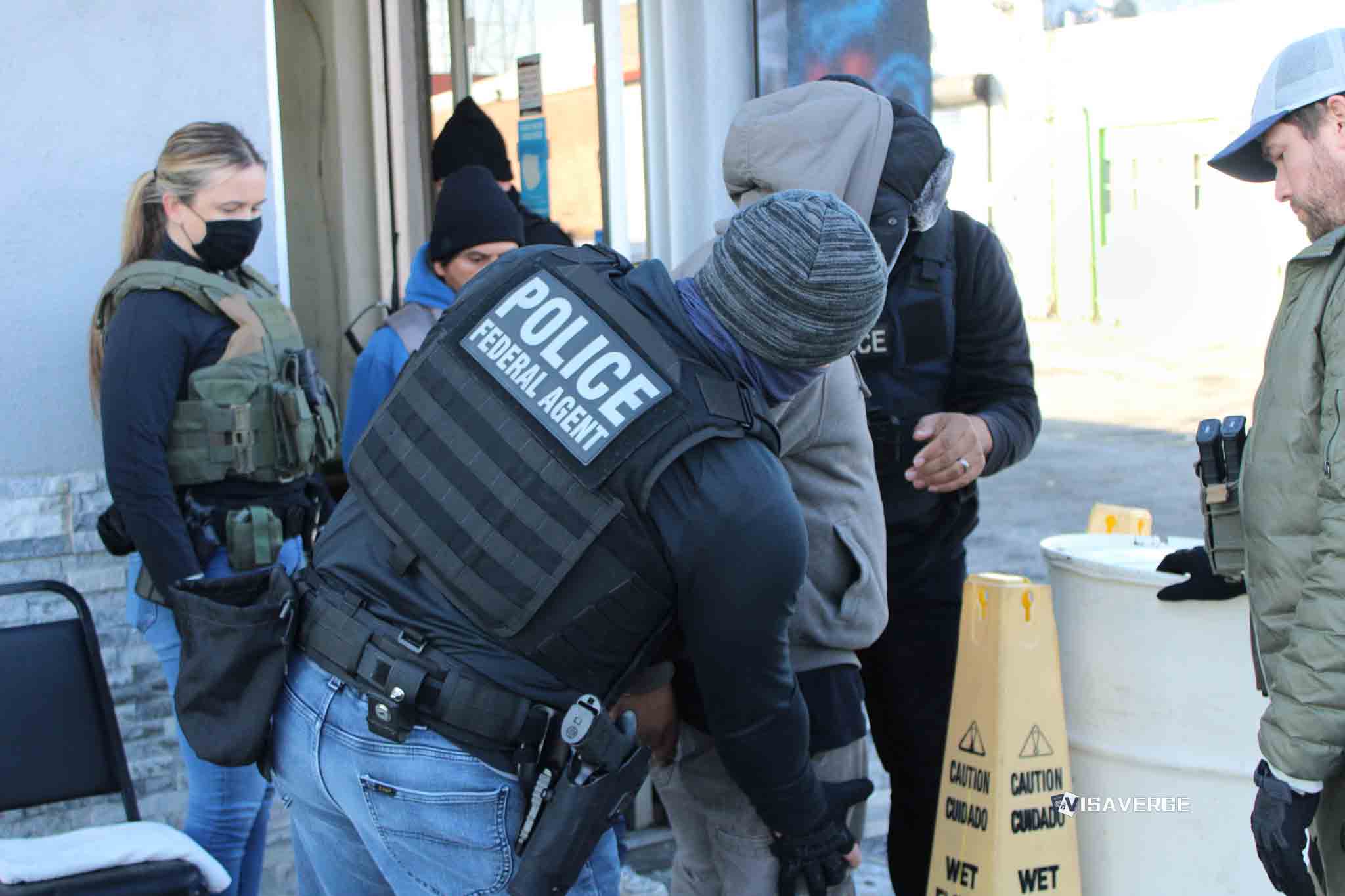
The work involves finding where a person lives or works. Contractors then verify the address in person and photograph it as proof.
The first round began in December 2025 and ran through May 14, 2026. At that time, the department’s contracting structure involved 13 companies.
The increase comes as the agency relies more heavily on private firms to support immigration enforcement. Their assignments can carry sharply different values, depending on the work involved.
The new orders sharply increase payments to individual contractors
Constellation’s order rose from $767,468.75 to $2,302,406.25. Enprovera’s increased from $34,552 to $103,656.
Those awards illustrate how the latest round compares with the initial orders. The overall increase applies across the new package, while individual task orders vary by contractor.
| Contract measure | Amount or change |
|---|---|
| New orders issued August 27, 2026 | $57.1 million |
| Largest individual order | $14.5 million |
| Constellation | $767,468.75 to $2,302,406.25 |
| Enprovera | $34,552 to $103,656 |
| Potential contract ceiling | Up to $1.2 billion over two years |
The $1.2 billion figure represents the potential ceiling for the original contracts, not the amount actually spent.
Payments can rise with the number of people located
The earlier contract structure included incentives tied to the speed and number of people a company finds. Sharon Bradford Franklin, former chair of the Privacy and Civil Liberties Oversight Board, criticized that arrangement.
“bounty hunters”
Franklin described the firms that way and added: “It’s the same kind of incentive situation.”
The incentive structure links compensation to locating people. That arrangement has drawn criticism because payments can rise with the number of immigrants found.
Contractors use public records, commercial databases, and online sources to identify possible addresses. They may then confirm the location directly and document it with a photograph.
The process can involve a person’s home or workplace. The assignment is to establish where that person can be found.
The department added private capacity after the first round
The initial order structure used 13 companies. The latest round names 14 private companies, reflecting a broader group of contractors working on the locating effort.
The orders placed on August 27 follow the first period, which began in December 2025 and ended May 14, 2026. The new package is nearly three times as large as that earlier round.
The agency’s contracts support enforcement and removal operations. Individual firms receive different task-order amounts, ranging from the six-figure awards cited for Enprovera to the multimillion-dollar orders issued to Constellation and Capgemini Government Solutions.
The contracting model also leaves room for bonuses tied to performance. Speed and the number of people located are among the factors described in the earlier structure.
The new orders therefore expand both the amount paid to contractors and the department’s use of private companies in immigration enforcement. The contracts’ potential ceiling remains up to $1.2 billion over two years, while the August package totals $57.1 million.
This article provides general information and is not legal advice. Consult a qualified immigration attorney about your specific case.