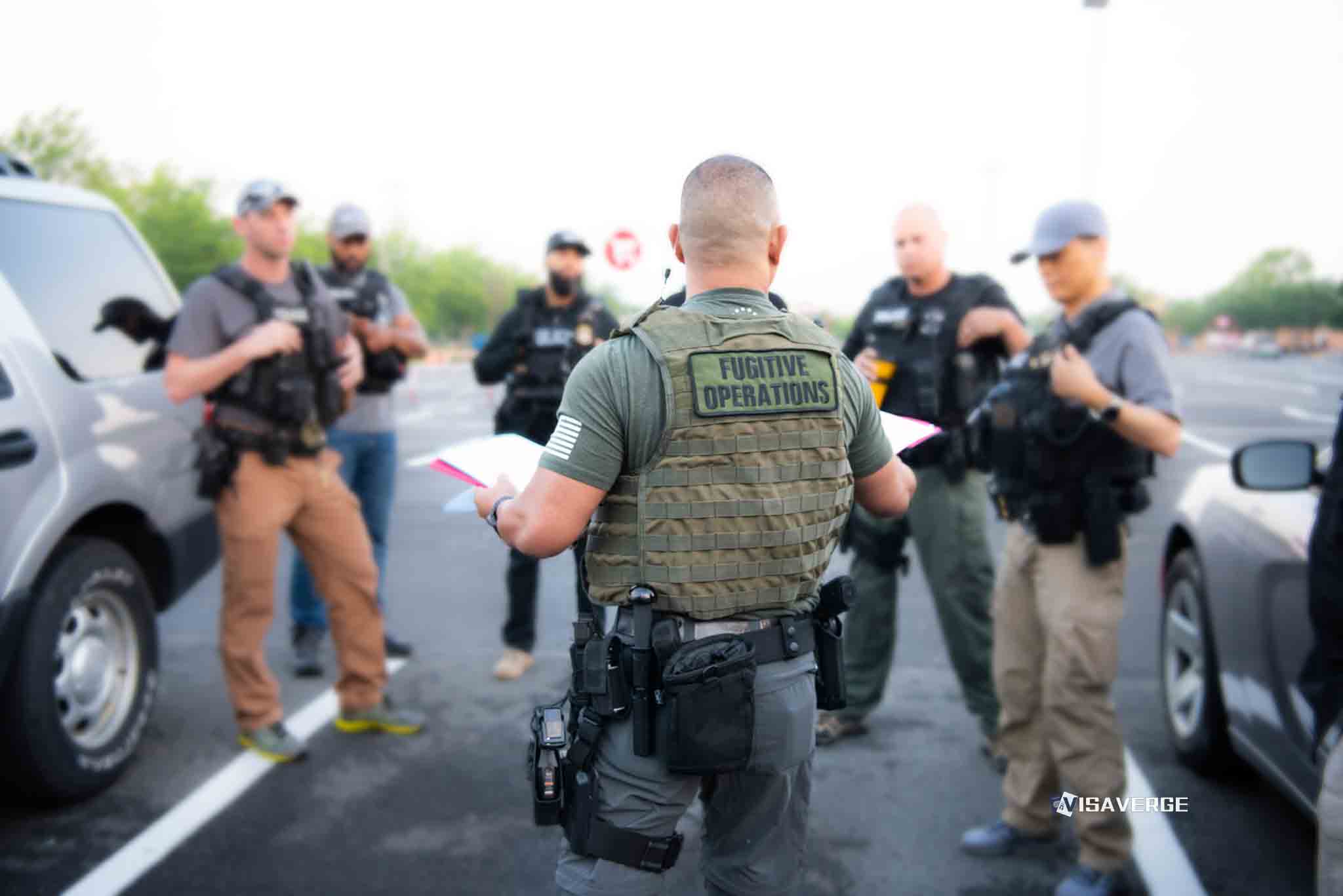
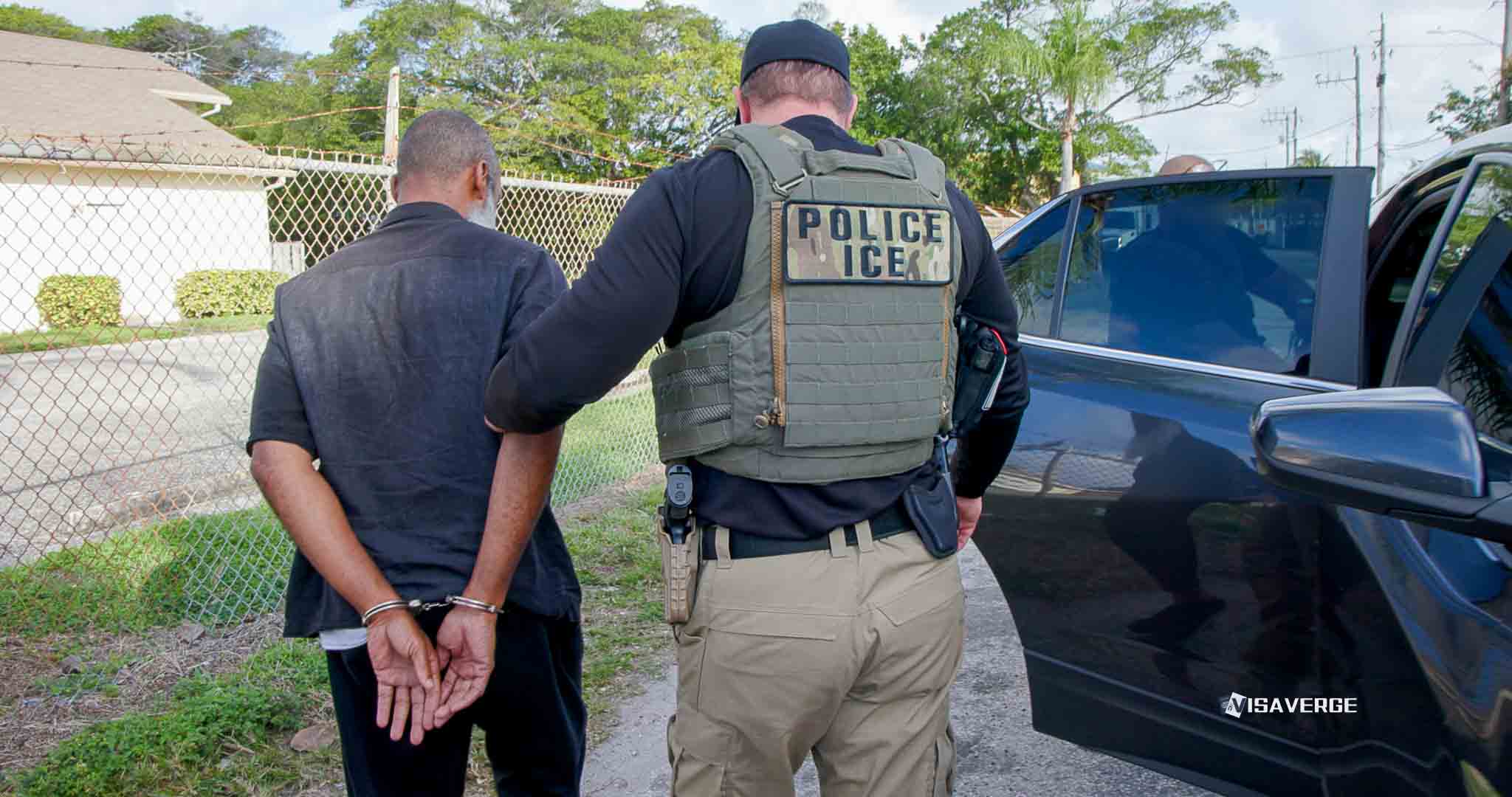
(UNITED STATES) Immigration enforcement agencies are tapping growing pools of private data to find, monitor, and remove noncitizens, a practice that expanded under President Trump through wider contracts and broader data sharing, according to the provided material. Immigration and Customs Enforcement (ICE) and U.S. Citizenship and Immigration Services (USCIS) can pull information from commercial brokers, other federal agencies, and public social media posts, then use it to support arrests, visa revocations, and deportation cases. Advocates say the same tools can also sweep in U.S. citizens who live in mixed‑status families. Critics warn this approach tests old privacy rules in a surveillance age.
Commercial databases and healthcare data
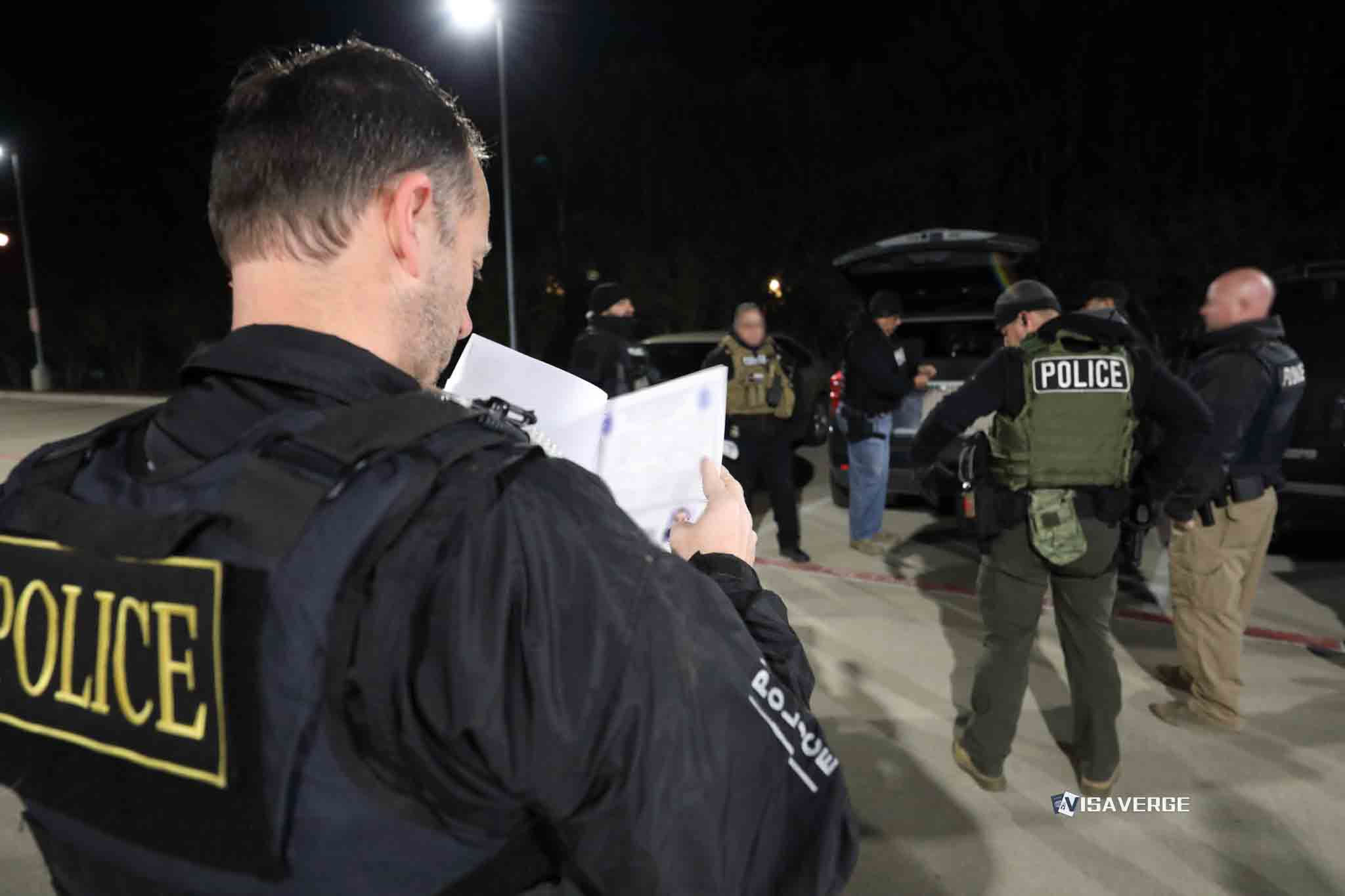
ICE’s access to ISO ClaimSearch, a private insurance and medical billing database, has drawn special alarm because it was built for fraud detection and vehicle recovery—not immigration policing. The material says the database can help agents:
- locate addresses,
- map households where some members are undocumented and others are citizens or lawful residents, and
- identify potential targets.
Community groups describe a “chilling effect,” with people avoiding clinics or delaying treatment because they fear any paper trail could lead to deportation. That fear can spill over to U.S. citizens in the same home. In some areas, even legal residents skipped checkups.
Free toolI-94 Expiration Calculator OnlineThe material points to reduced health visits among Hispanic patients in places such as Phoenix, Arizona, and Harris County, Texas, where rumors of data sharing travel fast and trust is fragile. While doctors and clinic staff may not share patient information with ICE as a rule, commercial databases can blend billing, claims, and address files from many sources, creating a path around the exam room.
Privacy advocates say this practice blurs the line between healthcare administration and policing. Families already living on the edge may:
- choose to stay sick rather than seek care,
- pay cash far from home, or
- stop picking up prescriptions for children.
Federal data integration and the “data lake”
The material describes a new federal data integration effort led by the Department of Government Efficiency (DOGE), which is merging datasets from the Social Security Administration, the Internal Revenue Service, and Medicare into a USCIS “data lake” for immigration case tracking. Officials tie the work to a Trump executive order aimed at ending “information silos.”
Critics question why Medicare data would be pulled in when nonresidents are generally ineligible for the program. They warn that bulk matching can produce false leads that are hard to correct once a file spreads. Even small errors can follow a person for years.
Predictive tools, monitoring, and enforcement technology
On the operational side, the material says ICE deploys Palantir’s ImmigrationOS, an artificial‑intelligence platform that can combine many streams of information into profiles for officers in the field. ICE also uses:
- facial recognition, and
- GPS‑based smartphone apps for required check‑ins,
extending supervision beyond detention centers and offices. Another tool, described as “Hurricane Scores,” predicts who might miss a court date or “abscond.” Civil liberties lawyers argue that risk scores can embed bias and treat poverty, language barriers, or housing instability as warning signs. Mistakes can trigger:
- arrest warrants,
- detention, and
- fast‑track deportation.
Visa revocations and social media scanning
The material says Secretary of State Marco Rubio has pursued a “Catch and Revoke” strategy in which AI tools scan social media and other online activity to support visa revocations. Stated targets include:
- “abuse of hospitality,”
- antisemitic activity, or
- sympathy for terrorism.
Visa holders — including students and workers — can find that speech made years earlier, or reposted content, is pulled into a file without notice. Immigration lawyers say the uncertainty chills lawful expression, especially when standards are vague and decisions happen quickly. For families, a revoked visa can mean separation and lost income.
Collecting social media handles and scope
USCIS has also proposed collecting applicants’ social media handles on immigration forms, the material notes. The change could expand monitoring to as many as 33 million people. The proposal did not name specific forms or fees in the provided information, but it signals a broader shift toward keeping long‑term digital identifiers in case files.
DHS says it has privacy policies, yet advocates urge the public to read official guidance on the DHS Privacy Office when assessing how personal information is handled:
- Visit: https://www.dhs.gov/privacy
Once collected, advocates warn, data can be reused for new purposes — including enforcement uses from visas.
Accuracy, bias, and incidental collection
Privacy groups say the risk is not only the volume of data but also its accuracy. The material warns that large‑scale matching can:
- misclassify criminal records,
- mix people with similar names, or
- pull outdated addresses into enforcement systems.
Bias can enter when algorithms treat certain neighborhoods, languages, or travel patterns as suspicious. The Brennan Center, cited in the material, has warned that expanded surveillance can reach U.S. citizens when agencies:
- collect information about mixed‑status families, or
- gather “incidental” data from neighbors, roommates, and coworkers.
What begins as private data bought for fraud prevention can end as evidence in a deportation file, with limited ways to appeal or correct errors once they propagate.
Key takeaway: large datasets and commercial records originally intended for non‑enforcement uses can be repurposed to build immigration cases, often without a warrant or an easy path to correct mistakes.
Human impact and community response
For many immigrants, the shift can feel invisible until an appointment turns into an interrogation about:
- where they live,
- who they live with, and
- what they posted online.
The provided material does not name specific people affected, but it describes communities where both undocumented residents and lawfully present relatives change daily routines because they assume they are being watched. According to analysis by VisaVerge.com, the combination of commercial records and government databases is reshaping how cases are built, often without a warrant or a chance to correct errors before action is taken. In that climate, fear becomes a form of control.
No grace periods and practical advice
The material says no grace periods or broad exceptions have been noted for these data practices, leaving many immigrants to weigh whether normal tasks—such as:
- filing taxes,
- applying for benefits for eligible children, or
- carrying a phone with location services—
might feed enforcement systems.
Supporters argue that better data helps agencies find people ordered removed and stop fraud, but opponents say it expands government reach through tools built for commerce. As debate grows, attorneys recommend that clients:
- ask, in plain terms, what information a government office is requesting and why,
- keep copies of what they submit today, and
- consult legal counsel before providing optional or expansive data.
Warnings and open questions
- Warning: Bulk matching and reuse of commercial and federal data can create enduring errors that are difficult to correct.
- Question: Why are datasets such as Medicare being included when nonresidents are generally ineligible, and how will accuracy be ensured?
- Concern: The blending of administrative and commercial records may produce enforcement evidence without clear notice or an effective path to remedy.
This matters not only for noncitizens but also for U.S. citizens connected to mixed‑status households, health providers, and anyone whose digital and commercial footprints can be combined into enforcement profiles.
Immigration agencies increasingly tap commercial and federal databases—like ISO ClaimSearch and a USCIS data lake—and AI tools such as Palantir’s ImmigrationOS to identify, monitor, and deport noncitizens. Practices include social media scanning and proposed collection of social handles affecting millions. Advocates warn of errors, bias, and incidental collection that can impact U.S. citizens and deter healthcare use. Critics urge transparency, stronger accuracy safeguards, and limits on repurposing commercial data for enforcement.