- The FBI reassigned over 6,500 employees to immigration enforcement roles following the 2025 presidential transition.
- This shift represents 25 percent of the workforce, pulling agents away from counter-terrorism and fraud cases.
- Internal records reveal a 23-fold increase in immigration-related staffing within just nine months of 2025.
(UNITED STATES) — The Intercept published a report on May 4, 2026 saying the FBI reassigned more than 6,500 employees to support immigration enforcement after President Trump’s second term began in January 2025.
The report said that figure amounted to about 25% of the bureau’s 38,000-person workforce. It also said a total of 9,161 FBI personnel worked on immigration matters during the period.
Free toolUSCIS Receipt Number Decoder
Internal FBI staffing spreadsheets obtained through a Freedom of Information Act request formed the basis of the report. Those records showed the bureau’s immigration task force growing from 279 agents before January 2025 to more than 6,500 by September 2025.
That jump represented a 23-fold increase in nine months. The growth unfolded between January 2025 and September 2025, a period in which immigration-related assignments expanded quickly across the bureau.
The staffing shift pulled personnel from counter-terrorism, child exploitation and corporate fraud investigations, the report said. Bureau sources described the change as a diversion from criminal investigations to civil immigration enforcement.
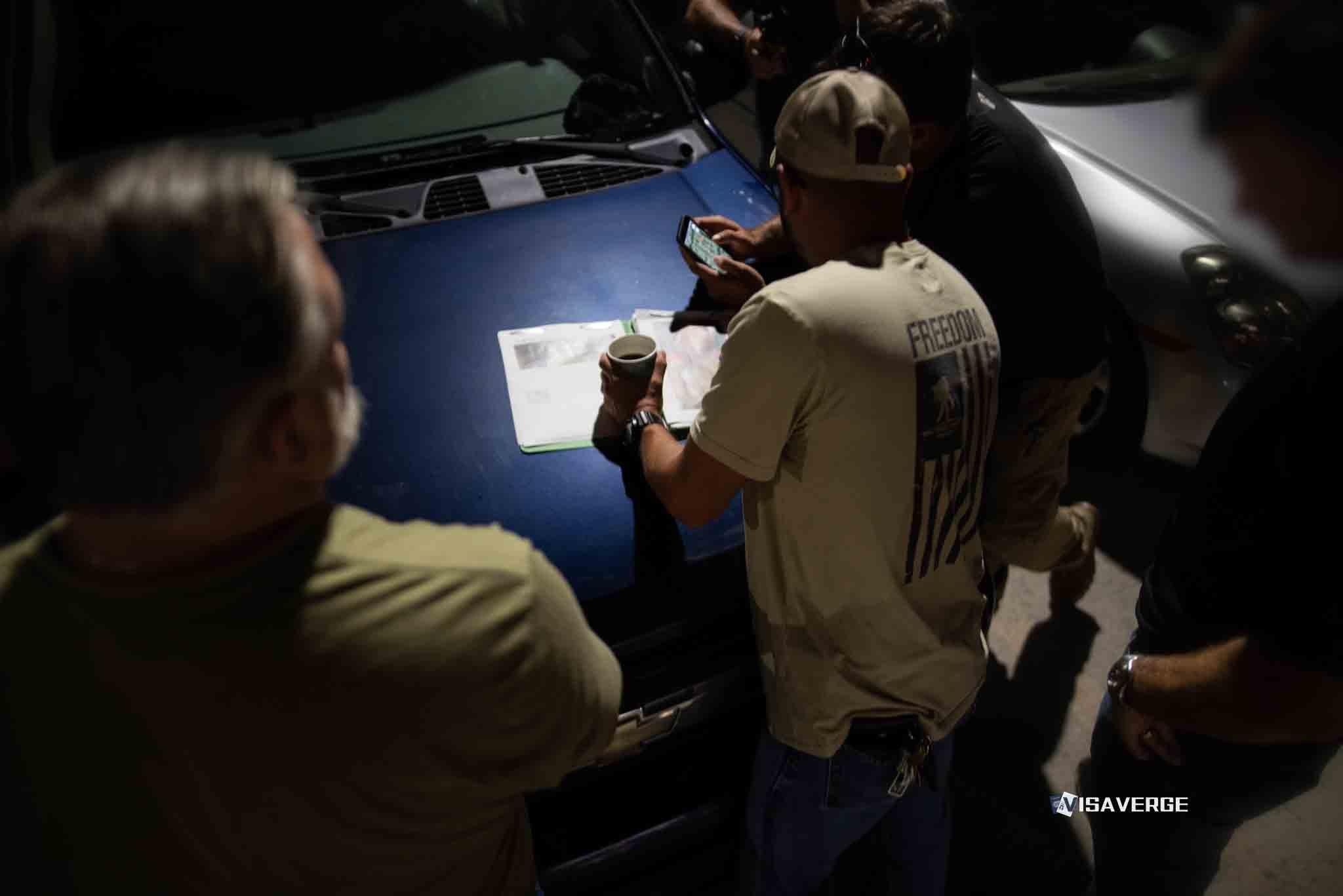
Agents also joined wider operations with Immigration and Customs Enforcement and Customs and Border Protection. Their work included vetting visa applicants’ social media, analyzing CBP biometric-exit data and taking part in ICE workplace raids.
The figures described a broader role for the FBI in immigration enforcement than had previously been publicly outlined. An estimate made public in October 2025, using FBI data shared by Senator Mark R. Warner, had put the number of reassigned agents at 3,000.
The newer total, more than 6,500 employees reassigned and 9,161 personnel working on immigration matters overall, placed the scale far above that earlier estimate. It also suggested that immigration work reached beyond a single task force.
Pre-January 2025, the immigration task force counted 279 agents. By September 2025, it had grown to over 6,500, according to the staffing spreadsheets.
That expansion came as federal immigration enforcement agencies worked in closer coordination. The activities described in the report tied FBI personnel to screening, data analysis and enforcement support usually associated with border and immigration agencies.
The report’s account drew attention on May 4, 2026, when Democracy Now! highlighted the investigation. Public scrutiny centered on how many FBI employees had been shifted and what work they stopped doing as those assignments grew.
Counter-terrorism, child exploitation and corporate fraud cases sat among the areas losing staff. The bureau sources cited in the report framed the change in blunt terms: agents who had handled criminal investigations were reassigned to civil immigration enforcement.
The numbers also showed that the bureau’s involvement extended beyond temporary support. A workforce of 9,161 personnel on immigration matters represented nearly a quarter of all FBI staff.
By the time the task force passed 6,500 employees in September 2025, the internal records described an agency committing large parts of its workforce to a mission shared with immigration authorities. The scale, captured in the staffing spreadsheets released through the Freedom of Information Act, left a paper trail of one of the sharpest internal shifts inside the FBI since January 2025.