- Kyrgyzstan and Seychelles signed a visa abolition agreement on May 4, 2026, for short-term travel.
- The deal covers tourism, business, and private visits, establishing a reciprocal travel framework between the nations.
- Ministers also discussed cooperation in agriculture, education, digital governance, and sustainable development during the visit.
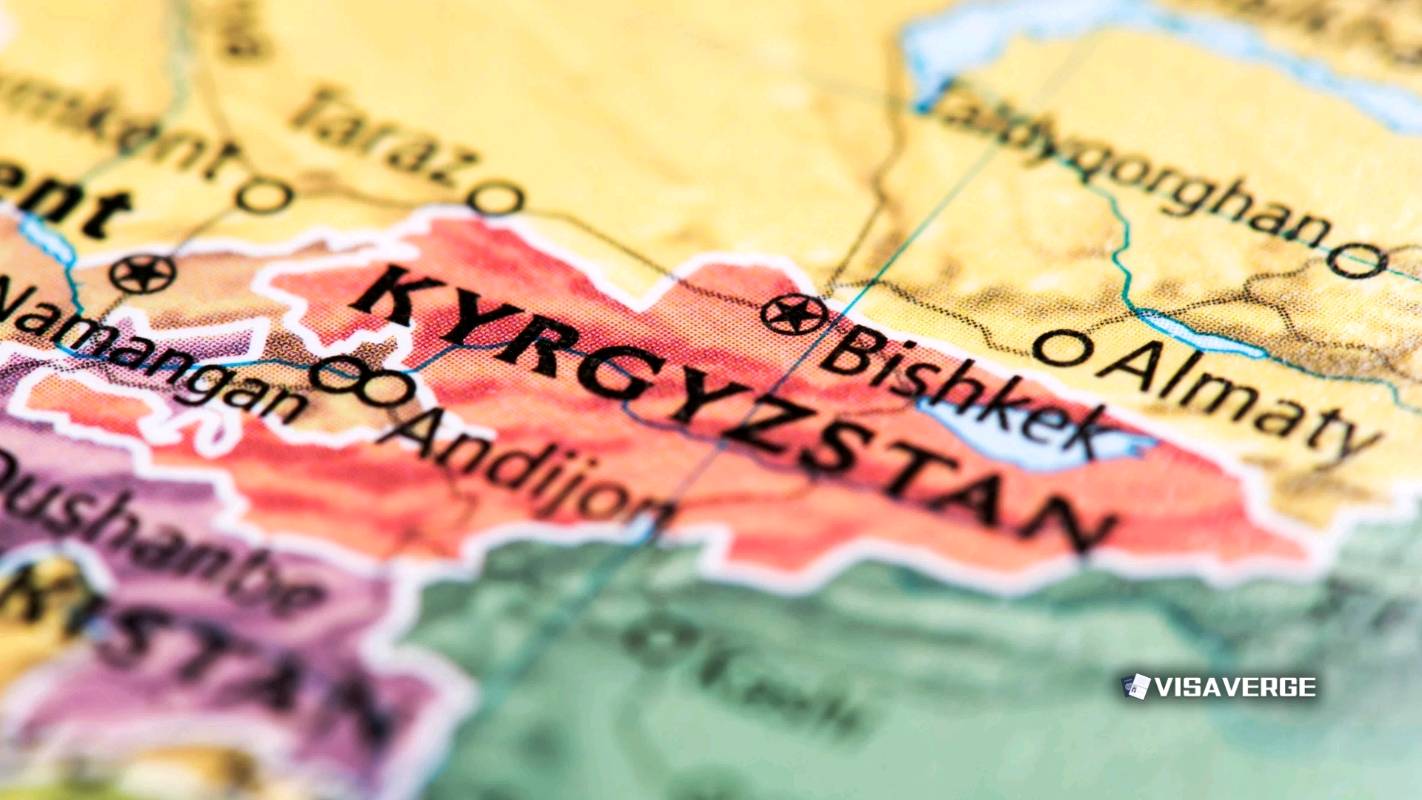
(BISHKEK, KYRGYZSTAN) — Kyrgyzstan and the Republic of Seychelles signed a visa abolition agreement on May 4, 2026, removing visa requirements for short-term travel by their citizens during talks in Bishkek between Kyrgyz Foreign Minister Jeenbek Kulubaev and Seychelles Foreign Affairs and Diaspora Minister Barry Faure.
The agreement covers short-term travel for tourist, business, and private visits. Officials announced the signing as part of Faure’s visit to Kyrgyzstan, the first by a Seychelles foreign minister.
Free toolSchengen Short-Stay Visa Calculator
The deal gives the two countries a reciprocal framework for visa-free travel that Kyrgyz and Seychellois citizens had not previously shared on equal terms. Before the signing, Kyrgyz citizens already had visa-free access to Seychelles for up to 90 days.
Kulubaev and Faure signed the accord in Bishkek on Monday as the Seychelles delegation visited Kyrgyzstan from May 3 to 6, 2026 at the invitation of the Kyrgyz Foreign Ministry. The visit also included plans for further high-level meetings.
Talks during the visit went beyond travel rules. The two sides discussed trade, economic ties, agriculture, tourism, education, digital governance and sustainable development.
The agreement’s announcements described the new regime as applying to short-term stays, but they did not set out an exact permitted duration in the signing notices. That leaves the broad structure clear, while practical details for travelers remain tied to implementation and border procedures.
Seychelles already runs a general visa-free policy for most visitors for up to 90 days, and the new arrangement aligns with that wider approach. The announcements tied the new bilateral regime to short-term movement rather than long-term residence, work authorization or migration status.
That distinction matters in the way such arrangements are usually used by travelers. Tourist trips, business visits and private travel fall within the agreement; the material released around the signing did not describe any broader rights beyond those categories.
As of May 4, 2026, the agreement had been signed, but public reports had not detailed when the visa-free regime would take effect in practice. Travelers planning trips between the two countries will need to check the latest entry rules before departure.
Standard border requirements can still apply even under a visa-free arrangement. Travelers should confirm passport validity, commonly 6 months, along with any requirements tied to proof of funds or return tickets.
Those checks remain relevant because a visa waiver does not remove every entry condition. Immigration authorities often continue to assess whether a visitor meets basic documentary requirements at the point of entry.
The new accord also arrives after Kyrgyzstan tightened parts of its broader visa-free system. New rules that took effect on January 2, 2026 limited visa-free stays for citizens of 55 countries to 30 days within every 60-day period.
Under the new bilateral deal, those limits no longer govern Seychellois nationals in the same way. The agreement supersedes that restriction for citizens of Seychelles, creating a country-specific arrangement inside Kyrgyzstan’s wider entry framework.
That makes the Bishkek signing more than a ceremonial diplomatic step. It places Seychelles in a separate category under Kyrgyz policy, with a dedicated bilateral arrangement rather than reliance on the general rule applied to dozens of countries.
The sequence also shows how the two governments used a ministerial visit to lock in a concrete policy change while discussing a broader agenda. Travel access often moves quickly when political ties warm, and in this case the visa abolition agreement emerged alongside talks on economic and institutional cooperation.
Faure’s trip carried added weight because it marked the first visit by a Seychelles foreign minister to Kyrgyzstan. First visits at that level often serve as a test of whether a relationship can move from formal diplomatic contact to practical agreements.
In Bishkek, the first deliverable was mobility. Visa-free travel usually ranks high in bilateral talks because it produces a visible result, touches tourism and business at once, and signals that each government is prepared to lower barriers for ordinary passport holders.
Kyrgyzstan had already given its citizens a relatively easy route into Seychelles through the island nation’s existing entry policy. Monday’s signing turned that one-way convenience into a reciprocal arrangement between the two states.
That reciprocal structure can matter for official travel planning, family visits and small-scale business contacts, even when trade volumes are modest. Removing the visa step cuts paperwork, shortens trip preparation and gives both governments a straightforward diplomatic success to point to after ministerial talks.
The discussions in Bishkek suggest both sides want the relationship framed more broadly than consular access alone. Agriculture, tourism, education, digital governance and sustainable development all appeared on the agenda, indicating that the visit was built around sector-by-sector cooperation as well as diplomatic symbolism.
Tourism stands out naturally in a deal involving Seychelles, whose economy is closely tied to international visitors, and Kyrgyzstan, which has pushed to expand its profile as a destination. Business travel also falls within the agreement, giving officials a practical mechanism to support future exchanges if talks in Bishkek lead to follow-up projects.
Education and digital governance add a different dimension. They point to a relationship that both governments want to describe in administrative and development terms, not only in trade or leisure travel.
Sustainable development appeared in the discussions as well, putting the visit in line with a wider pattern of government-to-government talks that link economic cooperation with policy areas that carry long planning horizons. The agenda, as presented around the visit, stretched well beyond a narrow consular announcement.
Still, the immediate change announced on May 4, 2026 was the removal of visas for short-term travel categories. That is the part of the visit with the clearest public effect, even as implementation details still depend on official guidance from the relevant authorities.
Anyone planning to travel under the new regime will need to watch for those operational details. Kyrgyz and Seychellois travelers should verify the current rules with the Kyrgyz Ministry of Foreign Affairs or Seychelles Immigration before booking or departure.
Border practice often turns on ordinary documents rather than the headline announcement itself. A passport with enough remaining validity, evidence of onward or return travel, and proof that a visitor can support the trip can still shape whether entry is granted.
What changed in Bishkek is the visa requirement for qualifying short-term trips between the two countries. What still needs checking is how each side will apply that policy at ports of entry once the signed agreement moves from diplomatic announcement to day-to-day travel.
The visit continues through May 6, 2026, with further high-level meetings planned as Kyrgyzstan and Seychelles use Faure’s trip to deepen ties. Monday’s signing gave that effort a concrete starting point: a mutual opening of borders for short-term travel, agreed by Kulubaev and Barry Faure in the first visit of its kind by a Seychelles foreign minister.