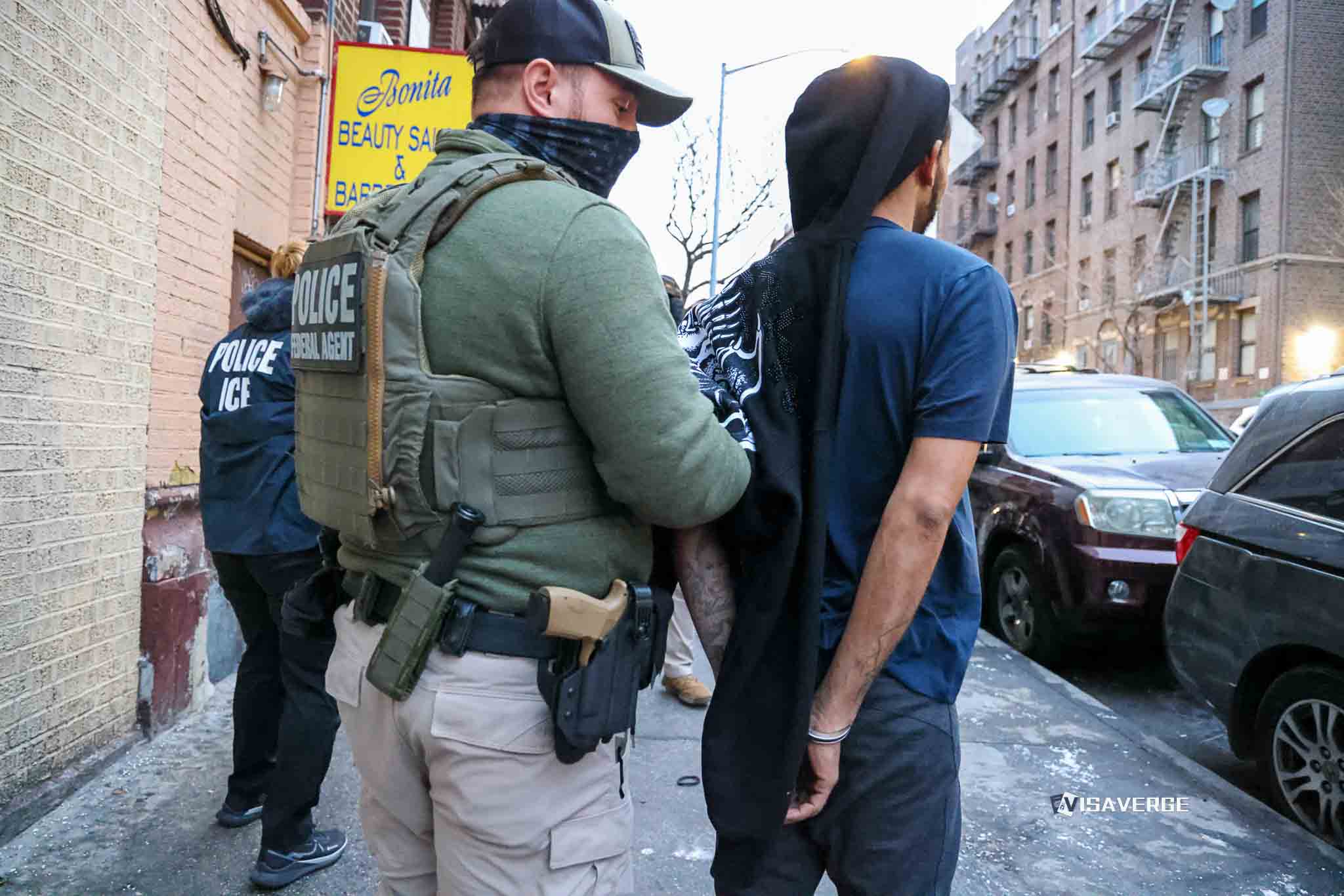
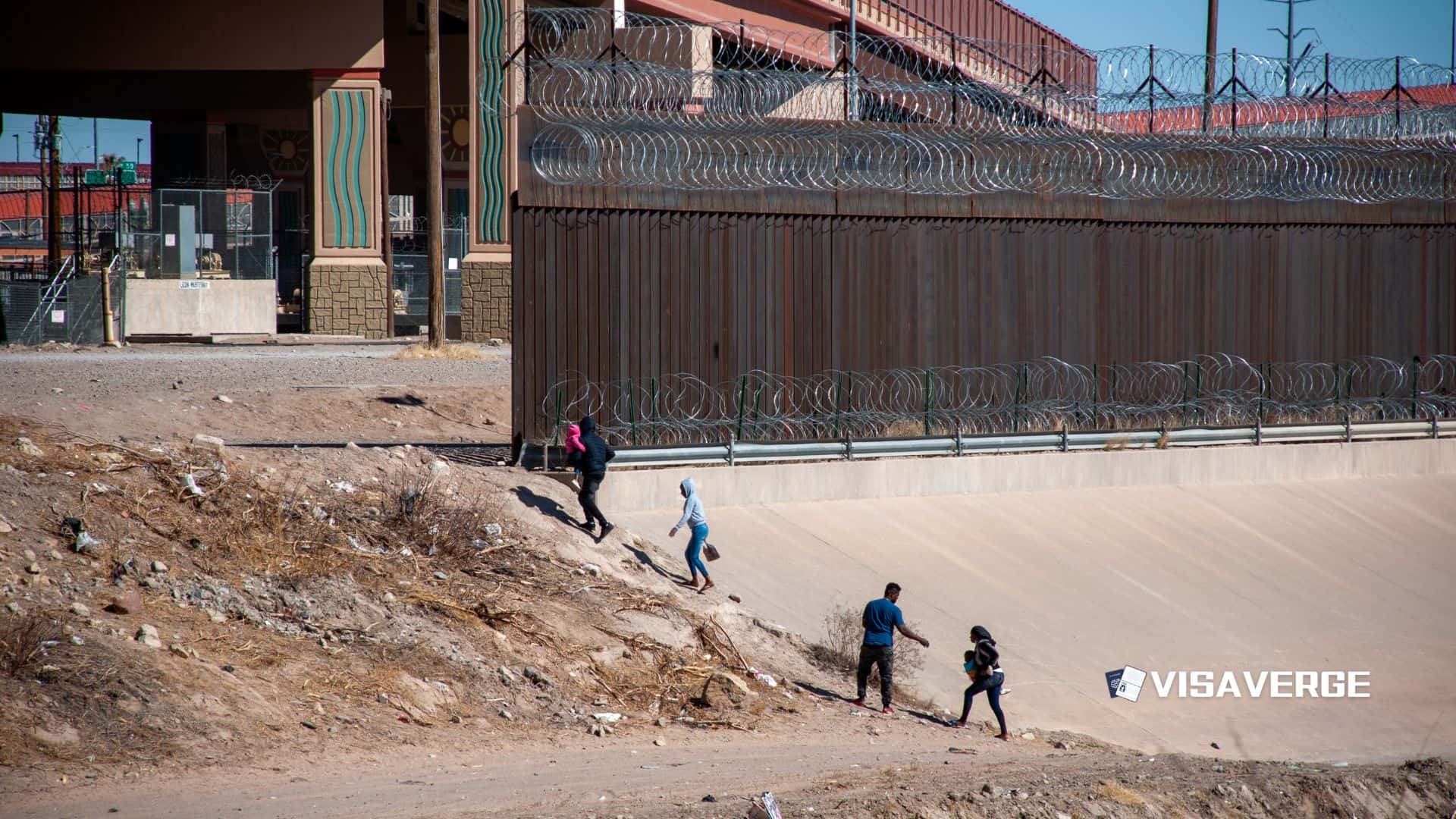
- Civil rights groups filed a federal lawsuit to block Texas Senate Bill 4 after it was signed.
- The lawsuit argues SB 4 violates the U.S. Constitution by overriding federal immigration authority.
- Opponents warn the law enables state-ordered deportations without due process or asylum protections.
(AUSTIN, TEXAS) – Civil rights organizations filed a federal lawsuit in Austin seeking to block Texas Senate Bill 4 on the same day Governor Greg Abbott signed the measure into law.
The suit argues that Senate Bill 4, also called SB 4, violates the U.S. Constitution because federal immigration law preempts the state measure. Plaintiffs include Las Americas Immigrant Advocacy Center, American Gateways, and the County of El Paso.
Free toolUSCIS Receipt Number Decoder
The legal challenge came from groups that include the American Civil Liberties Union, ACLU of Texas, and Texas Civil Rights Project. They asked a federal court to stop enforcement of a law that lets Texas local and state police arrest and detain people suspected of entering the state from another country without federal authorization.
Under the law, unauthorized entry becomes a state misdemeanor offense. Judges in Texas also gain power to order deportations, even though the lawsuit says those judges do not have immigration law training.
Plaintiffs say the law would let state courts remove people without due process and without a chance to seek asylum or other federal humanitarian protections. They argue that Texas cannot set up its own deportation system alongside the federal one.
The complaint rests on three central claims. It says SB 4 intrudes on federal immigration authority, denies notice and hearings before removal, and creates a broad risk of racial profiling and wrongful arrests.
Rochelle Garza, President of the Texas Civil Rights Project, said, “This law blatantly disregards people’s right to due process and will allow Texas law enforcement to funnel family, friends, and loved ones into the deportation pipeline. SB 4 is unconstitutional – Texas does not have the power to implement its own immigration laws.”
Garza’s statement framed the lawsuit as a direct challenge to the state’s attempt to police immigration through arrests and court-ordered removals. Her organization joined other Civil rights organizations in asking a federal judge to intervene before the law could take hold.
Adriana Piñon, Legal Director of the ACLU of Texas, said, “We’re suing to block one of the most extreme anti-immigrant bills in the country. The bill overrides bedrock constitutional principles and flouts federal immigration law while harming Texans, in particular Brown and Black communities.”
Anand Balakrishnan, Senior Staff Attorney at the ACLU’s Immigrants’ Rights Project, said, “Governor Abbott’s efforts to circumvent the federal immigration system. is not only unconstitutional, but also dangerously prone to error, and will disproportionately harm Black and Brown people.”
Robert Heyman, Director of Policy and Development for Las Americas Immigrant Advocacy Center, described the law as “blatantly unconstitutional and hateful.” He also predicted “huge numbers of wrongful arrests” and “litigation over the use and abuse of racial profiling.”
Those arguments go to the design of SB 4 itself. The law authorizes arrests based on suspected unlawful entry into Texas from another country, then opens a path for state judges to order deportations that the plaintiffs say bypass federal procedures.
The lawsuit says that structure conflicts with the Supremacy Clause because immigration enforcement remains a federal function. It also says people swept into the system could lose any real chance to pursue asylum or other protections recognized under federal law.
Another part of the challenge focuses on how the law could operate in practice across Texas. Plaintiffs say statewide enforcement would expose Black, Brown, and Asian communities to harassment and wrongful arrest, even before any court determined immigration status.
The County of El Paso joined the case as a plaintiff, placing a border jurisdiction inside the challenge to a border-focused law. The filing also came with the backing of advocacy groups that have long worked with migrants and asylum seekers in Texas.
Greg Abbott signed SB 4 on Monday. The law carried an original effective date of March 5, 2024, unless courts blocked it.
Bill Hicks, the El Paso district attorney, has said he expects an injunction and potential review by the U.S. Supreme Court. No ruling or injunction update appeared in the announcements tied to the lawsuit and signing.
The timing placed enactment and litigation on the same day, leaving the law immediately under constitutional attack. At the center of that attack is whether Texas can give its own police and judges powers that plaintiffs say belong to the federal government alone.
Plaintiffs also cast the dispute as one about process as much as power. Their filings and public statements say SB 4 would permit removal without the notice and hearings that normally shape immigration proceedings, a concern they say reaches beyond border enforcement and into the rights of anyone stopped under the law.
That challenge now stands as one of the earliest tests of the state measure. The organizations behind it are trying to stop a law that, in their view, turns local arrests into a state-run deportation pipeline before it can fully take effect.