- Federal prosecutors in Chicago withdrew fifty-nine of sixty-two assault charges related to a major immigration crackdown.
- A reported 2% success rate and grand jury misconduct have led to the resignation of top criminal division leaders.
- U.S. Attorney Andrew Boutros ordered a review of 1,000 presentations dating back nearly twenty years following judicial criticism.
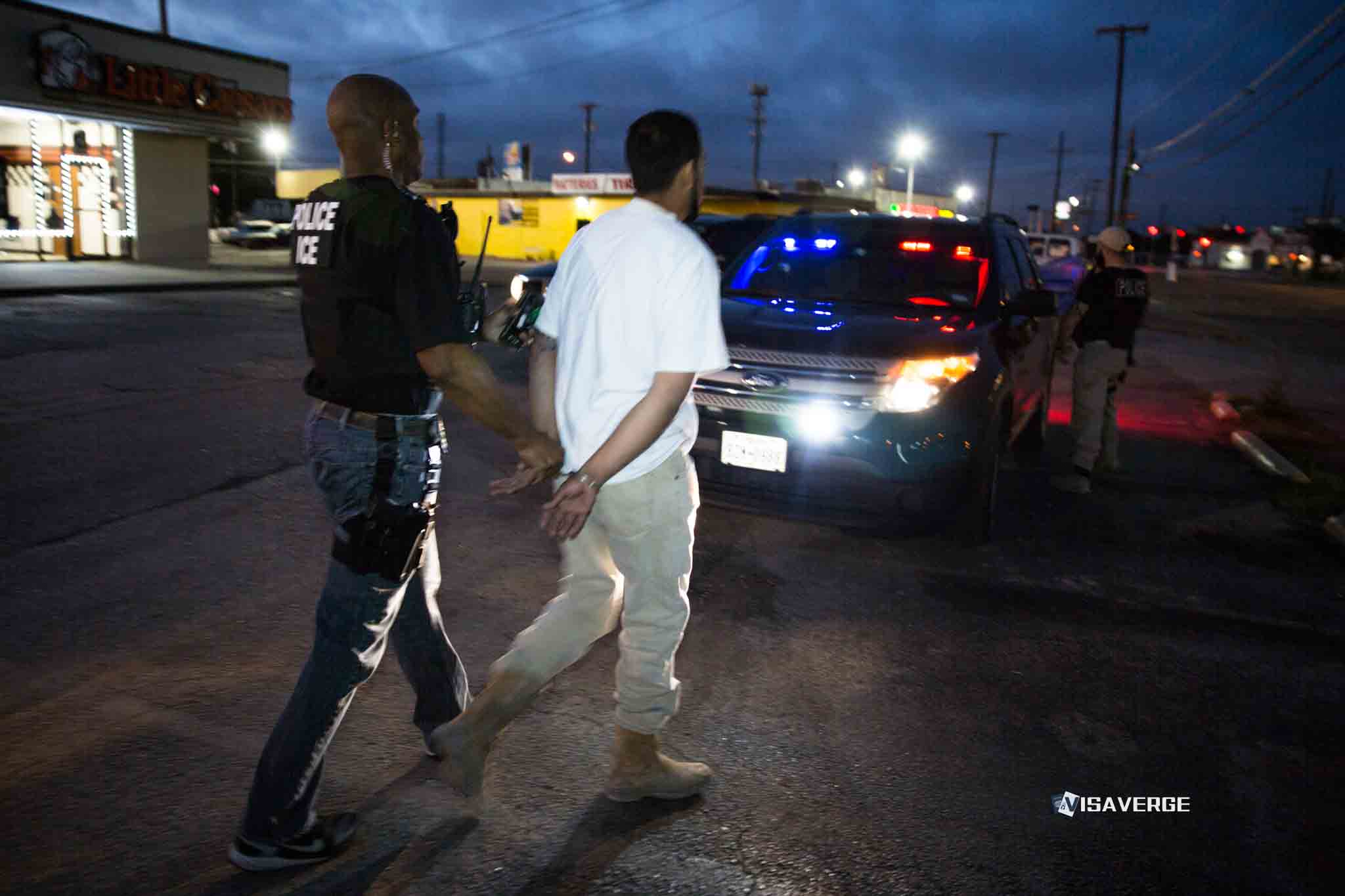
Federal prosecutors in Chicago filed assault charges against 62 people after last fall’s immigration crackdown, but about 59 of those cases were later withdrawn or dismissed, according to an analysis of the prosecutions.
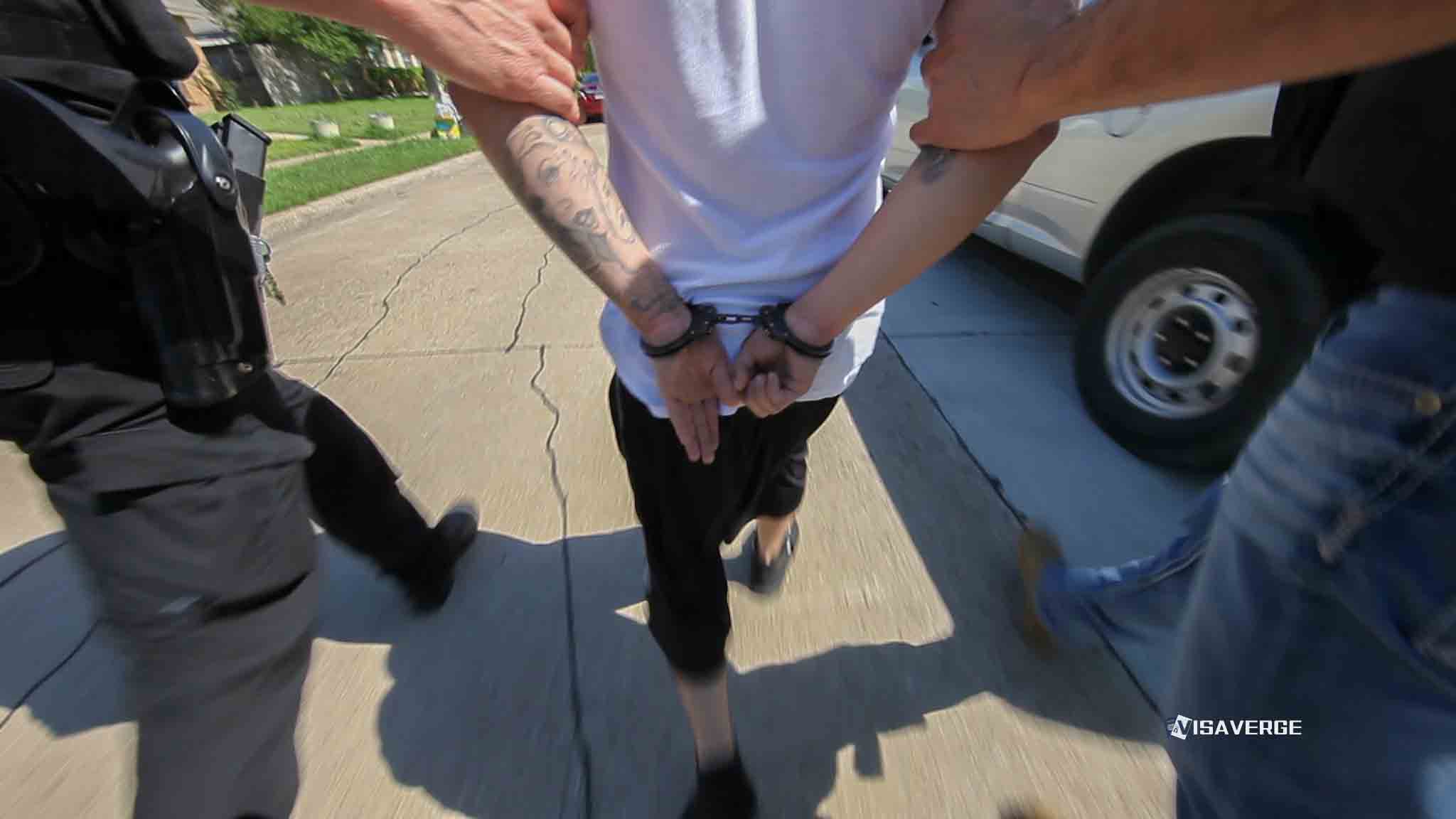
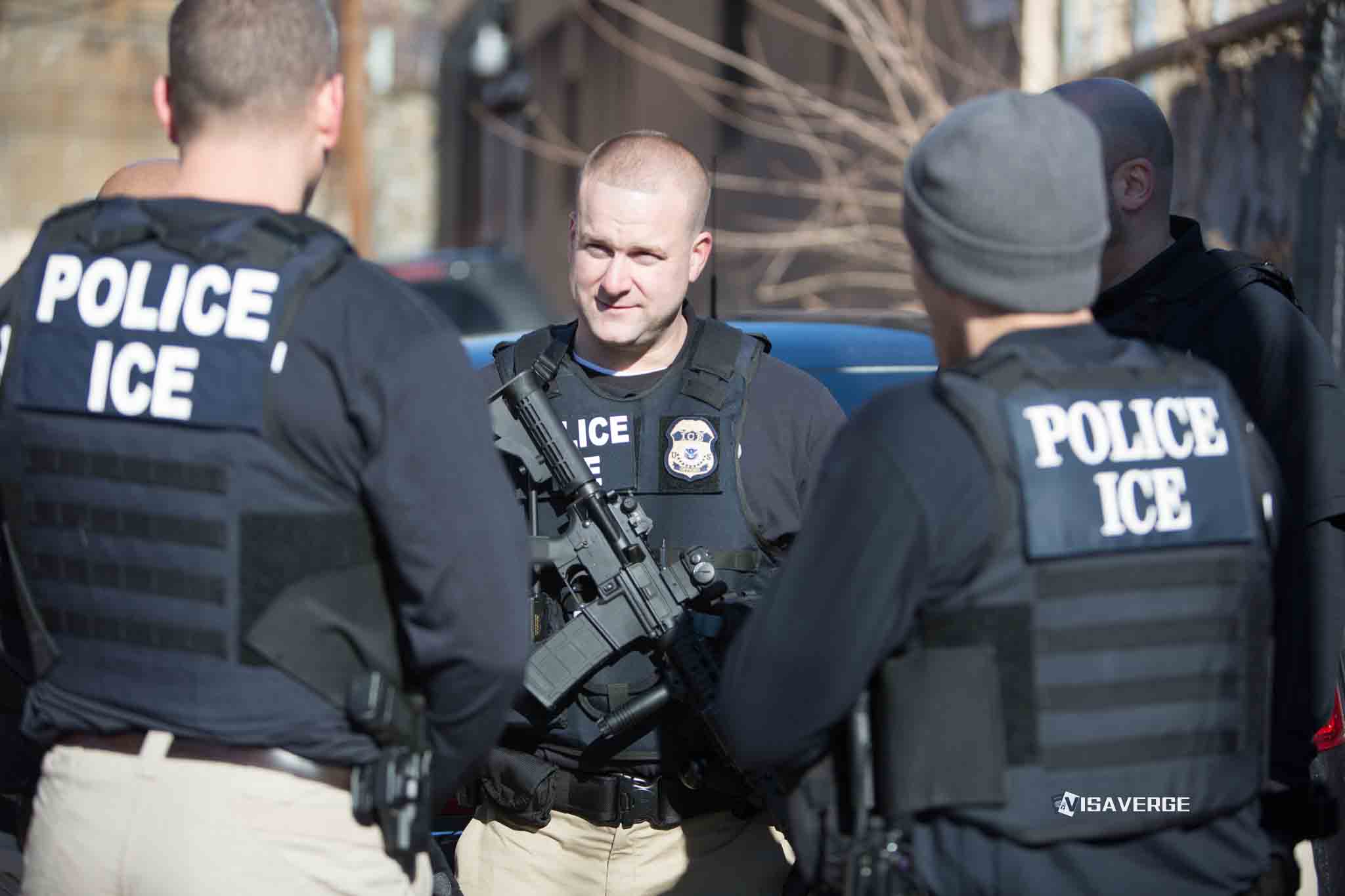
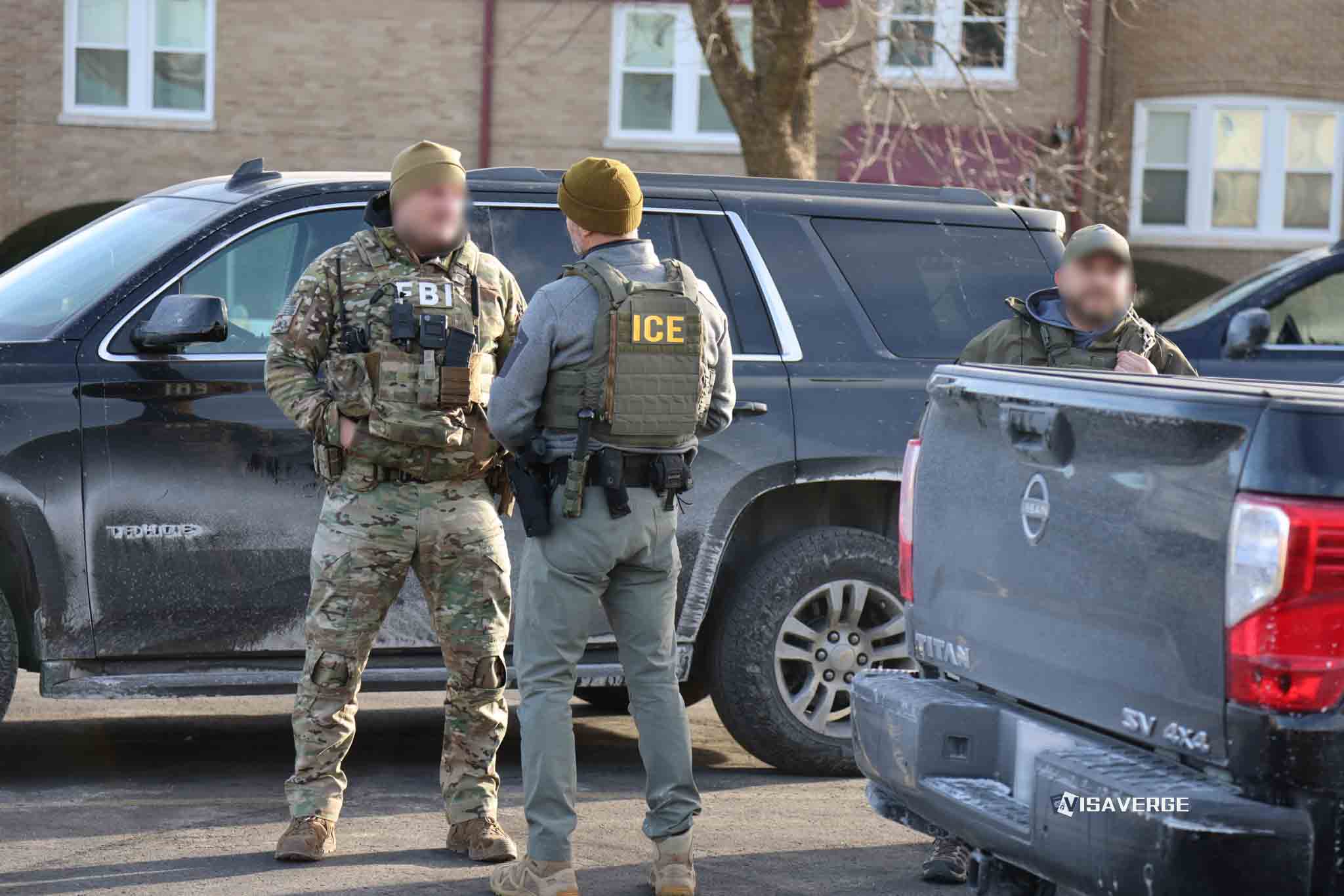
The cases accused people of assaulting federal officers during and after Operation Midway Blitz, the enforcement operation carried out in Chicago under the Trump administration. Prosecutors brought the charges under 18 U.S.C. § 111, the federal law covering assaulting, resisting or impeding certain officers or employees.

Only one resolved case ended in a plea. No case produced a trial conviction, while two matters remained open when the analysis was prepared.
The results have shaken the Chicago U.S. attorney’s office. The cases’ reported success rate stood at roughly 2 percent, and the fallout has spread from individual prosecutions to grand jury practices and the office’s criminal leadership.
More than 100 former federal prosecutors who worked in the office signed a letter criticizing U.S. Attorney Andrew S. Boutros. They said actions taken over the last year had “tarnished the reputation” of the office.
Nearly every resolved assault case fell apart
The prosecutions focused on alleged attacks against federal officers during and after the immigration crackdown. The federal statute permits charges involving assault, resistance or interference with covered officers and employees.
The reported case count was 62. About 59 charges were withdrawn or dismissed. One defendant pleaded guilty, and prosecutors secured no trial convictions among the matters described.
Two cases were still pending. The figures produced an overall success rate described as roughly 2 percent.
The dismissals and withdrawals do not automatically invalidate every immigration-related protest prosecution. They do show that prosecutors and judges identified major weaknesses or misconduct concerns in many of these cases.
The Northern District of Illinois is handling the federal proceedings. The district includes the Chicago federal trial court where the cases and related grand jury disputes have unfolded.
Broadview Six case exposed grand jury problems
Judge April Perry has played a central role in the fallout from the Broadview Six matter. Reported misconduct during grand jury proceedings led to dismissal of charges and possible sanctions proceedings.
Judicial findings said prosecutors mishandled grand jury sessions, including improper communications with jurors. The findings prompted the office to examine whether similar problems affected other cases.
Boutros ordered a review of more than 1,000 grand jury presentations. The review reaches back nearly 20 years, including presentations dating to 2007 and work handled by Assistant U.S. Attorney Sheri Mecklenburg.
That inquiry covers far more than the immigration prosecutions. The office has also dismissed additional cases involving COVID fraud, arson and immigration-related protest allegations.
The review puts past charging decisions under examination while the office manages continuing criminal cases. It also raises questions about how prosecutors presented evidence to grand juries and communicated with jurors during those proceedings.
Criminal division leadership has turned over
All seven leaders of the criminal division had left during the preceding year. Many successors and deputies also departed.
The departures came as the office faced criticism over the assault cases and the grand jury review. The former prosecutors’ letter focused directly on Boutros and described damage to the office’s reputation.
The criticism came from people who had previously served as federal prosecutors there. Their letter added an internal dimension to the judicial scrutiny surrounding the cases.
The combination of dismissed prosecutions, staff turnover and a broad review has affected both criminal management and confidence in prosecutorial judgment. The office must now address past grand jury presentations while handling matters that remain open.
DOJ defends protecting federal officers
Justice Department spokesperson Wyn Hornbuckle defended the assault prosecutions as an effort to protect federal officers “to the fullest extent of the law.” Hornbuckle also said prosecutors must disclose mitigating factors to the court.
That position supports bringing charges when prosecutors believe officers were assaulted, resisted or impeded. It also recognizes the disclosure duties that apply when evidence may weaken the government’s case or support the accused.
The pending cases will proceed separately from the matters already withdrawn, dismissed or resolved by plea. Their outcomes could add to the office’s record from the enforcement campaign, but the reported figures do not predict how any individual defendant’s case will end.
The grand jury review reaches back to 2007. Its scope places the office’s next steps beyond the handful of cases tied to the Chicago crackdown.
This article provides general information and is not legal advice. Consult a qualified immigration attorney about your specific case.