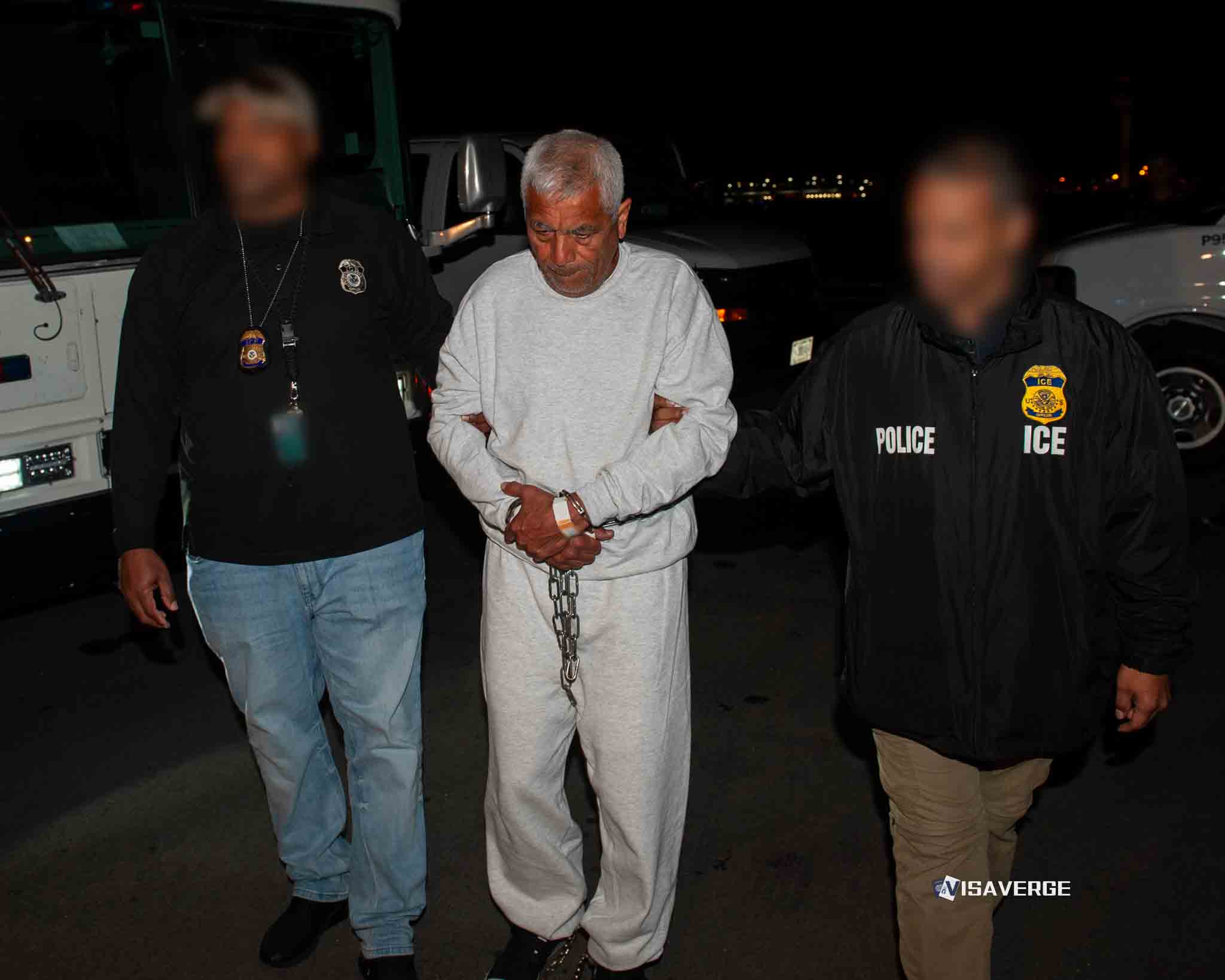
- Analysis reveals the administration lost nearly half of cases involving alleged assaults on immigration agents.
- Courts dismissed 191 cases and acquitted twenty-two defendants out of 558 charged.
- Significant setbacks include a false affidavit in Chicago and the collapse of conspiracy charges in Los Angeles.
The Trump administration has lost or abandoned nearly half of its federal cases against people accused of assaulting or obstructing immigration agents, according to a court-record analysis by the New York Times.
The review examined 558 people charged during the first 18 months of the prosecutions. Prosecutors obtained guilty pleas from 246 people and won four convictions after trial.
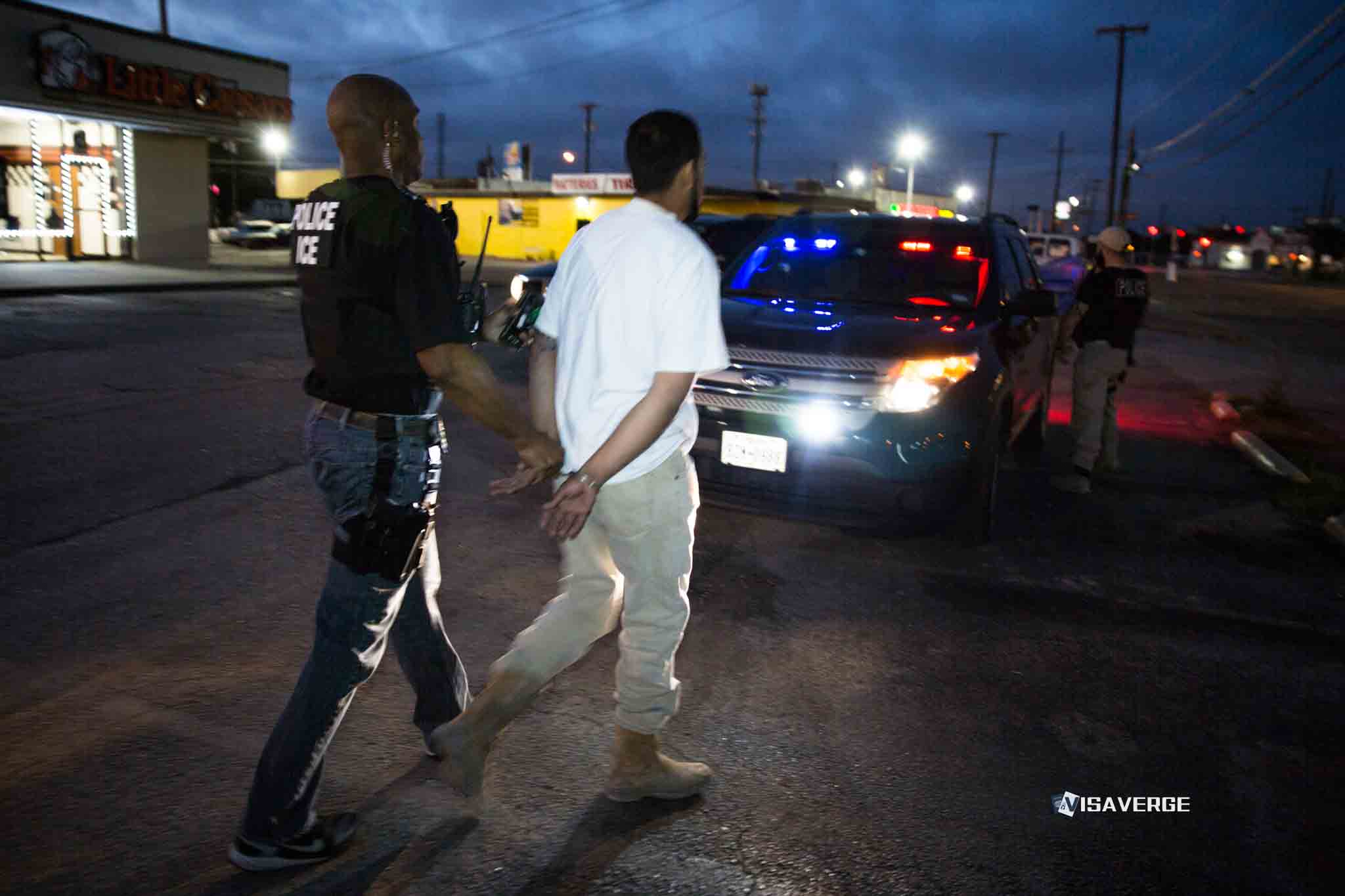
Courts dismissed 191 cases and acquitted 22 defendants. Another 95 cases remained pending.
Prosecutors also withdrew or downgraded 65 cases before presenting evidence to a grand jury or judge. The review found that more than 20 defendants said the conduct described as assault amounted to self-defense against force used by agents.
The results differ from the government’s usual record in federal criminal cases. Federal prosecutors typically secure convictions in the vast majority of charged matters, the analysis found.
The cases targeted anti-ICE protesters and migrants accused of assaulting or impeding Immigration and Customs Enforcement agents. Their outcomes have raised questions about evidence, charging decisions and the conduct of prosecutors.
Many charges changed before prosecutors presented evidence
The 65 withdrawn or downgraded cases represent a separate stage in the broader set of prosecutions. Prosecutors changed or abandoned those allegations before a grand jury or judge heard the government’s evidence.
The reported case outcomes were:
| Outcome | Number |
|---|---|
| Dismissed | 191 |
| Acquitted | 22 |
| Pleaded guilty | 246 |
| Convicted after trial | 4 |
| Still pending | 95 |
| Withdrawn or downgraded before evidence presentation | 65 |
The 65 cases do not form an additional outcome category in the 558-person total. They describe cases altered before prosecutors reached the evidence-presentation stage, while the other figures record final outcomes or pending matters.
Defendants disputed the government’s account in more than 20 cases. They said agents used force first.
The American Civil Liberties Union documented a broader pattern of alleged misconduct in a report published July 16, 2026. Agents of Chaos and Cruelty examined 1,200 immigration enforcement actions and recorded over 400 incidents of misconduct.
That report addressed enforcement activity more broadly than the assault prosecutions. The cases nevertheless unfolded during the same campaign.
Los Angeles and Chicago cases collapsed after prosecutors’ claims were challenged
Federal prosecutors in Los Angeles dropped a high-profile conspiracy case against protesters after investigators found “little that could be considered incriminating.”
Bill Essayli, a federal prosecutor in Los Angeles, had described the protesters as “well-orchestrated and coordinated, and well-funded.” His office later dismissed the conspiracy charges.
Chicago saw a separate group of failures. Eighteen cases from the first wave of Operation Metro Surge collapsed entirely, including three dismissed with prejudice.
At a hearing in April 2026, U.S. Magistrate Judge David Schultz described a charging document filed by federal prosecutors as a “false affidavit.”
The Chicago defendants later requested a special counsel. They made that request on June 17, 2026.
Operation Metro Surge sent federal law-enforcement personnel into Chicago, Washington, D.C., and Los Angeles. The operation targeted immigrants and protesters and produced hundreds of arrests.
The Los Angeles and Chicago cases added local examples to the national outcome figures. Several of the cases ended before prosecutors could prove the allegations at trial.
Detention policies and sanctuary lawsuits have also met resistance
The administration’s legal setbacks extended beyond criminal prosecutions. At least 225 federal judges ruled against its mandatory-detention policy in more than 700 cases, citing due-process violations.
Civil immigration litigation also accelerated. U.S. District Courts received 9,911 civil immigration lawsuits by March 2026, a tenfold increase from the previous year.
Chief U.S. District Judge Eric C. Tostrud of the District of Minnesota dismissed the Justice Department’s lawsuit against Minnesota and several local governments over sanctuary-style immigration policies.
Hydee Feldstein Soto, the Los Angeles city attorney, said the dismissals reinforced that “local governments have the authority” to limit cooperation with federal agents.
The legal challenges followed an expansion of enforcement policy. Kristi Noem, the secretary of the Department of Homeland Security, imposed a “sweeping” freeze on DHS funding and expanded enforcement tactics that later faced court challenges.
Tom Homan, the administration’s border czar, threatened to “flood New York City with ICE agents” in response to local opposition.
The Minnesota ruling arrived during the week of July 22, 2026. It added a civil-policy defeat to the criminal-case dismissals and acquittals already documented in the assault prosecutions.
Masked agents and fatal shootings intensified scrutiny
Federal agents increasingly used identity-concealing masks and military camouflage during enforcement operations. California and Colorado responded with legislation requiring officers to identify themselves.
The operations also produced deadly confrontations. Federal agents were involved in at least 8 fatal shootings during enforcement actions in 2025–2026.
The deaths included Alex Pretti and Renee Good in Minneapolis and Joan Sebastian Guerrero in Maine. The Maine shooting drew criticism from Republican Sen. Susan Collins during an ICE operation called Operation Catch of the Day.
Marimar Martinez presented another disputed case. Border Patrol shot her five times, and the Justice Department later dropped the charges.
Officials continued to label Martinez a “domestic terrorist.” She filed motions seeking to revoke protective orders covering video evidence.
Detainees at Camp East Montana, a large facility at Fort Bliss, described conditions in similarly stark terms. Guards reportedly told detainees, “You’re only getting out deported or dead.”
The enforcement campaign expanded local cooperation even as states resisted it. By mid-2026, 287(g) agreements numbered 1,427, while Democratic-led states adopted 213 laws aimed at restricting cooperation with ICE.
ICE moved to offload seven planned detention warehouses
The administration also changed course on part of its detention expansion. In June 2026, ICE announced plans to offload seven warehouses purchased for over $700 million.
The properties had been intended for use as mega-detention centers. The agency cited legal and logistical hurdles.
That reversal came as habeas challenges rose and judges reviewed detention practices. Camp East Montana remained one of the facilities associated with the wider detention push.
The 95 assault cases still pending could alter the final record. The existing results include 246 guilty pleas, four trial convictions, 191 dismissals and 22 acquittals among the 558 people charged.
The pending cases will continue moving through federal courts after the administration’s first 18 months of assault prosecutions produced an unusually large number of abandoned or unsuccessful charges.