Federal cases brought by the Trump administration against Los Angeles protesters are falling apart as of July 29, 2025. Judges, lawyers, and community leaders point to serious problems with how ICE raids were carried out, including claims of misconduct and violations of basic rights.
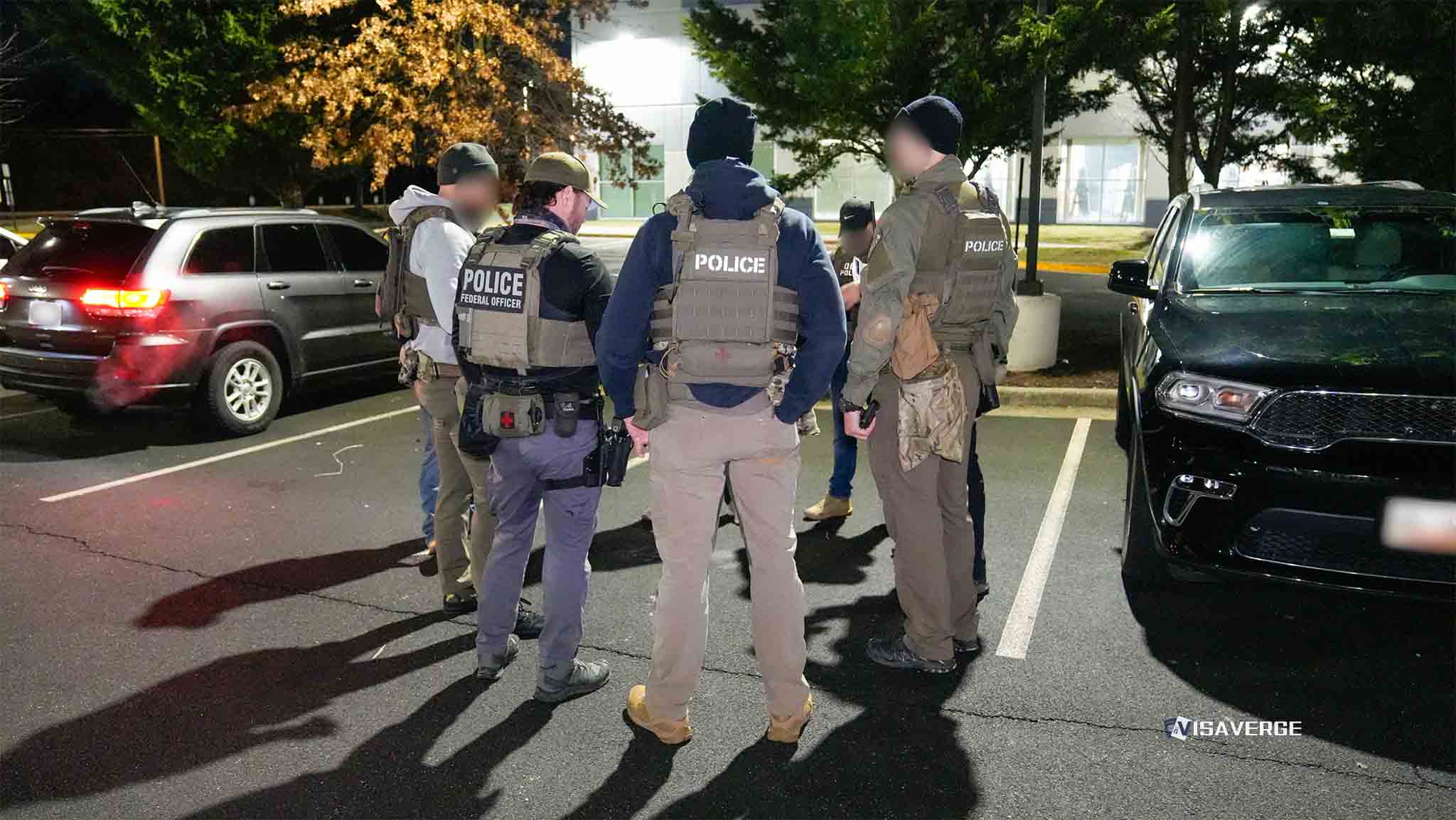
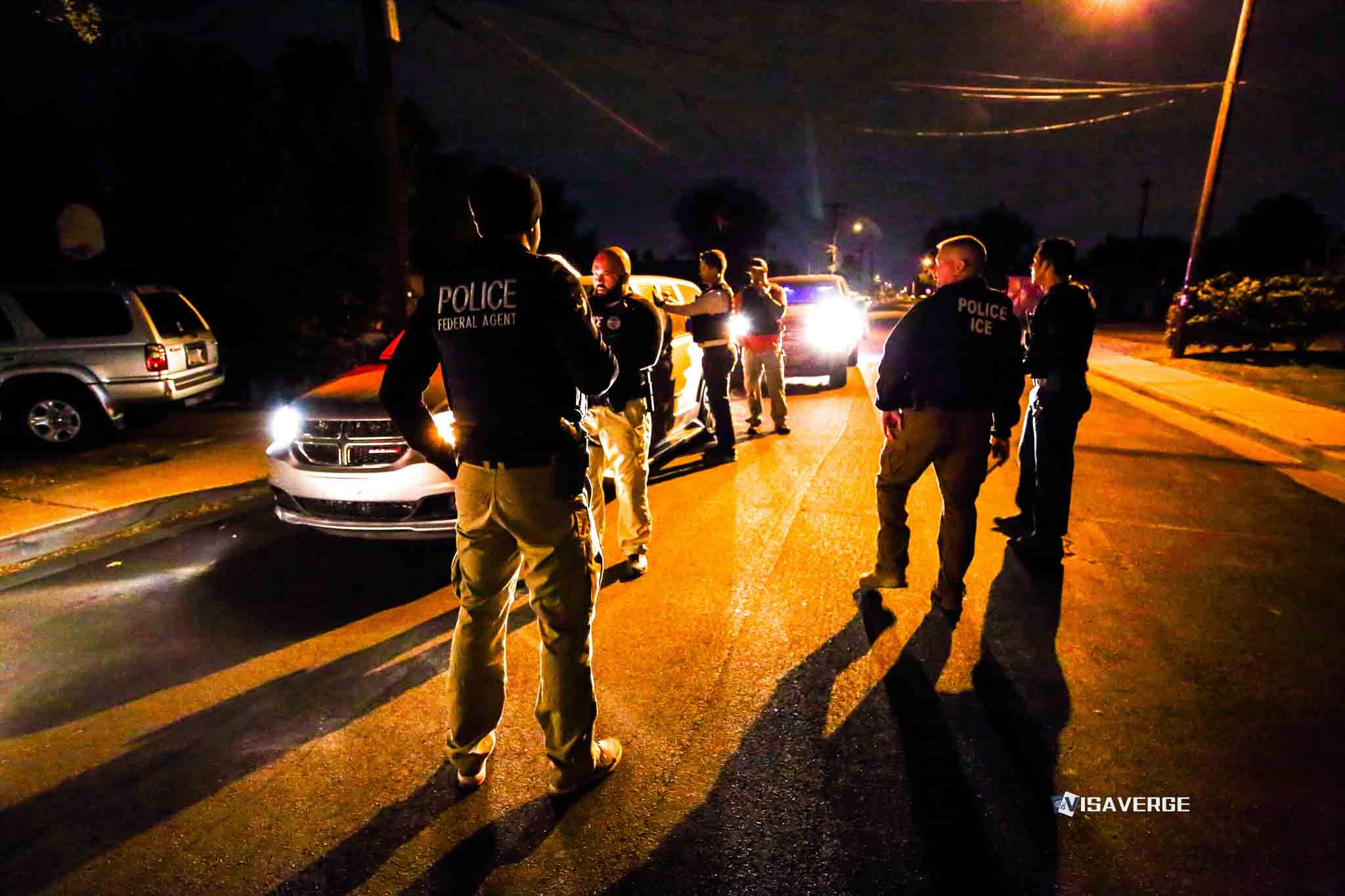
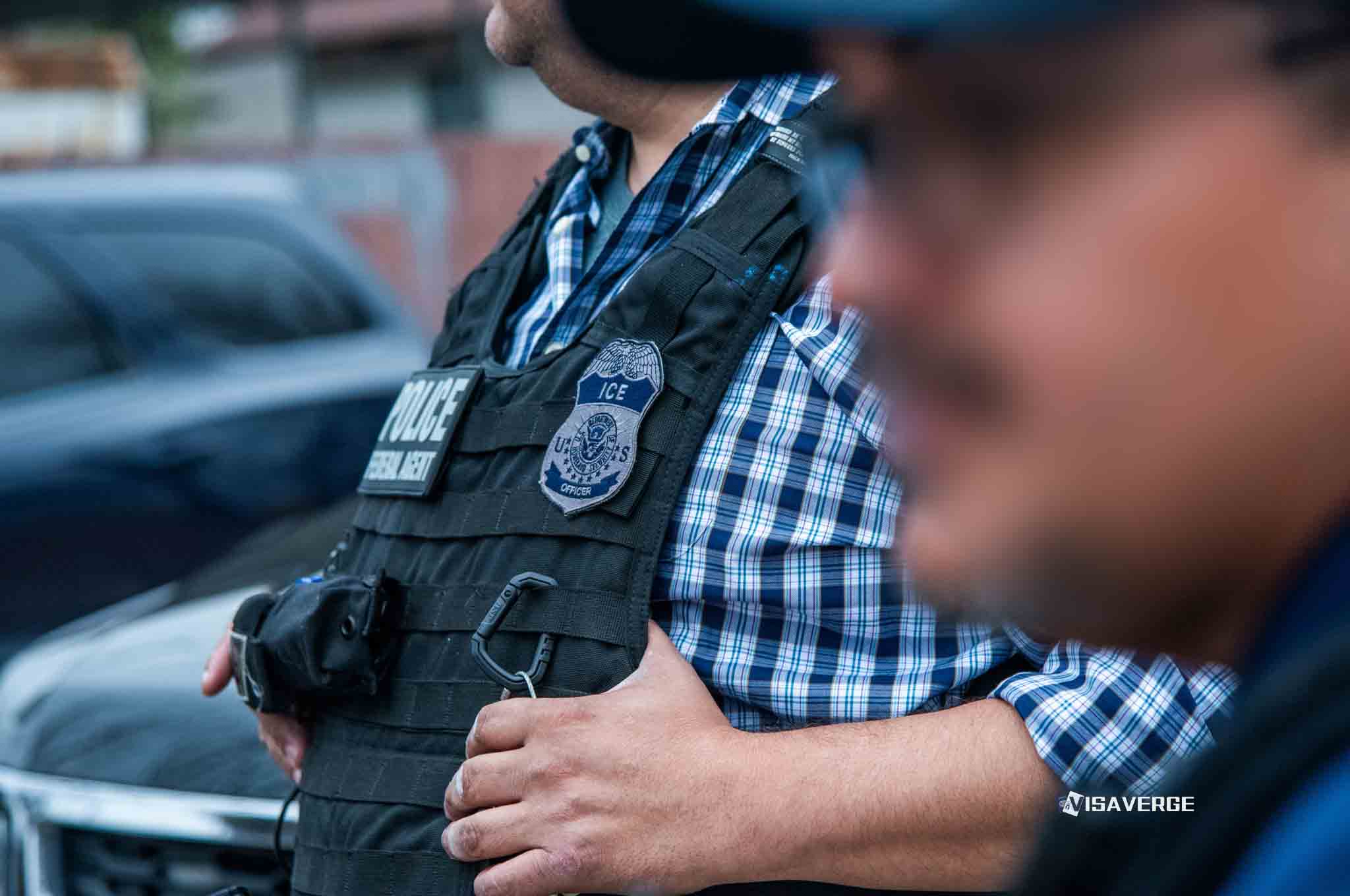
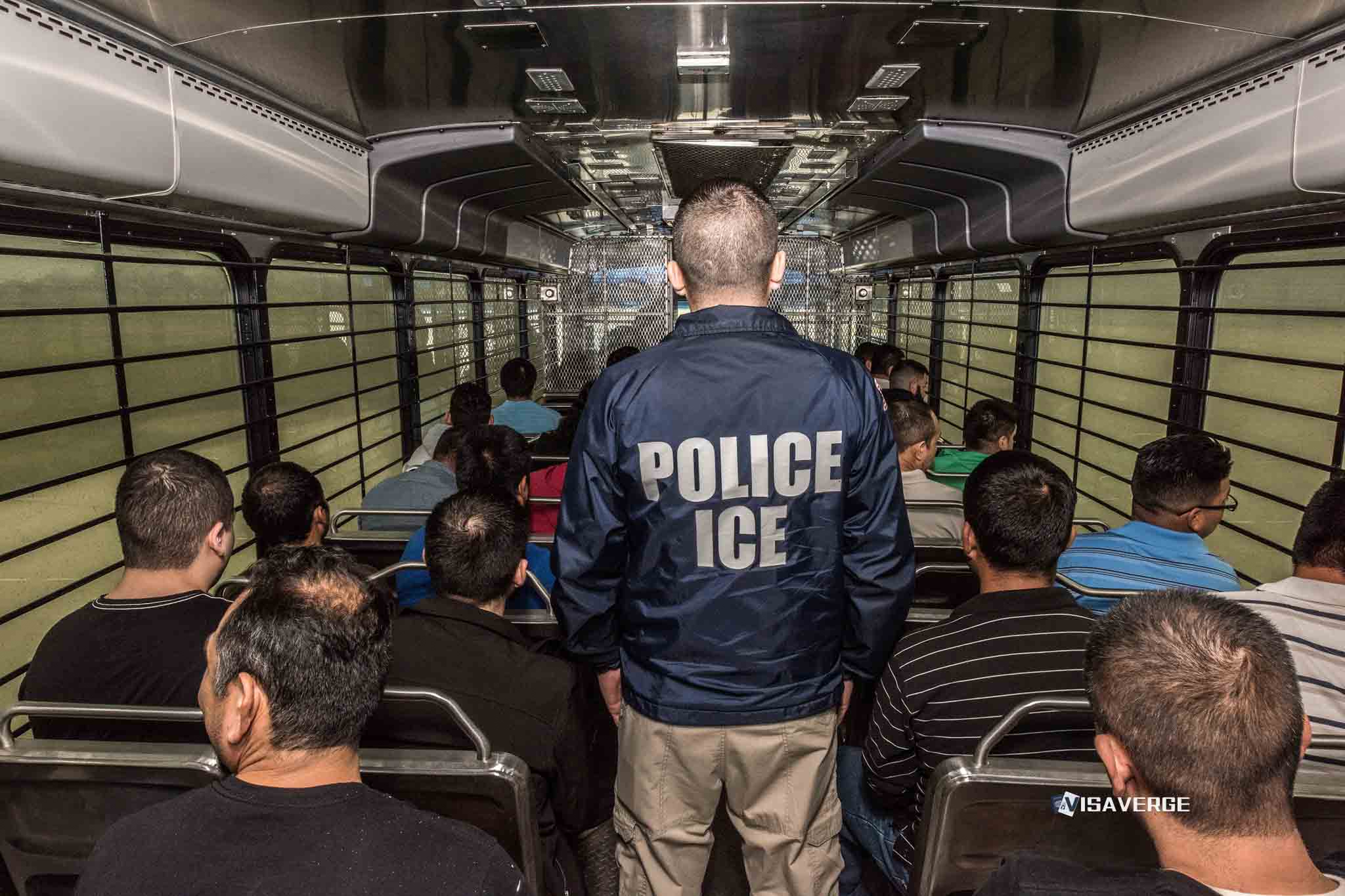
A federal judge stopped ICE from running aggressive raids in Los Angeles after finding that agents acted without proper cause and blocked people from seeing their lawyers. The restraining order, issued on July 11, 2025, says ICE broke the 4th Amendment, which protects against unreasonable searches and seizures. The 9th Circuit Court of Appeals heard arguments on July 28 and seems ready to keep the order in place. The Trump administration has said it will appeal to the Supreme Court if it loses.
Free toolUSCIS Receipt Number Decoder
Federal prosecutors in Los Angeles, led by interim U.S. Attorney Bill Essayli, have struggled to get grand juries to indict protesters. Out of nearly 40 cases, only 7 led to indictments. Many grand juries rejected charges because of weak evidence. Reports say Essayli pushed for more indictments even when evidence was lacking, causing tension inside his office. The White House has kept Essayli in his job without Senate approval, which has drawn more criticism.
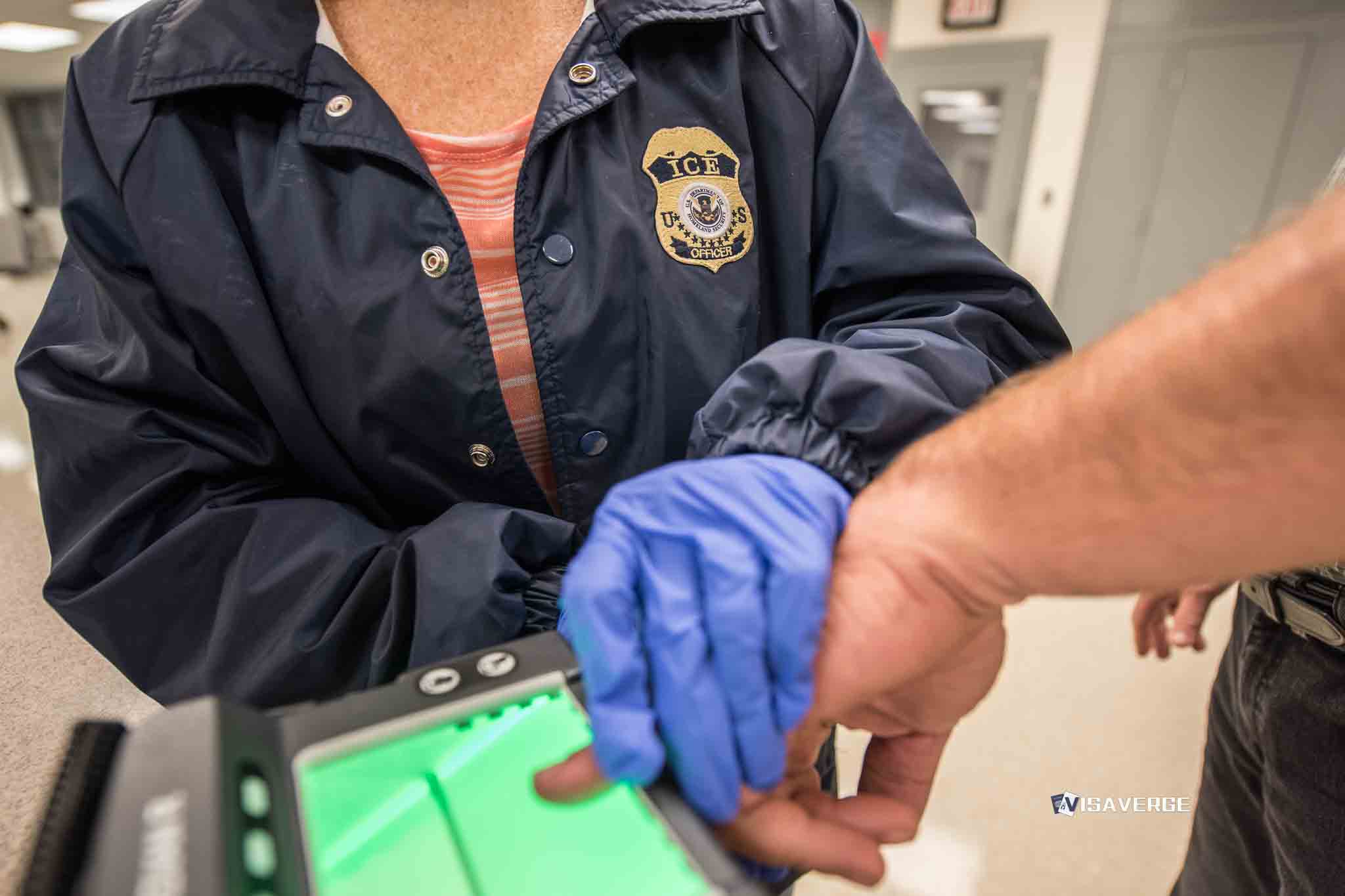
Lawsuits from advocacy groups and local governments claim ICE targeted Hispanic people, used too much force, and denied legal help to those arrested. The court’s findings revealed ICE often acted without real suspicion and gave misleading reasons for arrests. These “massive ICE lies,” as some have called them, have fueled public anger and legal challenges.
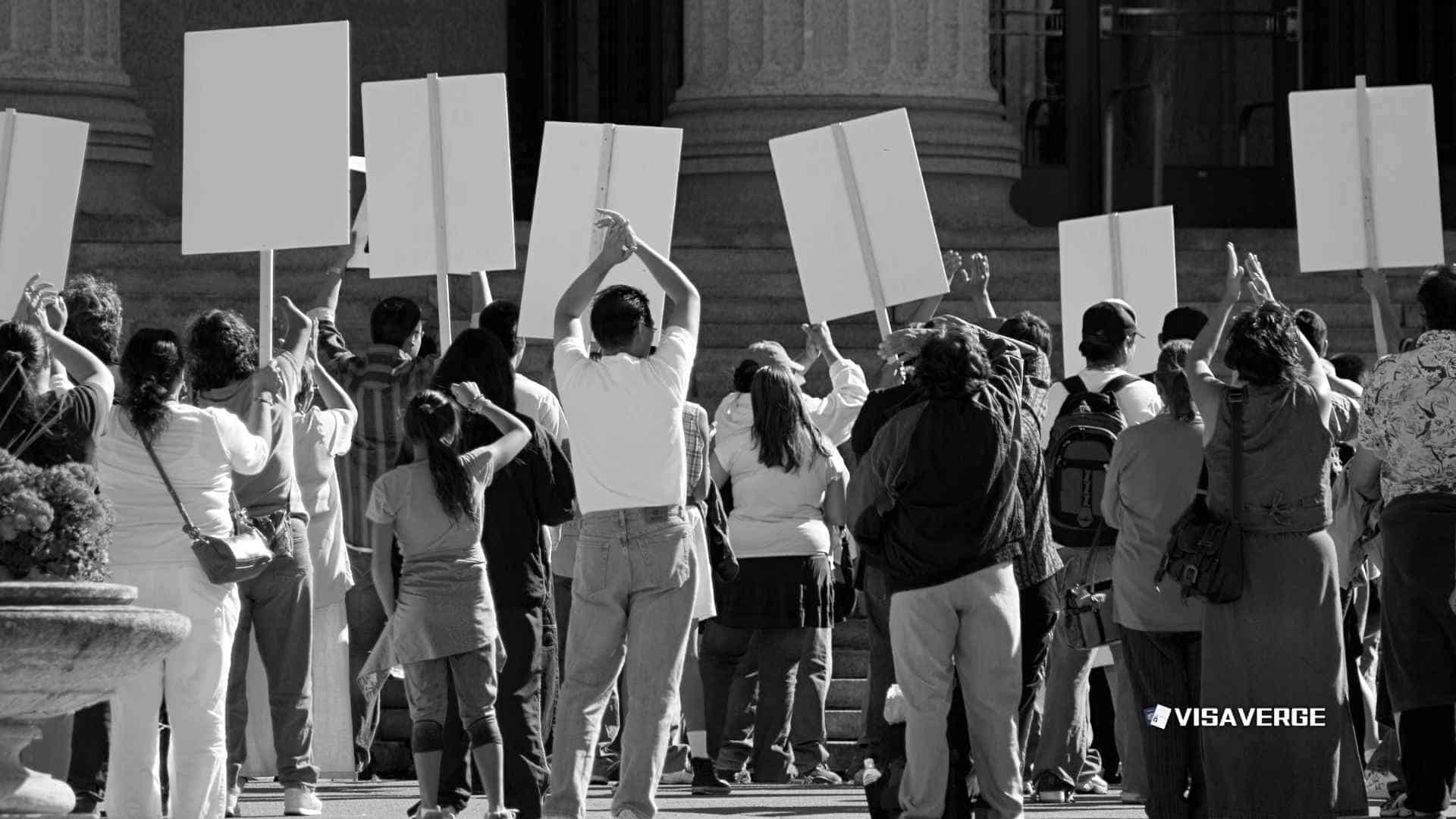
Protests began in Los Angeles on June 6, 2025, after ICE raids aimed at undocumented immigrants. While most protests were peaceful, some turned into clashes with police and ICE agents. President Trump sent the California National Guard and later 700 Marines to Los Angeles, even though Governor Gavin Newsom and local officials said they could handle things themselves. Many saw this as an overreaction and a political move.
The Trump administration says ICE’s actions were needed for law enforcement and followed the law. U.S. Attorney General Pam Bondi and Bill Essayli have pushed hard for protest-related prosecutions, but have faced criticism for going too far. The White House has not answered questions about ICE’s actions but is fighting court rulings and wants to keep control over federal law enforcement jobs.
Governor Newsom and local police leaders say federal troops and ICE raids were not needed. They have worked to calm tensions and joined lawsuits against the Trump administration, claiming constitutional rights were violated and racial profiling occurred.
For immigrant communities, the raids and protests have caused fear and disruption. Many public events were canceled, and Hispanic-majority workplaces felt targeted. Legal wins have brought some relief, but uncertainty remains as higher courts review the cases.
Most protest-related charges have been dropped or failed to get indictments, showing courts doubt the federal government’s claims. Legal experts say these rulings protect constitutional rights and limit federal power. As reported by VisaVerge.com, the next steps depend on the 9th Circuit’s decision and a possible Supreme Court appeal. For official updates, visit the California Governor’s Office.
Learn Today
ICE → U.S. Immigration and Customs Enforcement, agency enforcing immigration laws and conducting raids.
Restraining order → A court rule to stop particular actions temporarily, like halting ICE raids.
Fourth Amendment → U.S. constitutional protection against unreasonable searches and seizures by government agents.
Grand jury → A legal body that decides whether there’s enough evidence to charge someone with a crime.
Indictment → A formal charge issued by a grand jury accusing someone of a crime.
This Article in a Nutshell
ICE’s aggressive raids in Los Angeles sparked protests and legal battles. Courts halted unconstitutional stops, doubting federal evidence. Amid politicized enforcement, local leaders criticized federally deployed troops, underscoring tensions. The case highlights constitutional rights versus federal immigration enforcement conflicts amid growing legal scrutiny in 2025.
— By VisaVerge.com