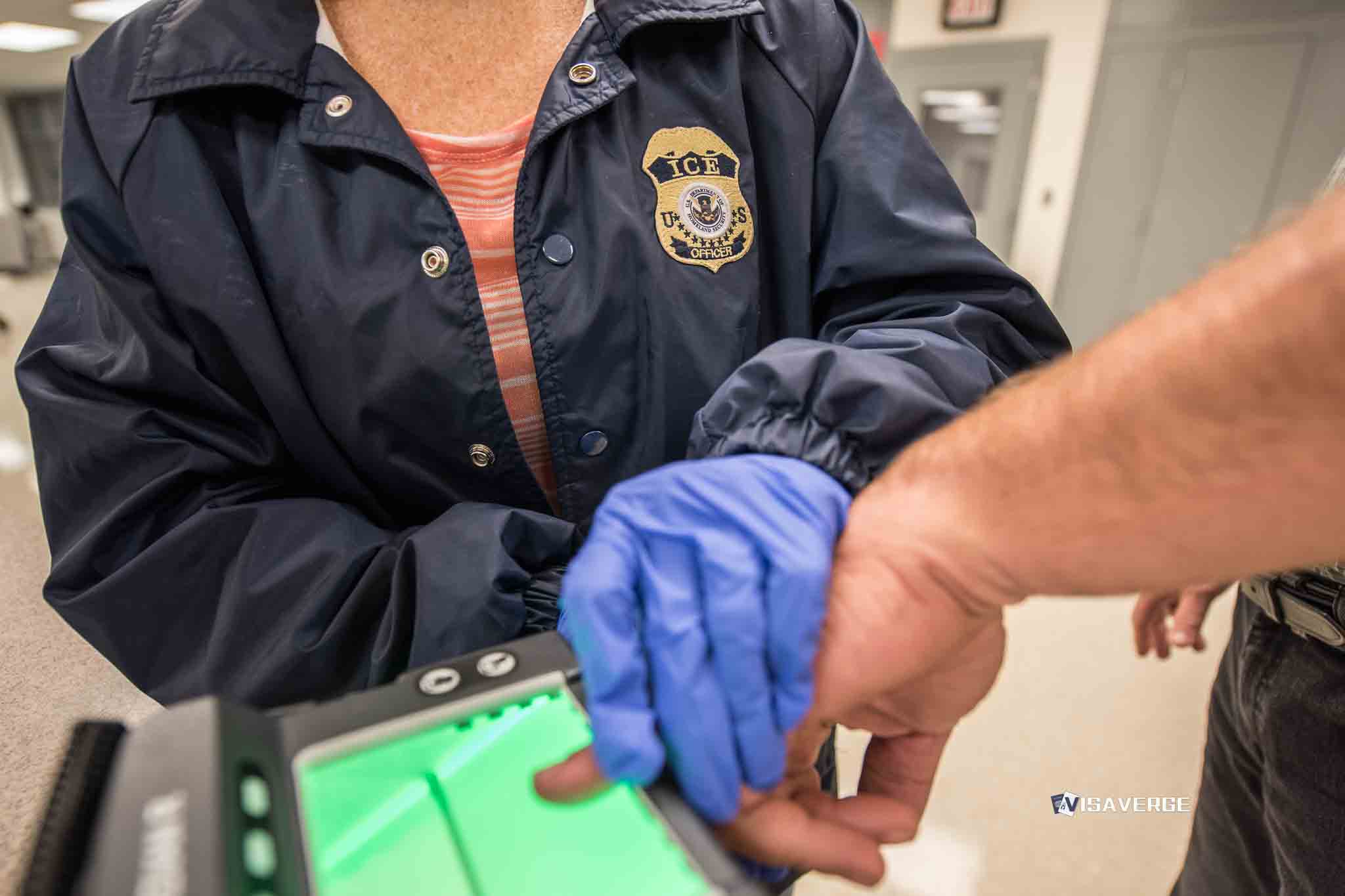
On July 29, 2025, an immigration judge granted a $10,000 bond to Fernando Rocha, a high school theater manager held by ICE for allegedly overstaying his visa. Rocha’s attorney argued that he had already applied for asylum before his visa expired, which played a big role in the judge’s decision to allow his release on bond.
Rocha’s case stands out because he is not only employed but also has strong community ties as a theater manager at a local high school. These connections, along with his pending asylum application, helped convince the immigration judge that Rocha is not a danger to the community or a flight risk. According to analysis by VisaVerge.com, immigration judges look closely at these factors when deciding if someone should be released on bond.
Free toolCSPA Age-Out Calculator Online
How Immigration Judges Decide on Bond
Immigration judges use two main questions to decide if a person in ICE custody should get a bond:
- Is the person a danger to the community? Judges look at any crimes the person may have committed and if they have tried to make things right.
- Is the person a flight risk? Judges check if the person has family, a job, or owns property in the United States ??, and if they are likely to show up for future court dates.
People in detention can ask for a bond hearing, but usually, only one hearing is allowed per case. If the judge grants bond, the person can pay the set amount to be released while their immigration case continues.
Recent Policy and Legal Changes
In the past year, the Board of Immigration Appeals (BIA) has supported the Department of Homeland Security (DHS) in keeping people with serious immigration violations in detention without bond, especially if they might not show up for court. However, in cases like Rocha’s, where there is a strong asylum claim and clear community ties, judges may still grant bond. Immigration courts try to balance public safety, the risk of someone running away, and humanitarian needs.
What This Means for Rocha and Others
By posting the $10,000 bond, Rocha can leave ICE custody while his case moves forward. This amount shows the judge believes Rocha is not likely to run or cause harm. Rocha must follow all court rules and show up for every hearing. If he misses a court date, he could lose the bond money and be detained again.
Broader Impact and Next Steps
Rocha’s case highlights how important bond hearings are for people with strong community ties and real asylum claims. Advocates say these hearings give people a fair chance to stay with their families and keep working while waiting for a decision. Immigration bond decisions can change as laws and policies shift, so it’s important for those affected to stay informed.
For more information on how bond hearings work, visit the U.S. Department of Justice’s Executive Office for Immigration Review.
As immigration courts continue to weigh public safety and humanitarian concerns, cases like Rocha’s show how judges use their power to balance enforcement with fairness.
Learn Today
Immigration Judge → A judicial officer who makes decisions on immigration cases including bond and deportation rulings.
Bond → A financial guarantee allowing a detained immigrant to be released while their case proceeds in court.
Asylum Application → A formal request for protection from persecution filed before or during immigration detention.
Flight Risk → The likelihood that an individual will not appear at future immigration hearings if released.
ICE Custody → Detention under U.S. Immigration and Customs Enforcement authority while immigration cases are adjudicated.
This Article in a Nutshell
Fernando Rocha’s $10,000 bond marks a crucial moment showing how community connections and asylum claims influence immigration bond decisions by judges balancing safety and fairness.
— By VisaVerge.com