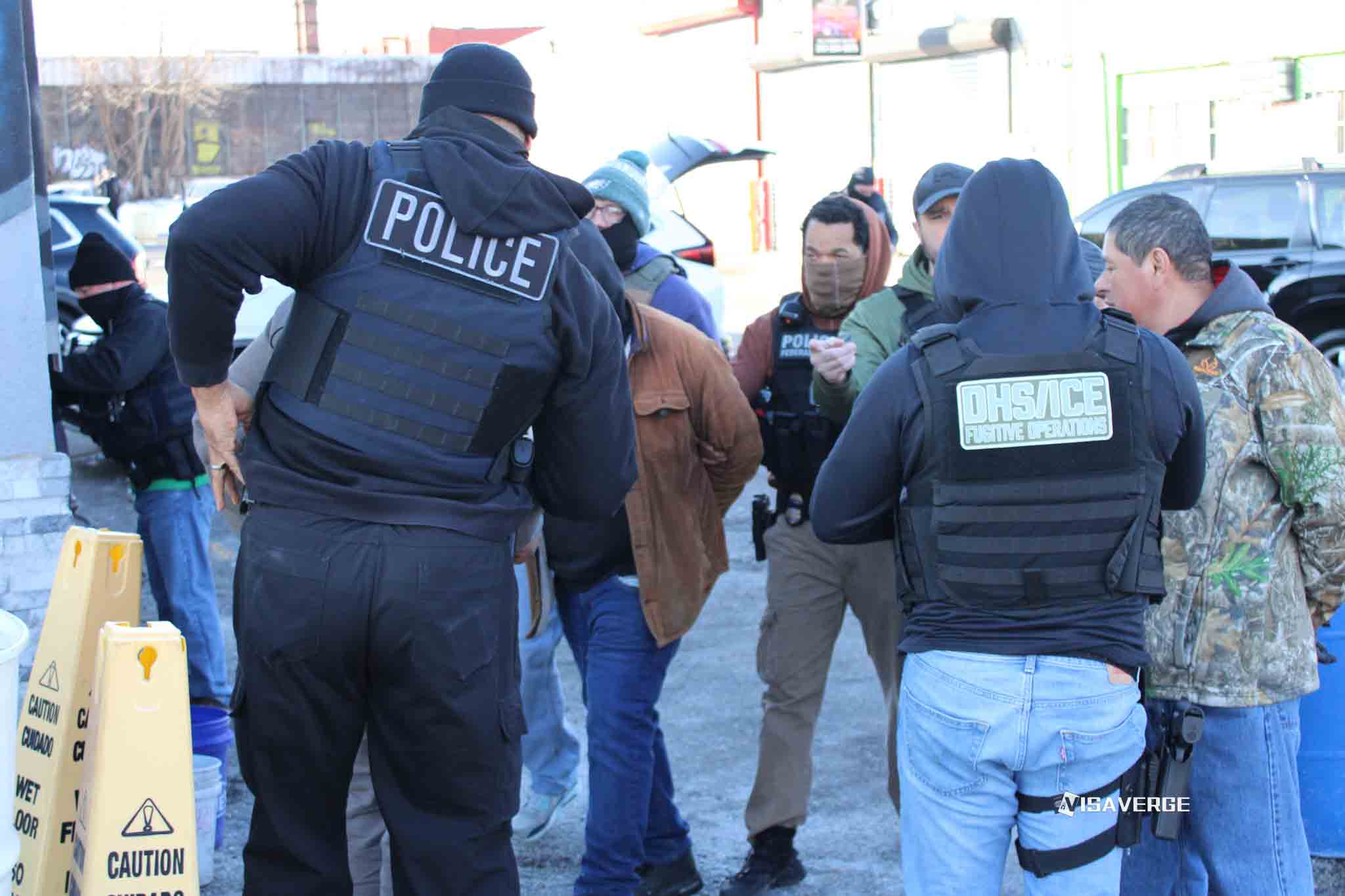
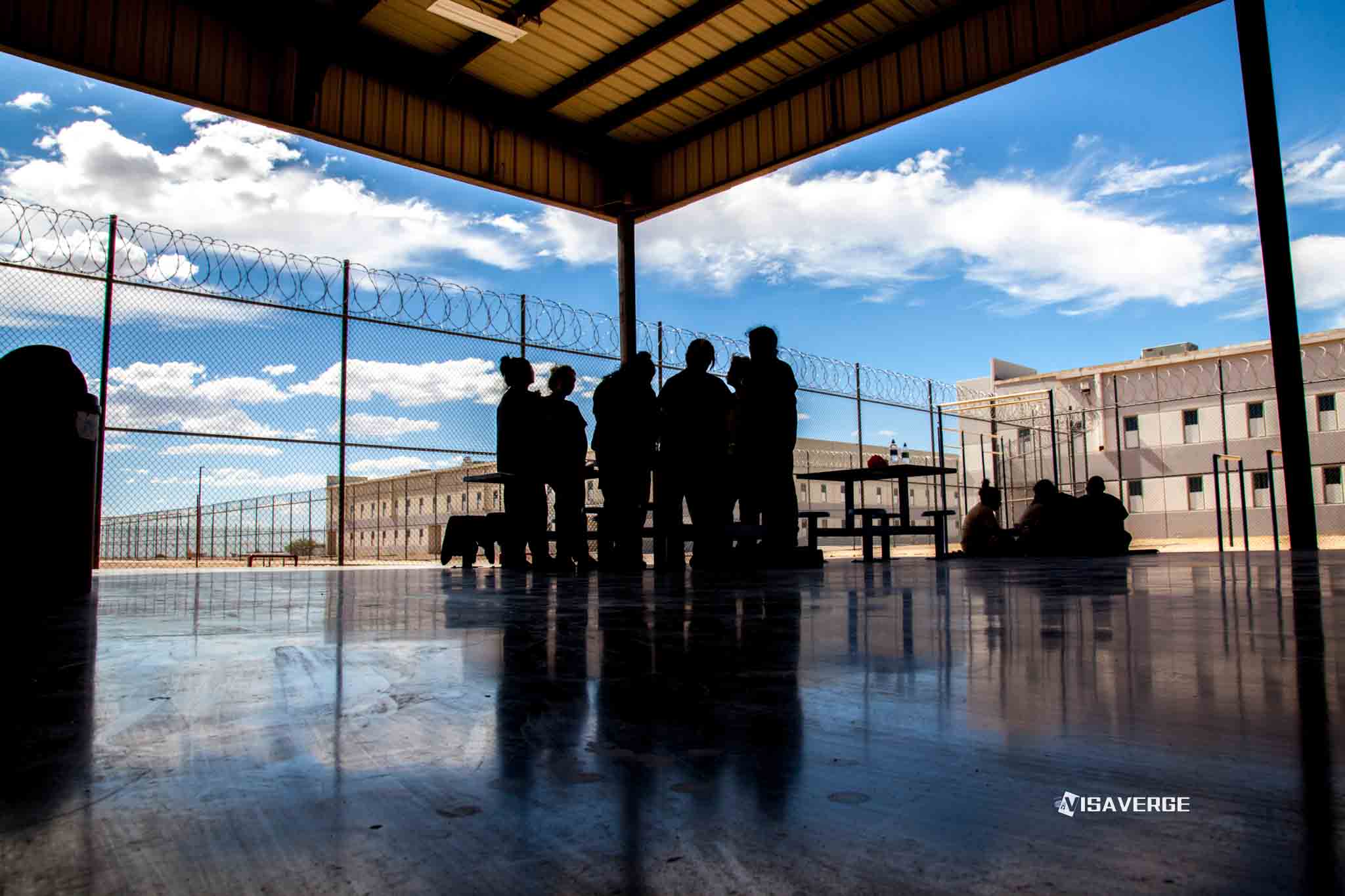
(PHOENIX, ARIZONA) — Bond and release from immigration detention is often the fastest, most practical defense strategy for people swept up in sudden enforcement actions, including the recent Phoenix Home Depot incident tied by advocates to Operation Safeguard and stepped-up ICE activity across the metro area.
On Sunday, January 4, 2026, ICE agents detained day laborers in the parking lot of a Home Depot near 36th Street and Thomas Road, according to local reporting and eyewitness accounts. DHS has not issued a case-specific press release on that incident. But the agency has publicly described a larger enforcement surge and a significant increase in ICE staffing in recent months. For families, the immediate question is often urgent and concrete: “Can my loved one get out of detention while the case proceeds?”
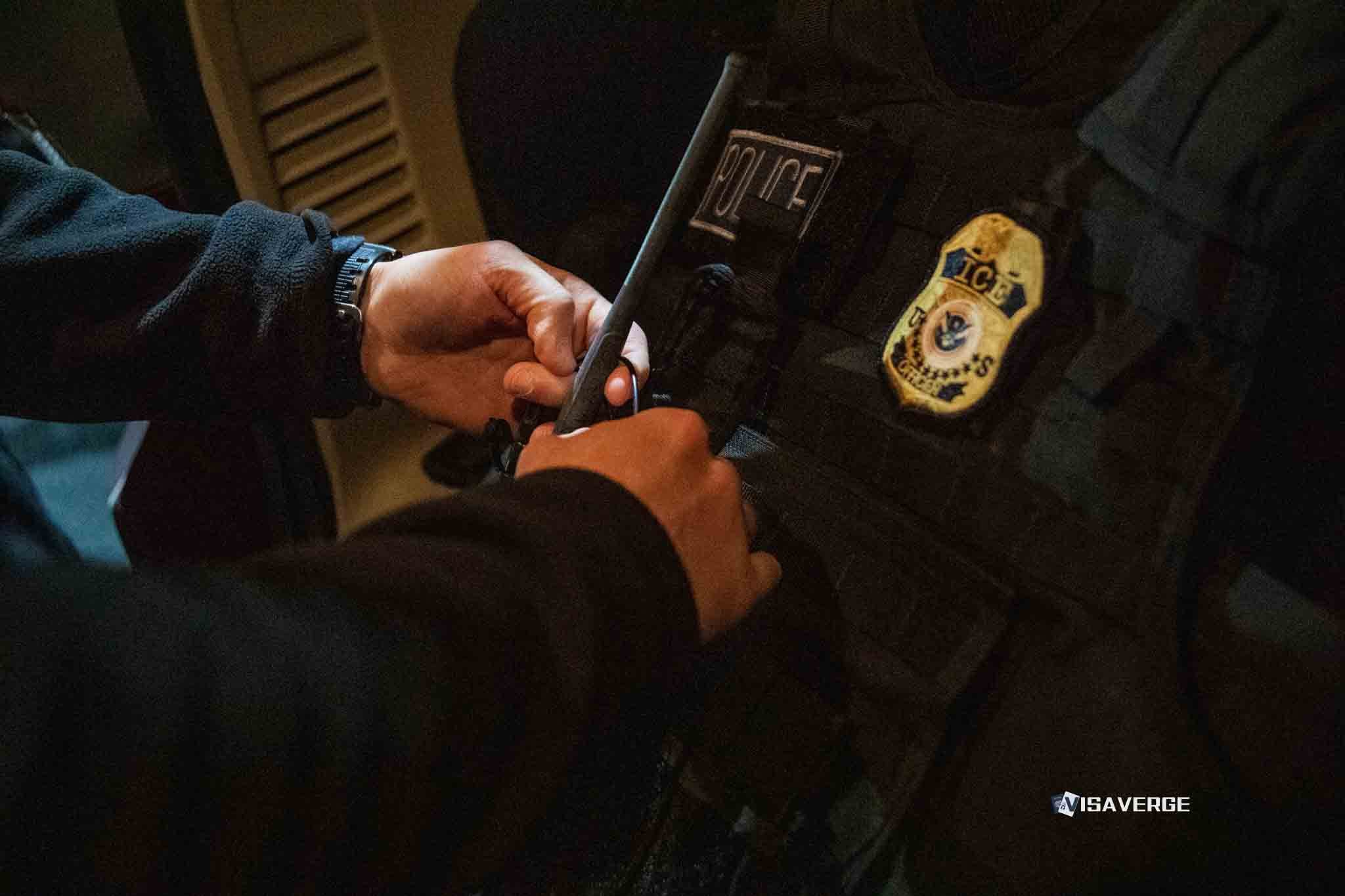
What follows is a defense-focused guide to immigration custody, bond, and rapid-release options after a parking-lot arrest in Arizona—especially for people with long residence, U.S. citizen relatives, or potential relief in Immigration Court.
Free toolUSCIS Receipt Number Decoder1) The relief option: release from ICE custody (bond, parole, or alternatives)
After an arrest, ICE may take one of three immediate paths:
- Release the person, or
- Keep the person in detention, or
- Place the person in alternatives to detention (check-ins, GPS monitoring, ankle monitor).
If ICE continues custody, the main paths to release are:
- ICE-set bond (sometimes offered at intake),
- Immigration Judge (IJ) bond after a custody redetermination hearing, or
- Release without bond in limited cases (parole or termination of custody), often tied to medical issues or legal constraints.
A key legal fork is whether the person is eligible for bond at all. Some individuals are subject to mandatory detention and cannot be bonded out by an IJ.
2) Eligibility rules: who can ask an Immigration Judge for bond?
A. Basic bond authority and the “flight risk / danger” test
An IJ often has bond authority under INA § 236(a). The person must show they are:
- Not a danger to persons or property, and
- Not a flight risk.
The Board of Immigration Appeals has framed bond review this way. See Matter of Guerra, 24 I&N Dec. 37 (BIA 2006).
Bond is discretionary. Even a strong case can be denied if the record suggests risk or instability. The IJ may set conditions and a dollar amount if bond is granted.
B. Mandatory detention: common disqualifier
Some people are detained under INA § 236(c), which requires detention for certain categories—commonly involving specific criminal grounds. If a person falls under mandatory detention, the IJ generally lacks authority to set bond.
Whether a conviction triggers mandatory detention can be technical. It depends on the statute of conviction, the sentence, and the removability charge. This is an area where a defense attorney’s record analysis is often decisive.
C. Expedited removal and reinstatement: bond may be unavailable
If ICE places someone in expedited removal (often tied to alleged recent entry) or reinstates a prior removal order, Immigration Court bond may not be available. The person may instead be routed into asylum screening processes (credible fear or reasonable fear), with custody decisions often controlled by DHS.
D. Arizona jurisdiction notes
Phoenix Immigration Court applies national statutes and regulations, but detention litigation and habeas practice can vary by federal district and the Ninth Circuit. If constitutional claims arise, local counsel in Arizona is important.
Warning (Act fast): The first 72 hours often shape the whole case. Intake paperwork, custody classification, and the initial charging document can contain errors. Ask counsel to request records immediately.
3) Evidence that typically helps win bond (and what it should look like)
Bond cases are evidence-driven and move quickly. Hearings often occur with minimal time to gather documents, so submissions must be organized and specific.
Typical bond packet items include:
- Proof of identity and residence
– Passport or consular ID (if available)
– Lease, mortgage statements, utility bills
– Mail addressed to the person over time
- Family and community ties
– Marriage certificate; children’s birth certificates
– School letters showing parent involvement
– Letters from faith leaders, employers, and community members
– Evidence of caregiving responsibilities
- Employment history and stability
– Pay stubs, W-2s, tax transcripts, or employer letters
– Evidence of work authorization (if any)
– Proof of job offer upon release
- Criminal record clarity
– Certified dispositions for every arrest or citation
– Evidence of completed probation, classes, or rehabilitation
– Character letters that address the incident directly
- Immigration relief screening
– Any pending USCIS receipts
– Evidence supporting potential Immigration Court relief, such as:
– marriage-based options (if eligible),
– cancellation of removal (INA § 240A(b)),
– asylum/withholding/CAT indications, or
– U-visa-related documentation (if applicable)
The BIA has stated the IJ may weigh factors like family ties, employment, length of residence, record of appearance, and criminal history. See Matter of Guerra, 24 I&N Dec. 37 (BIA 2006).
Deadline (bond hearing request): If ICE does not set bond, counsel can typically request an IJ bond hearing promptly. Delays can mean transfer to a remote facility. Family should track the person in the ICE detainee locator and share the A-number.
4) What strengthens vs. weakens a bond case in “sweep-style” arrests
Strengthening factors
IJs often respond to anchors that reduce concerns about flight risk and danger:
- Long residence in the United States (decades)
- U.S. citizen or LPR close family, with real dependency
- Stable address and a specific release plan
- Clean or minor criminal record, with documented dispositions
- Documented court appearance history (traffic, prior immigration check-ins)
- Viable relief in the underlying removal case (not required, but helpful)
In the reported Home Depot detentions, advocates noted at least one detainee had U.S. citizen family and long residence. Those facts may support bond but do not guarantee it.
Weakening factors
- Prior failures to appear in any court
- Prior immigration absconding, removal order, or deportation history
- Domestic violence protective orders or violent allegations
- Drug trafficking or firearms conduct
- Confusing or incomplete records (missing dispositions is a major problem)
- No stable housing or sponsor to post bond
A common issue in day-labor contexts is lack of documentation. That can be remedied, but it takes rapid coordination by family and counsel.
Warning (Do not sign blindly): People may be pressured to sign papers in detention. Some documents can waive hearings or accept removal. Ask to speak with an attorney before signing when possible.
5) Bars and pitfalls: when bond is not the real fight
Bond strategy must be paired with a removability and relief strategy. In some cases, the best move is not “bond first,” but “bond plus a fast legal challenge.”
Common pitfalls include:
- Mandatory detention under INA § 236(c) due to certain convictions
- Reinstatement of removal (limits court jurisdiction and relief)
- Expedited removal allegations (recent entry or misrepresentation)
- ICE detainers and transfers that move the person away from family support
- Criminal-immigration overlap where a pending criminal case affects custody decisions
Also, be cautious about informal “proof of status.” A person released after showing documentation may still face future scrutiny. Errors in databases and documents are not rare.
6) Realistic expectations: what outcomes may look like in Phoenix right now
Public statements indicate increased ICE staffing and a surge posture associated with Operation Safeguard. Practically, that often means:
- More initial detentions, even for people without serious records
- More rapid processing, including transfers
- Higher bond amounts in some cases, reflecting agency posture and local practice
Still, many detainees do obtain bond—especially when counsel presents a tight, verified release plan and certified records. Timelines vary:
- Some detainees get bond within days.
- Others wait weeks, especially if mandatory detention is alleged and must be litigated.
No publication can responsibly quote a single “bond success rate” without a defined dataset. Outcomes vary by facts, charges, detention facility, and the assigned IJ.
7) Why attorney representation is critical (especially after a parking-lot arrest)
A parking-lot arrest can look “simple,” but the legal consequences are complex. A qualified immigration attorney can:
- Identify whether mandatory detention applies
- Correct wrong charges and request amended allegations
- Prepare a bond packet with certified dispositions and credible sponsor evidence
- Screen for relief such as cancellation of removal (INA § 240A(b)), asylum (INA § 208), or protection under the Convention Against Torture
- Coordinate with criminal counsel if any criminal exposure exists
- Advise on rights during ICE check-ins and any future encounters
For families affected by the Phoenix Home Depot arrests, the most effective immediate step is usually to retain counsel who practices in Arizona immigration courts and detention matters.
Official government resources (custody, court, and enforcement information)
⚖️ Legal Disclaimer: This article provides general information about immigration law and is not legal advice. Consult a qualified immigration attorney for advice about your specific situation.
Resources:
– https://www.aila.org/find-a-lawyer
This guide outlines the legal pathways to securing release from ICE custody following immigration arrests in Phoenix. It covers the distinction between discretionary and mandatory detention, the criteria used by Immigration Judges to set bond, and the specific documentation needed to strengthen a case. The article emphasizes that long-term residence and U.S. citizen relatives are significant factors in winning release during enforcement surges like Operation Safeguard.