Federal immigration raids at Home Depot stores across Southern California surged through the summer and into September 2025, with repeated operations at locations long known as gathering spots for day laborers seeking work. Witnesses and local officials report detentions in Van Nuys, North Hollywood, Anaheim, and other sites, with some stores hit more than once in a single day. The actions have sparked fear among workers and shoppers, prompted protests, and triggered lawsuits by cities arguing that federal agents are overstepping legal limits.
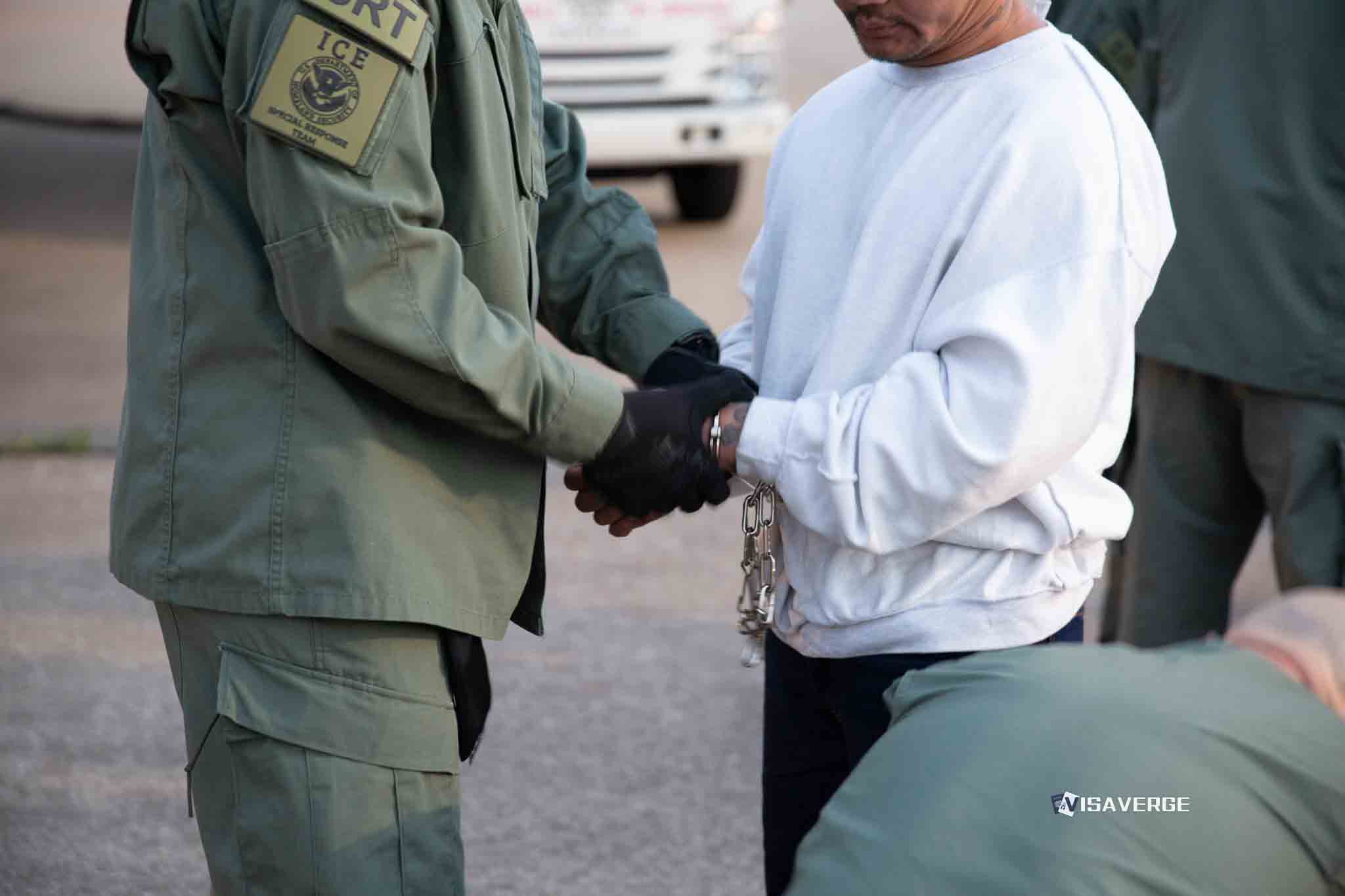
Border Patrol officials describe the operations as targeted and intelligence-driven. In one case, agents detained up to 20 people outside the North Hollywood store on August 11, 2025, days after two separate raids at the Van Nuys Home Depot on August 8. Anaheim’s Brookhurst Street store has seen about six enforcement actions since June, including an incident where five laborers were taken into custody. According to analysis by VisaVerge.com, the tempo and visibility of these operations have raised alarms beyond immigrant communities, affecting consumer behavior and local commerce tied to the big-box chain.
Escalation and tactics
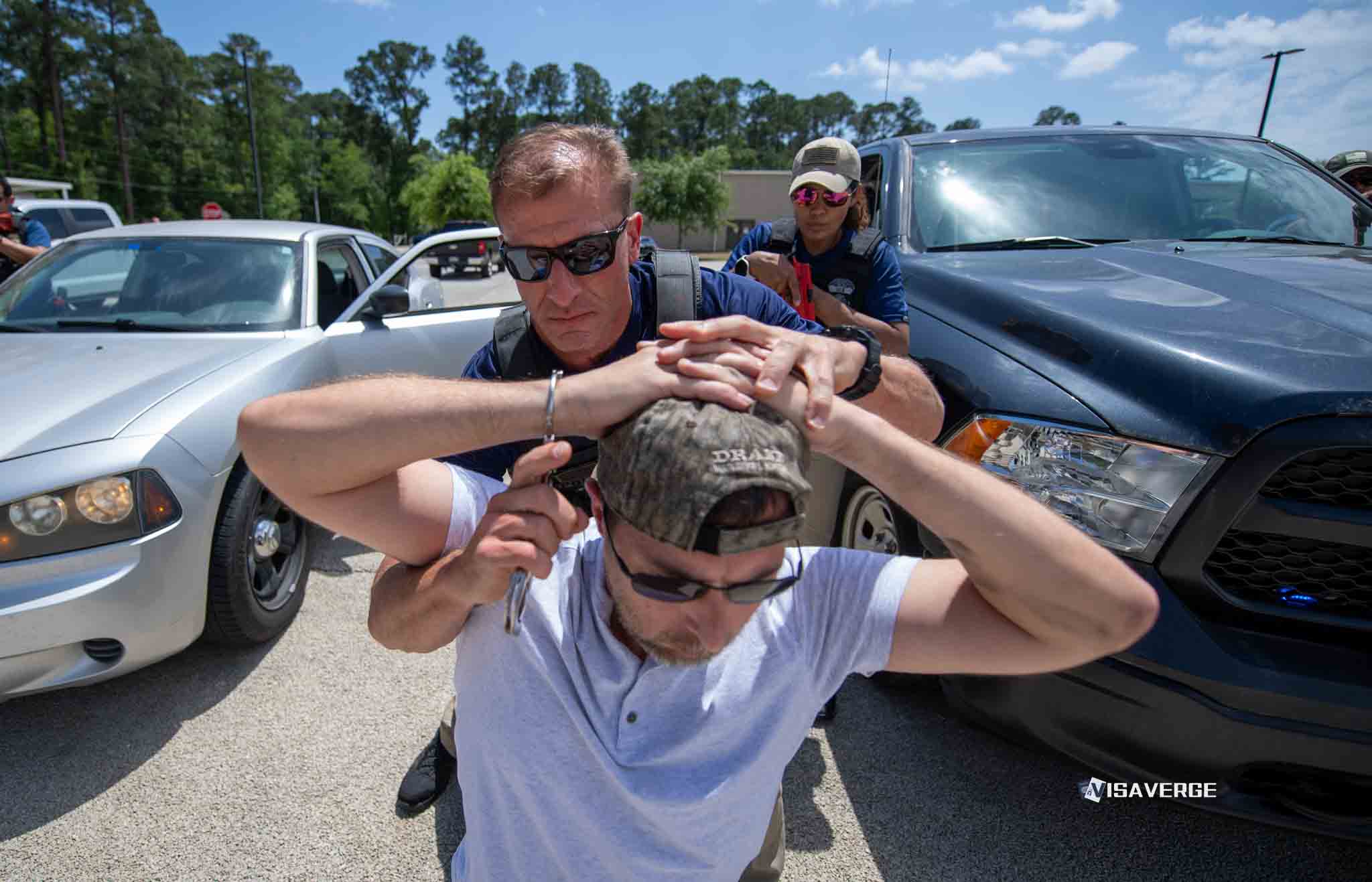
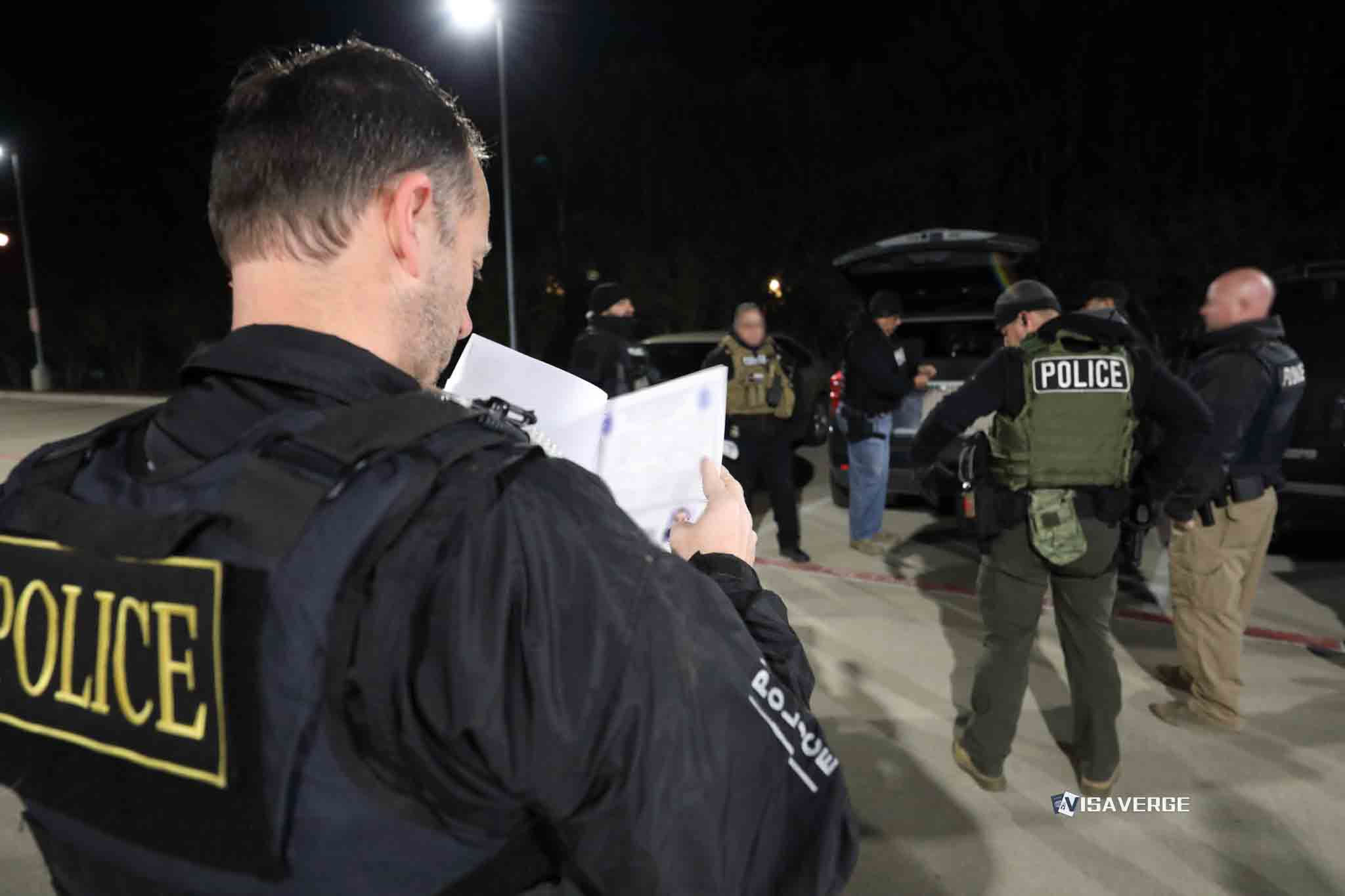
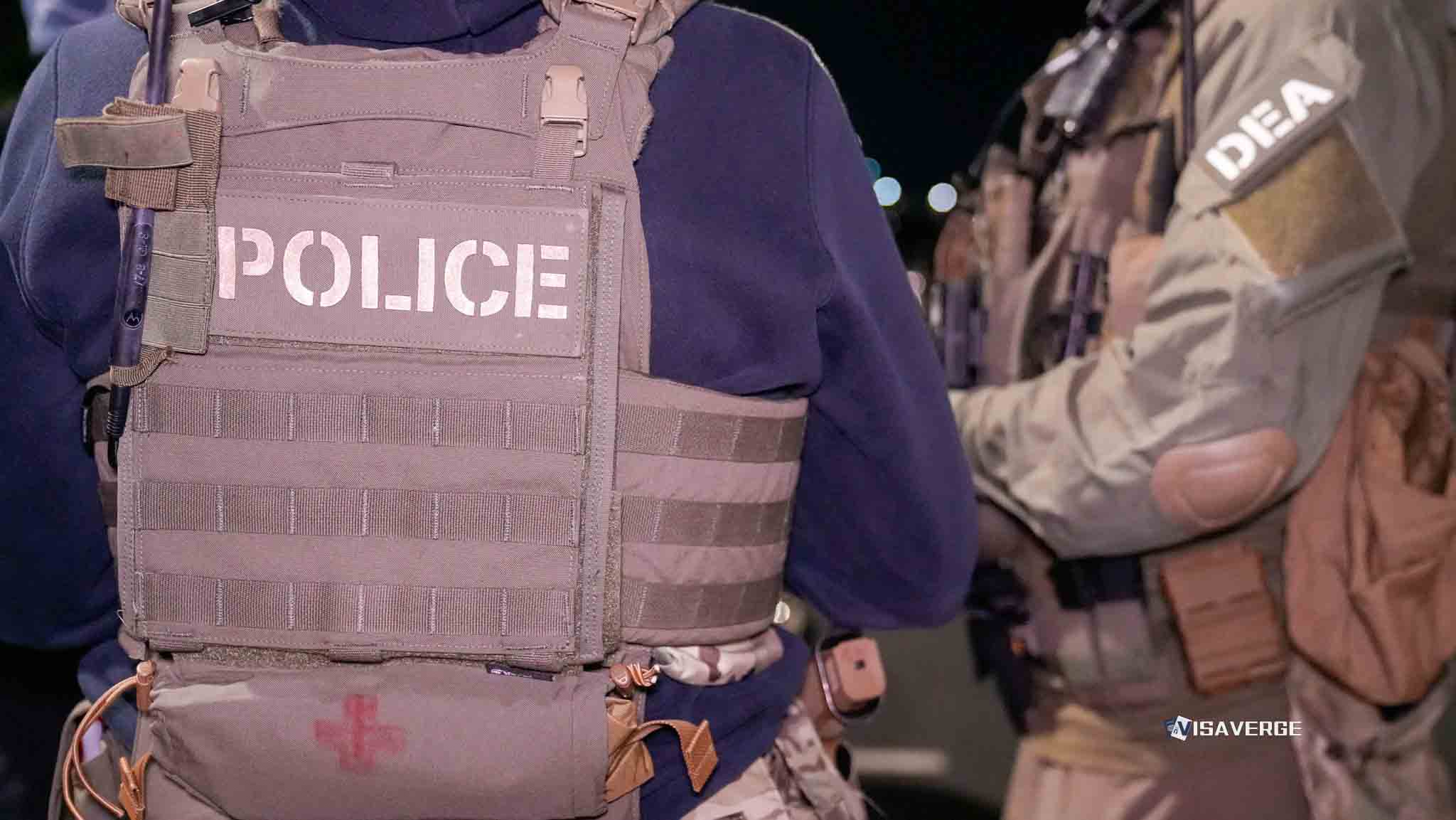
Witnesses describe agents in tactical gear using unmarked or rental vehicles, sometimes jumping from trucks to seize people. Advocates and bystanders say officers have been seen “grabbing people first and then asking for ID,” a practice civil rights lawyers argue may violate court orders that bar broad sweeps. Federal officials reject claims of indiscriminate arrests. U.S. Border Patrol Sector Chief Greg Bovino said, “We always abide by the law… We’re going after criminal activity, and that’s exactly what we did.”
Free toolUSCIS Receipt Number DecoderIn one operation, authorities said 16 people were apprehended and at least six had “significant immigration and criminal histories.” Yet a review of June 2025 ICE data cited by advocates shows a different pattern:
- 68% of those arrested in Southern California had no criminal convictions.
- 57% had never been charged with a crime.
Multiple videos and eyewitness accounts show agents chasing and tackling individuals outside store entrances and in parking lots, further fueling public concern. Some raids have carried internal code names, including “Operation Trojan Horse,” underscoring a tactical posture shaped by surprise.
Day laborers have adjusted their routines to reduce risk:
- Carrying whistles and using radios.
- Organizing patrols to alert others when unmarked vehicles arrive.
- Relying on nearby resource centers—especially in the San Fernando Valley—as hubs to share information and help locate detained friends or relatives.
Key takeaway: the visible, repeated nature of these operations has shifted both worker behavior and community response, creating an atmosphere of heightened caution and organized self-help.
Legal pushback and community impact
Cities including Anaheim say they are not notified before raids and stress they have no role in federal enforcement. Municipal attorneys have joined lawsuits challenging both the legality and methods of the operations under existing court orders and civil rights protections. A temporary restraining order is in effect, but critics allege federal agents have ignored its limits. The Department of Homeland Security has not responded to specific questions about the claims. Local governments have stood up webpages with alerts in multiple languages to reduce panic and direct residents to legal help.
Home Depot faces pressure from several sides. The company states it has no advance notice of any enforcement and does not coordinate with federal agents. Spokesperson Beth Marlowe said, “We tell associates to report any suspected immigration enforcement activity immediately and not engage with the activity for their safety.” Employees may leave with pay if they feel unsafe after a raid.
Still, shoppers and advocacy groups fault the chain for soft language and a lack of strong public opposition to in-store and parking-lot operations. Data point:
- Los Angeles-area Home Depot stores recorded a 10.7% drop in foot traffic in June 2025 and 10% in July 2025 compared to the prior year—outpacing national declines and pointing to a climate of fear even among documented customers.
For families who rely on odd jobs found at Home Depot stores, the stakes are personal. People who once showed up at dawn now:
- Arrive in smaller groups.
- Station lookouts.
- Keep a bag packed with identification and emergency phone numbers.
Some families have started drafting childcare plans in case a parent is detained without warning. Local contractors who hire day laborers report delays and rising costs as routine morning pickups turn into tense encounters or are abandoned.
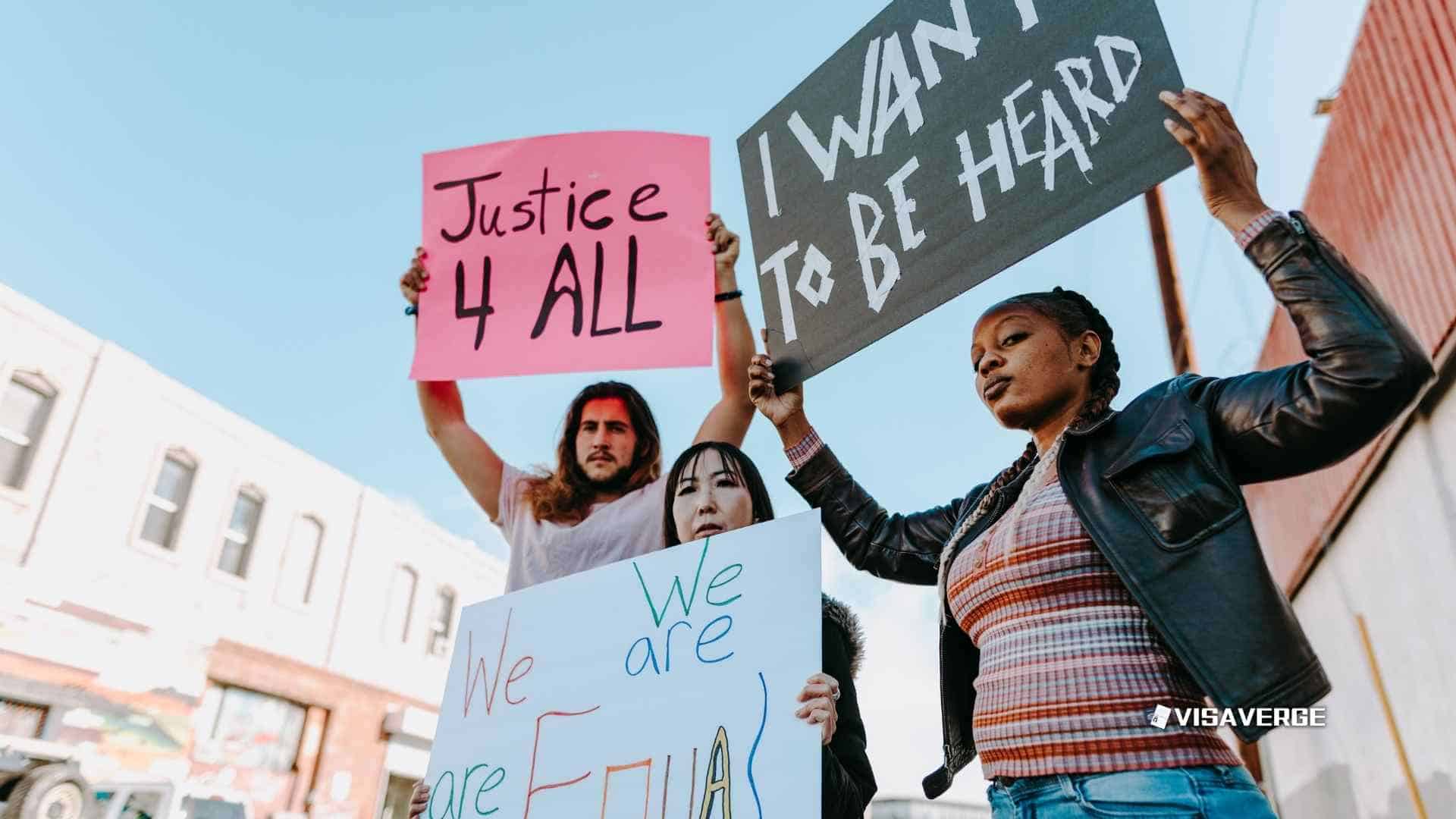
Protests and vigils have grown outside several locations. Community organizers with the National Day Labor Organizing Network coordinate documentation teams with phones, while faith leaders hold prayer circles and help connect detainees to counsel. Congressional offices have tried to visit detention sites but report limited access and slow answers about where people are held.
Advocates warn that fear stretches beyond the lots: nearby cafés, hardware stores, and small suppliers see fewer customers on raid days, with ripple effects that can last weeks.
What shoppers and workers can do now
- If you see an ongoing operation:
- Keep a safe distance.
- Record only if it’s safe.
- Do not interfere with law enforcement activity.
- Workers:
- Carry a know-your-rights card and identify a trusted contact.
- Prepare a simple emergency plan for minors and family members.
- Store employees:
- Follow company guidance: report activity to management.
- Leave with pay if you feel unsafe after a raid.
- For accurate official information about enforcement authorities, review the ICE Enforcement and Removal Operations page.
- Community members:
- Connect with local resource centers near affected Home Depot stores for updates and support.
Warning: People should prioritize safety and legal guidance—engaging directly with enforcement actions can increase risk.
Broader policy context and possible outcomes
Broader policy fights are shaping what happens next. Cities have asked courts to clarify the reach of federal power during workplace-adjacent operations, especially at informal hiring sites like big-box parking lots that have, for years, served as job markets. Advocacy groups argue the raids conflict with standing limits on racial profiling and constitute a de facto workplace enforcement drive without the safeguards tied to employer-focused actions. Federal officials respond that their focus is lawful presence and public safety, not employment audits.
This uptick aligns with 2025 shifts under President Trump, whose team has framed interior enforcement as a core priority. The legal outcomes in the coming weeks may set boundaries for how, where, and how often agents engage outside retail hubs:
- If courts restrict tactics, the pace of operations could slow or change shape.
- If courts side with the government, communities will likely see continued raids and broader deterrence efforts.
For now, the ground reality is clear: Home Depot stores remain a magnet for both day laborers and federal agents. The United States ?? enforcement system gives wide authority to federal officers, but it also rests on constitutional rules that civil rights lawyers say apply equally in parking lots as in living rooms. As cases move forward, local governments promise more transparency, and organizers continue training workers on safe responses.
VisaVerge.com reports businesses across the region are reassessing morning staffing and delivery schedules to avoid locations during peak enforcement hours. Some contractors are:
- Shifting pickups to prearranged sites to reduce exposure.
- Choosing curbside orders or smaller shops to avoid potential scenes.
Whether those shifts endure may depend on court rulings, corporate messaging, and the public’s tolerance for heavy enforcement at familiar retail spaces.
DHS has not offered new public guidance on the specific playbook used at these stores. In the meantime, day laborers, shoppers, and employees weigh routine errands against the chance of encountering flashing lights, unmarked vans, and hurried arrests—an uneasy new normal for Southern California’s hardware aisles and parking lots.
This Article in a Nutshell
Between June and September 2025, federal immigration enforcement intensified at Home Depot stores across Southern California, repeatedly targeting informal day-labor hiring sites. Border Patrol officials say operations are intelligence-driven and focused on criminal activity; advocates counter with ICE-related data showing that 68% of those arrested had no criminal convictions and 57% had never been charged. Witness accounts and video footage describe agents in tactical gear using unmarked vehicles and rapid detentions, prompting lawsuits from cities like Anaheim and a temporary restraining order meant to limit broad sweeps. The raids have depressed foot traffic at affected stores, spurred protests, and caused day laborers to adopt safety tactics such as whistles, radios and organized lookouts. Home Depot maintains it receives no advance notice and tells employees to report incidents and prioritize safety. The legal and political battles now underway may determine whether tactics are curtailed or continue, while communities and contractors adapt routines to reduce exposure.