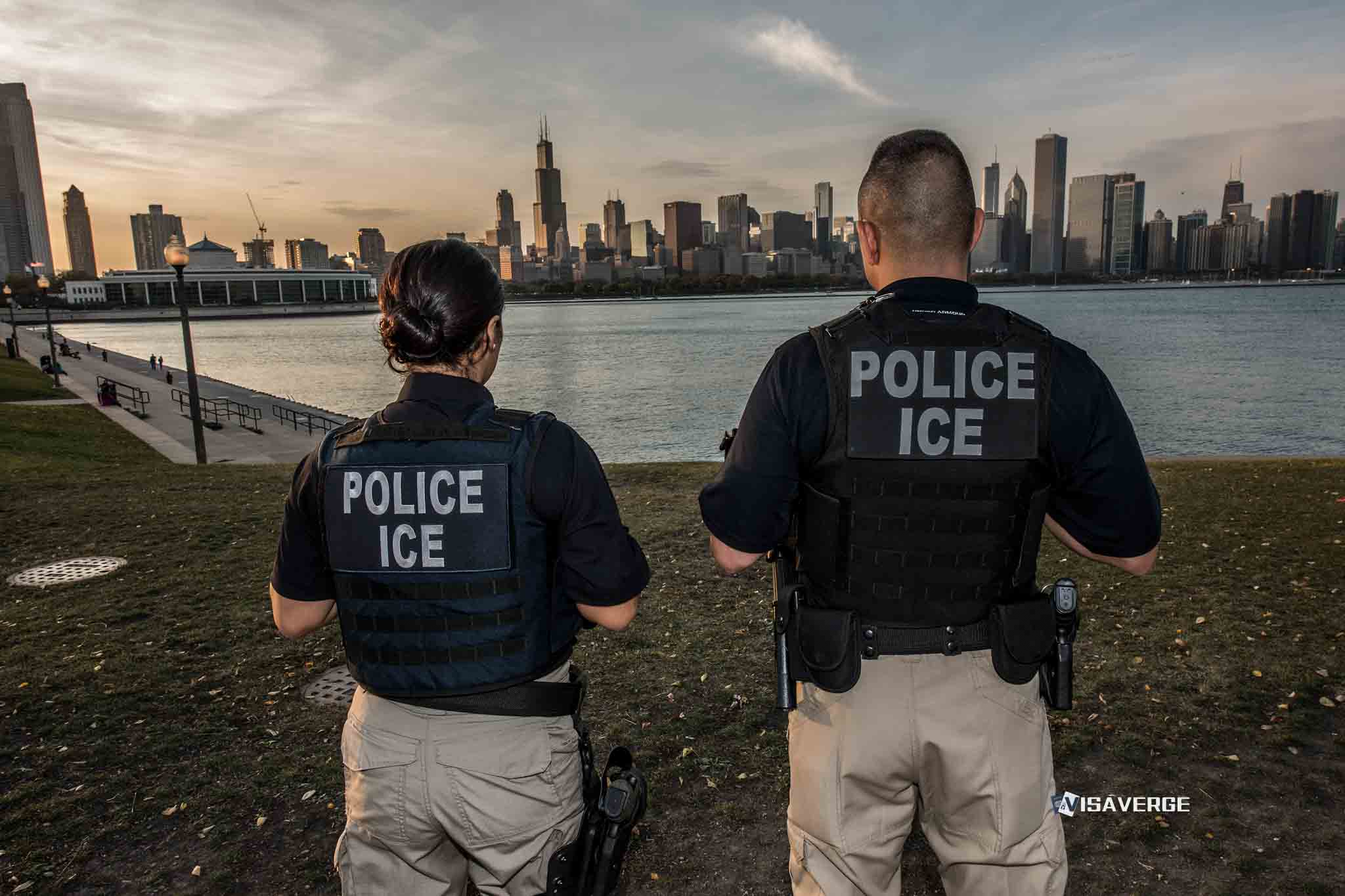
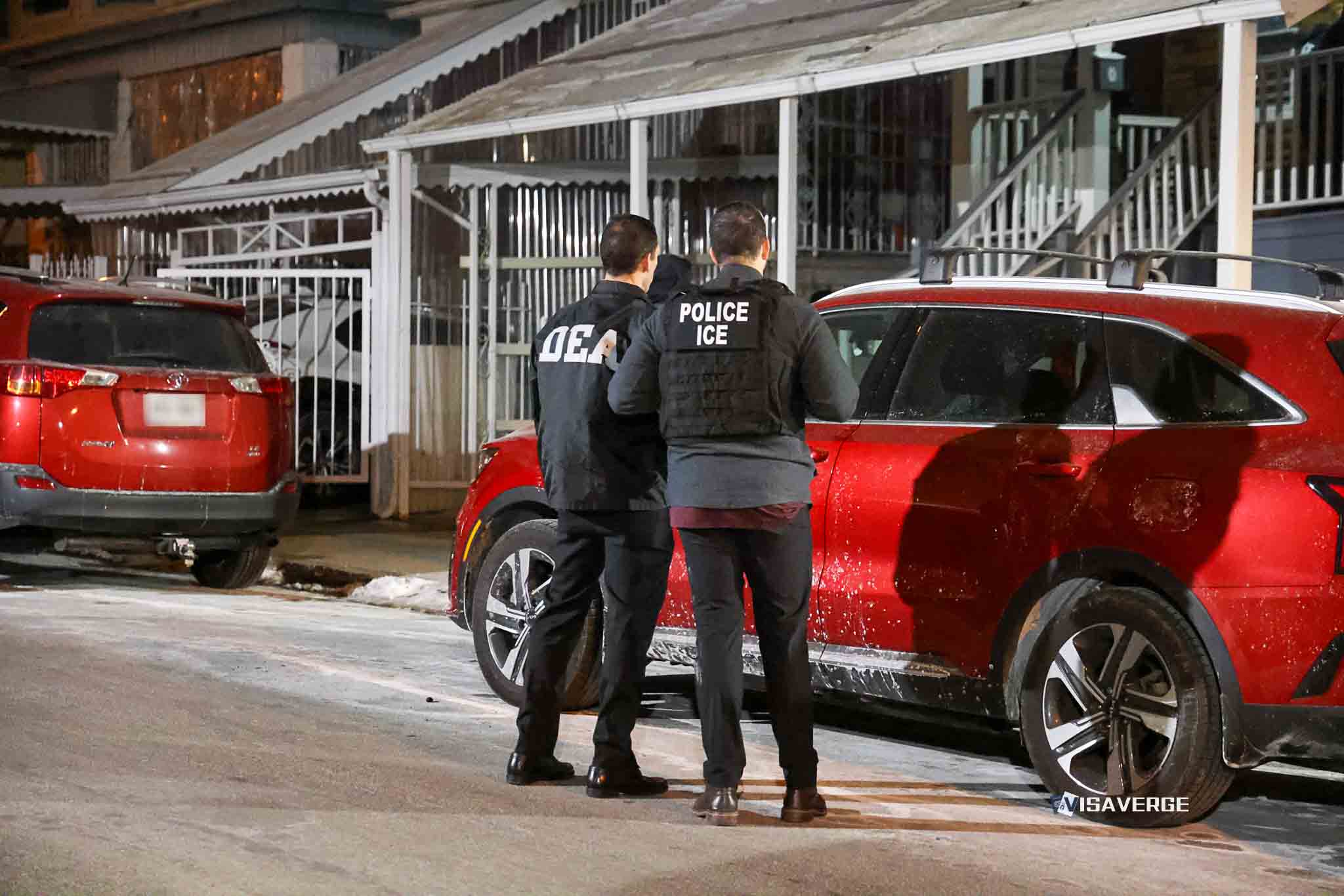
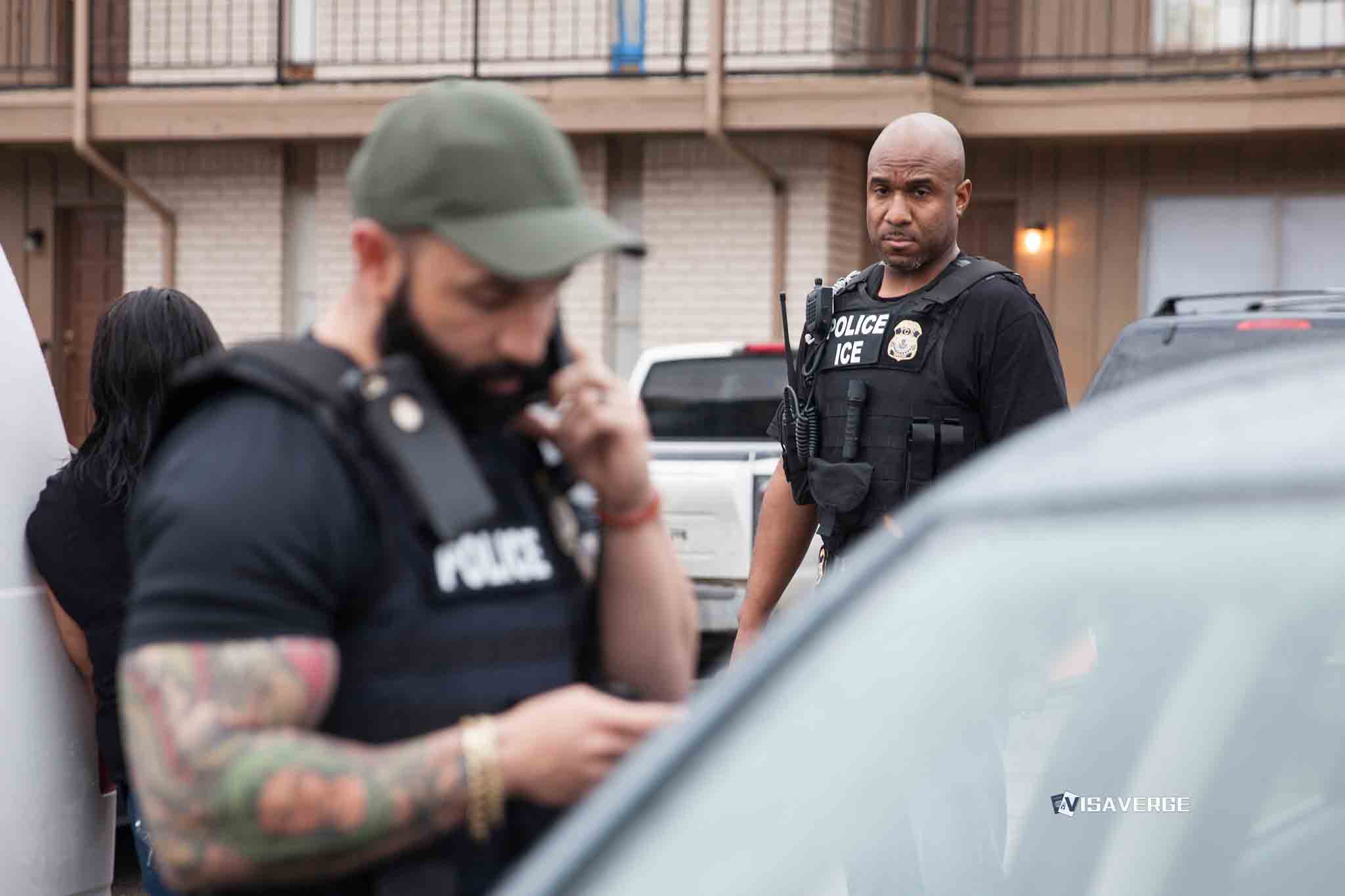
(CHICAGO, ILLINOIS) A helicopter-led immigration raid at a Chicago apartment building has drawn sharp criticism from community leaders and city officials, who say the forceful sweep piled fear onto years of neglect and poor living conditions. The raid, part of a broader surge in ICE enforcement and the deployment of National Guard troops in the city under the Trump administration, came before dawn while families slept, according to local advocacy groups.
They report that agents knocked down doors and detained nearly everyone inside—parents, children, and U.S. citizens—without clear explanations or visible warrants. Federal officials deny some of those claims, including the allegation that children were zip-tied.
Building conditions and community context
Community organizers say the building’s problems—described as neglected, overcrowded, and unsafe—are not new. Tenants and advocates had flagged unlivable conditions well before the immigration raid brought the complex to national attention.
Groups including the Illinois Coalition for Immigrant and Refugee Rights documented inadequate maintenance, poor sanitation, and a lack of basic services. They argue those conditions left residents—many low-income immigrants—more vulnerable to trauma when federal agents arrived.
Local organizers emphasize that the raid “didn’t start the crisis; it exposed it.” When basic services fail, residents must juggle repairs, health risks, and rent disputes—all while facing the threat of removal.
| India | China | ROW | |
|---|---|---|---|
| EB-1 | Feb 01, 2023 | Aug 01, 2023 ▲31d | Current |
| EB-2 | Nov 01, 2013 | Oct 01, 2021 | Apr 01, 2025 ▲90d |
| EB-3 | Jan 22, 2014 ▲21d | Jan 22, 2022 ▲14d | Jun 15, 2024 ▲31d |
| F-1 | Jan 22, 2021 ▲366d | Jan 22, 2021 ▲366d | Jan 22, 2021 ▲366d |
| F-2A | Oct 22, 2026 ▲30d | Oct 22, 2026 ▲30d | Oct 22, 2026 ▲30d |
Accounts of the raid and disputed tactics
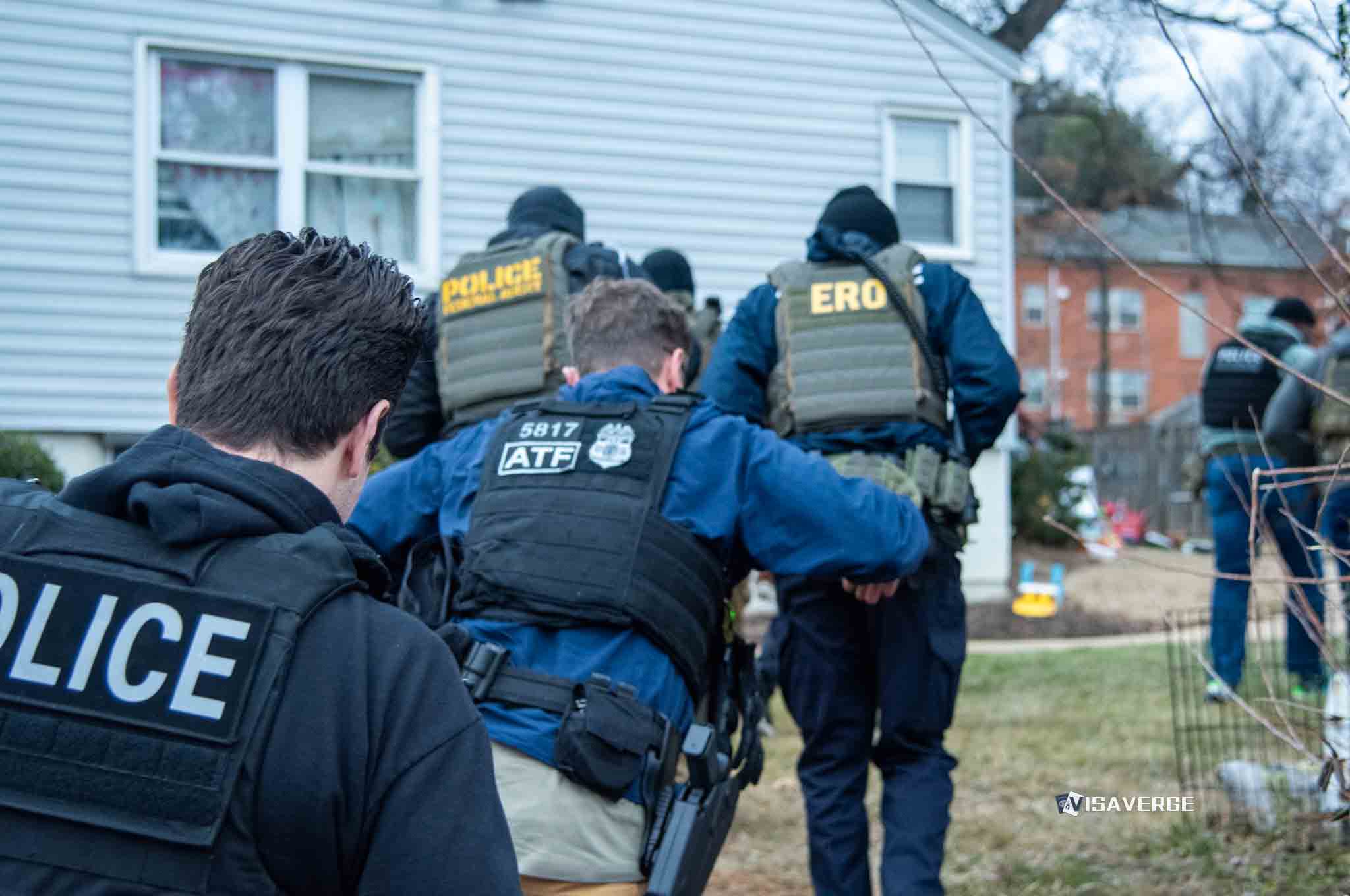
According to local advocates, agents moved floor by floor and detained nearly every person they encountered, regardless of citizenship. Residents describe confusion and fear as doors were breached and zip ties used widely.
Community leaders say people were not informed of the reasons for the operation, and they questioned whether warrants were shown. Federal officials disputed some specifics and stressed that children were not zip-tied. With those accounts in conflict, uncertainty remains about the full scope of the operation’s tactics.
Key concerns raised by community leaders include:
– Forced entries and property damage during pre-dawn operations
– Mass detentions that swept up citizens and non-citizens alike
– Lack of transparency about warrants, charges, or next steps
– Family separations and fear among children and parents
Broader enforcement pattern and community impact
The helicopter-led operation was one of several enforcement actions reported in recent weeks. Advocates and attorneys say these tactics disrupt families and chill daily life in immigrant neighborhoods.
Reported consequences include:
– People skipping work or delaying routine errands
– Children kept home from school out of fear
– Heightened stress for households already coping with tight budgets and unstable housing
Community members report that raids disproportionately target Hispanic and Latino residents, intensifying stress in communities with low trust in government.
City officials note a larger trend: the federal surge has brought a heavy presence into residential settings without the public accountability residents expect. The Trump administration’s intensified push reportedly led to over 1,000 arrests in the past month in Chicago, fueling fear across affected neighborhoods.
Officials and advocates also criticize the use of National Guard troops, arguing it moves federal involvement into a policing role that traditionally belongs to civilian authorities.
City and state response
Mayor Brandon Johnson issued an executive order declaring certain city spaces off-limits to federal agents conducting immigration operations. The order is intended to:
– Keep public areas from becoming enforcement staging grounds
– Protect access to city services
– Reduce the chance that routine visits to schools, clinics, or shelters turn into detention risks
Chicago officials say the order protects due process and public safety by keeping residents engaged with their city rather than driven into hiding.
City and state leaders have also filed lawsuits against the Trump administration, challenging the legality of the enforcement surge and the use of military personnel for civilian law enforcement. The suits seek to block actions they say erode civil liberties and raise the chance of rights violations during high-intensity sweeps.
Tenants’ immediate needs and organizers’ demands
Local advocates say the pattern is clear: housing neglect sets the stage, and heavy-handed enforcement deepens the harm. In the targeted building, the raid highlighted years of complaints about unsafe, overcrowded units.
Tenants’ priorities now include:
– Repairs for mold, pests, broken fixtures, and unreliable utilities
– Fair treatment and clarity about residents’ rights if federal agents return
– Building inspections and landlord accountability
– Clearer rules of engagement for federal teams and faster responses when reports of excessive force arise
Community groups are pressing for accountability and for official channels to be accessible to residents after high-impact operations.
Analysis and oversight resources
According to analysis by VisaVerge.com, the timing and scale of the immigration raid reflect a broader enforcement strategy that places pressure on mixed-status communities, sometimes sweeping in U.S. citizens during building-wide operations.
That pressure forces families to weigh routine tasks—like grocery runs or school drop-offs—against the fear of a knock at the door.
For authoritative background on civil rights protections and complaint processes within the federal system, readers can consult the Department of Homeland Security’s Office for Civil Rights and Civil Liberties: https://www.dhs.gov/crcl. While the agency has not commented on the specific claims from this Chicago apartment building, advocates say official channels for complaints and oversight must be accessible to residents after high-impact operations.
“Chicago’s immigration story is not just about policy. It is about crowded hallways, broken elevators, and the sound of a helicopter before sunrise.”
What comes next
City leaders say their legal action will test how far federal teams can go inside homes and hallways in pursuit of removal targets. Community groups want a pause on building-wide sweeps while judges weigh those questions.
In the meantime:
– Tenants remain cautious and share messages about door knocks
– Residents compare notes on repairs that still have not happened
– Organizers and officials watch whether the ICE enforcement surge eases or continues
What happened in this building will echo beyond one block. The raid, the lawsuits, and the executive order have turned a neglected property into a case study of how immigration enforcement meets housing distress. Whether the next chapter brings court limits, stronger oversight, or new rounds of arrests, families inside Chicago’s aging complexes will feel it first.
This Article in a Nutshell
A pre-dawn, helicopter-led ICE raid at a Chicago apartment building triggered widespread criticism after community groups reported forced entries and mass detentions of residents, including U.S. citizens. Tenants and advocacy groups had previously documented long-term neglect—mold, broken fixtures, poor sanitation and overcrowding—that left people vulnerable. Federal officials disputed some claims about tactics. In response, Mayor Brandon Johnson issued an executive order limiting federal operations in certain city spaces, and city and state officials filed lawsuits challenging the enforcement surge and the use of National Guard personnel. Organizers now demand repairs, inspections, clearer rules of engagement, and greater transparency to protect due process and community safety.