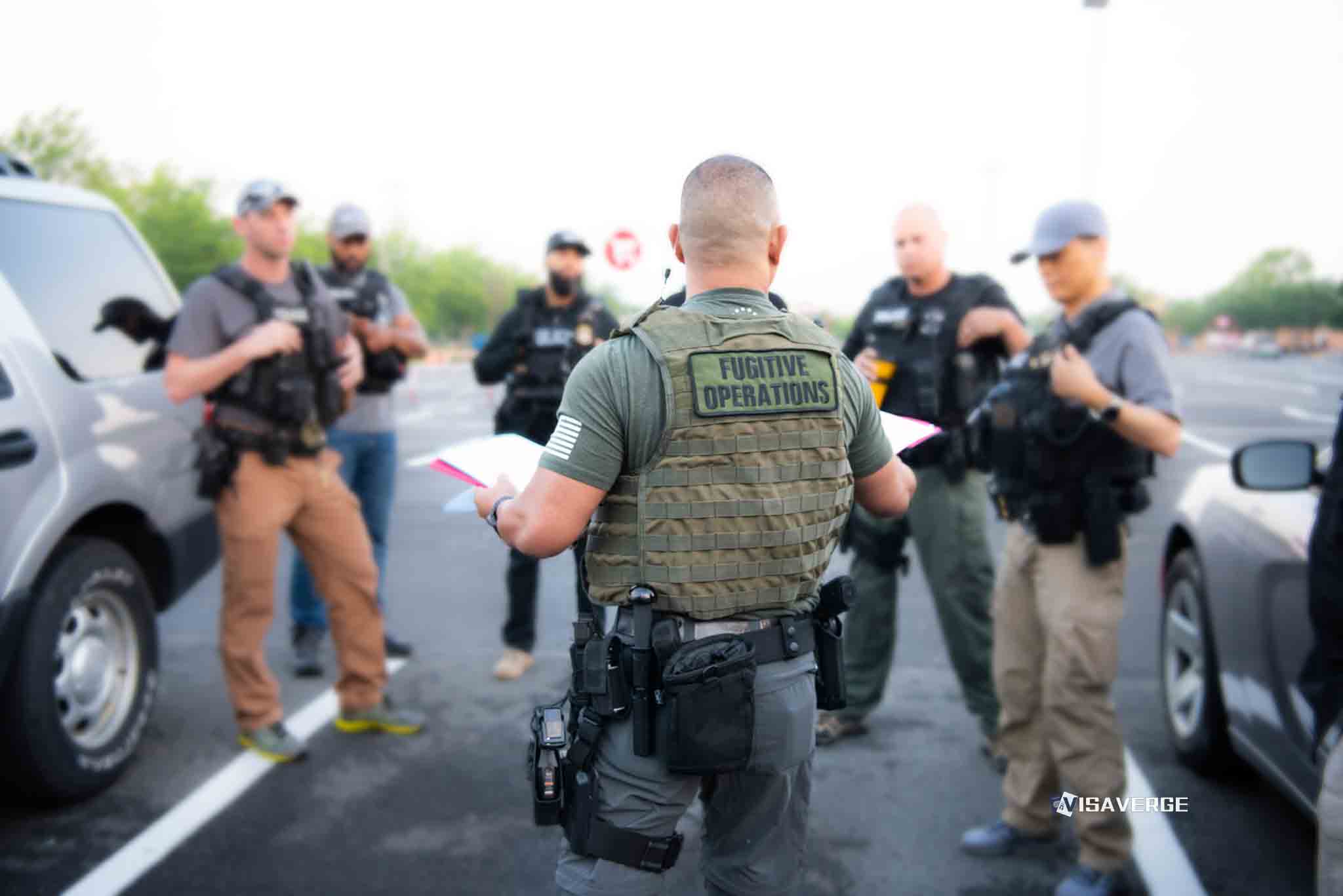
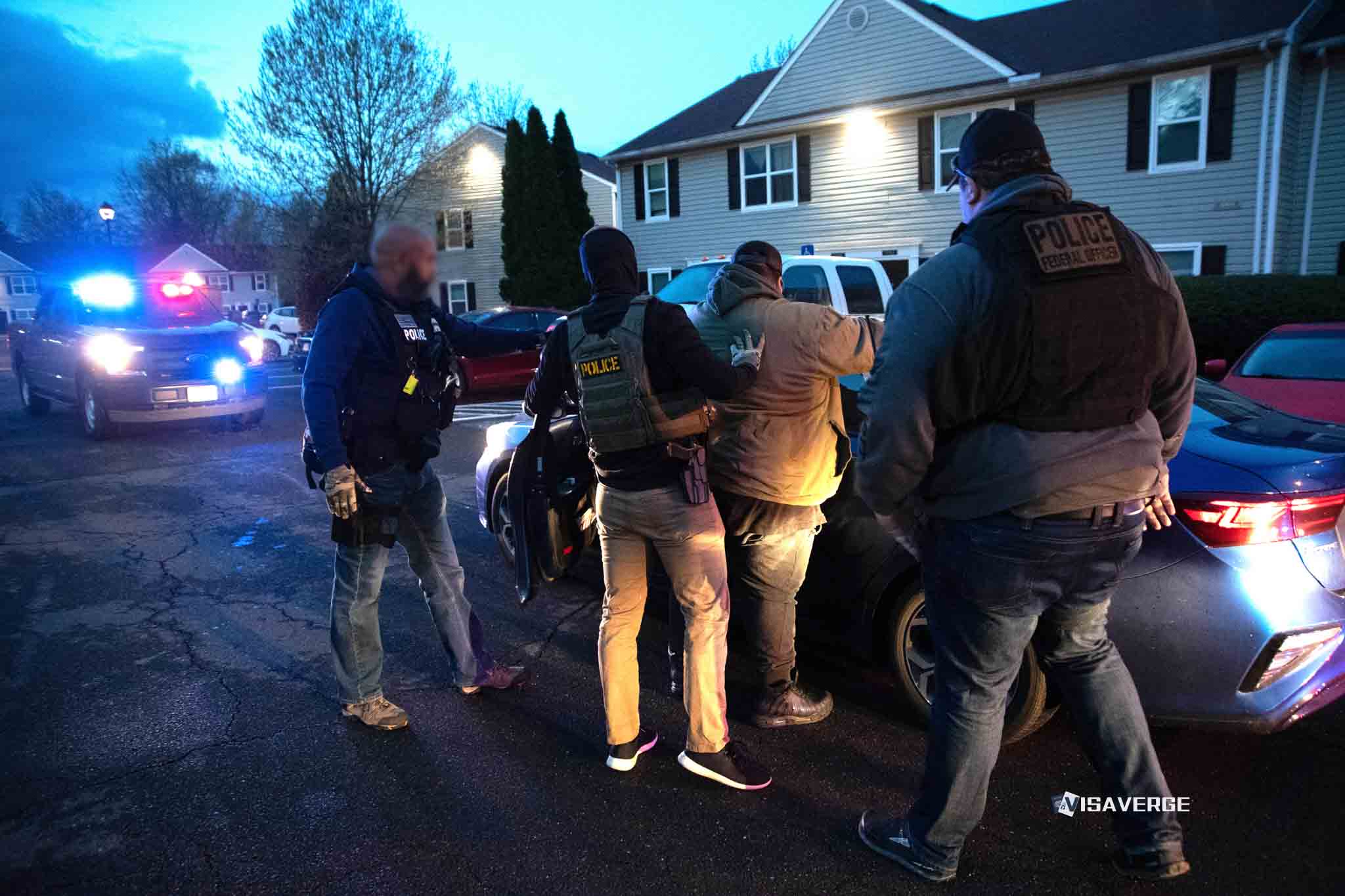
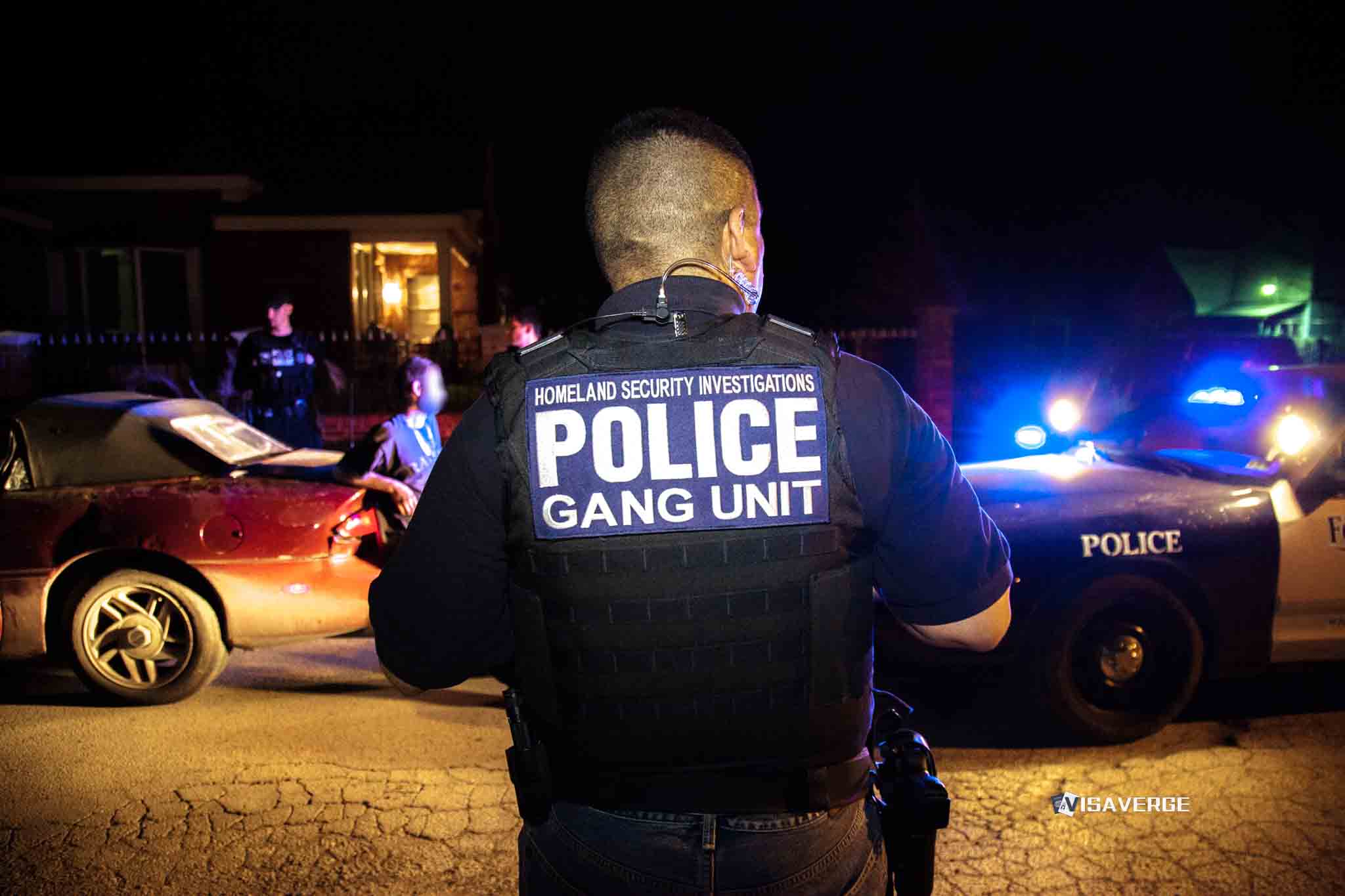
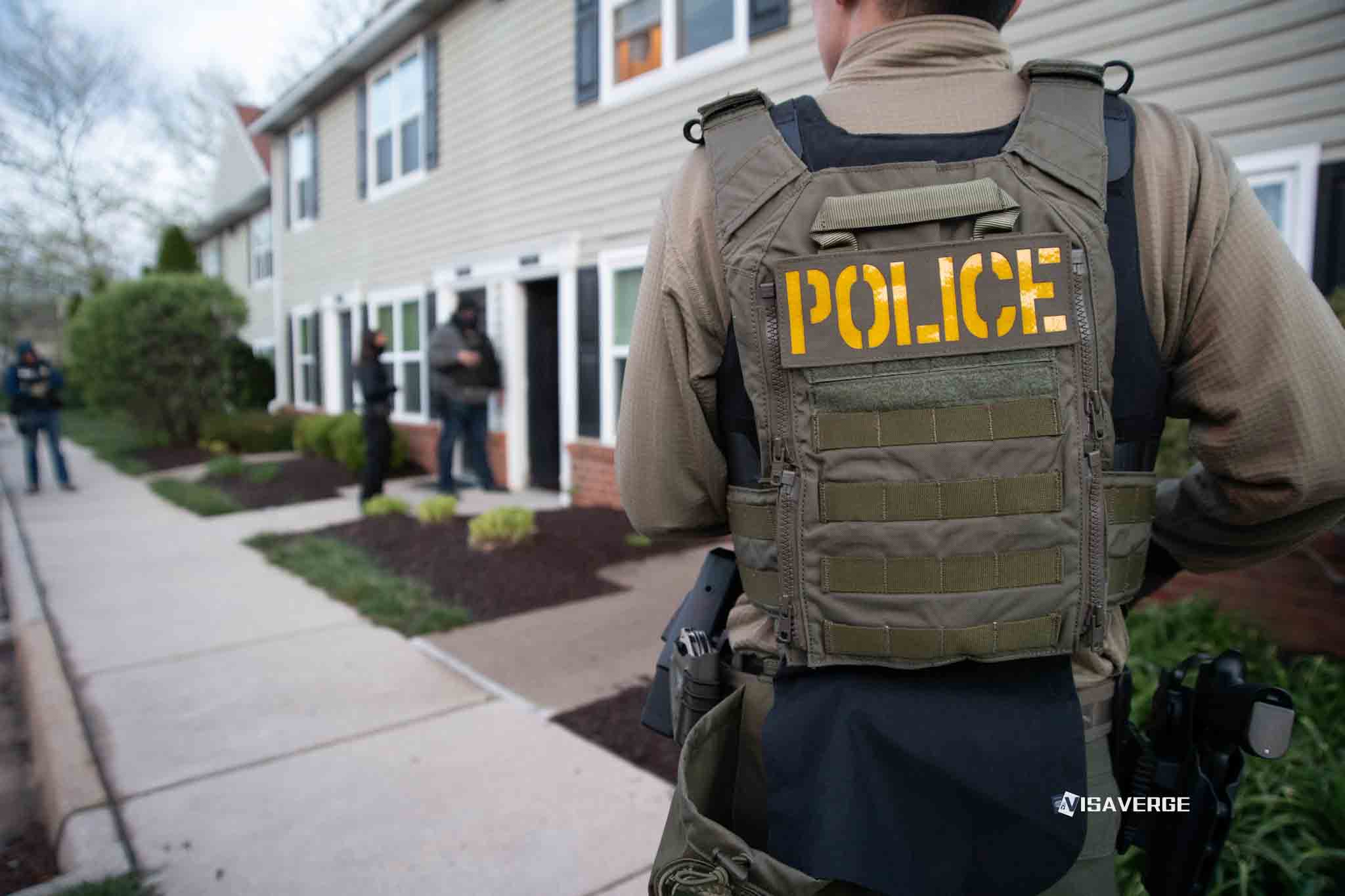
(CHICAGO) Federal immigration enforcement stepped up again in Chicago, with ICE raids drawing large protests and urgent legal action, while a court order has temporarily stopped a planned National Guard deployment to support federal operations. As of October 11, 2025, a federal judge has blocked National Guard involvement in the city through October 23, 2025, pending further review. Local officials say the situation remains tense as communities wait to see whether troops will be allowed to return.
City leaders report that nearly 1,000 people have been apprehended by ICE in the Chicago area since September 8. The arrests are part of a broader push by the Trump administration to increase removals of people suspected of lacking legal status. The raids, which have focused on homes and worksites, have rekindled long-running disputes over federal authority and local cooperation.
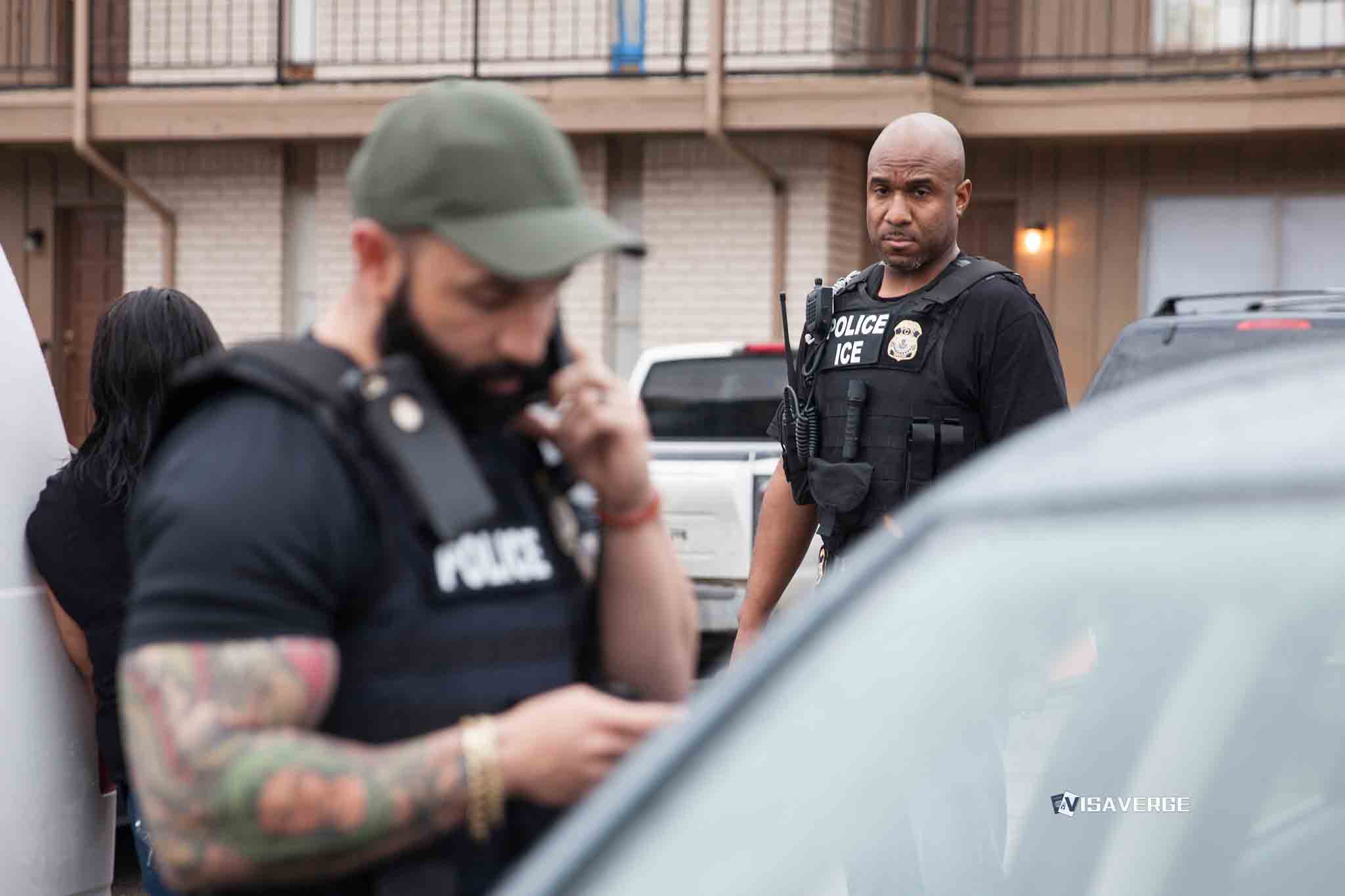
According to analysis by VisaVerge.com, the stepped-up enforcement has prompted families to change daily routines, keep children home from school, and avoid public places where they fear encounters.
Court order halts Guard support
The White House authorized sending about 200 Texas National Guard members to Chicago to support federal teams during the ICE raids, drawing swift opposition from local officials who questioned both the need and legality.
President Trump’s allies argued the Guard would provide logistics and safety support. But Illinois officials said there was no emergency that justified military involvement and warned that troop deployment would intimidate immigrant communities already on edge.
| India | China | ROW | |
|---|---|---|---|
| EB-1 | Feb 01, 2023 | Aug 01, 2023 ▲31d | Current |
| EB-2 | Nov 01, 2013 | Oct 01, 2021 | Apr 01, 2025 ▲90d |
| EB-3 | Jan 22, 2014 ▲21d | Jan 22, 2022 ▲14d | Jun 15, 2024 ▲31d |
| F-1 | Jan 22, 2021 ▲366d | Jan 22, 2021 ▲366d | Jan 22, 2021 ▲366d |
| F-2A | Oct 22, 2026 ▲30d | Oct 22, 2026 ▲30d | Oct 22, 2026 ▲30d |
A federal judge agreed to a temporary block, saying the government had not shown evidence of a rebellion or danger that would meet the legal standard for such an action. The order runs through October 23, 2025, giving the court time to review additional filings.
While the order stands, Chicago police and state agencies say they will continue to focus on local public safety priorities and will not join immigration enforcement actions. The governor’s office and city hall praised the ruling as a needed pause during what they called a volatile period.
The court blocked National Guard involvement through October 23, 2025, pending further review — a temporary halt officials called necessary to protect community trust.
Community response and “Know Your Rights” push
The court’s move did not slow the ground reality of ICE arrests. In neighborhoods across Chicago, churches, schools, and community centers have been:
- Handing out “Know Your Rights” leaflets
- Hosting evening briefings
- Connecting families with legal aid via school staff and social workers
Principals have asked staff to keep calm in classrooms and connect families with legal help. Social workers have urged parents to prepare care plans for children in case a caregiver is detained. Nonprofits have set up hotlines and trained volunteers to document raids and connect people with attorneys.
These efforts aim to make sure residents—citizens and noncitizens alike—can handle encounters with enforcement officers. Legal advocates stress that rights apply in both home visits and street stops, even if someone is not a U.S. citizen. They also remind residents that ICE and local police have different roles.
Many Chicago officials emphasize that city services are open to all residents, regardless of immigration status, and that information shared with schools or clinics is not used for immigration enforcement.
Practical advice now shared in classrooms, clinics, and food pantries includes short scripts people can use during stressful moments. Handouts encourage families to keep important papers in a safe place and to memorize a trusted phone number.
Leaders say the quick spread of these materials reflects the fear many families feel, especially after reports of early morning home visits and worksite checks that disrupt school drop-offs and daily routines.
What to do during an ICE encounter
Advocates in Chicago are repeating four basic points that can help people stay safe and calm during any enforcement contact:
- Right to remain silent.
- You can choose not to answer questions about where you were born, your citizenship, or how you entered the country.
- Suggested phrase: “I choose to remain silent.”
- Right to an attorney.
- You can say you want to speak to a lawyer before answering questions.
- Do not sign documents you don’t understand.
- Right to know the reason for detention.
- Ask: “Am I free to leave?” If not, request the reason you are being held.
- Right to contact family or a lawyer.
- You can call a family member or attorney to let them know where you are and what happened.
Schools and community groups also share this simple reminder: Don’t open the door unless officers show a judicial warrant with your name and address. People are told to ask officers to slide documents under the door or show them through a window.
This guidance is being explained in plain language so teens can help parents and grandparents follow it.
For those seeking legal help, the U.S. Justice Department maintains a public list of free or low-cost legal support through its immigration courts. The government’s directory of pro bono legal service providers can be found on the Department of Justice website at the EOIR list of pro bono legal service providers.
Political reactions and community effects
Local leaders, including Chicago Mayor Brandon Johnson and Illinois Governor JB Pritzker, have opposed both the ICE raids and the National Guard plan. They argue that troop deployments would break trust between residents and local agencies.
Community organizers warn that fear can keep parents from reporting crimes, seeking medical care, or sending children to school. Employers say workplace checks unsettle staff and may slow hiring just as businesses plan for the holiday season.
Supporters of the federal strategy say it enforces existing immigration laws and focuses on people with removal orders or criminal histories. They argue that using Guard units for logistics is efficient and lawful.
Civil rights groups counter that troops blur the line between military and civilian law enforcement. They also point to the judge’s ruling as evidence that the legal basis for the deployment remains weak.
Possible next steps and local preparations
As the October 23, 2025 deadline approaches, attorneys expect fresh court filings. Two possible scenarios:
- If the block lifts: Guard units could resume support roles, though details remain unclear.
- If the block is extended: ICE would continue operations without troop support, as it has in recent weeks.
Either outcome leaves families in Chicago making hard choices about daily life and planning for the chance of a knock at the door.
Local preparedness efforts include:
- Schools asking how counselors can help students with detained relatives
- Pastors coordinating carpools to evening legal clinics
- Health workers preparing to document stress-related symptoms among affected patients
- Small businesses on the South and West Sides putting up flyers with hotline numbers and steps to follow if officers arrive
Broader national context
The debate over the National Guard and ICE raids in Chicago also touches on a larger national divide. Under President Trump, the federal government has emphasized aggressive enforcement. During prior years, President Biden’s team backed narrower priorities and limits near “protected areas” such as schools and hospitals.
Community groups say that shift in tone matters because it shapes whether families feel safe going about daily life.
For now, Chicago’s message is steady: learn your rights, prepare your paperwork, and seek trusted legal help.
This Article in a Nutshell
Since September 8, 2025, ICE raids in the Chicago area have led to nearly 1,000 apprehensions, focusing on homes and worksites and disrupting daily life. The White House approved deployment of roughly 200 Texas National Guard members to assist federal teams, but a federal judge issued a temporary block through October 23, 2025, citing insufficient legal justification for military involvement. Local officials said they would not join enforcement efforts while the block remains in place. Community organizations, schools, and nonprofits have intensified “Know Your Rights” outreach, legal hotlines, and support for families, encouraging preparedness, attorney contact, and safety plans. The court’s next steps and additional filings will determine whether Guard support resumes or ICE continues operations without troops.