Correction (September 25, 2026): The 540-day automatic EAD extension described in this article is no longer available for new filings. A DHS interim final rule (90 FR 48799), effective October 30, 2025, removed the automatic extension for EAD renewals filed on or after that date, so the card now ends on its printed expiration date while the renewal is pending. The up-to-540-day extension under 8 CFR 274a.13(d) survives only for renewals that were timely filed before October 30, 2025. Narrow exceptions remain for extensions provided by law or by Federal Register notice (such as certain TPS EADs) and for STEM OPT. Separately, since December 5, 2025, new (c)(8) and (c)(9) EADs are issued for a maximum of 18 months.
Current rules explained: C09 EAD category guide and C08 EAD category guide.
Key Takeaways
• DHS made the 540-day EAD extension permanent effective January 13, 2025, then removed automatic extensions for renewals filed on or after October 30, 2025 (90 FR 48799).
• The up-to-540-day extension now survives only for eligible renewals timely filed before October 30, 2025 and still pending.
• Narrow exceptions remain for extensions provided by law or Federal Register notice (such as certain TPS EADs) and for STEM OPT.
On January 13, 2025, a change took effect for thousands of immigrants and employers across the United States ??. The Department of Homeland Security (DHS) made permanent a rule that allows certain workers to keep their jobs for up to 540 days after their Employment Authorization Document (EAD) expires, as long as they have filed a timely renewal application. This move, announced in December 2024, was designed to help both workers and businesses by reducing the risk of job loss due to government processing delays. It did not last: a DHS interim final rule effective October 30, 2025 removed the automatic extension for renewals filed on or after that date. Here’s how the 540-day extension worked, who can still rely on it, and what applies to renewals filed now.
Who Is Affected and Why This Matters
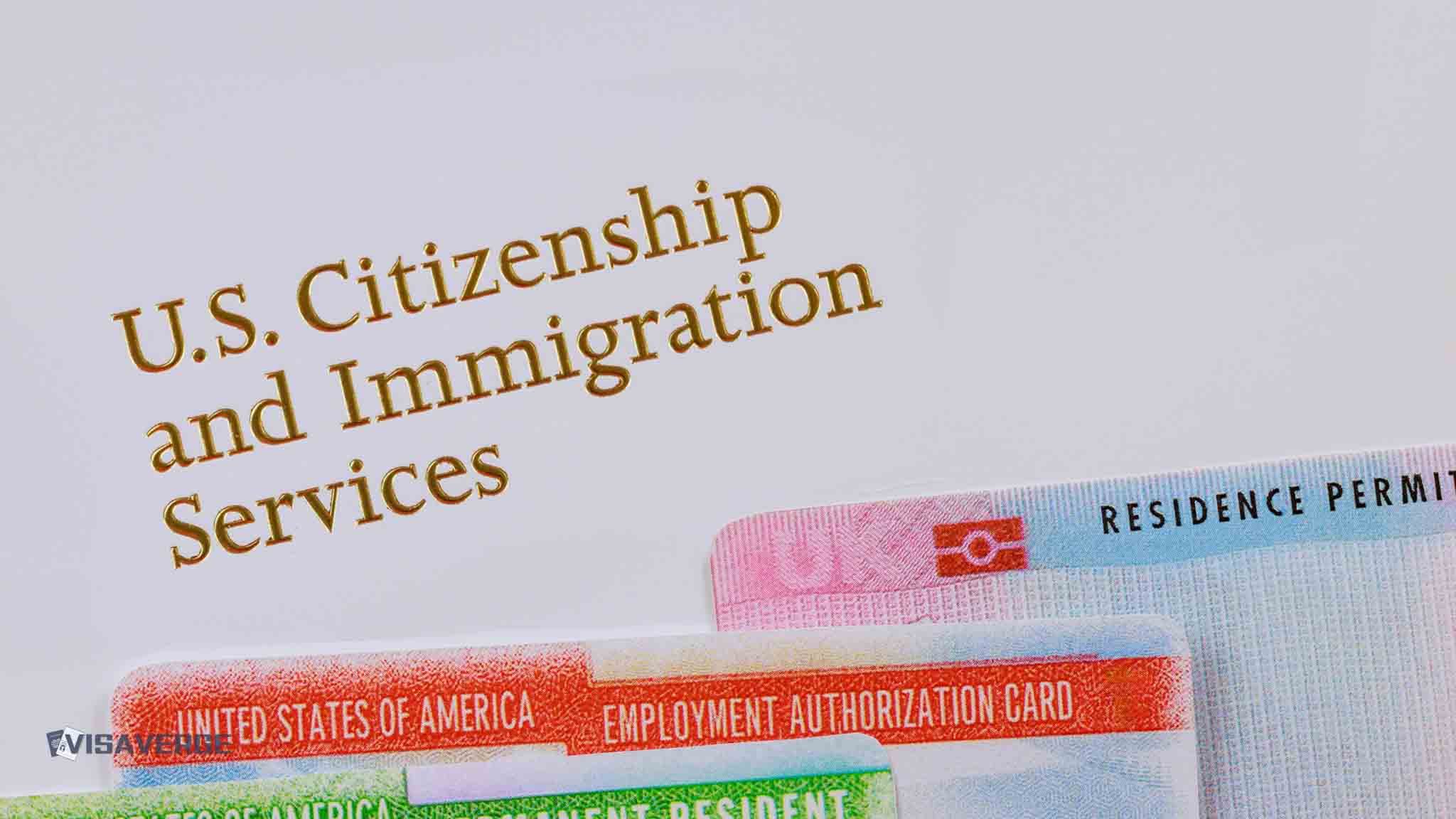
The new rule from the Department of Homeland Security directly affects noncitizens who work in the United States ?? using an EAD, also known as Form I-766. These documents are required for many immigrants to legally work. In recent years, slow processing times at U.S. Citizenship and Immigration Services (USCIS) have caused many workers to lose their jobs while waiting for their EAD renewals. This not only hurts workers and their families, but also causes problems for employers who rely on these employees.
Under the January 2025 rule, eligible workers who filed their EAD renewal applications on time automatically got up to 540 more days to work, even if their old card expired before the new one arrived. That protection now applies only to renewals timely filed before October 30, 2025. A renewal filed on or after that date does not extend the old card, so employment authorization ends on the card’s printed expiration date unless the new EAD has arrived.
What Changed and When
- Permanent 540-Day Extension: On December 13, 2024, DHS published a final rule (89 FR 101208) that permanently increased the automatic extension period for certain expiring EADs from 180 days to 540 days. The rule took effect on January 13, 2025.
- Who Qualifies: The 540-day extension applied to eligible workers who filed their EAD renewal applications on or after May 4, 2022; it now covers only those filed before October 30, 2025 whose applications are still pending. There is no break in coverage for those who filed during the periods covered by earlier temporary rules.
- Removal of the Automatic Extension: DHS published an interim final rule, “Removal of the Automatic Extension of Employment Authorization Documents” (90 FR 48799), effective October 30, 2025. Renewals filed on or after that date get no automatic extension, except where an extension is provided by law or by Federal Register notice (such as certain TPS EADs) and for STEM OPT.
- Shorter Card Validity: Under USCIS Policy Alert PA-2025-27, effective December 5, 2025, new (c)(8) and (c)(9) EADs are issued for a maximum of 18 months instead of up to 5 years.
- Special Guidance for TPS Beneficiaries: In June 2025, USCIS clarified that people from Venezuela with Temporary Protected Status (TPS) whose EADs expire on April 2, 2025, can get the 540-day extension if they filed their renewal application by February 5, 2025. However, documents with a validity date of October 2, 2026, received after February 5, 2025, are not valid for those under the 2023 TPS designation.
Background: How We Got Here
The 540-day EAD extension was first introduced as a temporary fix in May 2022, when USCIS faced a huge backlog of EAD renewal applications. The extension was meant to prevent workers from losing their jobs while waiting for their new cards. In October 2023, the extension period went back down to 180 days, but by April 2024, the 540-day extension was temporarily reinstated due to ongoing delays.
In December 2024, DHS made the 540-day extension permanent for eligible categories. Less than a year later, an interim final rule effective October 30, 2025 removed the automatic extension for renewals filed on or after that date. This move was in response to feedback from employers, workers, and advocacy groups who said the shorter extension was not enough to cover the long wait times for EAD renewals.
Why the Change Was Needed
The main goal of the 540-day extension is to prevent gaps in employment authorization. When workers lose their ability to work because of slow government processing, it can cause serious problems for them and their families. Employers also suffer because they may lose valuable employees and face extra costs to find and train replacements.
Secretary Alejandro N. Mayorkas of the Department of Homeland Security said the rule “will help eliminate red tape that burdens employers, ensure hundreds of thousands of individuals eligible for employment can continue to contribute to our communities, and further strengthen our nation’s robust economy.” USCIS Director Ur M. Jaddou added that the rule “will help U.S. employers better retain their workers and help prevent workers with timely-filed EAD renewal applications from experiencing lapses in their employment authorization and employment authorization documentation through no fault of their own.”
Who Is Eligible for the 540-Day EAD Extension?
The 540-day extension now covers only renewals timely filed before October 30, 2025. For those earlier filings, here’s who could benefit:
- Eligible Categories: Most EAD renewal applicants in categories that previously qualified for the 180-day extension were eligible for the 540-day extension if they filed before October 30, 2025. This includes many people with pending asylum cases, certain nonimmigrant spouses, and TPS beneficiaries.
- Filing Requirements: You must file your Form I-765 (Application for Employment Authorization) before your current EAD expires. You can find the official Form I-765 here.
- Receipt Notice: You must have a Form I-797C (Notice of Action) showing that your renewal application was received and that your eligibility category matches the one on your expiring EAD.
- Special Cases: Some groups, like F-1 students with pending STEM OPT extension applications, are not eligible for the 540-day extension. Certain nonimmigrant dependent spouses (categories C26, A17, A18) must also present an unexpired Form I-94 along with their Form I-797C.
How the 540-Day Extension Works for Renewals Filed Before October 30, 2025
- File Your Renewal Application: Submit Form I-765 before your current EAD expires. Timely filing is critical.
- Get Your Receipt Notice: After you file, USCIS will send you Form I-797C. This notice proves you filed on time.
- Show Your Employer: Present your expired EAD and your Form I-797C to your employer. This combination serves as proof that you can keep working for up to 540 days after your EAD expires, as long as your renewal is still pending.
- Employer Verification: Employers should use the USCIS Automatic EAD Extension Eligibility Calculator or check the official USCIS guidance to confirm eligibility.
- Special Documentation: If you are a TPS beneficiary or a nonimmigrant spouse, you may need to provide extra documents, such as an unexpired Form I-94.
What Employers Need to Know
Employers play a key role in this process. They must accept EADs that look expired if the employee provides a valid Form I-797C showing a timely renewal in an eligible category filed before October 30, 2025. For renewals filed on or after that date, an expired EAD plus a receipt notice is generally not proof of continued work authorization. Employers should always check the eligibility of the extension using the official USCIS resources.
Employers who fail to accept valid documents could face discrimination claims, while those who accept documents that do not meet the requirements could face penalties for hiring unauthorized workers. The USCIS Handbook for Employers (M-274) provides detailed instructions.
Special Rules for TPS Beneficiaries
Temporary Protected Status (TPS) is given to people from certain countries facing unsafe conditions, such as war or natural disasters. TPS beneficiaries often rely on EADs to work in the United States ??.
- Venezuela Example: In June 2025, USCIS clarified that Venezuelan TPS holders with EADs expiring on April 2, 2025, can use the 540-day extension if they filed their renewal by February 5, 2025. However, if they received a document with a validity date of October 2, 2026, after February 5, 2025, it is not valid under the 2023 TPS designation.
- No Double Extensions: TPS beneficiaries can use either the 540-day extension or a Federal Register notice extension, but not both at the same time.
Impact on Workers and Families
For many immigrants, the EAD is more than just a work permit—it’s a lifeline. Losing the ability to work can mean losing health insurance, housing, or the ability to support family members. The 540-day extension helps protect workers from these risks by giving them more time to keep their jobs while waiting for USCIS to process their renewals.
Business and Advocacy Group Responses
Business groups and immigration advocates have welcomed the permanent 540-day extension. The American Immigration Council and other organizations say it gives employers more certainty and helps keep skilled workers on the job. Some groups are even calling for a 730-day extension to further reduce uncertainty.
Employers say the longer extension helps them avoid losing valuable employees due to paperwork delays. Advocacy groups point out that the change also reduces stress and financial hardship for immigrant families.
Legal and Practical Considerations
Immigration lawyers stress the importance of filing EAD renewals on time and keeping all documentation. If you miss the deadline, you may not qualify for the extension and could lose your job. Lawyers also remind workers and employers to check the eligibility category on both the old EAD and the Form I-797C receipt notice to make sure they match.
What Happens Next?
- Extension Removed: DHS removed the automatic extension for renewals filed on or after October 30, 2025 (90 FR 48799).
- Litigation: Lawsuits challenging the removal continue; a September 2026 preliminary injunction in California covers only the seven named H-4 plaintiffs, not other applicants.
- Plan for Gaps: File renewals as early as allowed, up to 180 days before the card expires, because a pending renewal no longer keeps you working.
Key Dates and Deadlines
Here’s a summary of important dates for the 540-day EAD extension:
| Date/Event | Description |
|---|---|
| May 4, 2022 | Earliest eligible filing date for 540-day extension |
| April 8, 2024 | Temporary 540-day extension reinstated |
| December 13, 2024 | Final rule published (89 FR 101208) |
| January 13, 2025 | Final rule effective date |
| February 5, 2025 | TPS Venezuela: Last day to file for certain extensions |
| April 2, 2025 | TPS Venezuela: EADs expiring on this date eligible for 540-day extension with timely filing |
| October 30, 2025 | Interim final rule (90 FR 48799) removes the automatic extension for renewals filed on or after this date |
| December 5, 2025 | Maximum validity for new (c)(8) and (c)(9) EADs cut to 18 months (PA-2025-27) |
Where to Find Official Information
For the most up-to-date and official information, visit the USCIS Automatic EAD Extension page. This page includes a calculator to check your eligibility and detailed instructions for both workers and employers.
You can also contact the USCIS Contact Center at 1-800-375-5283 for help or check the USCIS SAVE Program for more information about verifying work authorization.
Analysis from VisaVerge.com suggests that the 540-day EAD extension reduced the risk of job loss from slow processing while it lasted. Since its removal for renewals filed on or after October 30, 2025, the filing date decides everything: earlier timely renewals may still carry the extension, while later renewals do not.
Practical Tips for Workers and Employers
- Workers: File your EAD renewal as early as allowed; renewals filed on or after October 30, 2025 get no automatic extension. Keep your Form I-797C receipt notice safe and ready to show your employer. Double-check that your eligibility category matches on both documents.
- Employers: Stay updated on USCIS rules. Use the official calculator or guidance to verify employee eligibility. Accept valid documents and avoid discrimination.
- TPS Beneficiaries and Nonimmigrant Spouses: Follow special instructions and provide any extra documents required.
Looking Ahead
The 540-day EAD extension did not remain in place. DHS removed the automatic extension for renewals filed on or after October 30, 2025, and the extension now matters only for renewals timely filed before that date that are still pending.
If you are affected by these changes, make sure to use official resources and seek legal advice if you have questions about your specific situation. Staying informed and acting early are the best ways to protect your right to work and support your family.
In Summary
The 540-day EAD extension became permanent in January 2025 but was removed for renewals filed on or after October 30, 2025. Renewals timely filed before that date may still carry up to 540 days; renewals filed later end on the card’s printed expiration date, apart from narrow exceptions such as certain TPS EADs and STEM OPT.
Learn Today
Employment Authorization Document (EAD) → A government-issued document permitting noncitizens to work legally in the United States.
Form I-765 → Application form used by eligible noncitizens to request or renew employment authorization.
Temporary Protected Status (TPS) → A humanitarian program granting temporary work authorization to nationals from disaster or conflict-affected countries.
Form I-797C → Official USCIS receipt notice confirming acceptance and processing of an immigration application.
Department of Homeland Security (DHS) → U.S. federal agency overseeing immigration, including USCIS and border security enforcement.
This Article in a Nutshell
DHS made the 540-day EAD extension permanent in January 2025, then removed automatic extensions for renewals filed on or after October 30, 2025; only earlier timely renewals keep it.
— By VisaVerge.com