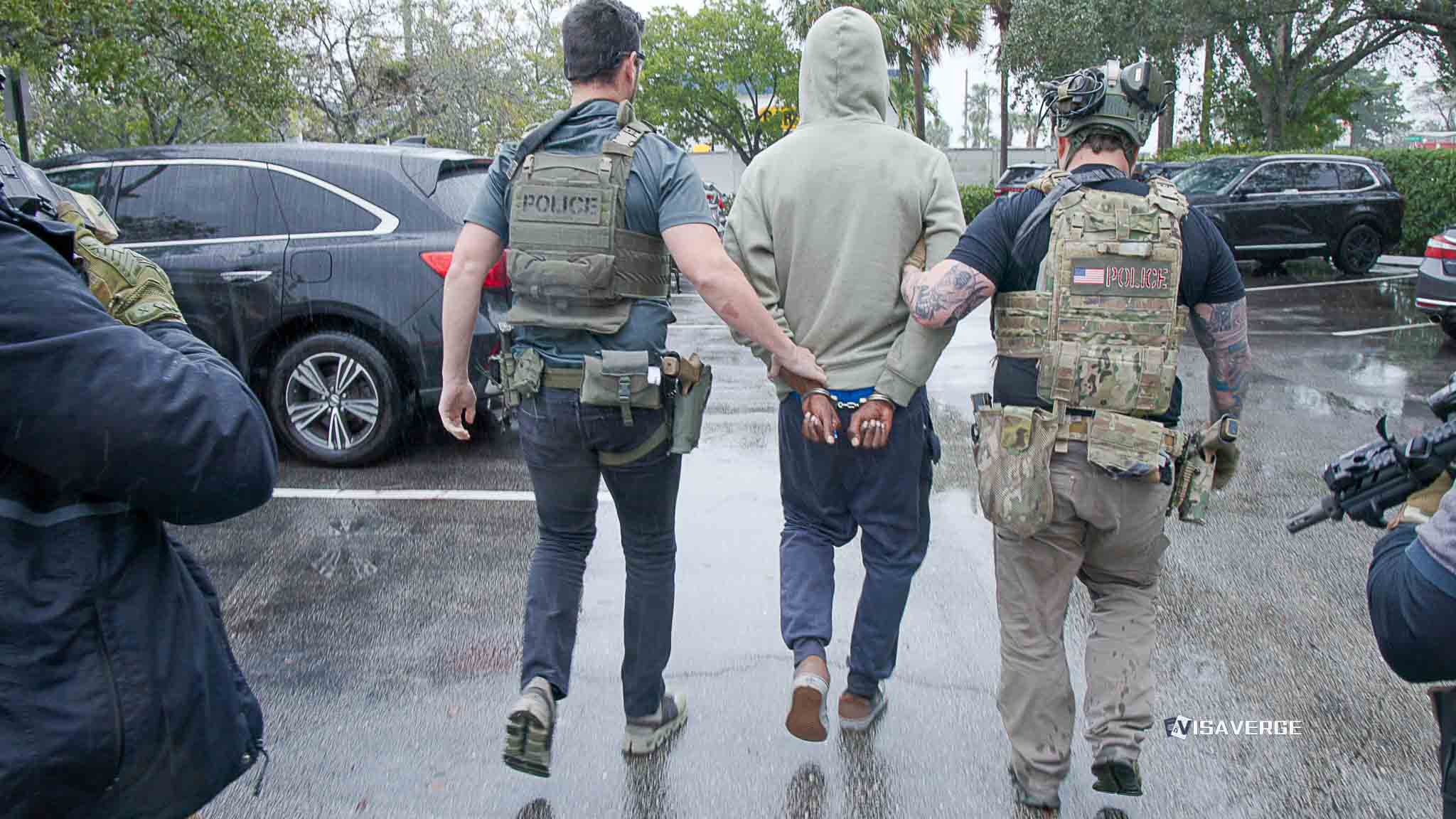
- Secret Service agents arrested Melih Gogebakan for running a Turkish visa fraud scheme while posing as a Trump adviser.
- The suspect charged victims three thousand dollars each for fraudulent assistance with EB-5 and E-2 investor visas.
- Gogebakan remained in the country without legal status since late twenty nineteen before his arrest on July twenty-eight.
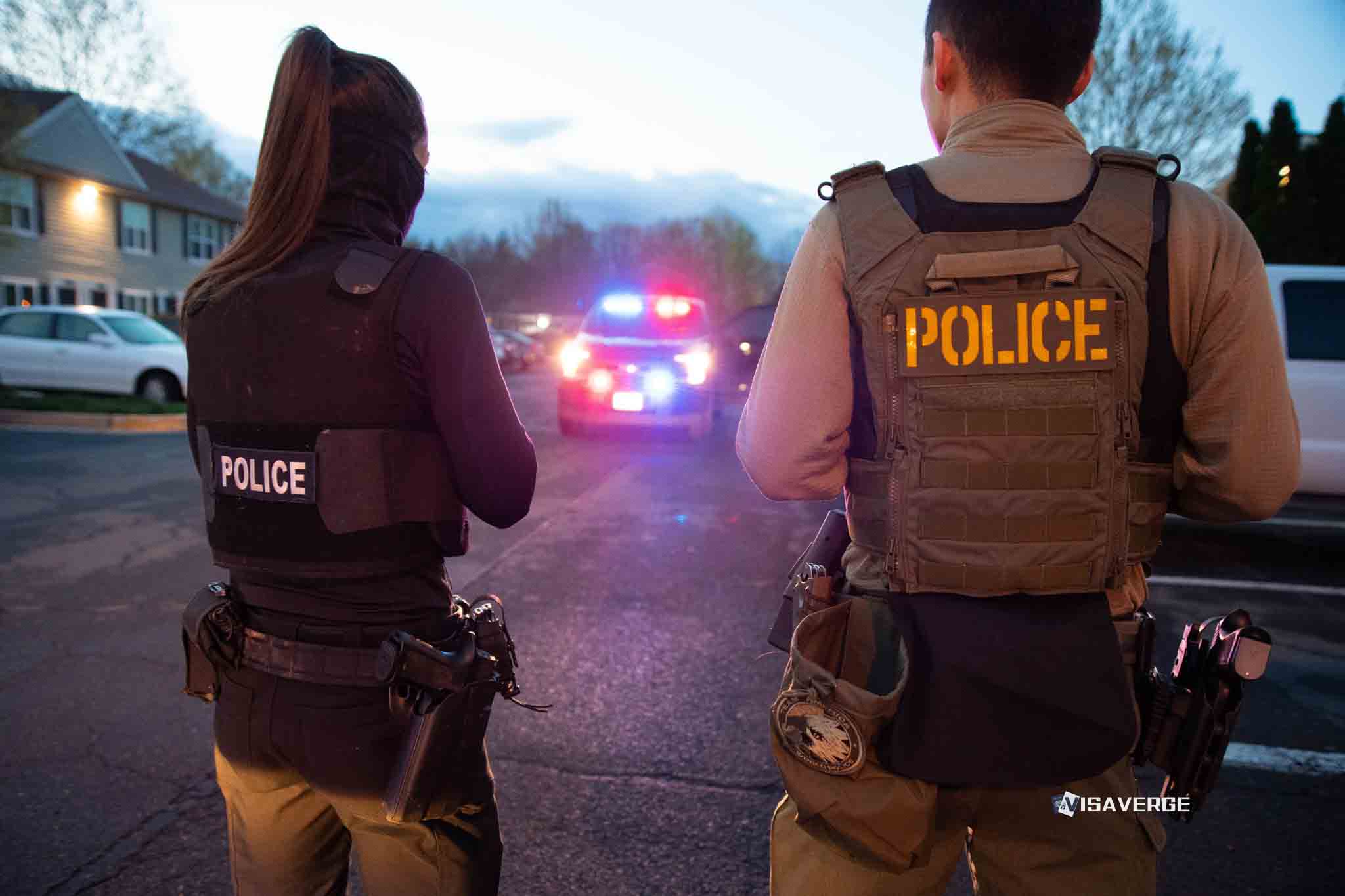
The Secret Service arrested Melih Gogebakan, a Turkish visa fraudster who had posed as a Trump adviser, on July 28 after investigators said he charged Turkish nationals $3,000 each for help with American investor visas. ICE joined the operation.
A White House official confirmed the case on August 14 and said Gogebakan would get full due process while staying in ICE custody pending removal proceedings. The official tied the case to a targeted enforcement action by ICE and the United States Secret Service.
Free toolDS-160 Form Filling Online Helper Tool
"On July 28, ICE and the United States Secret Service conducted a targeted enforcement operation to arrest Melih Gogebakan. He had been falsely claiming to be a political adviser to President Trump. He will receive full due process and remain in ICE custody pending the outcome of his removal proceedings."
He is being held at the Delaney Hall Detention Facility in Newark, New Jersey. Pending removal.
The same official said Gogebakan had been living in the United States and moving around White House grounds without legal status since December 2019. The official added, "being in detention is a choice." The remark referred to the CBP Home App, which offers undocumented people $2,600 and a flight home for self-deportation.
His alleged pitch leaned on a title that sounded official. He posed as the "Communications Lead for Trump Media and the Trump Organization" while selling access to EB-5/E-2 investor visas. Dozens of Turkish nationals who wanted legitimate pathways to the United States lost thousands of dollars.
| Fact | Detail |
|---|---|
| Visa categories | EB-5/E-2 |
| Alleged fee | $3,000 each |
| Legal entry | June 11, 2019 |
| Authorization ended | December 10, 2019 |
He entered the country legally on June 11, 2019, with authorization until December 10, 2019. Official records show he stayed after that deadline.
Some of his online posts added another layer. Gogebakan frequently posted photographs from White House grounds on Facebook and LinkedIn, and some of those posts were flagged by social media platforms as AI-generated content intended to simulate his presence in official meetings. The digital trail kept growing.
The arrest lands inside a broader fraud push
The case also fits the Trump Administration's Task Force to Eliminate Fraud, which began in January 2025. Its Fraud Ledger says DHS has identified over $1.3 billion in fraud since the task force started. That number is now part of the administration's pitch.
DHS Secretary Markwayne Mullin framed the effort on July 17, 2026.
"By implementing clear, finite limits on these visas, the U.S. is reclaiming its ability to properly screen, vet, and monitor individuals within its borders."
The agency has paired that message with the arrest of Gogebakan and the detention case now moving through removal proceedings. The paper trail is still being reviewed.
White House access remains under review
The Secret Service worked alongside ICE, raising security questions that sit outside the visa fraud itself. The White House is reportedly reviewing how Gogebakan obtained and displayed visitor or press access credentials on camera while he was an undocumented overstay. That review keeps the case tied to both immigration enforcement and the perimeter around the White House. His detention continues at Delaney Hall.