- Iraq striker Aymen Hussein was questioned for nearly seven hours at Chicago O’Hare before being admitted.
- Team photographer Talal Salah was held for more than 10 hours and later denied entry.
- The article says airport inspections can involve secondary inspection and device searches under U.S. border authority.
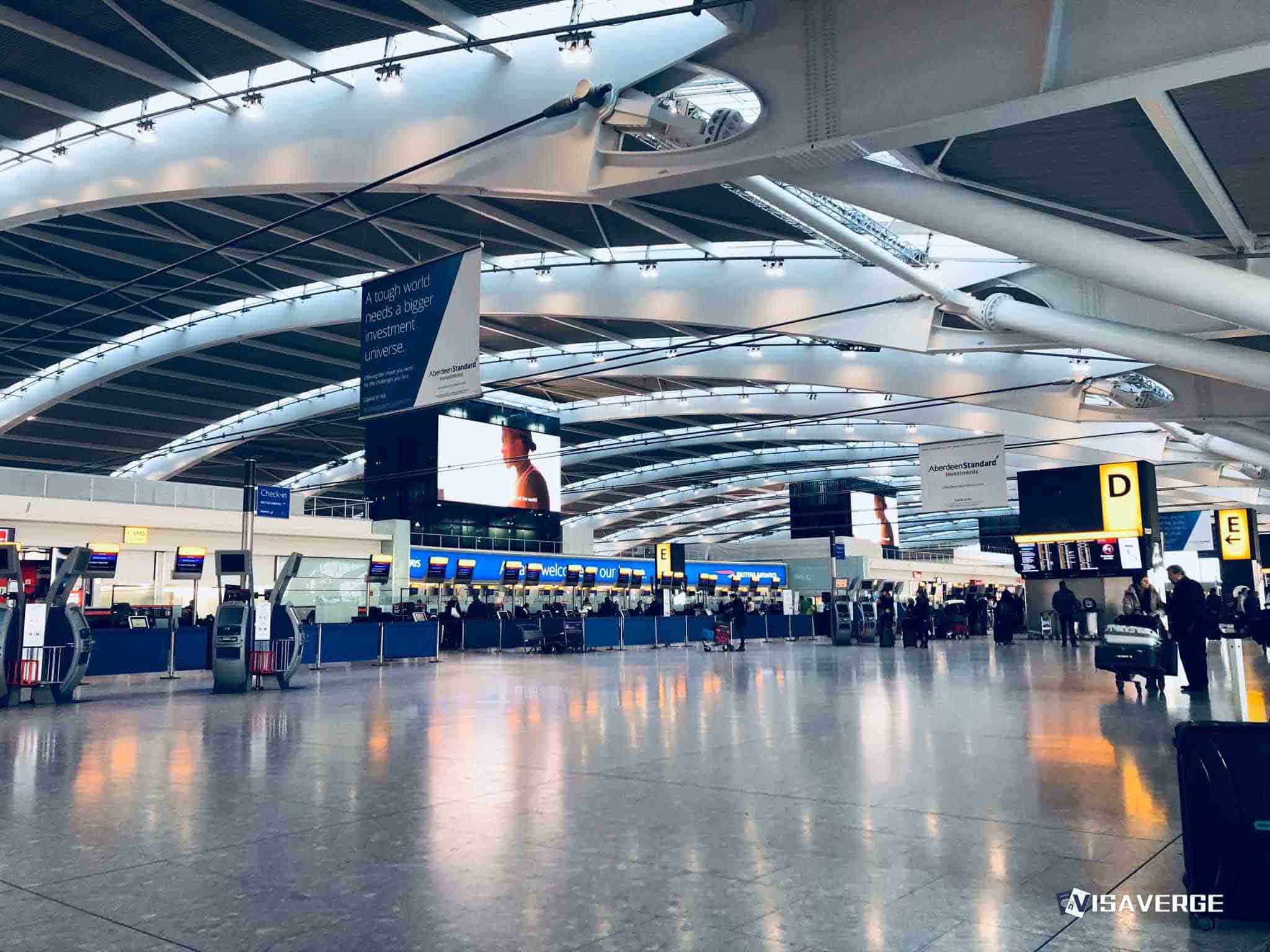
(CHICAGO, ILLINOIS) – Iraq national team striker Aymen Hussein was questioned by U.S. immigration officials for nearly seven hours after arriving at Chicago O’Hare International Airport, according to an Iraqi football official, and was later admitted into the United States.
The same official said Hussein was separated from the Iraq squad on arrival and that officers inspected his mobile phone before allowing him to enter. Team photographer Talal Salah was held for more than 10 hours and was later denied entry, the official said. No public record released Sunday explained why Hussein was sent to extended inspection or why Salah was refused admission.
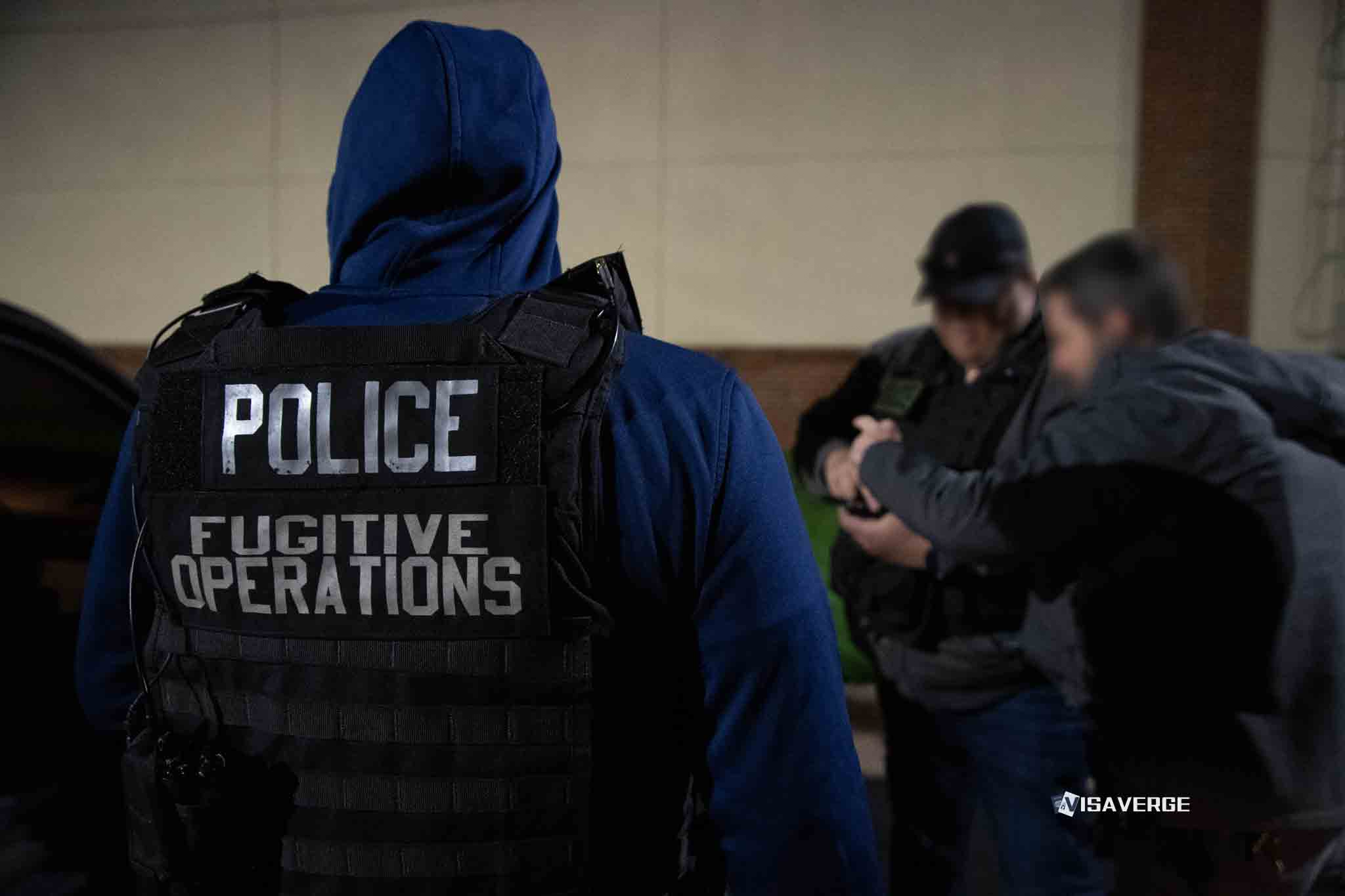
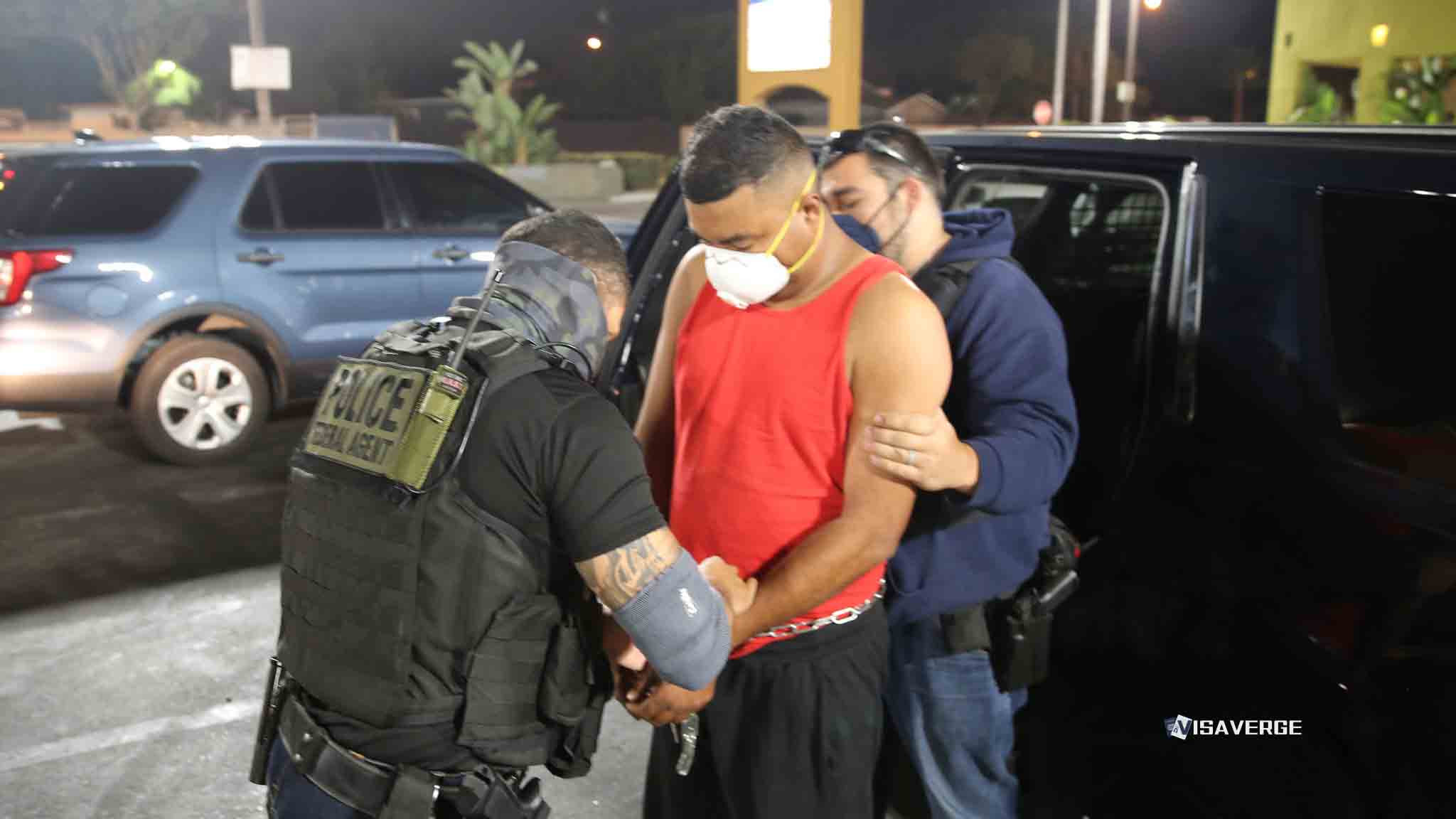
The incident carries legal weight because noncitizens arriving at a U.S. airport are treated as applicants for admission under INA § 235. At ports of entry, inspection authority generally rests with U.S. Customs and Border Protection, a component of the Department of Homeland Security, even though public reports in high-profile cases often refer broadly to “immigration officials.” Officers may conduct primary and secondary inspection, review travel documents, question travelers about admissibility, and search electronic devices under border search authority.
Those inspections may be lengthy. Federal regulations at 8 C.F.R. § 235.1 and related inspection rules give officers broad authority to examine applicants for admission. A refusal of entry can occur for many reasons, including visa problems, documentary deficiencies, prior immigration history, security concerns, or a determination that the traveler is not clearly admissible under the Immigration and Nationality Act. DHS has not identified the legal ground used in Salah’s case.
Electronic device searches at the border have drawn repeated litigation, but courts have continued to recognize substantial government authority in that setting. The Supreme Court has long treated border searches differently from searches inside the country. In United States v. Ramsey, 431 U.S. 606 (1977), the Court described border searches as reasonable simply because they occur at the border. More recent cases have addressed digital devices with mixed results across jurisdictions, and standards can vary by circuit.
Travel by international sports delegations does not remove those inspection powers. Athletes, team staff, media personnel, and federation employees still must present valid passports, visas if required, and consistent travel information. Admission is not automatic even when a traveler is part of an official national team delegation. A visa allows travel to a port of entry; it does not guarantee admission.
U.S. Immigration and Customs Enforcement and the Department of Homeland Security did not respond immediately to requests for comment, according to the reporting cited by the Iraqi official. ICE is a DHS component, but airport inspection decisions are typically made by CBP officers. Without a statement from DHS or CBP, the public record does not establish whether the questioning stemmed from document review, name-check issues, electronic device inspection, or another admissibility concern.
The timing matters for teams traveling to the United States for international competition, especially with more events scheduled on U.S. soil ahead of the 2026 FIFA World Cup. Secondary inspection can disrupt team logistics, separate staff from delegations, and in some cases lead to expedited removal or withdrawal of an application for admission. Those outcomes carry different legal consequences, including possible bars on returning to the United States under INA § 212(a)(9), depending on the facts.
Travelers in similar situations typically have fewer procedural protections at the airport than they would inside the United States. Arriving noncitizens generally do not have a right to counsel during inspection questioning, though they may ask to contact counsel and, in some cases, consular officials. Lawful permanent residents and certain other returning travelers may have additional protections. Whether those protections apply depends on immigration status and travel history.
If an athlete, staff member, or other traveler is held in secondary inspection, keep records of the time of detention, the agency involved, any forms issued, and the stated reason for delay or refusal, if officers provide one. If admission is denied, ask for copies of the paperwork before departure. Those documents may include the legal basis for the decision and can shape any later visa application or waiver request.
Warning: Travelers who are denied entry should not assume the problem will disappear on the next trip. A refusal at the airport can affect future visa screening, ESTA eligibility, and later inspections.
Practical step: Teams and delegations traveling for competition should review passport validity, visa classification, prior U.S. travel history, and any prior refusals well before departure. Where a denial, prior removal, arrest record, or name-match issue exists, consultation with a qualified immigration attorney before travel may reduce the risk of disruption.
Legal resources: Official information on inspection and admission is available through the Department of Homeland Security and CBP at CBP Travel and through the statutory text at [INA § 235](https://www.law.cornell.edu/uscode/text/8/1225). Attorney referrals are available through [AILA Lawyer Referral](https://www.aila.org/find-a-lawyer) and the Immigration Advocates Network.
⚖️ Legal Disclaimer: This article provides general information about immigration law and is not legal advice. Immigration cases are highly fact-specific, and laws vary by jurisdiction. Consult a qualified immigration attorney for advice about your specific situation.